Florida, with its sunshine and subtropical climate, might not be the first place that comes to mind when you think of blueberries, but it’s entirely possible to grow these delicious and nutritious berries in the Sunshine State. However, timing is crucial for success. Knowing the best time to plant blueberries in Florida is the foundation for a bountiful harvest and healthy, thriving plants. This comprehensive guide delves into the specifics of blueberry cultivation in Florida, addressing everything from ideal planting times and variety selection to ongoing care and pest control.
Why Timing Matters for Blueberry Planting in Florida
Blueberries, while adaptable, are sensitive to temperature fluctuations and require specific chilling hours (periods of temperatures below 45°F) to initiate proper bud break and fruit production. Florida’s mild winters present a unique challenge, making the timing of planting even more critical. Planting at the right time allows the blueberry bushes to establish a strong root system before the summer heat arrives, increasing their chances of survival and maximizing fruit production in the following seasons.
The Optimal Planting Window: December through February
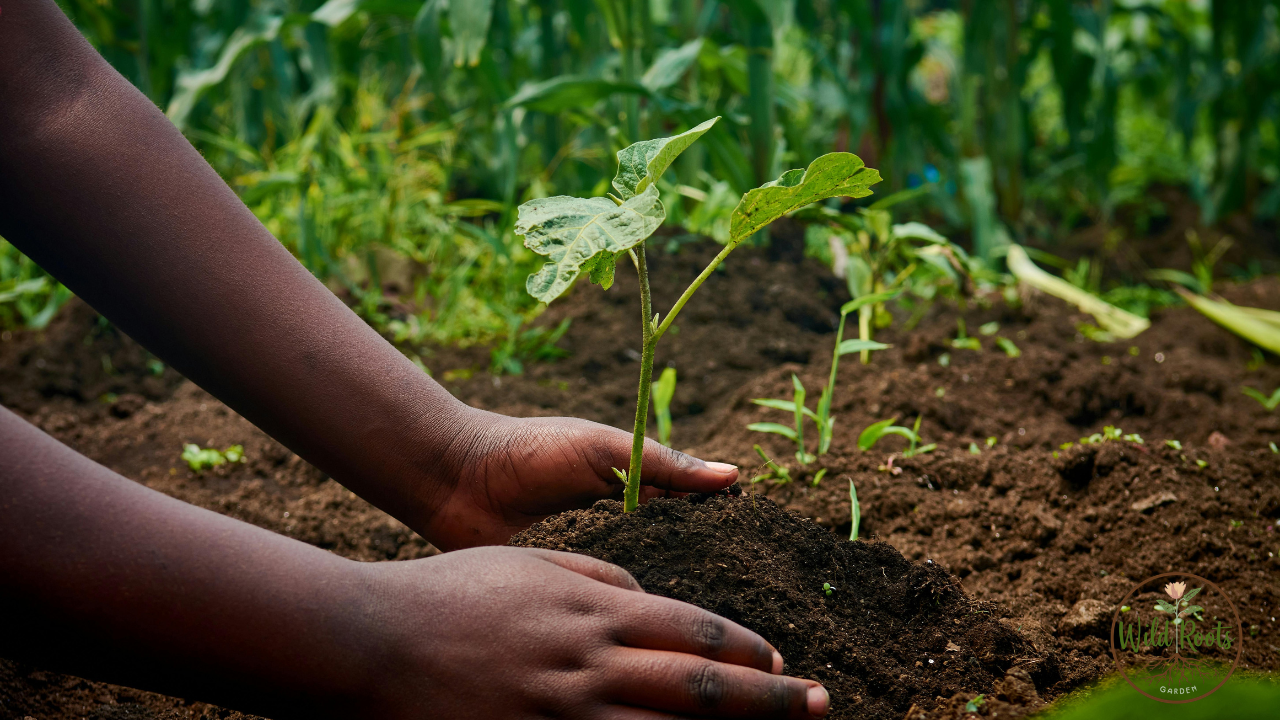
In Florida, the best time to plant blueberries is during the cooler months, ideally between December and February. This period offers the most favorable conditions for young blueberry plants to acclimate and develop strong roots before the onset of warmer weather. Planting during this dormant season minimizes transplant shock and allows the plants to focus their energy on root development before the demands of leaf growth and fruit production kick in.
Understanding Chilling Requirements and Variety Selection
Choosing the right blueberry variety is as important as planting at the right time. Because Florida has a shorter and milder chill period than more northern regions, selecting low-chill varieties is crucial. These varieties require fewer hours of chilling temperatures to break dormancy and produce fruit successfully. Some recommended low-chill varieties for Florida include:
- Emerald: Known for its large, flavorful berries and vigorous growth.
- Jewel: A reliable producer with good disease resistance and high yields.
- Sharpblue: Another popular choice, producing abundant, medium-sized berries.
- Southern Highbush: A general term encompassing several varieties bred specifically for warmer climates.
- Sunshine Blue: A compact variety ideal for smaller gardens and containers.
Before purchasing your blueberry plants, research the specific chilling requirements of each variety and choose those best suited to your local microclimate. Consulting with your local extension office or a reputable nursery can provide valuable insights into variety performance in your specific area.
Preparing for Planting: Soil, Sun, and Site Selection
Even with the perfect timing and the right variety, blueberries will struggle without the proper growing conditions. Here’s what you need to consider:
- Acidic Soil: Blueberries thrive in acidic soil with a pH between 4.0 and 5.5. Test your soil pH and amend it with elemental sulfur or other acidifying agents if necessary. Pine bark mulch can also help maintain soil acidity.
- Well-Drained Soil: Blueberries need well-drained soil to prevent root rot. Amend heavy clay soils with organic matter like compost or peat moss to improve drainage.
- Full Sun: Plant blueberries in a location that receives at least 6-8 hours of direct sunlight per day. Adequate sunlight promotes vigorous growth and fruit production.
- Protection from Wind: Choose a sheltered spot protected from strong winds, which can damage the delicate blossoms and reduce fruit set.
Planting and Early Care: A Step-by-Step Guide
- Digging the Hole: Dig a hole twice as wide and as deep as the root ball of your blueberry plant.
- Planting Depth: Place the plant in the hole at the same depth it was growing in its container. Avoid planting too deep or too shallow.
- Backfilling: Fill the hole with the amended soil, gently firming it around the roots.
- Watering: Water thoroughly after planting to settle the soil and ensure good root contact.
- Mulching: Apply a 2-4 inch layer of pine bark mulch around the base of the plant, keeping it a few inches away from the main stem. Mulch helps retain moisture, suppress weeds, and maintain soil acidity.
- Fertilizing: Use an acid-forming fertilizer specifically formulated for blueberries, following the manufacturer’s instructions.
- Watering Regularly: Consistent watering, especially during dry periods, is crucial for establishing young blueberry plants.
Ongoing Care: Pruning, Fertilizing, and Pest Control
Once established, blueberry bushes require ongoing care to ensure continued health and productivity. Regular pruning, fertilization, and pest control are essential for optimal growth and fruit production.
- Pruning: Prune blueberry bushes in late winter or early spring, removing any dead, damaged, or crossing branches. Pruning promotes air circulation and encourages new growth.
- Fertilizing: Fertilize established blueberry bushes annually in early spring with an acid-forming fertilizer.
- Pest Control: Monitor for common blueberry pests like aphids, scale, and blueberry maggots. Use appropriate control methods, such as insecticidal soap or horticultural oil, as needed. Consult with your local extension office for guidance on pest identification and management.
Harvesting Your Florida Blueberries
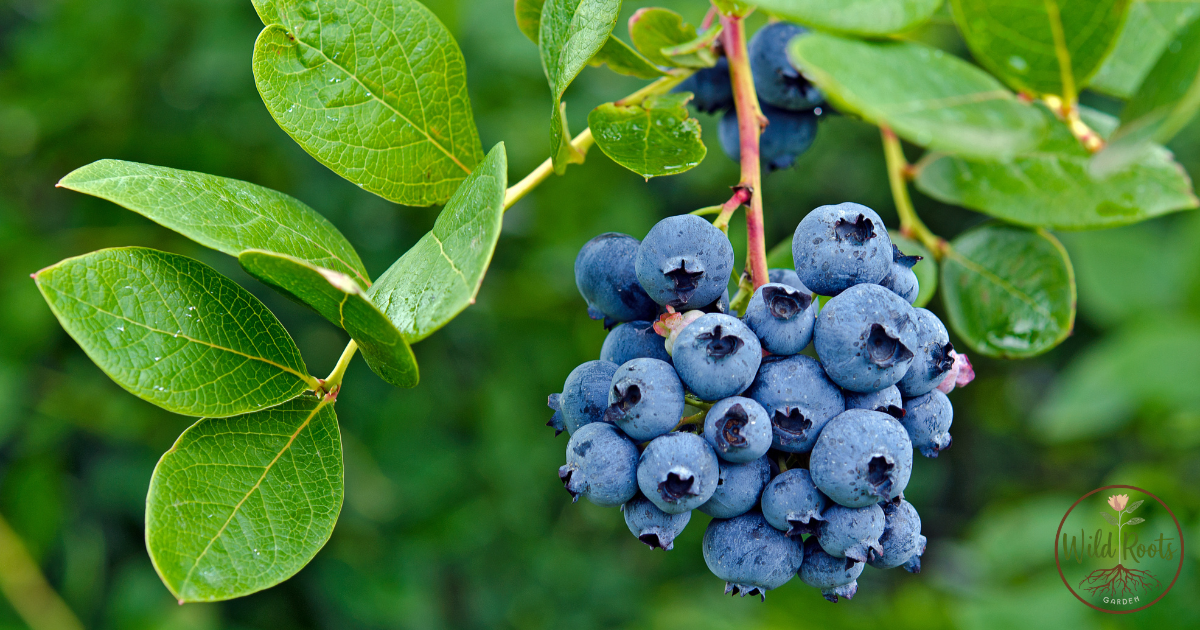
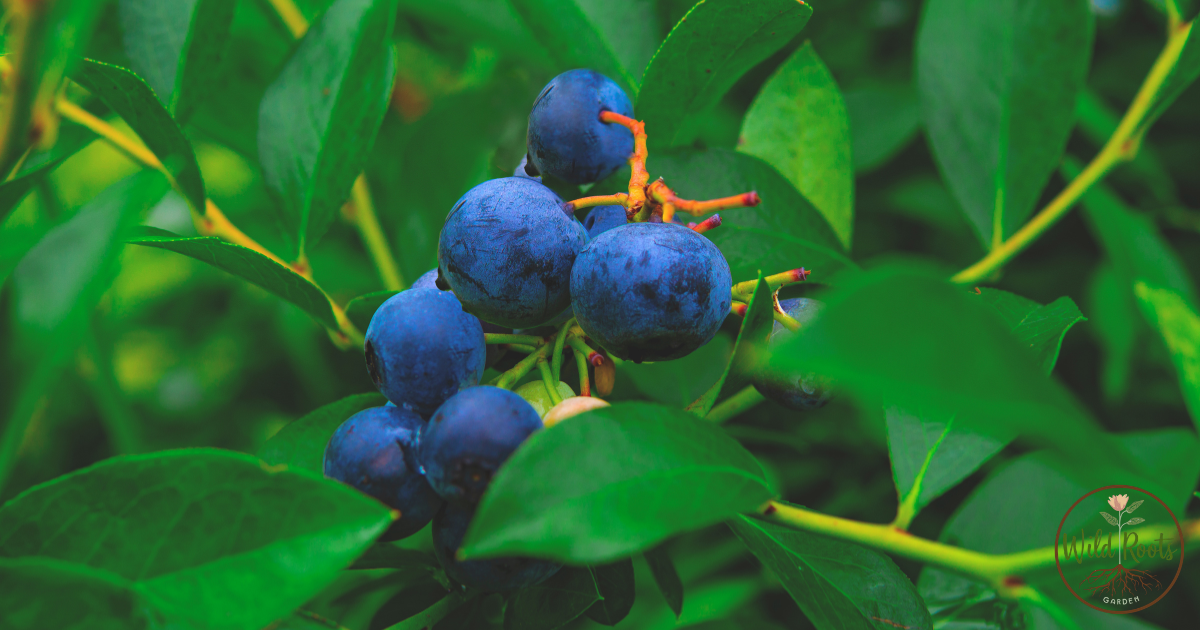
The anticipation of harvesting your own homegrown blueberries is one of the joys of gardening. Blueberries are typically ready for harvest in Florida between April and June, depending on the variety and local weather conditions. Harvest the berries when they are fully ripe and have a deep blue color. Ripe blueberries will easily detach from the bush with a gentle tug.
Conclusion:
Growing blueberries in Florida presents some unique challenges, but with careful planning and proper care, you can enjoy a bountiful harvest of these nutritious and delicious berries. By understanding the best planting times, choosing the right varieties, and providing optimal growing conditions, you can establish thriving blueberry bushes that will reward you with years of delicious fruit. So, get started this winter and enjoy the fruits (literally!) of your labor. Happy gardening!