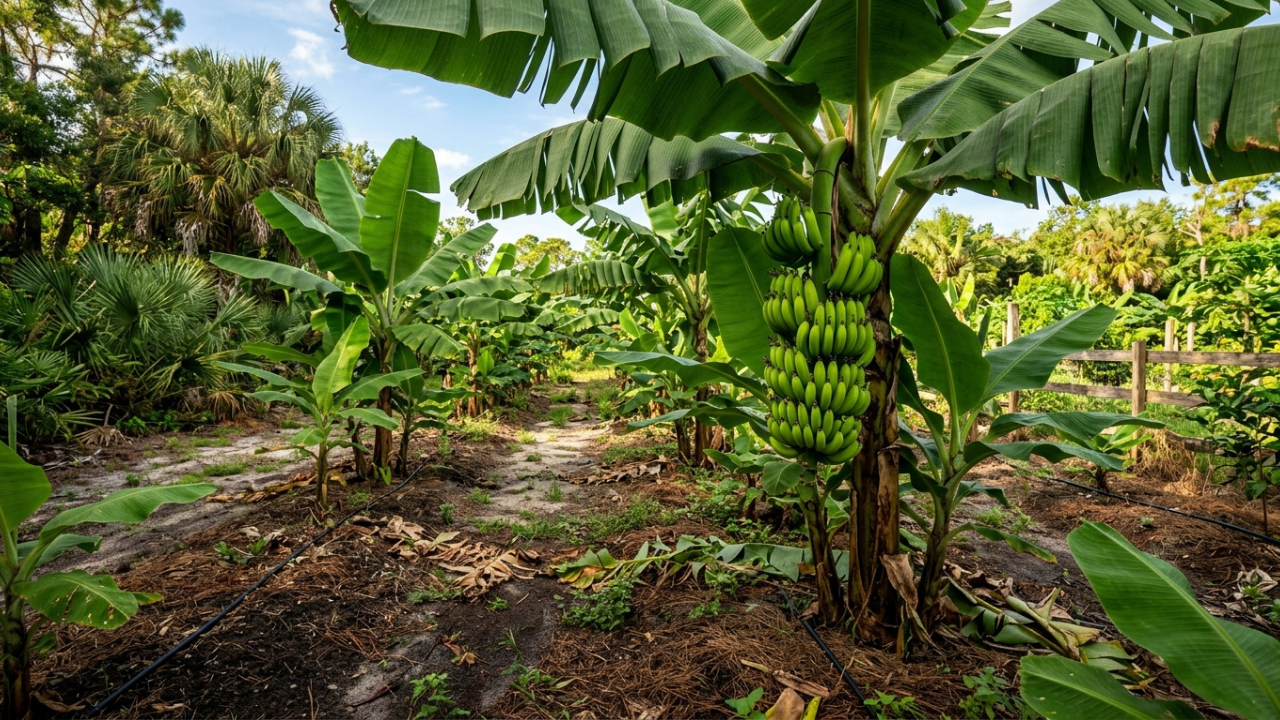
If you’re thinking about growing bananas in Southwest Florida, you might wonder which variety will thrive best in your garden. Not all bananas are created equal when it comes to heat, humidity, and occasional cold snaps.
Choosing the right banana can mean the difference between a bountiful harvest and endless frustration. In this guide, you’ll discover the best bananas to grow in SW Florida—varieties that are hardy, delicious, and suited to your local climate. Keep reading to find out how you can enjoy fresh, homegrown bananas right from your backyard!
Climate Needs For Bananas In Sw Florida
Bananas thrive best with specific climate conditions. Southwest Florida offers a warm, humid environment ideal for many banana types. Knowing the climate needs helps choose the best banana variety to grow. Understanding temperature, rainfall, humidity, and soil is key for healthy plants and good fruit yield.
Temperature And Frost Impact
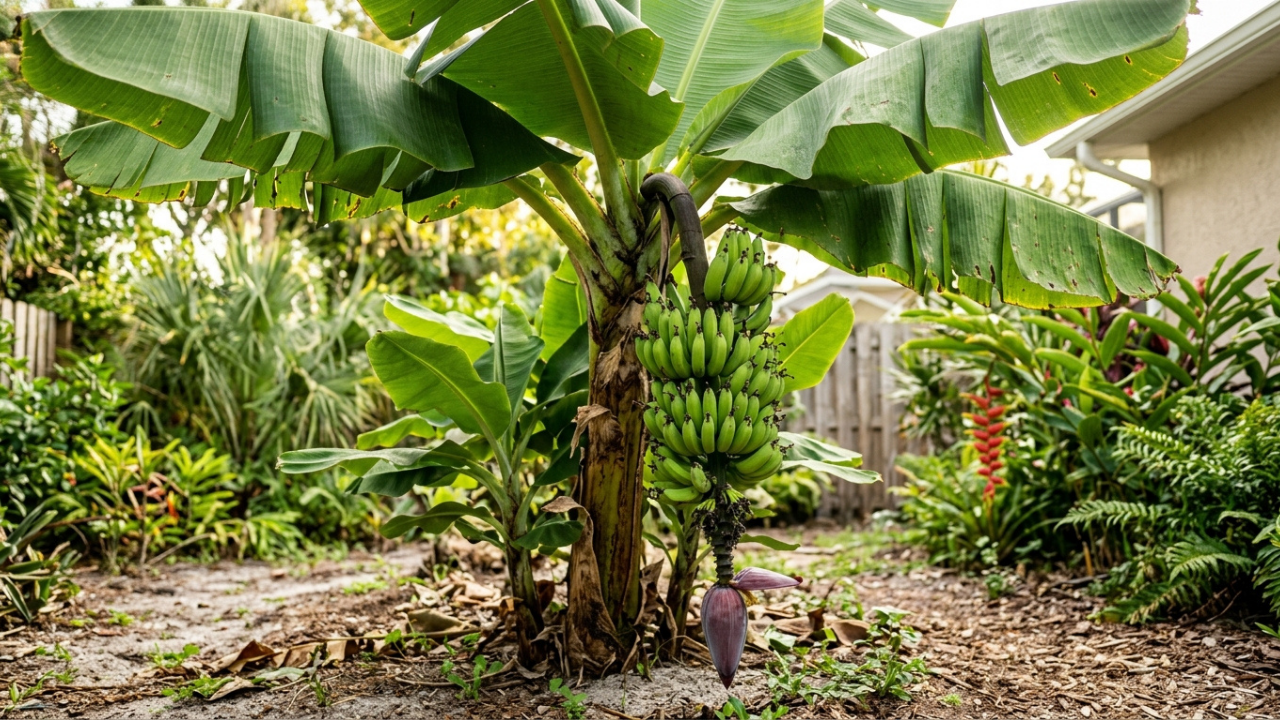
Bananas need warm temperatures above 60°F to grow well. Ideal growth happens between 75°F and 95°F. Frost can seriously damage banana plants. Even light frost can kill leaves and slow growth. Protect young plants during cold snaps with covers or bring them indoors if potted.
Rainfall And Humidity Levels
Bananas prefer consistent moisture but dislike waterlogged soil. Southwest Florida’s rainfall usually meets this need. High humidity helps banana plants stay healthy and produce fruit. Dry air can cause leaf edges to brown. Mulching helps retain soil moisture and improves humidity near roots.
Soil Requirements
Bananas grow best in rich, well-draining soil with plenty of organic matter. Sandy soils in Southwest Florida need amendments like compost to improve fertility. Soil pH should be slightly acidic to neutral, between 5.5 and 7.0. Good drainage prevents root rot and supports strong plant growth.
Top Banana Varieties For Sw Florida
Southwest Florida offers an ideal climate for growing bananas. Choosing the right variety ensures good fruit and healthy plants. Some bananas thrive better in this region’s heat and humidity. Others tolerate occasional cold snaps or pests. Here are the top banana varieties for SW Florida.
Dwarf Cavendish
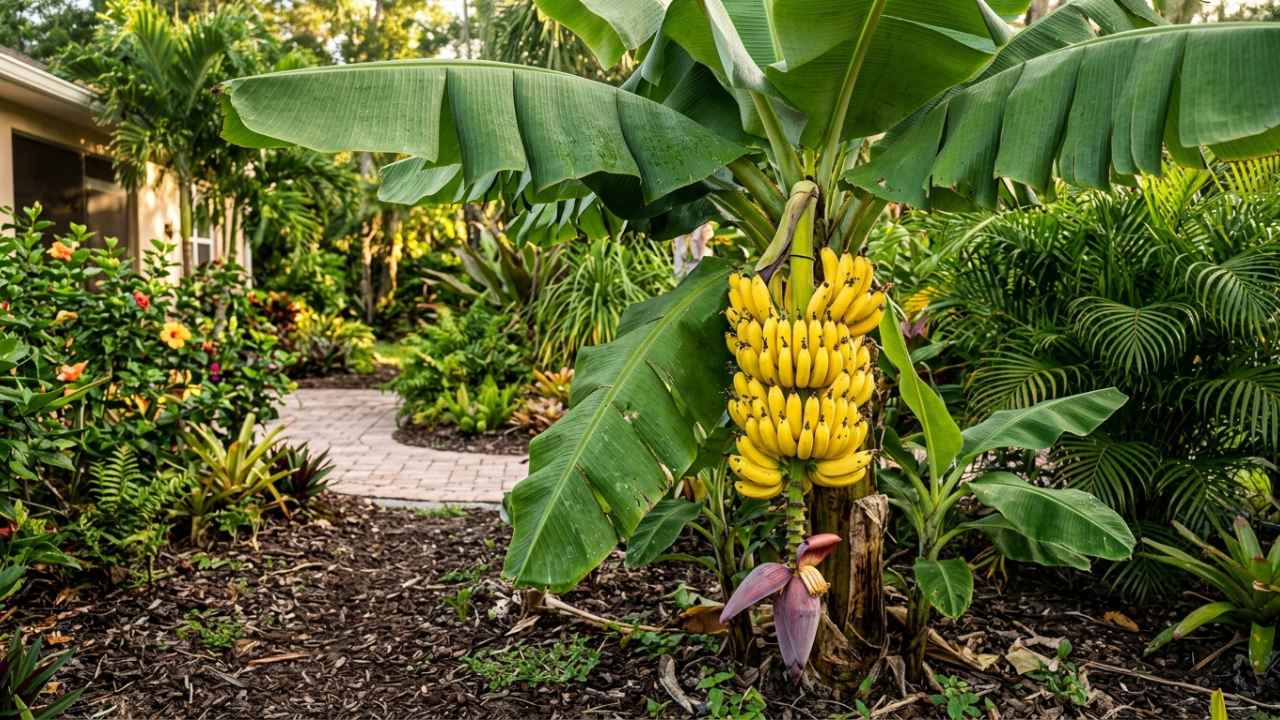
Dwarf Cavendish is popular in SW Florida gardens. It stays smaller than regular Cavendish types. The plant produces sweet, creamy bananas. It handles the Florida heat well. This variety fruits faster than many others.
Lady Finger
Lady Finger bananas are known for their sweet taste. They are smaller and thinner than common bananas. These bananas grow well in warm climates. They require good water and rich soil. Lady Finger bananas are great for fresh eating.
Dwarf Nam Wah
Dwarf Nam Wah is a hardy banana variety. It grows shorter and suits smaller spaces. The bananas have a rich, sweet flavor. They do well in Florida’s humid conditions. This variety resists many common banana diseases.
Dwarf Orinoco
Dwarf Orinoco bananas are excellent for cooking. They are starchy and firm when green. The plants stay compact and manageable. They perform well in SW Florida gardens. Orinoco bananas add variety to your banana harvest.
Sweetheart
Sweetheart bananas offer a unique flavor profile. They are sweet with a hint of tartness. The plants grow well in sunny spots. This variety adapts to SW Florida’s climate easily. Sweetheart bananas are a tasty treat fresh or cooked.
Basjoo For Cold Tolerance
Basjoo bananas are the most cold-tolerant type. They survive brief freezes better than others. The plant is large and hardy. It is ideal for northern parts of SW Florida. Basjoo bananas are mostly grown for ornamental use.
Blue Java (ice Cream Banana)
Blue Java bananas are famous for their creamy texture. The fruit tastes like vanilla ice cream. The plants grow well in warm, moist environments. They do well in SW Florida’s climate. Blue Java bananas offer a special flavor for your garden.
Disease And Pest Resistance
Growing bananas in Southwest Florida can be rewarding. Disease and pest resistance plays a key role in successful growth. Healthy plants produce better fruit and reduce the need for chemicals. Choosing the right variety helps manage common problems in this region.
Common Banana Diseases In Sw Florida
Panama disease affects banana roots and causes yellow leaves. Black Sigatoka is a fungal leaf spot disease that lowers fruit quality. Bacterial wilt leads to plant death and spreads quickly. Nematodes attack roots and stunt plant growth. These diseases thrive in warm, humid climates like Southwest Florida.
Variety Resistance Levels
Dwarf Cavendish resists Panama disease and Black Sigatoka well. Lady Finger shows moderate resistance to fungal infections. Dwarf Nam Wah tolerates nematodes better than many types. Blue Java offers some protection against bacterial wilt. Choosing resistant varieties reduces losses and improves harvest success.
Pest Management Tips
Inspect plants often for signs of pests or disease. Remove and destroy infected leaves to stop spread. Use organic insecticides to control aphids and scale insects. Encourage natural predators like ladybugs and spiders. Keep soil healthy with mulch and proper watering. Crop rotation and spacing reduce pest buildup over time.
Growth And Fruiting Timeline
The growth and fruiting timeline of banana plants in Southwest Florida is important for gardeners to understand. Bananas generally take time to mature before they produce fruit. Knowing the timeline helps in planning and care.
Banana plants in this region benefit from the warm climate. They grow steadily and produce fruit usually within a year or more. This timeline varies by variety and growing conditions.
Time To First Harvest
Most banana plants take about 12 to 18 months to produce their first bunch. Dwarf varieties like Dwarf Cavendish often fruit closer to 12 months. Larger types may need up to 18 months or more. Patience is key for the first harvest.
Annual Fruiting Cycle
After the first harvest, banana plants produce fruit annually. Each new stalk grows from a sucker next to the original plant. This cycle repeats every year with proper care. Regular watering and fertilizing support steady fruiting.
Factors Affecting Growth Speed
Temperature plays a big role; bananas grow faster in warm weather. Soil quality also impacts growth; rich, well-drained soil speeds development. Water availability matters; bananas need consistent moisture but not soggy roots. Protecting plants from strong winds helps maintain steady growth.
Planting And Care Tips
Growing bananas in Southwest Florida requires proper planting and care. Healthy banana plants need a good start and ongoing attention. Follow these tips for strong growth and fruitful harvests.
Site Selection And Preparation
Choose a sunny spot with well-drained soil. Bananas need full sun to thrive. Avoid low areas where water collects. Prepare soil by mixing compost or organic matter. This improves nutrients and drainage. Space plants at least 10 feet apart. This gives room for growth and air circulation.
Watering And Fertilization
Bananas require regular watering to keep soil moist. Water deeply once or twice a week. Reduce watering during cooler months. Use a balanced fertilizer every month. High potassium levels help fruit develop well. Spread fertilizer around the base, avoiding direct stem contact. Mulch around plants to retain moisture and reduce weeds.
Pruning And Sucker Management
Remove dead or damaged leaves promptly. This keeps plants healthy and tidy. Control suckers by leaving only one or two strong ones. Suckers are new shoots that grow from the base. Too many suckers reduce fruit quality. Cut unwanted suckers close to the ground. Regular pruning helps focus the plant’s energy on fruit production.
Harvesting And Using Your Bananas
Harvesting bananas in Southwest Florida is rewarding and simple. Knowing when and how to pick bananas ensures the best flavor and freshness. Using your bananas in various recipes brings joy to your kitchen and family.
Signs Of Ripeness
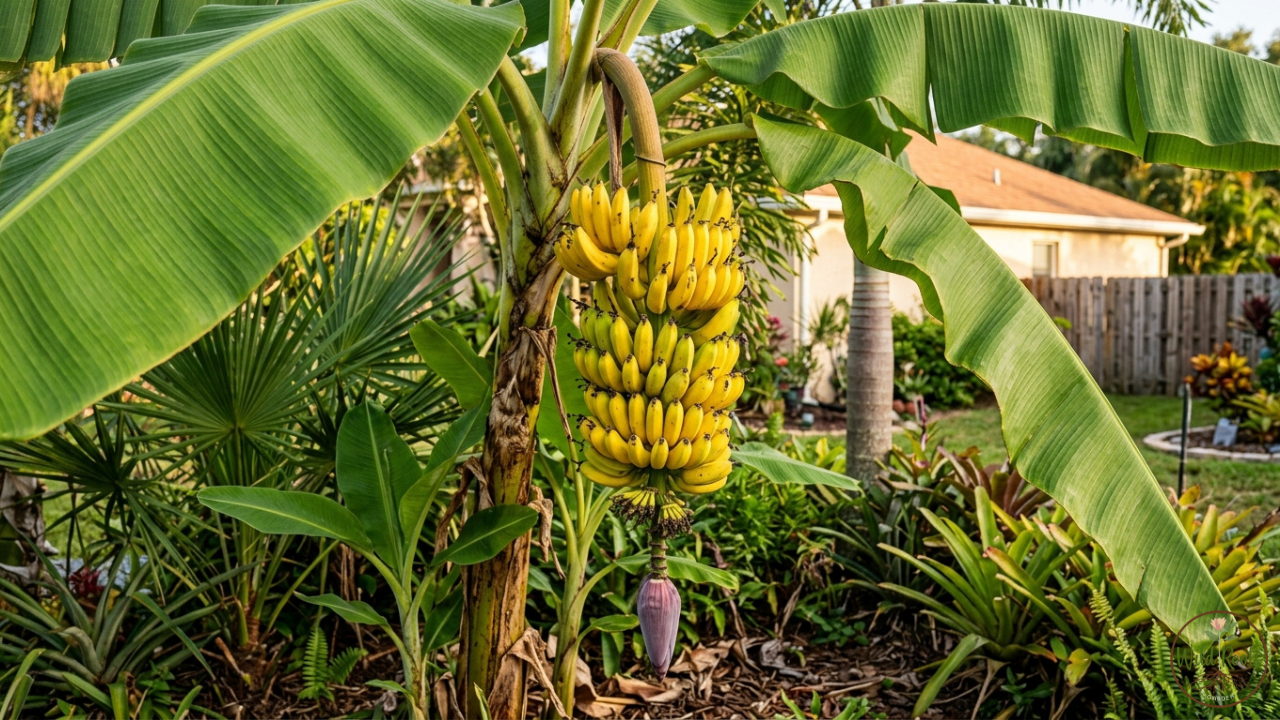
Bananas are ready to harvest when the fruit turns yellow with small brown spots. The skin should feel firm, not soft. The bananas often curve slightly upward. The flower at the end of the banana bunch will dry and fall off. These signs show the bananas are ripe and sweet.
Harvesting Techniques
Use a sharp knife or pruning shears to cut the banana bunch from the plant. Cut the stalk carefully to avoid damage. Hold the bunch with both hands to prevent dropping. Harvest in the morning or late afternoon to avoid heat stress. After cutting, hang the bunch in a cool, shaded place to ripen fully.
Culinary Uses And Recipes
Fresh bananas can be eaten raw or added to smoothies. Use ripe bananas to make bread, muffins, or pancakes. Slice bananas on cereal or yogurt for a healthy breakfast. Grill or fry bananas for a tasty dessert. Bananas also work well in salads and fruit bowls.
Troubleshooting Common Problems
Growing bananas in Southwest Florida brings joy and fresh fruit to your garden. Yet, some common problems can affect your banana plants. Understanding how to identify and fix these issues helps you keep healthy plants and good harvests. This section covers key troubles and practical tips to manage them effectively.
Dealing With Freeze Damage
Banana plants are sensitive to cold temperatures. In Southwest Florida, occasional freezes can harm leaves and stems. After a freeze, cut damaged leaves close to the ground. Avoid cutting healthy green parts. Cover plants with frost cloths before cold nights to protect them. Mulch around the base to keep roots warmer. New growth should appear in a few weeks if the plant survives.
Nutrient Deficiencies
Bananas need rich soil with balanced nutrients. Yellowing leaves often signal nitrogen deficiency. Add a balanced fertilizer with nitrogen, potassium, and phosphorus. Magnesium deficiency shows as yellow spots between leaf veins. Epsom salt sprinkled around the plant can help. Regular feeding during the growing season keeps bananas strong and productive. Test your soil yearly to adjust nutrients properly.
Managing Pests And Diseases
Banana plants face pests like aphids, spider mites, and banana weevils. Inspect leaves and stems regularly for small bugs or webs. Use insecticidal soap to control pests safely. Fungal diseases such as Panama disease can harm plants. Remove and destroy infected parts immediately. Keep plants spaced well to improve air circulation. Healthy soil and clean tools reduce disease risk.
Conclusion
Choosing the right banana variety helps ensure a healthy garden in SW Florida. Dwarf Cavendish and Lady Finger perform well in this climate. These bananas resist disease and produce tasty fruit. Planting at the right time boosts growth and yield.
Regular care keeps your banana plants strong and fruitful. Enjoy fresh bananas grown right in your backyard. Start small and watch your garden thrive over time. Growing bananas in SW Florida can be simple and rewarding.