If you’re ready to grow bell peppers right in your Florida garden, you might be wondering which varieties will thrive in the Sunshine State’s unique climate. Not all bell peppers handle Florida’s heat and humidity well, but choosing the right types can make your gardening experience much more rewarding.
Imagine harvesting crisp, colorful peppers that grow strong despite the summer sun—sounds great, right? You’ll discover the best bell peppers to grow in Florida, how to care for them, and tips to boost your harvest. Keep reading to turn your garden into a vibrant bell pepper paradise!
Florida Climate And Bell Peppers
Florida’s warm and humid climate offers both opportunities and challenges for growing bell peppers. The state’s long growing season allows multiple harvests, but intense heat can stress the plants. Understanding how peppers react to Florida’s weather helps gardeners choose the best varieties and care methods. Successful bell pepper growth depends on managing heat, timing plantings, and meeting soil and water needs.
Heat Challenges For Peppers
Bell peppers struggle in extreme heat. Temperatures above 85°F can slow fruit development. High heat causes flowers to drop before fruit forms. Peppers need cooler nights to set fruit well. Florida’s summer heat can reduce yields and cause sunscald on fruits. Choosing heat-tolerant varieties helps plants survive these conditions. Providing shade during peak heat hours also protects the plants.
Seasonal Planting Windows
Timing is key to growing peppers in Florida. Plant peppers in early spring for a late spring to early summer harvest. Another good window is late summer for fall harvests. Avoid planting in the hottest months of June and July. These months bring heat that stresses young plants. Planting at the right time helps peppers avoid heat stress and produces better fruit.
Soil And Water Needs
Bell peppers need well-draining soil rich in organic matter. Florida’s sandy soil requires amendments to improve moisture retention. Regular watering keeps soil evenly moist but not waterlogged. Overwatering causes root problems and less fruit. Mulching helps retain soil moisture and control weeds. Balanced fertilization supports healthy growth and fruit production. Proper soil and water care boosts pepper health and yield.
Top Bell Pepper Varieties For Florida
Choosing the right bell pepper variety for Florida is key to a successful harvest. The state’s warm climate and humidity require peppers that can handle heat and resist disease. Some varieties thrive better here than others. These top bell pepper types suit Florida gardens well.
They offer good yields, vibrant colors, and sweet flavors. Below are the best choices for growing bell peppers in Florida.
California Wonder
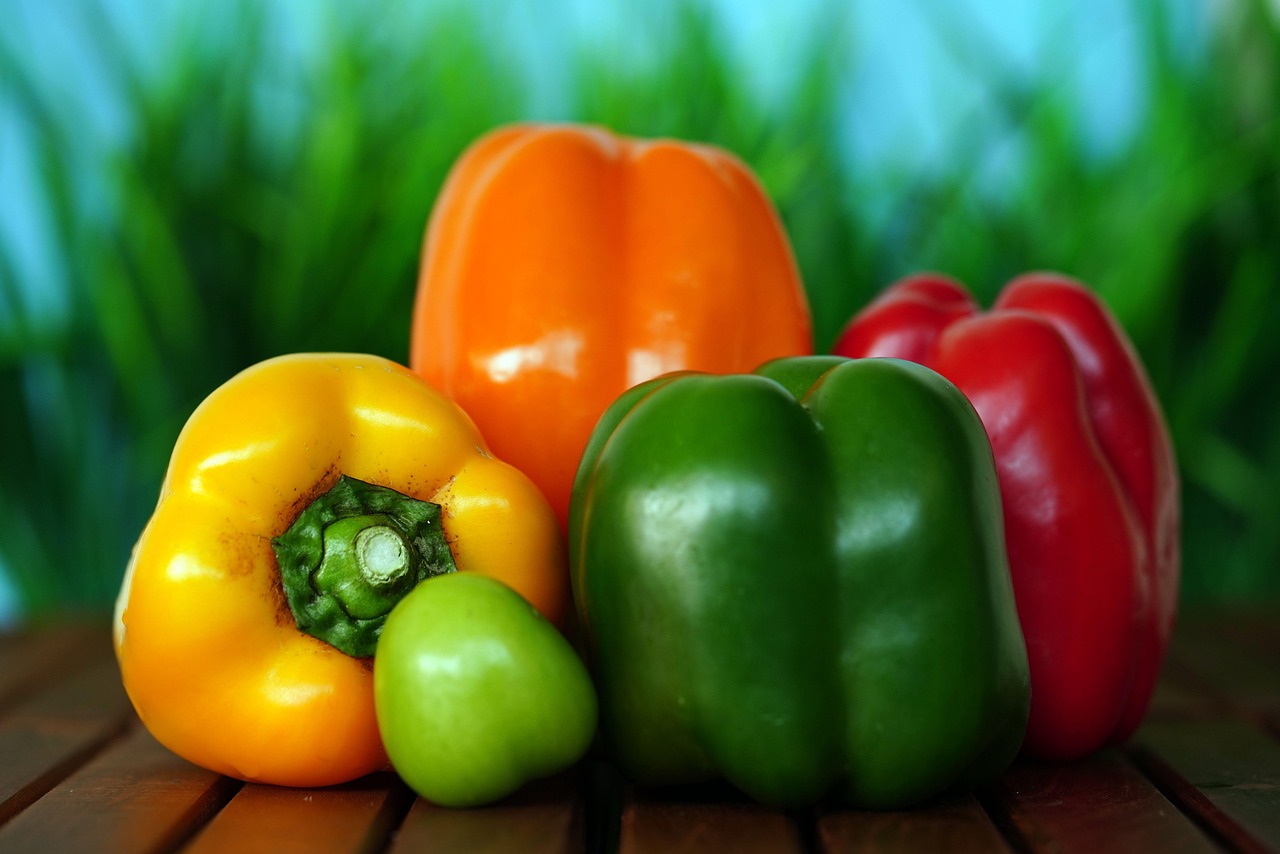
California Wonder is a classic bell pepper variety. It produces large, blocky fruits that turn bright green, then red. This type grows well in Florida’s warm climate. It resists common diseases and has a crisp, sweet taste. It is perfect for fresh eating or cooking.
Red Knight
Red Knight peppers are heat-tolerant and disease-resistant. They grow medium to large fruits that ripen to a deep red. This variety handles Florida’s humidity well. The peppers have a sweet flavor and thick walls. They are great for salads, grilling, and stuffing.
Big Bertha
Big Bertha is known for its huge, blocky peppers. The fruits mature from green to red and have thick flesh. This variety performs well in Florida gardens. It tolerates heat and produces high yields. The peppers are sweet and perfect for fresh use or cooking.
Marzano
Marzano peppers have an elongated shape and bright red color. They thrive in warm climates like Florida’s. This variety is flavorful and slightly sweet. Marzano peppers are often used in sauces and cooking. They also resist many common diseases.
Heat-tolerant Sweet Peppers
Some bell peppers are bred specifically for heat tolerance. These varieties keep producing even in Florida’s hot weather. They stay sweet and crisp despite the heat. Growing heat-tolerant peppers reduces stress on plants. This leads to bigger, better fruits all season long.
Selecting Seeds And Seedlings
Selecting the right seeds and seedlings is crucial for growing bell peppers in Florida. The climate challenges require careful choices to ensure healthy plants and good harvests. Understanding how to pick disease-resistant varieties, start seeds indoors, and buy healthy seedlings improves success.
Choosing Disease-resistant Types
Disease-resistant bell pepper seeds help plants stay strong. Florida’s warm and humid climate can cause fungal and bacterial problems. Select seeds labeled as resistant to common issues like bacterial spot and wilt. These varieties reduce the need for chemicals and lower crop loss risks.
Starting Seeds Indoors
Starting seeds indoors gives young plants a head start. Use seed trays or small pots with quality seed-starting mix. Keep the soil moist but not soaked. Maintain warm temperatures near 75-80°F for faster germination. Indoor starting avoids pests and harsh weather early on.
Purchasing Healthy Seedlings
Choose seedlings with sturdy stems and dark green leaves. Avoid plants that look yellow, wilted, or have spots. Healthy seedlings adapt better when moved outside. Purchase from trusted local nurseries to get plants suited for Florida’s conditions.
Planting Tips For Florida Gardens
Growing bell peppers in Florida requires special care. The state’s warm climate affects planting and growth. Follow these planting tips to help your peppers thrive in Florida gardens. Proper timing, spacing, and soil preparation are key to a healthy harvest.
Ideal Planting Times
Plant bell peppers in Florida during cooler months. The best time is from late winter to early spring. This avoids the hottest summer days, which can stress plants. In North Florida, plant from February to April. In South Florida, you can start as early as January. This timing helps peppers develop fully before heat arrives.
Spacing And Depth
Space bell pepper plants 18 to 24 inches apart. Give each plant room to grow and get enough sunlight. Plant seeds or seedlings about 1/4 inch deep in the soil. Seedlings should be planted slightly deeper to support strong roots. Proper spacing improves air circulation and reduces disease risk.
Soil Preparation
Bell peppers prefer well-drained, fertile soil. Before planting, add organic compost to enrich the soil. Check soil pH; aim for 6.0 to 6.8 for best growth. Loosen soil to about 8 inches deep to help roots spread. Avoid heavy clay or sandy soils without amendments. Healthy soil boosts plant vigor and fruit quality.
Care And Maintenance
Caring for bell peppers in Florida requires attention to water, nutrients, and pest control. Proper care helps plants thrive in the warm climate. Healthy plants produce more and better-quality peppers. Follow simple steps to maintain your pepper plants effectively.
Watering Strategies
Bell peppers need consistent moisture for steady growth. Water deeply once or twice a week depending on rainfall. Avoid overwatering to prevent root rot and fungal issues. Early morning watering reduces evaporation and keeps leaves dry. Mulch around plants to retain soil moisture and reduce weeds.
Fertilizing For Growth
Use a balanced fertilizer to supply essential nutrients. Apply fertilizer every 4 to 6 weeks during the growing season. Choose one higher in phosphorus for strong roots and flowering. Avoid too much nitrogen, which causes leafy growth but fewer peppers. Follow package instructions to prevent nutrient burn.
Managing Pests And Diseases
Regularly inspect plants for pests like aphids and spider mites. Use insecticidal soap or neem oil for safe pest control. Remove damaged or infected leaves to stop disease spread. Practice crop rotation to reduce soil-borne diseases. Keep garden clean and avoid overhead watering to limit fungal problems.
Maximizing Yield In Hot Weather
Growing bell peppers in Florida’s hot weather requires smart strategies to boost yield. High temperatures can stress plants and reduce fruit production. Taking steps to protect peppers from intense heat helps keep plants healthy and productive. Focus on practices that maintain soil moisture and reduce heat impact. This section covers effective methods to maximize your pepper harvest under Florida’s sun.
Mulching And Shade
Mulch covers the soil around pepper plants. It keeps soil cooler and retains moisture longer. Organic mulches like straw or wood chips work best. Mulching also prevents weeds that compete for water and nutrients. Providing shade during peak sun hours protects peppers from heat damage. Use shade cloth or place plants near taller crops. Partial shade lowers leaf temperature and reduces water loss.
Heat Stress Solutions
Heat stress causes leaf wilting and fewer fruits. Water peppers deeply and regularly to avoid drought stress. Avoid watering leaves; focus on the soil to prevent disease. Apply foliar sprays with seaweed extract or anti-transpirants to help plants cope. Choose heat-tolerant pepper varieties adapted to Florida’s climate. These varieties keep producing even under high heat.
Harvest Timing
Harvest bell peppers early in the morning when temperatures are cooler. Pick peppers before they become overripe to encourage new growth. Regular harvesting prevents fruit from rotting on the plant. Timely harvest also reduces stress on the plant. Monitor fruit color and size closely to pick at the best time. Proper timing leads to a higher overall yield.
Alternatives To Bell Peppers In Florida
Bell peppers can be tricky to grow in Florida’s hot and humid climate. Many gardeners find it challenging to get good yields. Luckily, several alternatives thrive better in this environment. These options offer variety and flavor for your garden and kitchen. Consider these alternatives to bell peppers for a successful Florida garden.
Heat-loving Hot Peppers
Hot peppers love Florida’s warm weather. Varieties like jalapeño, habanero, and cayenne grow well here. They handle heat and humidity better than bell peppers. These peppers add spice to meals and are easy to grow. They also resist many common pests and diseases. Growing hot peppers can be a fun way to spice up your garden.
Ornamental Pepper Options
Ornamental peppers bring color and interest to your garden. They produce small, bright peppers in red, yellow, and orange. These peppers are edible but often very spicy or bitter. They grow well in Florida and need little care. Ornamental peppers also attract beneficial insects. Use them to add beauty and variety to your garden beds or pots.
Other Easy Florida Vegetables
Many other vegetables thrive in Florida’s climate. Try growing okra, sweet potatoes, or eggplant. These crops tolerate heat and humidity well. Leafy greens like kale and collards also grow easily in cooler months. Root vegetables such as radishes and carrots do well in sandy Florida soil. These vegetables make excellent additions to your garden alongside peppers.
Conclusion
Growing bell peppers in Florida can be rewarding with the right choices. Select heat-tolerant varieties like ‘California Wonder’ or ‘Red Knight’ for better results. These peppers handle Florida’s warm climate and produce sweet, crisp fruits. Remember to water regularly and provide some shade during the hottest hours.
With patience and care, your garden will thrive. Enjoy fresh, homegrown bell peppers all season long. Happy planting!