If you’ve ever dreamed of creating a charming, colorful garden right outside your door, a cottage garden might be just what you need. But gardening in Florida comes with its own unique challenges—from the heat to the humidity.
That’s why choosing the right plants is key to building a beautiful, low-maintenance garden that thrives year-round. In this post, you’ll discover the top 10 best cottage garden plants perfectly suited for Florida’s climate. These plants not only bring vibrant colors and delightful scents but also make caring for your garden easier and more enjoyable.
Ready to transform your outdoor space into a cozy floral retreat? Keep reading to find the perfect plants for your Florida cottage garden!
Cottage Garden Style In Florida
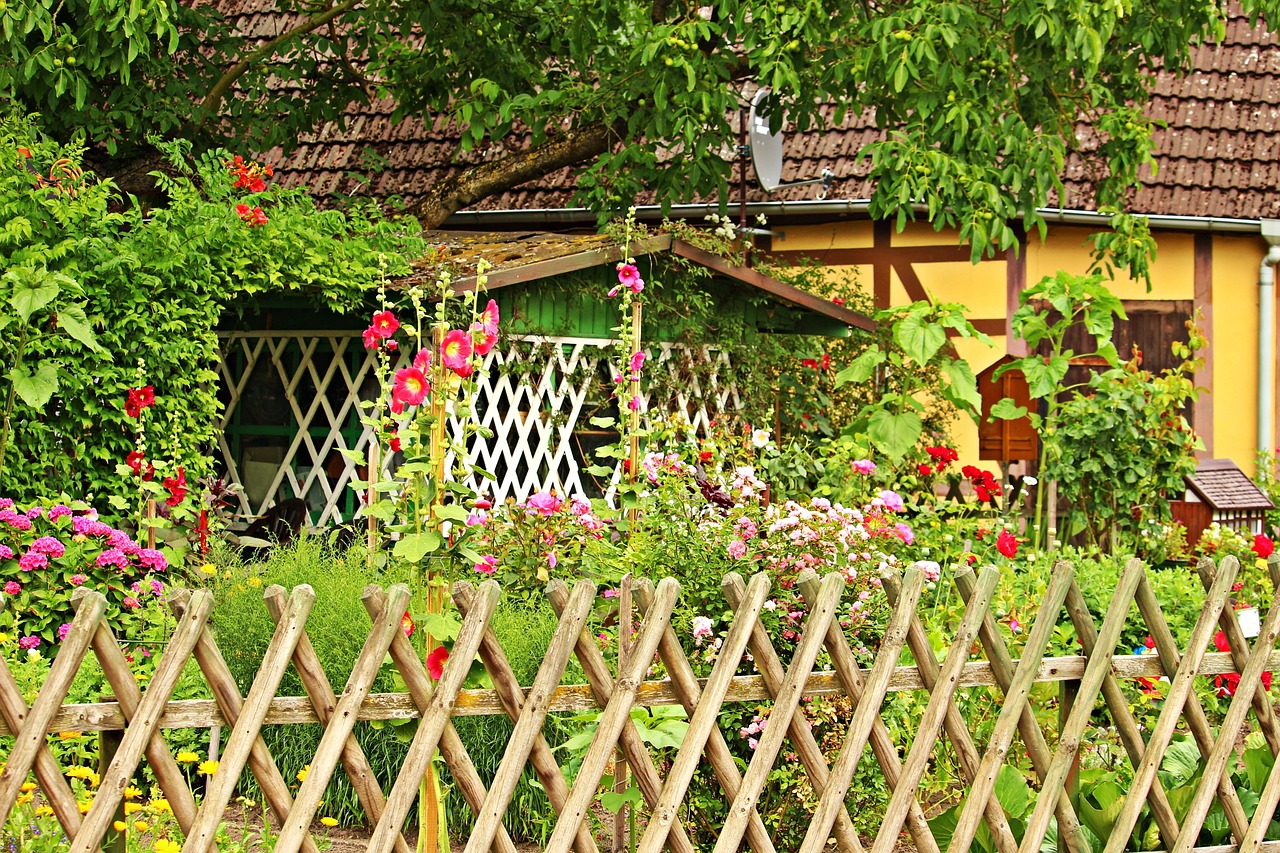
The cottage garden style in Florida blends charm with natural beauty. It creates a relaxed and inviting outdoor space. This style features a mix of flowers, herbs, and shrubs that grow in a seemingly casual way. The goal is a colorful, lush garden full of life and texture.
Florida’s unique climate and soil shape the choices for a successful cottage garden. Plant selections must thrive in warm temperatures and varying humidity. Understanding these factors helps maintain a garden that stays healthy and vibrant year-round.
Climate And Soil Considerations
Florida has a warm, humid climate with mild winters. Many areas face heavy rainfall and sandy, acidic soil. These conditions affect plant growth and garden design. Choose plants that handle heat and moisture well. Improving soil with organic matter helps plants thrive. Proper drainage prevents root rot in wet seasons. Sun exposure varies, so select plants for full sun or shade accordingly.
Choosing Native Vs Non-native Plants
Native plants adapt naturally to Florida’s environment. They need less water and care. Native species support local wildlife and pollinators. Non-native plants add variety and color but may require more maintenance. Avoid invasive plants that harm ecosystems. Mixing native and non-native plants creates a balanced and vibrant garden. Focus on plants with similar water and light needs to keep the garden healthy.
Key Features Of Cottage Gardens
Cottage gardens have a charming, relaxed style. They blend colors, textures, and shapes naturally. This style creates a welcoming and lively outdoor space. The key features of cottage gardens make them unique and easy to grow in Florida’s climate.
These gardens often show a mix of flowering plants and greenery. They focus on variety and fullness rather than strict order. This approach helps attract pollinators and creates a peaceful environment. Cottage gardens also offer practical benefits by including edible plants. This adds interest and usefulness to the garden.
Plant Layering And Mix
Layering plants is a key part of cottage gardening. Taller plants go in the back or center. Medium height plants fill the middle space. Low-growing plants cover the edges and paths. This mix creates depth and a natural flow.
Different textures and colors add to the garden’s charm. Mixing flowering plants with leafy greens keeps the garden lively. It also supports local wildlife like bees and butterflies. Plant layering helps the garden look full and vibrant all year.
Incorporating Edibles
Edible plants fit well into cottage gardens. Herbs, vegetables, and fruits add both beauty and function. Plants like tomatoes, peppers, and basil thrive in Florida’s warm climate.
Including edibles means you get fresh food and colorful blooms. This mix creates a garden that is both useful and lovely. Edibles also attract beneficial insects, helping the garden stay healthy. Cottage gardens with edibles invite gardeners to enjoy nature and harvest.
Top 10 Cottage Garden Plants For Florida
Cottage gardens offer a charming, relaxed style perfect for Florida’s warm climate. Choosing the right plants helps create a vibrant, colorful space. These plants thrive well under Florida’s sun and humidity. They add texture, color, and fragrance to your garden.
Here are the top 10 cottage garden plants suitable for Florida gardens. Each plant brings beauty and ease of care.
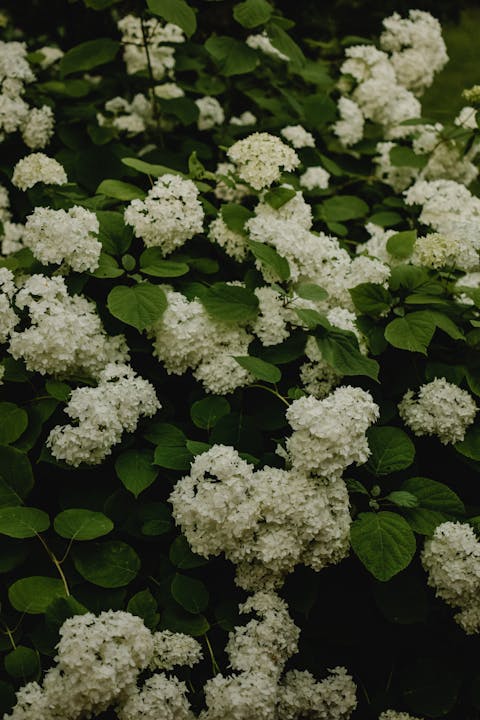
Hydrangea
Hydrangeas produce large, beautiful flower clusters. They prefer partial shade and moist soil. These plants bloom in pink, blue, or white shades. Hydrangeas add softness and volume to any garden bed.
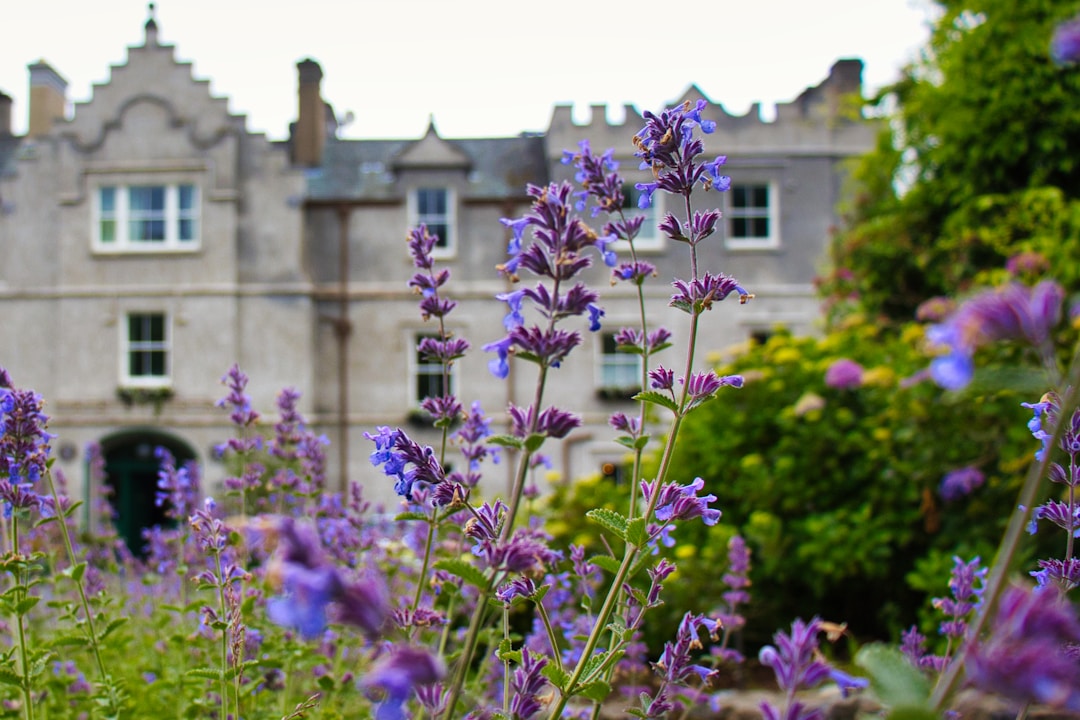
Catmint
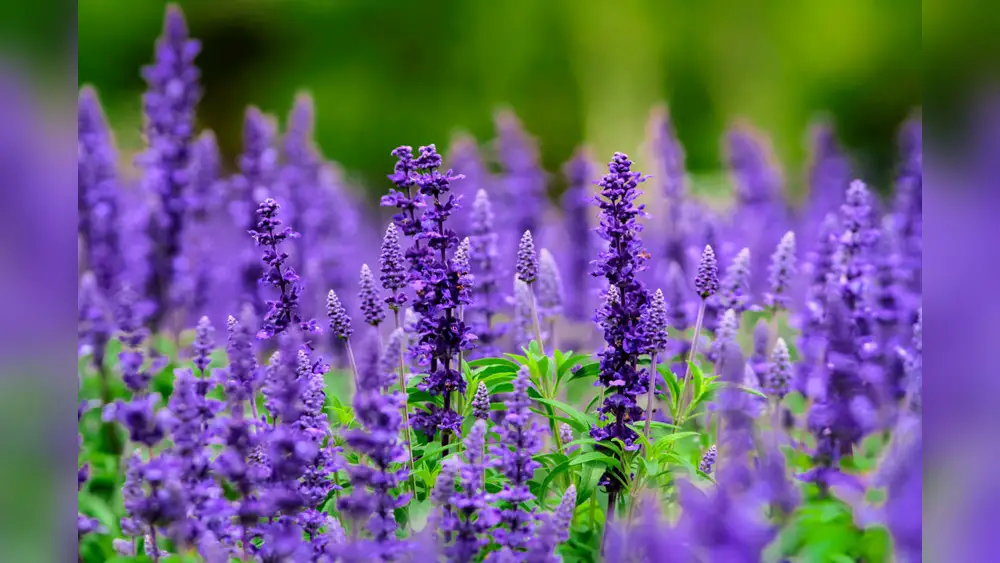
Catmint grows quickly and spreads easily. It has small purple-blue flowers and gray-green leaves. This plant attracts butterflies and bees. Catmint is drought-tolerant and low-maintenance.
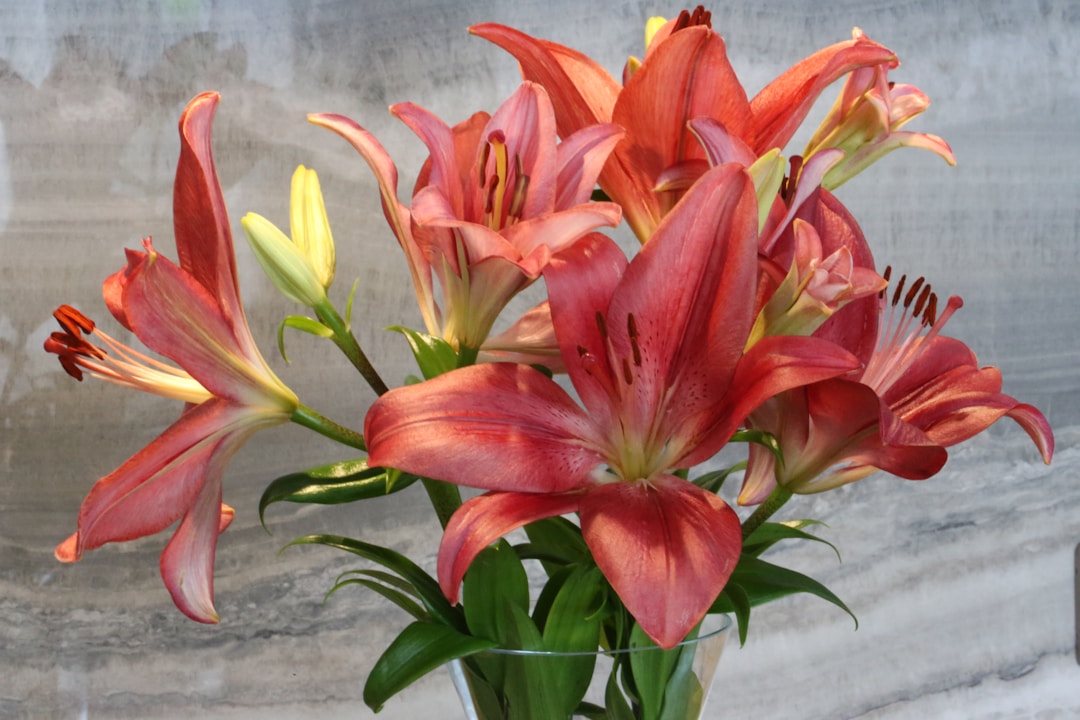
Daylily
Daylilies come in many colors and shapes. They bloom all summer long with minimal care. Daylilies thrive in full sun to partial shade. Their long-lasting flowers brighten any garden corner.
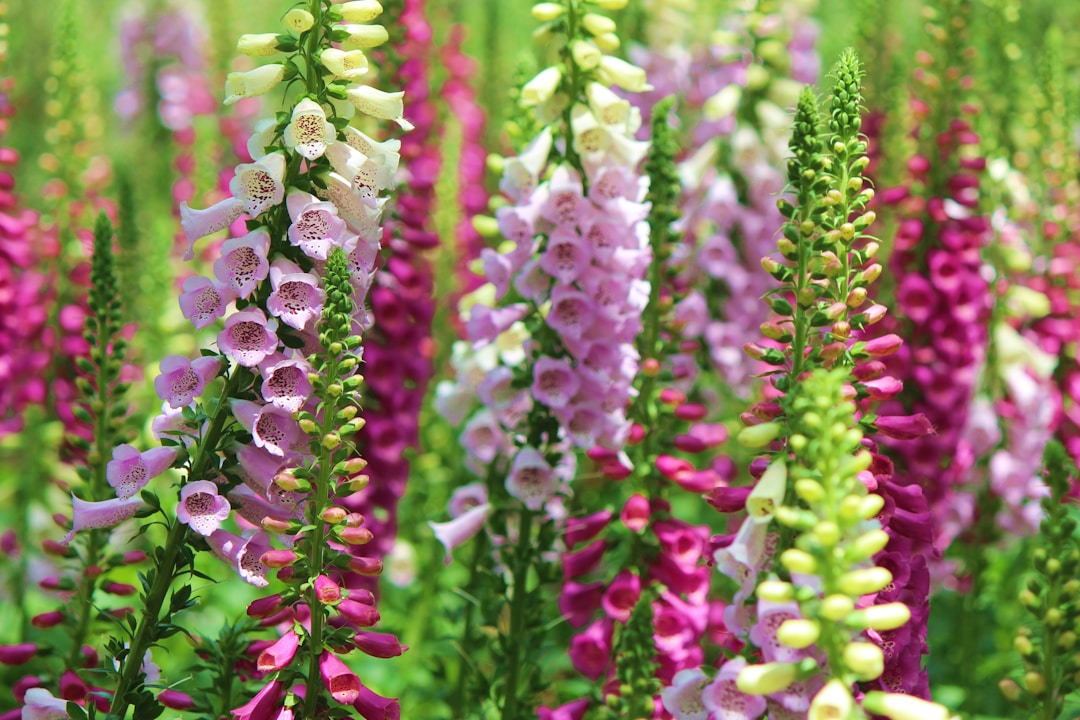
Foxglove
Foxgloves produce tall spikes of bell-shaped flowers. They grow well in partial shade. Foxglove flowers attract hummingbirds and bees. They add vertical interest and old-world charm.
Iris
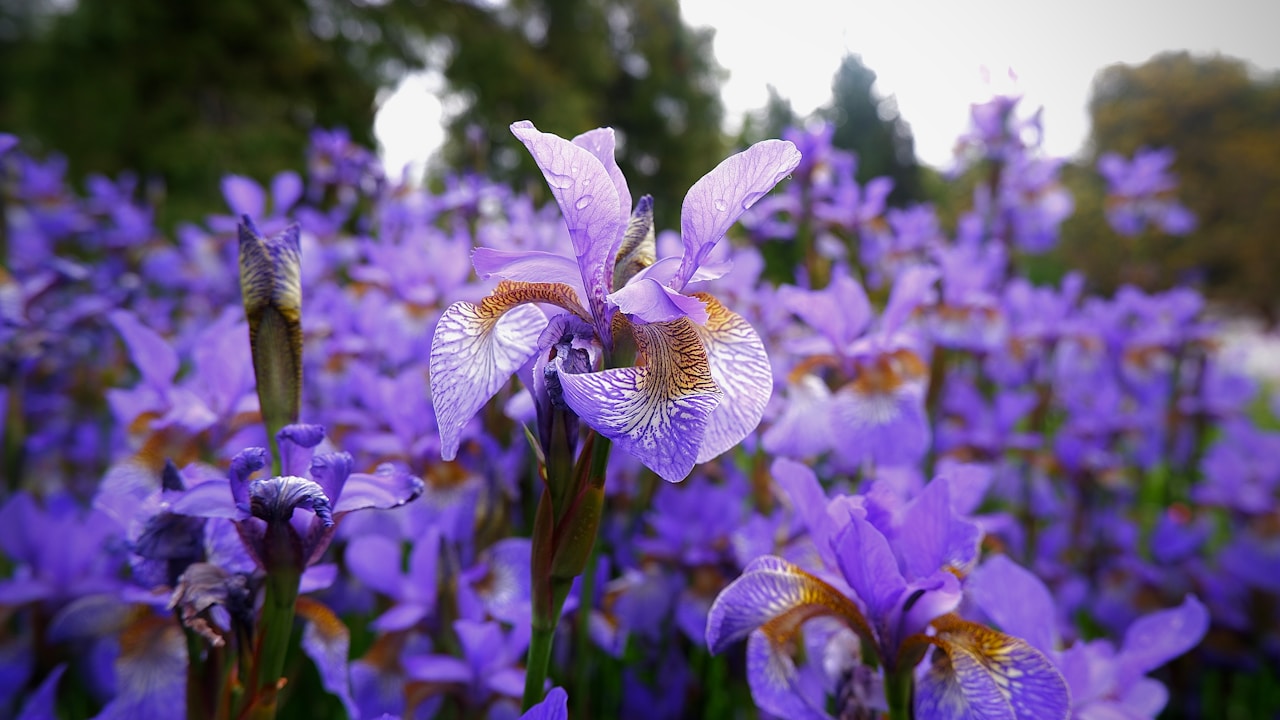
Iris plants feature striking sword-shaped leaves and large blooms. They prefer full sun and well-drained soil. Iris flowers come in many vivid colors. They bloom in spring and early summer.
Lilac
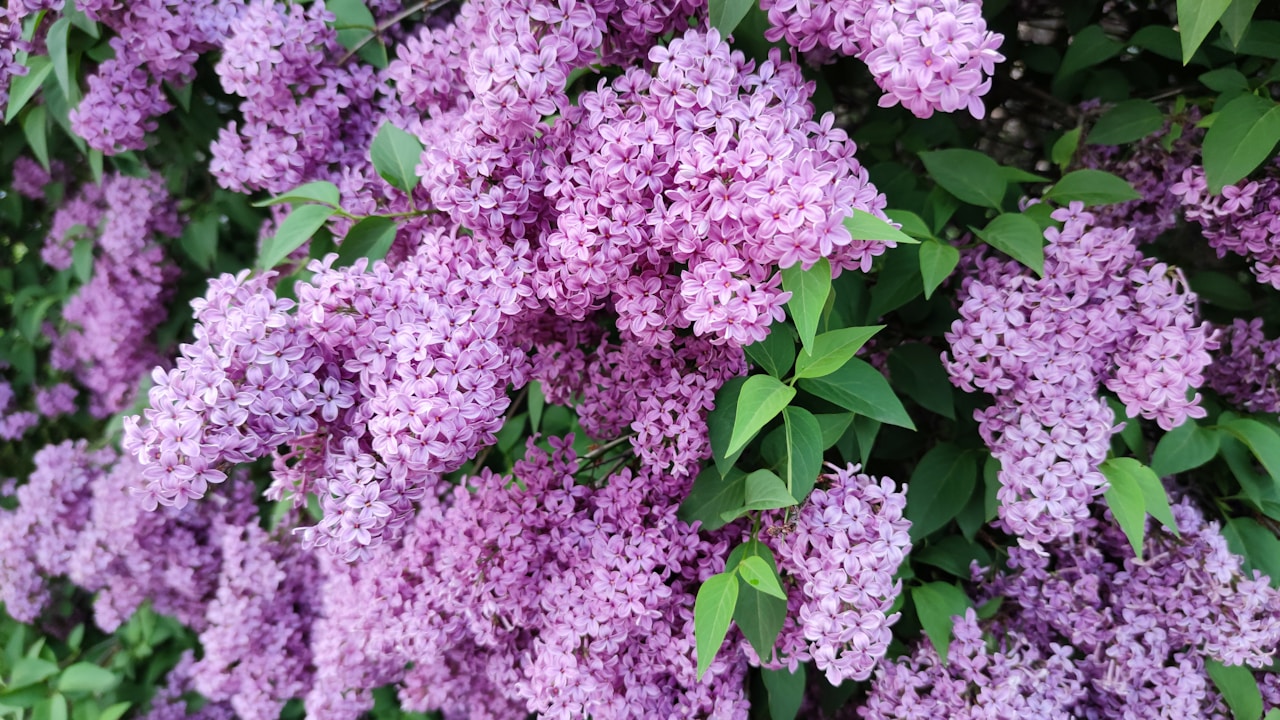
Lilacs offer a lovely fragrance and clusters of tiny flowers. They grow best in full sun. Lilacs bloom in spring with colors from purple to white. They add a sweet scent to your garden.
Stonecrop
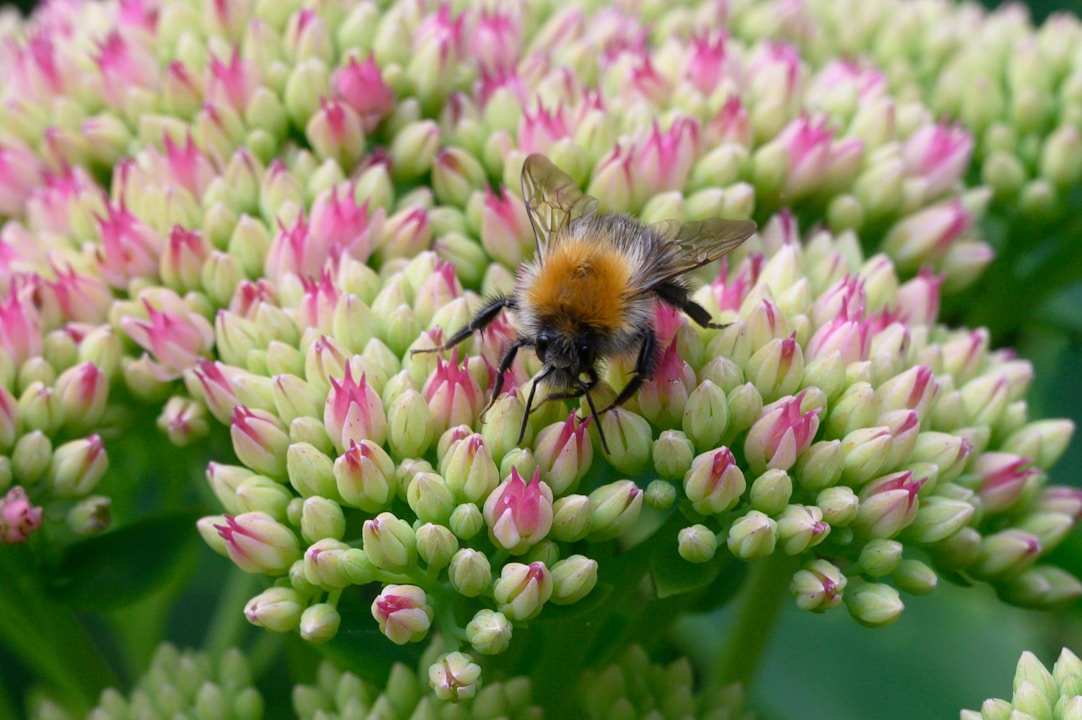
Stonecrop is a succulent with thick leaves and star-shaped flowers. It tolerates dry, sunny spots. Stonecrop is perfect for ground cover or rock gardens. It requires very little water or care.
Yarrow
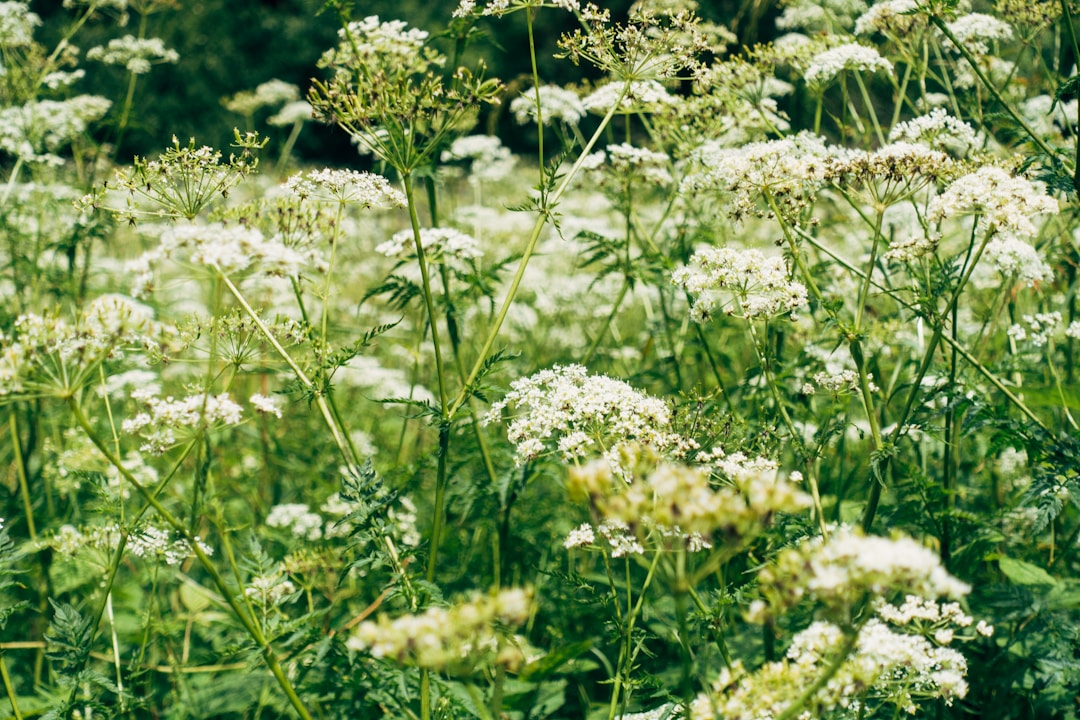
Yarrow displays flat-topped clusters of small flowers. It thrives in full sun and dry soil. Yarrow attracts beneficial insects and repels pests. Its fern-like leaves add texture to the garden.
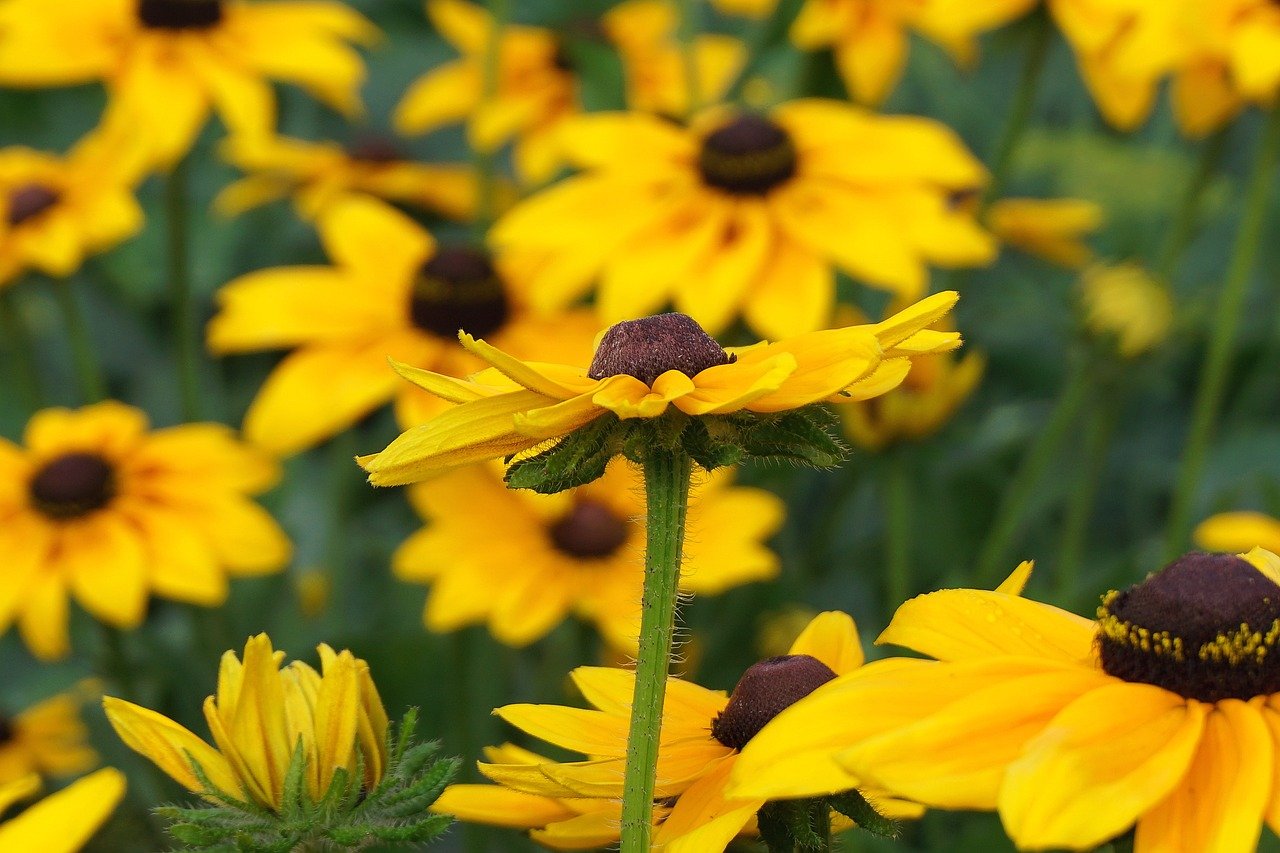
Coneflower
Coneflowers have daisy-like petals and prominent central cones. They bloom from early summer to fall. Coneflowers attract butterflies and bees. They tolerate heat and drought very well.
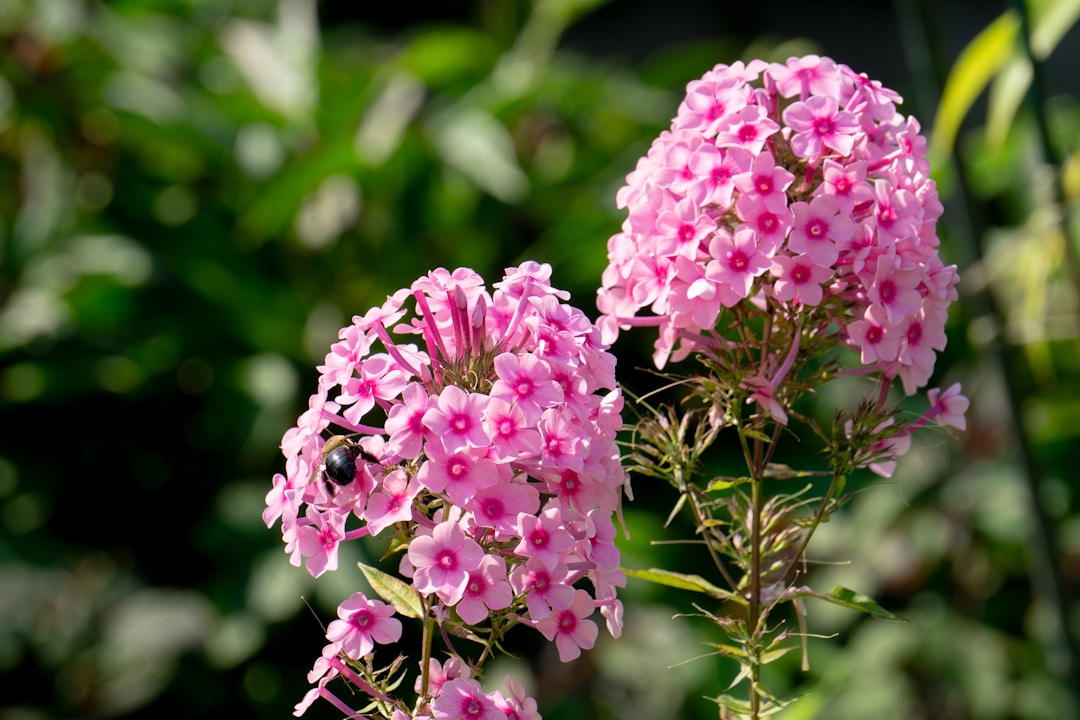
Phlox
Phlox plants produce colorful clusters of small flowers. They grow best in full sun to partial shade. Phlox blooms attract pollinators and brighten shady spots. Their fragrance adds a sweet touch to gardens.
Low-maintenance Plant Choices
Choosing low-maintenance plants simplifies garden care and saves time. These plants thrive with little water and minimal pruning. They suit Florida’s warm climate and soil. Such plants keep your cottage garden colorful and healthy with less effort. Ideal for busy gardeners or beginners seeking beauty without hassle.
Drought-tolerant Options
Drought-tolerant plants survive dry spells and need less watering. They thrive in Florida’s hot, sunny weather. Examples include Muhly Grass and Firebush. These plants have deep roots that store water efficiently. They reduce the need for daily watering, saving water and time. Their tough nature helps them resist heat stress. Perfect for eco-friendly gardens with natural beauty.
Pest-resistant Varieties
Pest-resistant plants suffer fewer insect attacks and diseases. They reduce the need for chemical sprays and extra care. Beautyberry and Yaupon Holly are excellent choices. These plants produce natural oils or scents that repel pests. Their strong leaves and stems withstand damage well. Growing pest-resistant varieties keeps your garden healthy and vibrant. It also supports local wildlife and pollinators naturally.
Seasonal Blooming And Color
Seasonal blooming and color create a vibrant and dynamic cottage garden in Florida. Choosing plants that flower at different times ensures your garden stays lively year-round. The changing colors bring fresh beauty as the seasons shift. A mix of early bloomers and late bloomers keeps your garden attractive through spring, summer, fall, and winter.
Plants For Spring And Summer
Spring and summer offer a wide range of colorful blooms. Hibiscus adds large, bright flowers that attract hummingbirds. Pentas provide clusters of star-shaped flowers in pink, red, and white. Blanket flower thrives in Florida heat with bold yellow and red petals. Lantana blooms continuously and draws butterflies. Coreopsis produces cheerful yellow flowers that brighten any space. These plants handle Florida’s warm spring and summer well and keep the garden full of life.
Fall And Winter Blooms
Fall and winter bring cooler temperatures and a new palette of colors. Muhly grass stands out with its pink-purple feathery plumes in fall. Firebush produces red-orange flowers that attract pollinators late in the year. Beautyberry offers striking purple berries that add color even after flowers fade. Camellias bloom in winter with delicate pink or white flowers. These plants help maintain garden interest and color during Florida’s mild winter months.
Design Tips For Florida Cottage Gardens
Designing a cottage garden in Florida blends charm with nature’s beauty. It embraces informal planting and a relaxed style. The key is to balance color, texture, and form. This creates a lush, inviting space that feels natural and full of life.
Florida’s climate calls for smart choices in plant selection and garden layout. The goal is to create a cozy, vibrant garden that thrives in heat and humidity. Thoughtful design ensures plants grow well and the garden stays beautiful year-round.
Plant Grouping And Spacing
Group plants with similar water and sunlight needs together. This helps keep care simple and efficient. Space plants properly to allow air flow and healthy growth. Overcrowding can cause disease and weak plants.
Mix tall, medium, and low plants for a layered look. Use colorful flowers and varied leaf shapes to add interest. Native and drought-tolerant plants suit Florida gardens best. This reduces water use and supports local wildlife.
Using Pathways And Garden Structures
Pathways guide visitors and define garden areas. Use natural materials like stone or mulch for a rustic feel. Curved paths create a sense of discovery and softness in the garden.
Garden structures add height and focal points. Trellises, arbors, and benches enhance the cottage garden style. They support climbing plants like jasmine or honeysuckle. These features invite relaxation and enjoyment of the garden’s beauty.
Soil And Watering Practices
Soil and watering practices are vital for a thriving cottage garden in Florida. The state’s sandy soil and warm climate require special care. Understanding how to improve soil and use water efficiently helps plants grow strong and healthy. This section covers key tips for soil and watering.
Improving Florida Soil
Florida soil often lacks nutrients and drains quickly. Adding organic matter like compost or peat moss boosts soil quality. It helps retain moisture and feeds plant roots. Mixing in aged manure or mulch improves texture and fertility. Regular soil testing guides nutrient adjustments. Use lime to reduce soil acidity if needed. Healthy soil supports vibrant and long-lasting cottage garden plants.
Efficient Irrigation Methods
Watering correctly saves water and prevents plant stress. Drip irrigation delivers water directly to roots, reducing evaporation. Soaker hoses spread water evenly and keep leaves dry. Water early in the morning to reduce water loss. Mulching around plants keeps soil moist longer. Avoid overwatering, which can cause root rot. Efficient irrigation promotes strong growth and conserves resources in Florida gardens.
Common Challenges And Solutions
Cottage gardens in Florida face unique challenges due to the state’s warm climate and diverse environment. Common issues include intense heat, high humidity, and a variety of pests and diseases. Understanding these challenges helps gardeners keep their plants healthy and vibrant. Below are practical solutions for two major concerns.
Dealing With Heat And Humidity
Florida’s heat can stress plants, causing wilting and poor growth. Choose heat-tolerant plants that thrive in warm conditions. Water plants early in the morning to reduce evaporation. Mulching helps keep soil cool and retains moisture. Avoid overwatering, which can lead to root problems. Provide some shade during the hottest part of the day if possible. Good air circulation reduces humidity around plants, lowering disease risks.
Managing Pests And Diseases
Pests like aphids, whiteflies, and spider mites are common in Florida gardens. Inspect plants regularly to catch infestations early. Use natural predators, such as ladybugs, to control pests without chemicals. Remove damaged or diseased leaves to stop spread. Choose disease-resistant plant varieties to reduce problems. Proper spacing between plants improves airflow and reduces fungal infections. Organic sprays like neem oil offer safe pest control options.
Incorporating Wildlife-friendly Plants
Incorporating wildlife-friendly plants into your Florida cottage garden creates a lively and balanced ecosystem. These plants provide food and shelter for many creatures. Your garden becomes a haven for local wildlife while staying beautiful and natural. Selecting the right plants helps support pollinators and beneficial insects crucial for healthy gardens.
Attracting Pollinators
Pollinators like bees, butterflies, and hummingbirds visit flowers to collect nectar. Planting native blooms with bright colors and sweet scents draws them in. Choose plants that bloom at different times to offer food year-round. This encourages pollinators to visit often and helps your plants produce fruits and seeds. Examples include milkweed, coneflowers, and salvia, all suited for Florida gardens.
Supporting Beneficial Insects
Beneficial insects control pests naturally, reducing the need for chemicals. Ladybugs, lacewings, and parasitic wasps feed on harmful bugs like aphids. Planting herbs such as dill, fennel, and parsley attracts these helpful insects. Providing diverse plants with varied shapes and heights creates shelter and breeding spaces. This balance keeps your garden healthy and thriving without extra work.
Credit: m.yelp.com
Frequently Asked Questions
What Are The Best Low-maintenance Plants For Cottage Gardens?
Best low-maintenance cottage garden plants include catmint, daylily, foxglove, hydrangea, iris, lilac, stonecrop, and yarrow. Choose native plants for easier care.
What Flowers Bloom The Longest In A Cottage Garden?
Catmint, daylily, foxglove, hydrangea, iris, lilac, stonecrop, and yarrow bloom longest in cottage gardens. These plants provide continuous color.
What Are The Best Low-maintenance Landscaping Plants For Florida?
Best low-maintenance Florida plants include Muhly Grass, Saw Palmetto, Firebush, Beautyberry, and Yaupon Holly. They thrive in heat and require minimal care.
What Grows Well In A Garden In Florida?
Tomatoes, sweet potatoes, okra, peppers, eggplant, southern peas, Malabar spinach, cassava, and tropical flowers grow well in Florida gardens.
Conclusion
Choosing the right plants makes your Florida cottage garden thrive. These ten plants suit Florida’s climate well. They bring color, texture, and charm to your space. Most require little care and stay healthy. Native plants also support local wildlife and soil health.
Start with these favorites and watch your garden bloom. Enjoy the beauty and peace your garden creates. Gardening in Florida can be simple and rewarding. Happy planting!