If you’re wondering what crops grow best in Florida, you’re in the right place. Florida’s warm climate and long growing season give you unique opportunities to grow a wide variety of fruits and vegetables.
But not every crop thrives in the heat and humidity. Knowing which plants flourish in Florida’s soil and weather can save you time, money, and frustration. You’ll discover the best crops to grow year-round, how to handle Florida’s summer heat, and tips to get a bountiful harvest.
Ready to make your garden a success? Let’s dig in and find out what grows best in Florida!
Credit: farmcreditcfl.com
Florida Climate And Soil
Florida offers a unique environment for growing many types of crops. Its climate and soil create ideal conditions for agriculture. Understanding these factors helps farmers and gardeners choose the best crops to plant. The state’s warm weather and diverse soil types influence plant growth significantly.
Weather Patterns Impacting Growth
Florida has a warm, humid climate with mild winters. Summers are hot and rainy, which supports fast plant growth. The state receives plenty of sunshine, essential for photosynthesis. Occasional storms and hurricanes can disrupt crops but also bring needed rainfall. Frost is rare, allowing year-round growing seasons in many areas.
Soil Types Across The State
Florida’s soil varies from sandy to clay-rich types. Sandy soils dominate coastal areas and drain quickly. Clay soils hold moisture but can be heavy and compact. Some regions have loamy soils, rich in nutrients and good for most crops. Soil acidity also changes across the state, affecting nutrient availability.
Preparing Soil For Planting
Proper soil preparation improves crop success. Testing soil pH helps determine if adjustments are needed. Adding organic matter boosts fertility and water retention. Tilling breaks up compacted soil and aerates roots. Mulching helps conserve moisture and control weeds. Regular soil care leads to healthier plants and better yields.
Heat-tolerant Vegetables
Florida’s warm climate suits many vegetables that thrive in heat. These heat-tolerant vegetables grow well even under the intense sun and high temperatures. They provide fresh produce throughout the hot months without much fuss. Growing these crops can be rewarding and keep your garden productive year-round.
Okra And Southern Peas
Okra loves Florida’s heat and grows quickly in full sun. It needs well-drained soil and regular watering. Southern peas, also known as cowpeas, are drought-tolerant and improve soil quality by fixing nitrogen. Both crops resist pests and diseases common in warm climates. They provide tasty pods and beans that are staples in Southern cooking.
Sweet Potatoes And Malabar Spinach
Sweet potatoes thrive in sandy, warm soil and need little care once established. They produce nutritious tubers rich in vitamins. Malabar spinach is a climbing plant that loves heat and humidity. It grows fast and provides leafy greens that taste fresh and slightly tangy. Both crops are ideal for Florida gardens with long, hot summers.
Eggplant, Peppers, And Melons
Eggplants enjoy hot weather and produce glossy purple fruits. Peppers also thrive in heat and come in many colors and flavors. Melons need warm soil and plenty of sunlight to ripen sweetly. These vegetables require regular watering but reward gardeners with abundant harvests. They add variety and color to any Florida garden.
Tropical Fruits For Florida Gardens
Florida’s warm climate suits many tropical fruits perfectly. Home gardeners enjoy growing these fruits for fresh, sweet harvests. Tropical fruits add color and flavor to any garden. They thrive in Florida’s sandy soil and humid air. Below are some popular tropical fruits that grow well in Florida gardens.
Mangoes And Papayas
Mango trees grow well in Florida’s frost-free zones. They need full sun and well-drained soil. Mangoes produce juicy, sweet fruits that ripen in summer. Papayas grow quickly and bear fruit within a year. They prefer warm, sunny spots and regular watering. Both fruits attract birds and butterflies to gardens.
Bananas And Pineapples
Banana plants flourish in Florida’s warm, humid climate. They grow fast and provide large, tasty fruit bunches. Pineapples prefer sunny, well-drained areas with slightly acidic soil. They take longer to fruit but are worth the wait. Both plants add a tropical feel and are easy to care for.
Citrus Varieties
Citrus trees like oranges, lemons, and limes thrive in Florida. They enjoy full sun and well-drained soil rich in nutrients. Citrus fruits are versatile for cooking and fresh eating. Regular watering and occasional fertilizing help boost fruit production. Citrus trees also provide fragrant blossoms and shade.
Seasonal Planting Guide
Florida’s climate changes with each season, affecting what crops thrive best. A clear seasonal planting guide helps gardeners plan wisely. Understanding the best crops for each part of the year leads to better harvests. This guide breaks down the ideal plants for spring, summer, fall, and winter in Florida.
Best Crops For Spring
Spring in Florida is warm but not too hot. This season suits vegetables like tomatoes, peppers, and cucumbers. Leafy greens such as lettuce and spinach also grow well. Herbs like basil and parsley thrive in spring. Planting these crops early gives them time to mature before summer heat arrives.
Summer Heat Survivors
Summer in Florida is hot and humid. Only tough crops can handle this extreme heat. Okra, sweet potatoes, and southern peas are great summer choices. Cherry tomatoes and Malabar spinach also tolerate the heat. These plants need plenty of water but reward you with fresh produce in tough conditions.
Fall And Winter Options
Fall and winter bring cooler, milder weather. This is perfect for planting root vegetables like carrots and radishes. Broccoli, cabbage, and cauliflower also grow well. This season is ideal for greens such as kale and collards. These crops enjoy the cooler soil and produce strong, healthy yields.
Raised Bed And Container Gardening
Raised bed and container gardening offer flexible options for growing crops in Florida. These methods allow control over soil quality and drainage. They suit Florida’s sandy soil and warm climate well. Gardeners can start small or expand easily with raised beds and containers.
Both raised beds and containers help protect plants from pests and weeds. They also improve accessibility, making gardening easier for all ages. These methods can extend growing seasons and increase yield in limited spaces.
Benefits For Florida Gardens
Raised beds warm faster in Florida’s mild winters. This lets you plant earlier in the season. They improve drainage, preventing root rot in Florida’s often wet soils. Containers allow moving plants to shaded areas during extreme heat. Both methods reduce soil compaction, helping roots grow better.
Soil in raised beds and containers can be enriched with compost and organic matter. This helps retain moisture, important in Florida’s sandy soils. The controlled environment also reduces weed growth and soil-borne diseases. These benefits lead to healthier plants and higher crop yields.
Crop Selection For Raised Beds
Choose crops suited to Florida’s warm climate for raised beds. Leafy greens like lettuce, kale, and spinach grow well. Tomatoes, peppers, and eggplants thrive with good drainage and soil. Root vegetables like carrots and radishes develop better in loose soil of raised beds.
Herbs such as basil, parsley, and cilantro do well in containers and raised beds. Beans and peas climb well with supports in raised beds. Consider crop rotation and companion planting to keep soil healthy. Select disease-resistant varieties for Florida’s humid conditions.
Maintenance Tips
Water raised beds and containers regularly to keep soil moist but not soggy. Mulch the soil surface to retain moisture and reduce weeds. Check for pests often and remove them by hand or use organic controls. Fertilize plants with balanced, slow-release fertilizer every few weeks.
Rotate crops each season to prevent soil nutrient depletion and disease buildup. Clean containers and raised beds after each growing cycle. Use well-draining soil mixes in containers to avoid waterlogging. Prune plants to improve air circulation and reduce fungal risks.
Pest And Disease Management
Pest and disease management plays a vital role in Florida gardening. The warm, humid climate creates a perfect environment for many pests and diseases. Controlling these issues keeps crops healthy and productive. Understanding common pests and natural control methods helps gardeners protect their plants. Preventing diseases reduces crop loss and the need for harsh chemicals.
Common Florida Garden Pests
Florida gardens face many pests, including aphids, whiteflies, and spider mites. These insects suck plant juices and weaken crops. Caterpillars and beetles often chew on leaves and fruits. Snails and slugs also cause damage by feeding on tender plants. Identifying pests early helps stop infestations before they spread.
Natural Control Methods
Natural control methods work well in Florida gardens. Ladybugs and lacewings eat harmful insects like aphids. Neem oil and insecticidal soaps kill pests without harming plants. Crop rotation confuses pests and reduces their numbers. Planting herbs such as basil or marigolds repels some insects naturally. These methods keep gardens safe and eco-friendly.
Preventing Plant Diseases
Preventing diseases starts with healthy soil and proper watering. Avoid overwatering to stop fungal growth. Space plants well for good air circulation. Remove diseased leaves and debris quickly to prevent spread. Use disease-resistant crop varieties suited for Florida’s climate. Clean tools between uses to avoid cross-contamination. Taking these steps keeps plants strong and disease-free.
Maximizing Harvests
Maximizing harvests in Florida requires smart gardening techniques. The state’s warm climate supports many crops, but proper care boosts yields. Simple strategies help keep soil healthy and plants strong. Good planning leads to better growth and bigger harvests.
Crop Rotation Strategies
Crop rotation prevents soil depletion and pest buildup. Changing crop families each season keeps nutrients balanced. For example, plant leafy greens after root vegetables. Legumes add nitrogen, enriching the soil for future crops. Rotate crops every year to maintain soil health and improve harvest quality.
Companion Planting Ideas
Companion planting supports plant growth and reduces pests naturally. Plant tomatoes with basil to improve flavor and deter insects. Beans grow well near corn, providing natural support. Marigolds near vegetables keep harmful bugs away. Mix plants that help each other for a healthier garden and higher yields.
Watering And Fertilization Tips
Water deeply but less often to encourage strong roots. Morning watering reduces evaporation and fungus risks. Use slow-release fertilizers to feed plants steadily. Organic compost adds nutrients and improves soil texture. Avoid overwatering and excess fertilizer to prevent plant stress and disease.
Credit: northfloridalandforsale.com
Frequently Asked Questions
What Crop Grows Best In Florida?
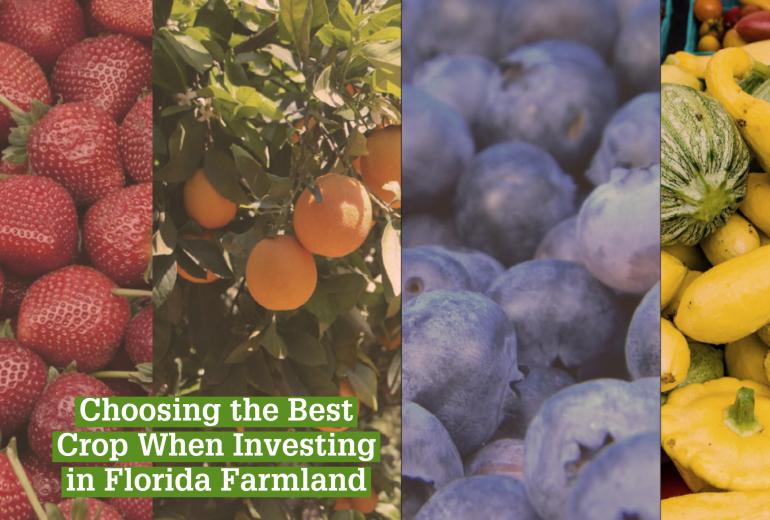
Florida’s best crops include heat-loving vegetables like okra, sweet potatoes, southern peas, and Malabar spinach. Tropical fruits such as mangoes and papayas also thrive. Eggplant, peppers, melons, and sweet corn grow well in Florida’s warm, humid climate, ensuring a productive garden year-round.
What Is The 70/30 Rule In Gardening?
The 70/30 rule in gardening suggests planting 70% hardy, reliable plants and 30% experimental or seasonal varieties. This balance ensures garden stability and variety.
What Grows Well In Florida Heat?
Heat-loving crops grow well in Florida, including okra, southern peas, sweet potatoes, Malabar spinach, mangoes, papayas, eggplant, peppers, melons, and sweet corn. These plants thrive in hot, humid conditions, ensuring a productive garden throughout the summer months.
What Vegetables Don’t Grow Well In Florida?
Cool-season vegetables like broccoli, cauliflower, and Brussels sprouts struggle in Florida’s heat and humidity. Root crops such as carrots and potatoes also perform poorly. These vegetables prefer cooler climates and often fail to thrive in Florida’s warm conditions.
Conclusion
Florida’s warm climate supports many crops year-round. Vegetables like tomatoes, sweet potatoes, and okra thrive in the heat. Tropical plants such as cassava and Malabar spinach also grow well. Choosing the right crops helps you enjoy a successful garden. With proper care, your Florida garden can flourish easily.
Try different plants to find what suits your space best. Happy planting!