March is the perfect time to get your garden growing in Florida. If you want fresh, homegrown veggies on your plate soon, knowing which vegetables to plant now can make all the difference.
You might be wondering which crops thrive in Florida’s unique climate this month. Whether you have a big backyard or just a small patch, planting the right vegetables in March sets you up for a successful harvest. Keep reading to discover the best vegetables to plant this March in Florida—and how to start your garden the smart way.
Your green thumb is about to get a boost!
March Climate And Soil In Florida
March marks a transitional period for gardening in Florida. The climate shifts from cooler winter days to warmer spring temperatures. This change creates ideal conditions for many vegetables to grow well. The soil also starts warming up, encouraging seed germination and root development. Understanding March’s climate and soil is key to successful planting.
Temperature Trends
In March, Florida’s daily temperatures range from the mid-60s to the mid-80s Fahrenheit. Nights are cooler but rarely drop below 50°F. These mild conditions support both cool-season and warm-season crops. Daylight hours increase, giving plants more energy to grow. Gardeners can expect fewer frosts, making it safer to plant heat-loving vegetables.
Soil Preparation Tips
Florida’s soil in March is usually moist but drains well. Testing soil pH helps maintain a healthy garden. Ideal pH for most vegetables is between 6.0 and 7.0. Adding organic compost improves soil texture and nutrients. Loosen the soil to a depth of 8 to 12 inches for better root growth. Removing weeds and debris ensures plants get enough space and nutrients.
Warm-season Vegetables For March
March signals the start of warm-season vegetable planting in Florida. The soil warms up, inviting heat-loving plants to thrive. These vegetables grow best with the Florida sun and mild spring temperatures. Selecting the right warm-season crops ensures a bountiful harvest later.
Beans And Southern Peas
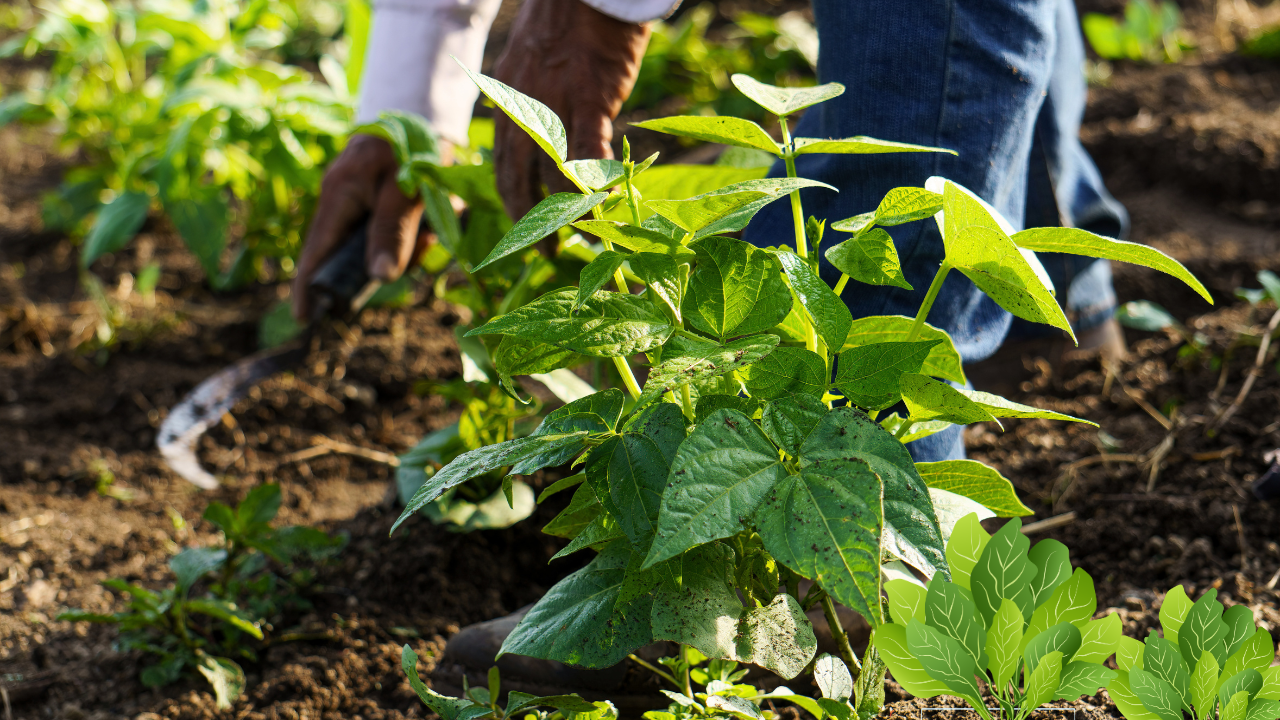
Beans and southern peas love warm weather and grow quickly. They tolerate Florida’s heat and occasional dry spells. Plant seeds directly in the ground for best results. These legumes enrich the soil by adding nitrogen, helping other plants grow strong.
Tomatoes And Peppers
Tomatoes and peppers thrive in Florida’s March warmth. Choose disease-resistant varieties suited for the region. Start seedlings indoors or buy young plants to transplant. Provide plenty of sunlight and well-drained soil for healthy growth. Regular watering supports fruit development without soggy roots.
Cucumbers And Melons
Cucumbers and melons flourish in warm, sunny conditions. Plant seeds after the last frost date for best success. Both need space to spread vines and enjoy moist, fertile soil. Mulching helps retain moisture and controls weeds around these thirsty plants.
Okra And Sweet Potatoes
Okra and sweet potatoes are excellent warm-season choices. Okra grows tall and produces edible pods quickly. Sweet potatoes prefer sandy soil and plenty of sun. Both tolerate heat well and require moderate watering. These crops provide tasty, nutritious additions to any garden.
Summer Squash Varieties
Summer squash grows fast and yields abundant harvests. Choose zucchini, yellow squash, or patty pan varieties. Plant seeds in rich soil with good drainage. Squash plants need regular watering and space for their broad leaves. Harvest regularly to encourage more fruit production.
Cool-season Vegetables For March
March in Florida offers an ideal time to grow cool-season vegetables. These crops thrive in the mild temperatures before the heat of summer arrives. Planting cool-season vegetables now ensures a steady supply of fresh produce. They grow well in Florida’s unique climate during this period.
Carrots And Radishes
Carrots and radishes grow quickly and need well-drained soil. Both prefer cooler weather and moist conditions. Carrots develop best in loose, sandy soil. Radishes mature fast, perfect for quick harvests. They add crunch and color to salads and dishes.
Celery And Swiss Chard
Celery requires consistent moisture and cooler temperatures to avoid bitterness. Swiss chard grows well in partial shade and tolerates light frost. Both vegetables provide leafy greens rich in vitamins. They thrive with regular watering and fertile soil.
Chinese Cabbage And Kohlrabi
Chinese cabbage grows fast and prefers cooler weather for tender leaves. Kohlrabi develops edible stems that taste like mild cabbage. Both vegetables enjoy full sun but tolerate some shade. They offer unique flavors for salads and cooked dishes.
Bunching Onions And Spinach
Bunching onions produce tender stalks ideal for fresh use. Spinach grows quickly and prefers cooler temperatures to avoid bolting. Both are easy to grow in Florida’s March climate. They add fresh greens and mild flavors to meals.
Winter Squash Options
Winter squash varieties like acorn and butternut do well when planted in early spring. They require warm soil but benefit from the cooler air. These squashes store well and provide rich nutrients. Plant them now for a late summer or fall harvest.
Planting Techniques For Success
Planting vegetables in Florida during March calls for smart techniques to ensure healthy growth. Proper planting methods help seedlings establish faster and produce better yields. Understanding the best ways to start seeds, care for young plants, and protect them from pests will boost your garden success.
Using the right watering and fertilizing habits keeps plants strong. Managing pests and diseases early prevents damage and loss. These simple steps create a thriving vegetable garden ready for the Florida climate.
Seed Starting Vs Transplants
Starting seeds indoors gives control over germination. It protects young plants from harsh weather and pests. Transplants save time and give plants a head start. Choose transplants for quick-growing vegetables like tomatoes and peppers.
Direct seed sowing suits root vegetables like carrots and radishes. Seeds sown directly in the soil avoid transplant shock. Select the method based on vegetable type and garden space.
Watering And Fertilizing Tips
Water plants deeply but less often to encourage strong roots. Early morning watering reduces evaporation and leaf diseases. Keep soil moist but not soggy to prevent root rot.
Use balanced fertilizers to supply essential nutrients. Organic compost improves soil health and plant growth. Follow package instructions to avoid over-fertilizing and burning plants.
Pest And Disease Management
Inspect plants regularly for signs of pests or disease. Remove damaged leaves to stop spread. Use natural predators like ladybugs to control harmful insects.
Apply neem oil or insecticidal soap for safe pest control. Keep garden clean and remove weeds that harbor pests. Crop rotation helps reduce soil-borne diseases over time.
Applying The Rule Of Three In Your Garden
Applying the Rule of Three in your garden makes planting more attractive and balanced. This simple design tip uses groups of three to create natural, eye-catching displays. It helps your vegetables stand out and makes your garden feel organized and lively. This method works well with the best vegetables to plant in March in Florida, blending warm and cool-season crops smoothly.
Grouping Plants In Threes
Planting vegetables in groups of three creates a natural look. Three plants together form a small cluster that draws the eye. This grouping avoids the stiffness of even numbers and adds charm. Try planting three pepper plants or three bunches of onions close together.
Combining Different Varieties
Mix three different vegetable types in one group for variety. For example, pair tomatoes, basil, and onions. This mix adds color and texture differences. It also helps with pest control and supports plant health. Choose plants that grow well side by side in Florida’s March climate.
Layering Heights For Depth
Use plants of different heights in your groups of three. Place tall plants like tomatoes at the back. Medium plants, such as peppers, go in the middle. Low-growing vegetables like lettuce fit well in front. This layering adds depth and makes your garden visually rich.
Repeating Groupings For Cohesion
Repeat your groups of three throughout the garden bed. This repetition creates a rhythm that ties the garden space together. It gives a sense of order without being boring. By repeating these clusters, your March garden in Florida looks planned and full.
Extending Odd Number Groupings
Use odd numbers beyond three, like five or seven, to keep the effect. Odd groupings maintain balance and interest. They avoid the rigid feel of even numbers. Try planting five carrot tops or seven spinach plants together. This keeps the garden lively and natural.
Companion Planting Ideas
Companion planting helps vegetables grow better and stay healthy. It involves planting certain vegetables near each other. Some plants protect others from pests or improve soil quality. This method boosts growth and yields in your Florida garden. March is the perfect month to try companion planting with warm and cool crops. Use these ideas to plan your garden for the best results.
Best Pairings For Warm-season Crops
Tomatoes grow well with basil and peppers. Basil improves tomato flavor and repels insects. Peppers also benefit from tomato shade and support. Beans fix nitrogen in the soil, helping cucumbers and melons thrive. Plant okra near southern peas to save space and enrich soil. Summer squash pairs well with corn and beans, a classic trio. These combinations increase yields and reduce pests.
Cool-season Crop Combinations
Carrots grow well beside onions and leeks. Onions keep carrot flies away, protecting roots. Spinach and radishes can share a bed without competition. Chinese cabbage benefits from being near celery, which repels pests. Swiss chard pairs nicely with kohlrabi, as both need similar conditions. These mixes help cool-season vegetables grow strong and healthy.
Plants To Avoid Together
Avoid planting tomatoes near cabbage family crops like broccoli or kale. They compete for nutrients and attract pests. Beans and onions do not grow well together; onions stunt bean growth. Avoid planting carrots close to dill, as it can weaken carrots. Keep potatoes away from tomatoes to prevent disease spread. Knowing these bad pairings helps protect your garden.
Garden Maintenance In March
March is a busy month for gardeners in Florida. The weather warms up, and plants grow faster. Proper garden maintenance now helps vegetables stay healthy and produce well. Focus on keeping the soil healthy and plants strong. Simple tasks done regularly make a big difference in your garden’s success.
Weeding And Mulching
Remove weeds early before they spread. Weeds steal water and nutrients from vegetables. Pull them out by hand or use a hoe for larger areas. After weeding, add mulch around plants. Mulch keeps soil moist and stops new weeds from growing. Use straw, pine needles, or shredded leaves as mulch. Mulching also keeps soil temperature stable for roots.
Pruning And Thinning
Cut back dead or damaged leaves and stems. Pruning helps plants focus energy on new growth. For crowded seedlings, thin them out by removing weaker plants. This gives room for strong ones to grow bigger. Thin plants also get better airflow, reducing disease risk. Use clean scissors or garden shears for pruning.
Harvest Timing And Tips
Check your vegetables daily to know the best time to harvest. Picking at the right time keeps vegetables fresh and tasty. Harvest early in the morning when it is cool. Use sharp tools to avoid damaging plants. Handle vegetables gently to prevent bruises. Regular harvesting encourages plants to produce more crops.
Tools And Supplies For March Planting
Preparing your garden for March planting in Florida needs the right tools and supplies. March weather suits planting many vegetables, but good equipment makes the work easier and more effective.
Choosing proper gardening tools, soil amendments, and irrigation options helps plants grow strong and healthy. This section covers essential items to get your garden ready for a fruitful season.
Essential Gardening Tools
Start with basic tools like a hand trowel and garden fork. These help dig and loosen soil easily. A sharp pruning shear cuts dead leaves and shapes plants well. Gloves protect your hands from dirt and thorns. A watering can or hose with a spray nozzle controls water flow. A sturdy wheelbarrow moves soil and plants quickly. These tools make daily garden tasks simple and efficient.
Soil Amendments And Fertilizers
Florida soil often needs extra nutrients for vegetable growth. Adding compost improves soil texture and adds organic matter. Use peat moss or coconut coir to increase water retention. A balanced fertilizer with nitrogen, phosphorus, and potassium feeds young plants. Bone meal or fish emulsion boosts root and leaf development. Testing soil pH helps adjust acidity for best results. Healthy soil supports strong roots and better harvests.
Irrigation Options
Consistent watering is crucial for March crops in Florida. Drip irrigation delivers water directly to roots and saves water. Soaker hoses are easy to install and provide gentle watering. Sprinkler systems cover larger areas for leafy vegetables. Manual watering with a hose works well for small gardens. Water early in the morning to reduce evaporation. Proper irrigation keeps soil moist and plants thriving.
Frequently Asked Questions
What Veggies To Plant In March In Florida?
Plant beans, cucumbers, melons, okra, peppers, tomatoes, carrots, celery, radish, spinach, and Swiss chard in Florida in March.
What Is The Rule Of 3 In Gardening?
The rule of 3 in gardening groups plants or elements in threes for natural, balanced, and visually appealing designs. It enhances depth and interest by mixing different heights, colors, and textures. Repeating these trios creates cohesion across the garden space.
What Month To Plant Vegetables In Florida?
Plant vegetables in Florida from February to April for spring crops and August to October for fall crops. Choose warm-season veggies like beans and tomatoes in spring. Opt for cool-season crops like carrots and spinach in fall. This timing ensures optimal growth and harvest.
Is March Too Early To Plant Vegetables?
March is not too early to plant vegetables. Both warm-season and cool-season crops grow well in March. Plant beans, tomatoes, carrots, spinach, and more for a productive garden start. Adjust choices based on your local climate and frost dates.
Conclusion
Planting the right vegetables in March sets your garden up for success. Choose warm-season crops like tomatoes and peppers, or cool-season favorites such as carrots and spinach. Remember to water regularly and watch for pests. Group plants in threes to create a balanced, healthy garden space.
With patience and care, your Florida garden will thrive this season. Start planting now and enjoy fresh, homegrown vegetables soon.