
If you live in South Florida and want to grow your own fresh vegetables, you might wonder which ones will thrive in this warm, sunny climate. Choosing the right vegetables can make all the difference between a bountiful harvest and a frustrating gardening experience.
Imagine picking crisp, homegrown veggies straight from your garden all year round—sounds amazing, right? You’ll discover the best vegetables to plant in South Florida that are easy to grow and perfect for your garden. Whether you’re a beginner or have some gardening experience, these choices will help you enjoy fresh flavors without the usual guesswork.
Keep reading to find out how to turn your garden into a vibrant source of healthy, delicious vegetables!

Credit: costafarms.com
South Florida Climate And Soil
South Florida’s warm climate lets many vegetables grow all year. Gardeners can enjoy fresh produce without seasonal breaks. Choosing the right vegetables ensures a steady harvest through the months. These plants handle heat and occasional rain well. They thrive in the tropical conditions of South Florida.
Kale And Leafy Greens
Kale grows strong in South Florida’s mild winters and warm summers. Other leafy greens like collards and mustard greens also do well. These vegetables need regular watering and partial shade in hot months. Their fast growth makes them ideal for continual harvesting. Rich in vitamins, they add nutrition to any meal.
Peppers And Tomatoes
Peppers and tomatoes flourish in South Florida’s sunny weather. They need well-drained soil and consistent watering. Peppers handle heat better than many vegetables. Tomatoes prefer a little shade during the hottest part of the day. Both can produce fruit year-round with proper care and pruning.
Sweet Potatoes And Okra
Sweet potatoes grow well in sandy, warm soils found in South Florida. They resist drought and heat, making them low-maintenance. Okra is another heat-loving vegetable that thrives here. It produces long pods throughout the year. Both crops are nutritious and add variety to your garden.
Vegetables Thriving Year-round
South Florida’s warm climate and unique soil conditions affect which vegetables thrive. Some vegetables face challenges here due to heat, humidity, or soil type. Avoid planting certain vegetables to save time and effort. Understanding these limitations helps gardeners grow healthy crops successfully.
Carrots And Potatoes Challenges
Carrots struggle in South Florida’s sandy, warm soil. They need cool weather and loose soil to grow straight and long. The heat causes carrots to grow poorly and become tough or bitter.
Potatoes face similar problems. High temperatures and humidity lead to diseases like blight. Also, sandy soils drain quickly, causing uneven moisture. This results in small or misshapen potatoes.
Beets And Turnips Limitations
Beets and turnips prefer cooler temperatures. South Florida’s heat often makes them bolt quickly, producing flowers instead of roots. This shortens the harvest time and lowers yield.
Both vegetables also suffer in sandy soils that lack nutrients. Without proper care, the roots stay small and tough. Growing them requires careful timing and soil preparation, which can be difficult for beginners.
Best Fall Vegetables
Growing vegetables in South Florida offers unique challenges and rewards. Success depends on understanding the local climate and soil. Smart gardening practices improve growth and yield. Follow these tips to create a thriving vegetable garden.
Watering And Irrigation Practices
Water plants deeply but less often to encourage strong roots. Early morning watering reduces evaporation and fungal diseases. Use drip irrigation or soaker hoses for efficient water use. Avoid overhead watering to protect leaves from disease. Check soil moisture regularly to prevent overwatering or drought stress.
Pest And Disease Management
Inspect plants daily for signs of pests or disease. Remove affected leaves or plants immediately to stop spread. Use natural predators like ladybugs to control harmful insects. Apply organic insecticidal soap for soft-bodied pests. Rotate crops yearly to reduce soil-borne diseases and pest buildup.
Companion Planting Strategies
Plant vegetables that benefit each other side by side. For example, tomatoes grow well near basil, which repels insects. Beans fix nitrogen in soil, helping leafy greens thrive. Avoid planting onions near beans as they can stunt growth. Use marigolds to deter nematodes and improve overall garden health.
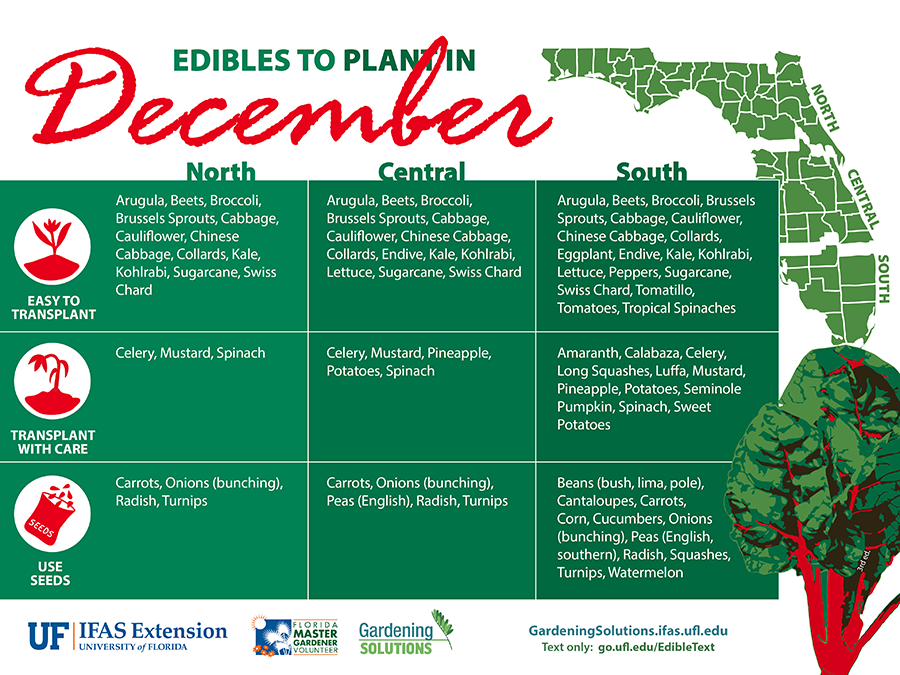
Credit: gardeningsolutions.ifas.ufl.edu
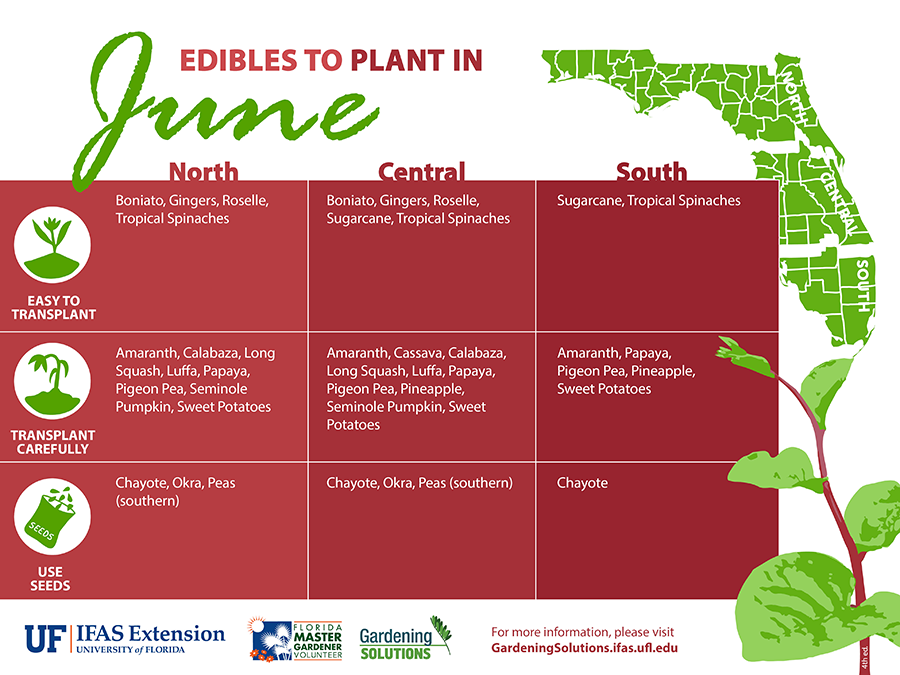
Summer Heat-tolerant Crops
Maximizing your vegetable harvest in South Florida requires smart gardening practices. The region’s warm climate allows for year-round growing. But soil, crop choices, and harvest methods greatly affect your yield. Understanding how to enrich soil, rotate crops, and pick vegetables properly leads to better results. These steps help maintain plant health and boost production.
Soil Fertility And Fertilizers
Healthy soil is the foundation of a strong garden. South Florida soils often lack nutrients due to sandiness. Adding organic matter like compost improves soil texture and water retention. Using balanced fertilizers supplies essential nutrients such as nitrogen, phosphorus, and potassium. Apply fertilizers according to plant needs and growth stage. Over-fertilizing can harm plants and reduce yield. Test soil regularly to adjust fertilizer use correctly.
Crop Rotation Benefits
Rotating crops helps prevent soil depletion and disease buildup. Planting different vegetable families each season breaks pest cycles. For example, follow leafy greens with root vegetables or legumes. Crop rotation improves soil structure and nutrient availability. It also reduces the need for chemical pesticides. Plan your garden layout to rotate crops yearly. This practice supports sustainable and productive gardening.
Harvesting Techniques
Proper harvesting boosts vegetable quality and encourages more growth. Pick vegetables at their peak ripeness for best taste and nutrition. Use sharp tools to avoid damaging plants. Harvest regularly to prevent overripe produce from wasting energy. Some vegetables, like beans and peas, produce more if picked often. Handle crops gently to reduce bruising. Timely and careful harvesting increases your overall yield.
Credit: gardeningsolutions.ifas.ufl.edu
Frequently Asked Questions
What Is The Easiest Vegetable To Grow In South Florida?
Kale, lettuce, green onions, peppers, radishes, spinach, and sweet potatoes grow easiest in South Florida’s warm climate.
When Should I Start A Vegetable Garden In South Florida?
Start a vegetable garden in South Florida in fall for best growth. You can also plant year-round due to the warm climate.
Can You Grow Vegetables Year Round In South Florida?
Yes, you can grow vegetables year-round in South Florida due to its warm climate and long growing seasons. Choose heat-tolerant crops like okra, peppers, and sweet potatoes for summer. Plant cool-season vegetables such as kale, lettuce, and broccoli in fall and winter for best results.
What Vegetables Don’t Grow Well In Florida?
Carrots, potatoes, beets, and turnips struggle in Florida’s summer heat. These root vegetables prefer cooler climates and often fail to thrive.
Conclusion
Planting the right vegetables helps your South Florida garden thrive. Choose heat-tolerant and fast-growing varieties for best results. Growing fresh vegetables brings health and joy to your home. Keep your garden well-watered and watch your plants flourish. Enjoy the bounty of your efforts all year round.
Gardening in South Florida offers endless opportunities to grow food. Start small, learn, and expand your vegetable garden over time. Your garden can become a peaceful, green retreat filled with fresh produce.