If you’re looking to create a stunning flower bed that thrives in Florida’s unique climate, you’re in the right place. Choosing the best plants for your Florida garden isn’t just about picking pretty flowers—it’s about finding low-maintenance, heat-tolerant varieties that will keep your garden vibrant all year long.
Imagine a flower bed bursting with color, attracting butterflies and hummingbirds, and standing strong through the sunniest days without demanding constant care. In this guide, you’ll discover the top Florida-friendly plants that make your gardening easier and your outdoor space more beautiful.
Ready to transform your flower bed into a lush, lively haven? Let’s dive in!
Top Florida Flower Bed Picks
Choosing the right plants for a Florida flower bed can transform any garden into a colorful paradise. The state’s warm climate and unique soil conditions favor certain types of plants. These selections thrive with minimal care and deliver vibrant blooms. This section highlights the best options to brighten your Florida garden all year.
Vibrant Perennials
Perennials return year after year, saving time and effort. In Florida, plants like coreopsis and coneflowers add bright yellows and pinks. These flowers handle heat and occasional dry spells well. They attract butterflies, bringing life to any flower bed. Planting perennials creates a lasting, lively garden backdrop.
Colorful Annuals
Annuals bloom all season but last only one year. Marigolds and zinnias are top choices for Florida flower beds. They offer bold reds, oranges, and purples that stand out. These plants love full sun and bloom continuously. Adding annuals can fill gaps and refresh your garden’s look each year.
Tropical Favorites
Tropical plants suit Florida’s humid weather perfectly. Hibiscus and bougainvillea provide large, vivid flowers that catch the eye. These plants add an exotic touch and can grow in containers or beds. Their lush leaves and bright blooms create a vibrant, tropical atmosphere.
Native Plants For Florida Gardens
Native plants for Florida gardens thrive in the local climate and soil naturally. These plants need less water and care than non-native species. They also support the local wildlife, creating a healthy garden ecosystem. Choosing native plants helps gardens stay beautiful and sustainable all year.
Drought-tolerant Species
Drought-tolerant native plants survive Florida’s hot, dry spells easily. They store water in leaves or roots, reducing the need for frequent watering. Examples include the coontie palm and gaillardia. These plants keep flower beds colorful and healthy through dry seasons.
Wildlife-friendly Choices
Native plants attract birds, butterflies, and bees to your garden. Milkweed supports monarch butterflies, while beautyberry bushes offer food for birds. Planting these natives helps protect Florida’s wildlife and creates a lively outdoor space.
Low-maintenance Natives
Low-maintenance native plants grow well with little effort. They resist pests and diseases, needing less fertilizer or pruning. Examples are the firebush and goldenrod. These plants save time and keep flower beds neat and bright with minimal work.
Sun And Shade Options
Choosing the right plants for your Florida flower bed depends on sunlight exposure. Some plants thrive in full sun, while others prefer partial shade or full shade. Selecting suitable plants ensures healthy growth and vibrant colors throughout the year. This section highlights the best options for different sun and shade conditions in Florida gardens.
Best Plants For Full Sun
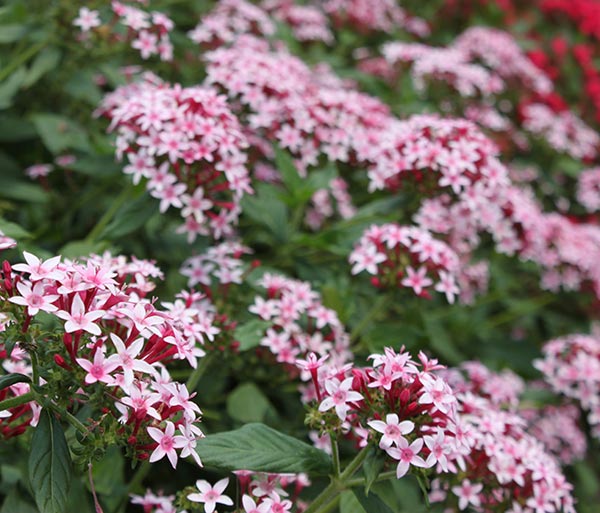
Full sun means at least six hours of direct sunlight daily. Many Florida natives and tropical plants love this bright condition. Lantana is a top choice. It blooms with bright flowers and attracts butterflies. Hibiscus also shines in full sun with large, colorful blossoms. Zinnias grow fast and offer a wide range of colors. Marigolds are hardy and help repel pests. Pentas bring clusters of star-shaped flowers that draw hummingbirds. These plants handle heat well and add vivid color to sunny beds.
Ideal Flowers For Partial Shade
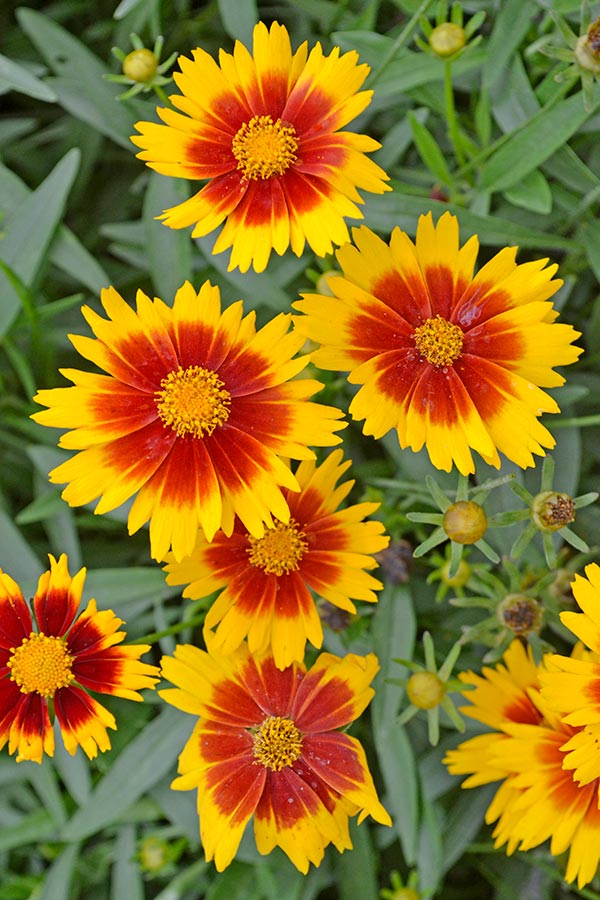
Partial shade plants grow best with 3 to 6 hours of sun, plus some afternoon shade. Coreopsis is a great flower for these spots, showing bright yellow blooms. Gerbera daisies add cheerful colors and thrive here. Blue salvia brings cool blue spikes that attract pollinators. Heuchera offers vibrant foliage in shades of red and purple. Lavender prefers some sun but tolerates shade. These flowers adapt well to Florida’s mix of sun and shade, brightening garden corners.
Ground Covers For Shaded Areas
Shaded spots need plants that grow with little or no direct sun. Creeping sage spreads quickly and covers bare soil. It handles shade well and adds soft green color. Bristle basketgrass is a low-maintenance option that stays lush in shade. Ajuga offers colorful leaves and small flowers, perfect for ground cover. These plants prevent weeds, reduce soil erosion, and keep shaded beds looking neat. Choose ground covers that suit your shade level for a healthy flower bed.
Credit: www.youtube.com
Seasonal Bloomers
Seasonal bloomers bring vibrant color and life to Florida flower beds throughout the year. Choosing the right plants ensures your garden stays lively and beautiful in every season. These plants thrive in Florida’s climate and offer varied blooms from spring to winter.
Year-round Flowering Plants
Some plants bloom all year, providing constant color and charm. Hibiscus offers large, bright flowers in many shades. Pentas attract butterflies with clusters of star-shaped blooms. Lantana is hardy and blooms almost nonstop. These plants handle Florida’s heat and humidity well. They keep your flower bed colorful through all seasons.
Spring And Summer Stars
Spring and summer bring many bright, showy flowers. Marigolds produce vibrant yellow and orange blooms. Zinnias add bold reds, pinks, and purples. Coreopsis creates a sea of golden yellow petals. These plants love Florida’s sun and warmth. They grow fast and fill beds with lively color. Many also attract pollinators like bees and butterflies.
Fall And Winter Beauties
Fall and winter don’t mean dull gardens. Goldenrod shines with bright yellow flowers in fall. Swamp sunflower adds bold orange petals late in the year. Some varieties of salvia bloom in cooler months. Beautyberry bushes offer purple berries as a unique winter feature. These plants add interest when many others stop blooming. They help keep your garden attractive year-round.
Pest And Heat Resistance
Choosing flower bed plants with pest and heat resistance is vital in Florida’s challenging climate. These plants thrive despite hot temperatures and pest attacks. They reduce the need for chemicals and extra care. This makes your garden more sustainable and beautiful all year round.
Plants That Deter Pests
Some Florida flower bed plants naturally keep pests away. Marigolds are famous for this. They repel insects like aphids and mosquitoes. Another great choice is lantana. It attracts butterflies but keeps harmful bugs at bay. Basil is also useful. Its strong scent deters many garden pests. Planting these flowers can protect your garden without chemicals.
Heat-tolerant Flower Varieties
Florida summers can be very hot and dry. Heat-tolerant plants survive and bloom well in such conditions. Zinnias are excellent heat lovers. They offer bright colors and need little water. Pentas also do well in heat. They attract hummingbirds and butterflies, adding life to your garden. Salvia is another strong plant that handles heat and drought. Choosing these flowers keeps your bed lively through the hottest months.
Credit: costafarms.com
Creative Flower Bed Designs
Creative flower bed designs transform any garden into a vibrant, inviting space. They combine plants with different shapes, sizes, and colors to create visual interest. Thoughtful designs also help plants thrive by considering their natural habits and environmental needs. In Florida, creative flower beds can handle heat and moisture challenges while adding beauty all year round.
Rain Garden Plants
Rain gardens manage water by using plants that love wet soil. These plants soak up rainwater, reducing runoff and flooding. Florida natives like goldenrod, swamp sunflower, and milkweed work well. Muhly grass adds texture and movement. Rain garden plants create a natural, eco-friendly flower bed that supports local wildlife.
Flower Beds With Vines And Shrubs
Combining vines and shrubs adds height and depth to flower beds. Vines like bougainvillea climb trellises or fences, offering vibrant blooms. Shrubs such as beautyberry provide structure and seasonal color. This mix creates layers and frames the flower bed beautifully. Vines and shrubs also attract birds and pollinators, making your garden lively.
Layering And Color Combinations
Layering plants means placing taller plants in the back and shorter ones in front. This technique makes every plant visible and the bed look full. Choose colors that complement or contrast for eye-catching effects. Bright yellows with deep purples or soft pinks with vivid reds work well. Layering and color combos make flower beds dynamic and cheerful.
Maintenance Tips For Florida Gardens
Maintaining a flower bed in Florida requires specific care due to the state’s warm climate and sandy soil. Proper maintenance ensures plants stay healthy and vibrant. Focus on watering, pruning, and mulching to keep your garden thriving year-round.
Watering And Soil Care
Water plants early in the morning to reduce evaporation. Use deep watering to encourage strong roots. Florida’s sandy soil drains quickly, so check soil moisture often. Add organic matter to improve soil quality. Healthy soil supports better plant growth and resilience.
Pruning And Deadheading
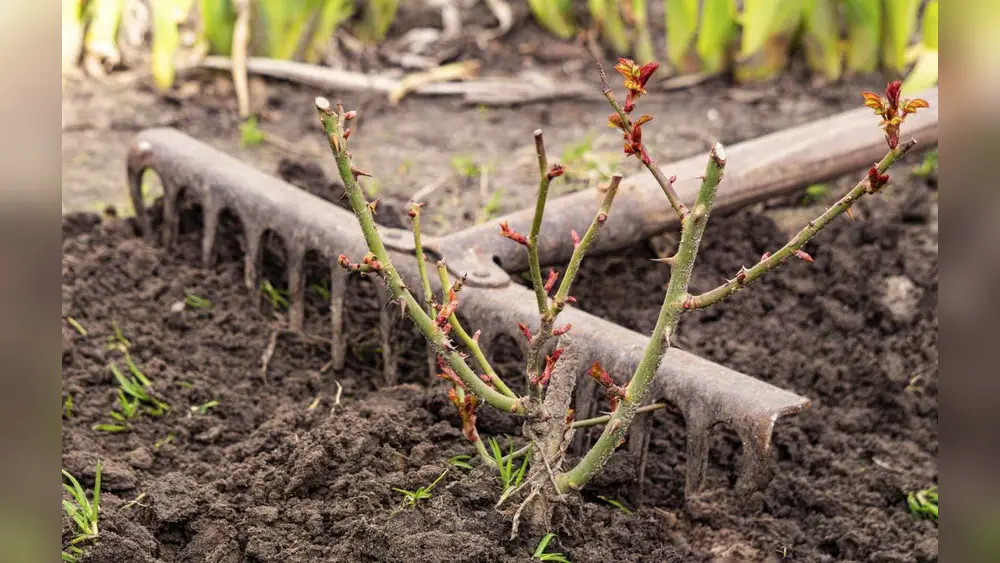
Prune plants regularly to remove dead or damaged branches. This promotes new growth and better air circulation. Deadhead spent flowers to extend blooming periods. Clean cuts prevent disease and keep plants looking neat. Regular pruning helps maintain shape and size.
Mulching Benefits
Apply mulch around plants to retain soil moisture. Mulch reduces weed growth and protects roots from heat. Organic mulch breaks down and adds nutrients to the soil. Maintain a 2-3 inch layer for best results. Mulching saves water and keeps plants healthy in Florida’s heat.
Credit: costafarms.com
Frequently Asked Questions
What Is The Best Low-maintenance Landscape In Florida?
The best low-maintenance landscape in Florida uses native plants like goldenrod, swamp sunflower, muhly grass, and milkweed. Rain gardens with these species control water naturally and thrive with minimal care.
What Flower Blooms All Year-round In Florida?
The Bougainvillea flower blooms all year-round in Florida. It thrives in warm climates and adds vibrant color continuously.
What Is The Easiest Flower To Grow In Florida?
Marigolds, zinnias, and pentas are the easiest flowers to grow in Florida. They tolerate heat and require minimal care.
What Is The Best Low-maintenance Ground Cover In Florida?
Creeping sage and bristle basketgrass thrive in Florida’s shade with minimal care. Lantana and bougainvillea suit sunny spots and require little maintenance. These native ground covers resist pests and drought, making them ideal for low-maintenance Florida landscapes.
Conclusion
Choosing the best flower bed plants for Florida brings lasting beauty to your garden. Native and heat-tolerant plants thrive in the Florida sun. They require less water and care, saving time and effort. Bright blooms attract butterflies and hummingbirds, adding life to your space.
Mix colors and textures for a vibrant, natural look. Regular watering and occasional pruning keep plants healthy and strong. Your flower bed will bloom season after season with the right choices. Start planting today to enjoy a colorful Florida garden all year.