If you’re dreaming of growing your own soursop tree right here in Florida, you’re in the right place. Soursop, with its unique sweet-tart fruit and tropical appeal, can thrive in the Sunshine State—if you know how to plant and care for it properly.
Whether you have a spacious backyard or a sunny patio, understanding the best way to plant your soursop tree will set you up for success and fruit-filled seasons ahead. Keep reading to discover simple, practical steps that will help your soursop tree flourish in Florida’s warm climate, so you can enjoy fresh, homegrown soursop sooner than you think!

Credit: morningchores.com
Ideal Climate And Location
Soursop trees thrive best in specific climate and location conditions. Choosing the right environment helps the tree grow strong and produce fruit. Florida’s warm climate suits soursop well, especially in areas with mild winters. Proper placement ensures healthy growth and reduces risks from weather challenges.
Choosing The Right Region
South Florida offers the best conditions for soursop trees. It has warm temperatures year-round and less chance of frost. Central and North Florida are riskier due to colder winters. Planting in coastal areas can protect trees from strong winds. Avoid low-lying places that flood easily.
Sunlight Requirements
Soursop trees need full sun to grow well. Select a spot that gets at least six hours of direct sunlight daily. Partial shade slows down growth and fruit production. Young trees may benefit from some afternoon shade in hot areas. Keep the location open to allow sunlight to reach all parts of the tree.
Soil Preferences
Well-drained soil is ideal for soursop planting. The soil should be slightly acidic with a pH around 5.5 to 6.5. Sandy loam or loamy soils work best. Avoid heavy clay soils that hold too much water. Enrich soil with compost before planting to improve fertility and texture.
Managing Drainage And Water Table
Good drainage prevents root rot in soursop trees. Plant on raised beds or mounds if soil is heavy or waterlogged. In areas with a high water table, use large containers or raised planters. Water the tree deeply but allow the soil to dry between watering. Proper drainage supports healthy root development.

Credit: everglades.farm
Planting Techniques
Proper planting techniques are key to growing healthy soursop trees in Florida. These trees thrive with the right start, soil, and space. Careful attention during planting helps the tree establish quickly and bear fruit sooner.
Choosing the right method and location boosts the tree’s growth. Soil drainage and spacing affect root health and canopy development. Using containers or raised beds can solve common Florida soil issues.
Starting From Seed Vs Grafted Trees
Soursop trees can grow from seeds or grafted plants. Seeds take longer to produce fruit and may vary in quality. Grafted trees come from a proven parent and bear fruit faster.
Grafted trees cost more but offer better fruit quality and disease resistance. Seeds are cheaper but less predictable. For quicker fruit, choose grafted trees from local nurseries.
Using Raised Beds And Containers
Raised beds improve drainage in Florida’s often wet soil. They keep roots from sitting in water, which prevents rot. Containers work well in areas with poor soil or limited space.
Use large pots with drainage holes and quality potting mix. Raised beds should be filled with a mix of sandy, loamy soil and organic matter. Both methods allow better control of soil conditions.
Spacing For Growth
Space soursop trees at least 12 to 15 feet apart. Proper spacing allows air flow and sunlight to reach all parts of the tree. Crowded trees may have poor fruit production and more disease.
Leave extra room if planting multiple trees for a small orchard. This space helps trees grow wide and strong. Well-spaced trees are easier to prune and harvest.
Watering And Soil Care
Proper watering and soil care are essential for healthy soursop trees in Florida. These trees need consistent moisture and nutrient-rich soil to thrive. Paying attention to watering schedules, soil amendments, and mulching helps support strong growth and fruit production.
Watering Schedule
Water soursop trees deeply right after planting. Keep the soil evenly moist but not soaked. During dry periods, water three to four times a week. Reduce watering when heavy rains occur. Avoid waterlogged soil to prevent root rot and other diseases.
Soil Amendments And Fertilizing
Use well-drained, slightly acidic soil for planting. Mix compost into the soil before planting to improve fertility. Apply organic fertilizer or aged compost every three to four months. This supports steady nutrient supply and healthy tree growth. Avoid over-fertilizing, which can harm roots.
Mulching Benefits
Apply a 2-3 inch layer of mulch around the tree base. Mulch helps keep soil moist and cool. It also reduces weed growth that competes for nutrients. Organic mulches like wood chips or straw break down to enrich the soil. Keep mulch a few inches away from the trunk to prevent rot.
Pruning And Maintenance
Pruning and maintenance keep soursop trees healthy and productive. Regular care helps the tree grow strong and produce quality fruit. Proper pruning shapes the tree and removes dead or crowded branches. Maintenance also includes controlling pests and protecting fruit from insects. These steps ensure a thriving soursop tree in Florida’s climate.
Annual Pruning Tips
Prune soursop trees once a year during the dry season. Cut back long branches to encourage new growth. Remove dead, damaged, or crossing branches to improve air flow. Keep the tree’s shape balanced and open. Use clean, sharp tools to avoid disease. Thin the canopy lightly to let sunlight reach all parts.
Managing Pests And Diseases
Check soursop trees regularly for signs of pests like aphids or scale insects. Use natural insecticides or neem oil to control infestations. Remove affected leaves and dispose of them away from the tree. Watch for fungal diseases, which can appear as spots or mold. Keep the area around the tree clean and free of fallen fruit.
Protecting Fruit From Insects
Cover fruit clusters with mesh bags to protect them from insects. Apply organic sprays that repel fruit flies and beetles. Harvest fruit as soon as it ripens to reduce damage. Keep ground under the tree clear to avoid attracting pests. Healthy fruit results from careful protection throughout the growing season.
Maximizing Fruit Production
Growing soursop trees in Florida is rewarding with the right care. To get the best fruit yield, focus on pollination, fruit thinning, and harvest timing. These steps help your tree produce more and healthier fruits. Understanding each method improves your chances for a fruitful harvest.
Pollination Methods
Soursop flowers need help to set fruit. Hand pollination boosts fruit numbers in small gardens. Use a soft brush to transfer pollen between flowers. Pollinate early in the morning for best results. Plant more than one tree to encourage natural pollination. Bees and other insects help spread pollen. Avoid pesticides during flowering to protect pollinators.
Fruit Thinning Strategies
Thin fruits to improve size and quality. Remove small or damaged fruits early in development. Leave only one or two fruits per branch. This reduces stress on the tree and helps remaining fruits grow larger. Use clean tools to cut excess fruit carefully. Thinning also prevents branches from breaking under heavy fruit loads.
Timing For Harvest
Harvest soursop at the right time for best flavor. The fruit ripens about four to five months after flowering. Pick fruits when they turn slightly soft and greenish-yellow. Avoid leaving ripe fruit too long on the tree. Overripe fruits attract pests and spoil quickly. Check fruit daily during harvest season to pick at peak ripeness.
Cold And Wind Protection
Protecting soursop trees from cold and wind is essential in Florida’s climate. Young trees face the most risk from chilly winds and sudden temperature drops. Proper protection ensures healthy growth and fruit production. Use simple methods to shield your trees and reduce stress during cold spells.
Shielding Young Trees
Young soursop trees need shelter from strong winds. Use windbreaks like fences or shrubs to block cold gusts. Wrap the trunk with tree guards or burlap to prevent damage. Place mulch around the base to keep roots warm. Avoid heavy pruning before cold seasons to maintain natural protection.
Dealing With Frost Risk
Frost can harm soursop trees, especially in North and Central Florida. Cover trees with frost cloths or blankets at night. Remove covers in the morning to avoid overheating. Use outdoor-safe heat lamps or string lights to raise temperature slightly. Water trees well before frost; moist soil retains heat better than dry soil.
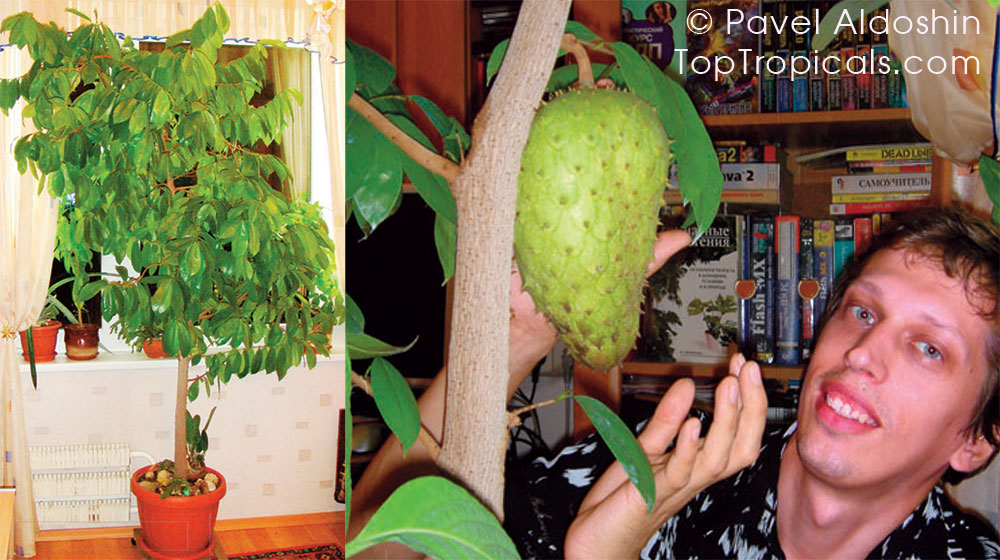
Credit: toptropicals.com
Frequently Asked Questions
How To Grow Soursop Trees In Florida?
Plant soursop trees in warm, sunny South Florida with well-drained, slightly acidic soil. Water consistently, mulch, and prune annually. Use grafted trees for better fruit. Protect from frost and pests, and hand-pollinate to increase yield. Raised beds help in wet or cold-prone areas.
How Long Does It Take For A Soursop Tree To Bear Fruit?
A soursop tree typically bears fruit 3 to 5 years after planting. Grafted trees fruit faster than seed-grown ones. Regular care and full sun boost fruit production.
How To Plant A Soursop Tree In The Ground?
Choose a warm, sunny spot with well-drained, slightly acidic soil. Dig a hole twice the root ball size. Place the tree, fill with soil, and water deeply. Mulch around the base, keep soil moist, and protect from frost and strong winds.
Prune annually for better fruit.
What Is The Best Fertilizer For Soursop Trees?
The best fertilizer for soursop trees is balanced NPK with micronutrients. Apply organic compost or well-aged fertilizer 2-3 times yearly. This promotes healthy growth and fruit production.
Conclusion
Planting soursop trees in Florida can be rewarding with the right care. Choose a sunny spot with well-drained soil for the best growth. Water regularly, but avoid overwatering to prevent root problems. Adding compost helps the tree stay healthy and strong.
Mulch keeps the soil moist and stops weeds from growing. Prune your tree yearly to improve fruit production. Watch for pests and use safe sprays if needed. With patience and attention, your soursop tree will thrive and bear delicious fruit.
Enjoy growing this tropical treasure in your Florida garden!