If you’re looking to transform your outdoor space into a vibrant, thriving garden that stands up to Florida’s unique climate, choosing the right plants is key. You want landscaping plants that don’t just survive but flourish under the Florida sun, with minimal effort and maximum beauty.
Imagine your yard filled with lush greenery and colorful blooms, all while saving time and water. In this guide, you’ll discover the best landscaping plants perfectly suited for Florida’s weather, soil, and environment. Whether you’re a beginner or a seasoned gardener, these smart plant choices will make your garden the envy of the neighborhood.
Keep reading to find out how to create a stunning Florida-friendly landscape that suits your lifestyle and enhances your home’s curb appeal.
Florida Climate And Soil
Florida’s climate and soil play a key role in choosing the right landscaping plants. The state has a mix of warm temperatures and diverse soil types. Understanding these factors helps in picking plants that will thrive and need less care. Knowing the climate zones and soil conditions ensures a healthy and beautiful garden all year.
Climate Zones In Florida
Florida has two main climate zones: tropical and subtropical. The southern part is mostly tropical, with hot summers and mild winters. The northern part has a subtropical climate, with cooler winters and warm summers. This difference affects which plants grow best. Some plants thrive in heat, while others need cooler periods to flourish. Choosing plants suited to your zone reduces stress and improves growth.
Soil Types And Preparation
Florida’s soil varies from sandy to clay-heavy. Sandy soil is common near the coast and drains quickly. Clay soil holds water but can be dense and hard for roots. Many areas have acidic soil, which affects nutrient availability. Preparing soil before planting is crucial. Adding organic matter like compost improves soil structure and fertility. Testing soil pH guides adjustments to help plants absorb nutrients well. Proper soil care supports strong roots and healthy plants.
Native Plants For Florida Gardens
Native plants are perfect for Florida gardens. They adapt well to the local climate. These plants need less water and care than non-natives. Using native plants supports the local ecosystem. They provide food and shelter for wildlife. Native plants also help keep your garden healthy and vibrant.
Drought-tolerant Natives
Florida has dry spells that challenge many plants. Drought-tolerant natives survive with little water. Plants like Coontie, Simpson’s stopper, and Muhly grass thrive in dry conditions. These plants reduce the need for frequent watering. They save water and lower garden maintenance.
Pollinator-friendly Choices
Pollinators like bees and butterflies are vital for gardens. Native plants attract and support these important creatures. Butterfly weed, Milkweed, and Goldenrod are great choices. They provide nectar and pollen for pollinators. These plants help increase garden health and plant growth.
Plants For Rain Gardens
Rain gardens collect and absorb rainwater, reducing runoff. Native plants for rain gardens handle wet soil well. Swamp sunflower, Blue flag iris, and Pickerel weed are ideal. These plants prevent erosion and improve water quality. Rain gardens with natives create beautiful, functional landscapes.
Vibrant Flowering Plants
Vibrant flowering plants bring color and life to Florida gardens. They thrive in the warm climate and attract pollinators like butterflies and hummingbirds. Choosing the right flowering plants adds beauty and supports local wildlife.
Firebush And Coralbean
Firebush is a hardy shrub with bright red-orange flowers. It blooms almost year-round in Florida’s heat. Birds love its nectar, making it perfect for natural gardens.
Coralbean has striking red flowers and shiny green leaves. It grows well in sunny spots and needs little water. This plant adds a bold splash of color to any landscape.
Beach Sunflower And Butterfly Milkweed
Beach Sunflower produces large, yellow flowers that brighten sandy areas. It tolerates salty air and poor soil, ideal for coastal gardens.
Butterfly Milkweed shows clusters of orange flowers. It attracts butterflies and bees, helping pollination. This plant is low maintenance and drought tolerant.

Credit: plantologyusa.com
Tropical Palms And Cycads
Tropical palms and cycads bring a unique charm to Florida landscapes. They thrive in warm weather and add a lush, exotic feel. Their bold shapes and textures create focal points in any garden. These plants also tolerate Florida’s heat and humidity well. Using palms and cycads can transform a simple yard into a tropical paradise.
Popular Palm Varieties
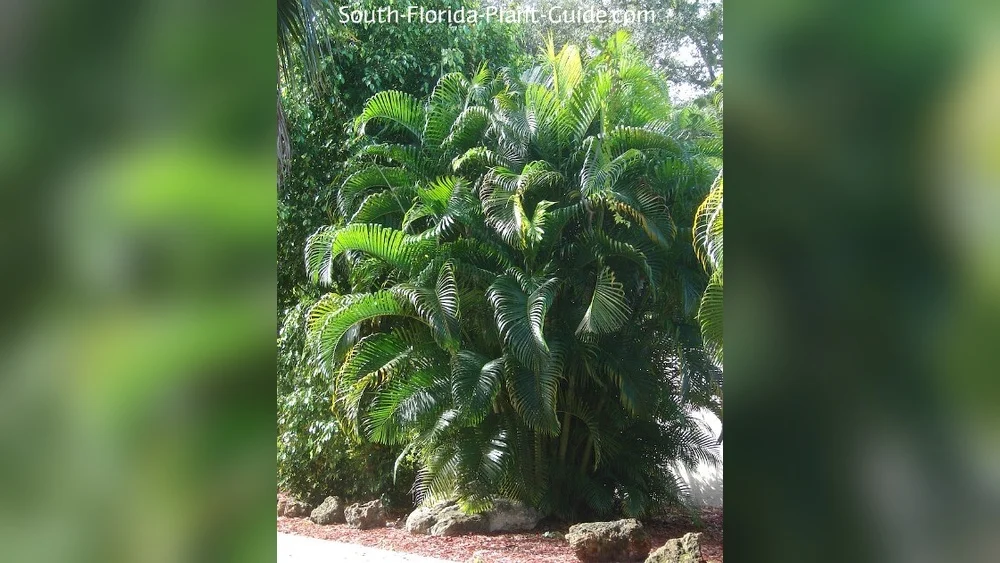
Palm trees are iconic in Florida gardens. The Sabal Palm, also called the Cabbage Palm, is the state tree. It grows tall and offers excellent shade. The Queen Palm stands out with its graceful, feathery fronds. It grows fast and looks elegant. The Pygmy Date Palm is perfect for small spaces. It stays compact but adds a tropical vibe. These palms are drought-tolerant and low maintenance. They fit well in many Florida landscapes.
Cycads For Shade And Texture
Cycads look like palms but grow slower and live longer. They add texture and depth to garden beds. The Sago Palm is a popular cycad with stiff, dark green leaves. It works well as a centerpiece or border plant. The Cardboard Palm has thick, rough leaves that create bold shapes. Cycads thrive in partial shade, making them ideal for shady spots. They require minimal care and resist pests. Their unique form contrasts beautifully with softer plants.
Low-maintenance Shrubs
Low-maintenance shrubs are perfect for Florida gardens. They need little care and survive well in heat and humidity. These shrubs save time and water. They also add color and texture to your landscape. Choose plants that thrive in Florida’s soil and climate. This keeps your garden healthy and beautiful all year.
Yaupon Holly And Coco Plum
Yaupon Holly is a tough evergreen shrub. It stays green through all seasons. It grows well in sunny or shady spots. Birds love its red berries in winter. Coco Plum is a native shrub with shiny leaves. It produces small white flowers and purple fruits. Both plants need little water once established. They resist pests and diseases easily.
Goldenrod And Swamp Sunflower
Goldenrod shows bright yellow flowers in late summer. It attracts bees and butterflies to your garden. Swamp Sunflower has large yellow blooms that brighten wet areas. These shrubs grow well in moist or dry soil. They do not require much pruning or feeding. Their natural beauty fits well in Florida landscapes.
Landscaping Design Tips
Designing a beautiful landscape in Florida requires thoughtful planning. Landscaping design tips help you choose plants and arrange them attractively. Good design makes your garden inviting and easy to maintain. Use simple ideas to create balance, color, and focus in your outdoor space.
Using The Rule Of Three
The rule of three means grouping plants or features in odd numbers, especially threes. Plant three of the same type together for a natural look. This method applies to stones, pots, or garden decorations too. Odd groups feel more relaxed and less stiff than even numbers. The eye moves smoothly across the landscape, creating flow and balance.
Color Schemes For Impact
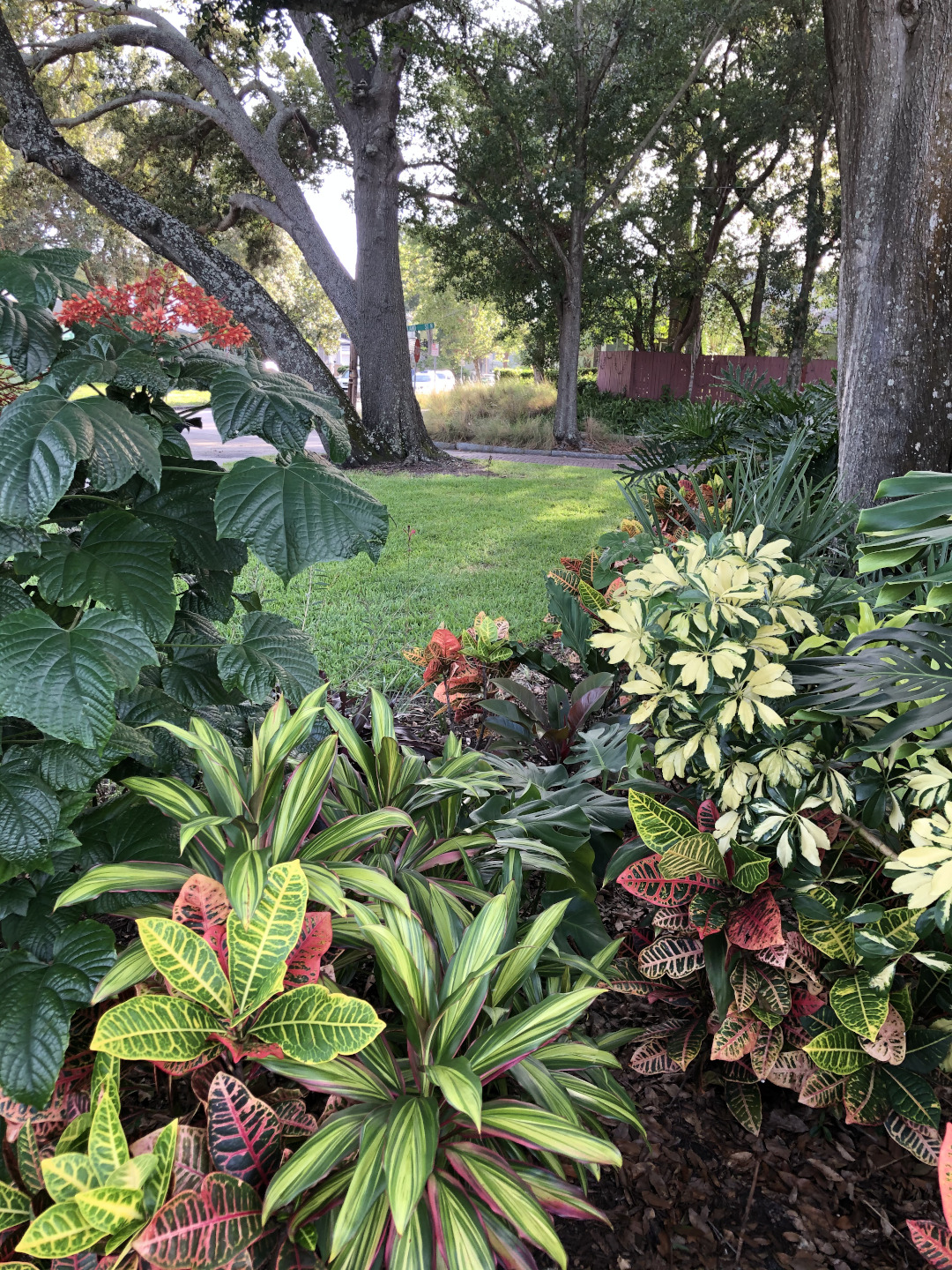
Pick three main colors to keep your garden cohesive and lively. Use green as a base, with two bright colors for flowers or foliage. Choose colors that match the Florida climate and sunlight. For example, orange and purple flowers add energy and contrast. Consistent colors create harmony and make plants stand out.
Creating Focal Points
Focal points draw attention and add interest to your landscape. Use a large plant, statue, or water feature as the main focus. Surround it with smaller plants or rocks to enhance its presence. Grouping different textures and materials adds depth. A strong focal point gives your garden a clear purpose and charm.
Water-wise Planting
Water-wise planting is essential for Florida gardens. It helps save water and keeps plants healthy. Choosing the right plants and design can reduce water use. Water-wise gardens fit Florida’s climate and soil. They also protect the environment by reducing runoff and erosion. Simple methods make your landscape both beautiful and eco-friendly.
Rain Gardens And Water Control
Rain gardens catch rainwater from roofs and driveways. They slow down water flow and let it soak into the ground. This reduces flooding and erosion in your yard. Rain gardens use plants that like wet conditions. These plants absorb excess water and filter pollutants. Installing a rain garden creates a natural water control system. It also adds color and texture to your landscape.
Selecting Native Water-tolerant Plants
Native plants are adapted to Florida’s wet and dry seasons. They need less water and care than non-native plants. Choose native plants that tolerate occasional flooding or standing water. Examples include goldenrod, swamp sunflower, and muhly grass. These plants thrive in rain gardens and wet spots. Native plants support local wildlife and improve soil health. They keep your garden strong and sustainable year-round.

Credit: millerstreecare.com
Seasonal Planting Guides
Seasonal planting guides help Florida gardeners choose the right plants for each time of year. They improve garden health and beauty by matching plants to seasonal conditions. Knowing which plants thrive in spring, summer, or winter keeps your landscape fresh and vibrant.
Florida’s climate varies with the seasons, affecting plant growth. Following a seasonal guide ensures plants get the care and environment they need. This approach reduces plant stress and boosts flowering and foliage quality.
Best Plants For Spring And Summer
Spring and summer bring warmth and longer days, perfect for many flowering plants. Hibiscus, bougainvillea, and pentas bloom brightly in these months. They attract butterflies and hummingbirds, adding life to your garden.
For ground cover, use dwarf mondo grass or liriope. Both handle heat well and need little water. Vegetables like tomatoes and peppers also grow well in Florida’s warm spring and summer.
Winter-resistant Options
Winter in Florida is mild but can have cooler spells. Choose plants that tolerate brief cold periods. Firebush and coontie are native plants that stay green all winter. They provide structure and color when many plants slow down.
Palms like the sabal palm and dwarf palmetto also survive winter well. They add a tropical feel while resisting cold snaps. For flowering winter plants, try caladium and snapdragon for subtle color.
Credit: www.finegardening.com
Frequently Asked Questions
What Is The Best Low-maintenance Landscape In Florida?
The best low-maintenance landscape in Florida features native plants like goldenrod, swamp sunflower, muhly grass, and milkweed. Rain gardens help control water naturally and reduce upkeep. Grouping plants in odd numbers, especially threes, enhances visual appeal and balance while keeping maintenance minimal.
What Is The Rule Of 3 In Landscaping?
The rule of three in landscaping groups plants or elements in threes for natural balance. It creates flow, depth, and visual appeal. Using odd numbers, especially three, avoids rigid symmetry and enhances garden harmony. Apply it to plantings, hardscaping, colors, and focal points.
What Outdoor Plants Are Good For Florida?
Florida outdoor plants thrive with natives like Butterfly Milkweed, Gumbo Limbo, Muhly Grass, Goldenrod, and Swamp Sunflower. These plants tolerate heat, humidity, and drought well. They require low maintenance and support local wildlife, making them ideal for Florida gardens and landscapes.
What Is The 70/30 Rule In Gardening?
The 70/30 rule in gardening means planting 70% low-maintenance plants and 30% high-maintenance ones. This balances beauty and care effort effectively.
Conclusion
Choosing the right plants makes Florida landscaping easier and more beautiful. Select native plants that handle heat and rain well. Group plants in threes for a natural, balanced look. These plants need less water and care, saving time and effort.
Your garden will stay green and colorful year-round. Enjoy a vibrant outdoor space that suits Florida’s climate. Start planting today to create a lasting and lovely garden.