Are you dreaming of a vibrant, colorful garden filled with beautiful wildflowers right in your Florida backyard? Knowing the best time to plant wildflowers in Florida can make all the difference between a patchy lawn and a stunning floral display.
When you plant at just the right moment, your seeds get the perfect mix of moisture, warmth, and sunlight to sprout and flourish. You’ll discover exactly when and how to plant wildflowers so you can enjoy a breathtaking bloom season that feels like nature’s own masterpiece.
Keep reading to unlock the secrets that will help you create your own wildflower wonderland!

Credit: gardeningonthego.wordpress.com
Wildflower Seasons In Florida
Wildflowers add vibrant colors to Florida’s landscapes throughout the year. Understanding the best seasons to plant wildflowers helps ensure a lush, blooming garden. Florida’s climate offers unique growing periods that affect wildflower growth. Timing your planting right increases your chances of success and beauty.
Spring Planting Window
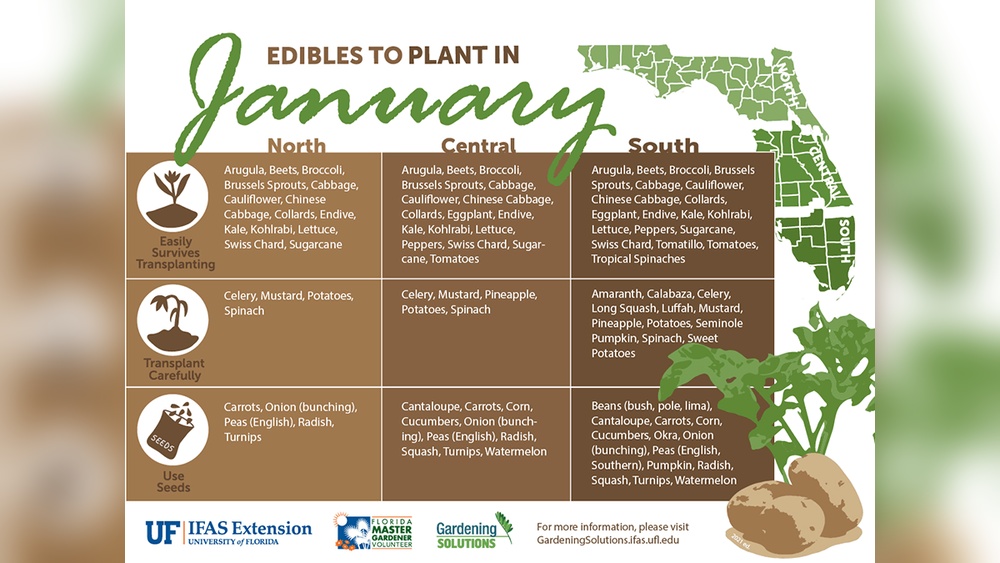
Spring is a popular time to plant wildflowers in Florida. The soil warms up, encouraging seed germination. Rainfall is moderate, providing needed moisture. Wildflowers planted in spring bloom by late spring or early summer. However, spring planting may require extra watering during dry spells. Choose native wildflowers for best results in spring.
Fall Planting Benefits
Fall is the best season to plant wildflowers in Florida. Cooler temperatures reduce plant stress. Fall rains help seeds settle into the soil. Seeds planted in fall stay dormant during winter. This dormancy helps them develop strong roots. By spring, wildflowers burst into vibrant blooms. Fall planting requires less watering than spring planting.
Winter Dormancy Effects
Winter in Florida is mild but brings dormancy for wildflowers. Seeds do not grow but prepare for spring. Dormancy protects seeds from cold and dry conditions. This rest period improves seed survival and growth. Wildflowers planted in fall use winter dormancy well. Understanding dormancy helps gardeners plan planting schedules.
Preparing The Planting Site
Preparing the planting site is a key step for wildflowers to thrive in Florida’s climate. Proper preparation ensures seeds have the best chance to grow strong roots and bloom beautifully. This process involves working the soil, removing unwanted plants, and clearing debris. Each task helps create a healthy environment for wildflowers.
Soil Loosening Techniques
Start by loosening the soil with a garden fork or tiller. This breaks up compacted earth and improves air flow. Looser soil allows roots to spread easily and access water. Use a rake to smooth the surface after tilling. Avoid deep digging to keep soil layers intact. Lightly disturbed soil helps seeds stay near the surface, where they get sunlight.
Weed Removal Tips
Clear the area of weeds before planting wildflowers. Weeds compete for water and nutrients. Pull them out by hand or use a hoe. Make sure to remove roots to prevent regrowth. Avoid using herbicides, as they may harm wildflower seeds. Regularly check the site and remove new weeds quickly. This keeps your wildflowers safe and gives them room to grow.
Clearing Debris
Remove sticks, rocks, and leaves from the planting area. Debris blocks seed-to-soil contact, which seeds need to germinate. Use a rake to gather and clear the surface. A clean bed helps water reach the seeds evenly. Small debris can also attract pests that harm young plants. Keeping the site tidy boosts seed survival and growth.
Seed Distribution Methods
Distributing wildflower seeds properly is key to a successful garden in Florida. The right method helps seeds settle well and grow strong. There are simple ways to spread seeds evenly across your planting area. These steps ensure good soil contact and protect seeds from wind or birds.
Mixing Seeds With Sand
Mixing seeds with sand makes spreading easier. The sand acts as a carrier, helping you see where seeds fall. This method prevents clumps and allows for a more uniform spread. Use clean, dry sand and mix it well with the seeds before sowing.
Spreading Seeds Evenly
Spread the seed-sand mix in two directions for best coverage. First, walk north to south, scattering half the mix. Then walk east to west, spreading the rest. This crisscross pattern helps cover the ground evenly and avoids bare spots.
Sowing Directions For Coverage
Sow seeds lightly on the surface without burying them deeply. Many wildflower seeds need light to germinate. After spreading, press seeds gently into the soil with your foot or a board. This step improves seed-to-soil contact and keeps seeds safe.
Credit: www.flawildflowers.org
Seed Soil Contact Importance
Good seed-to-soil contact is key to growing wildflowers in Florida. Seeds need to touch the soil to absorb moisture and start growing. Poor contact can lead to dry seeds and weak sprouts. Proper planting helps seeds stay in place and protects them from weather and animals.
Taking time to press seeds gently and avoid deep burial improves germination rates. Protecting seeds from birds and wind also ensures more wildflowers bloom in your garden.
Pressing Seeds Gently
Press seeds lightly into the soil after spreading. Use your hand, a board, or your foot to apply gentle pressure. This step helps seeds stick to the soil surface. It improves moisture absorption and keeps seeds from blowing away. Avoid pressing too hard to prevent crushing the seeds.
Avoiding Deep Burial
Plant seeds close to the soil surface but not too deep. Many wildflower seeds need light to germinate. Burying seeds too deep blocks sunlight and reduces sprouting. A thin layer of soil or sand over seeds is enough. This allows air and moisture to reach the seeds easily.
Protecting Seeds From Birds And Wind
Seeds left exposed attract birds and can blow away in strong wind. Lightly covering seeds with soil helps hide them. Adding mulch or a thin layer of straw can also protect seeds. Avoid heavy covering, which can suffocate seeds. Regularly check the area to keep seeds safe until they sprout.
Watering After Planting
Watering after planting wildflowers in Florida plays a vital role in seed germination and growth. Seeds need enough moisture to start sprouting. Too much water can wash seeds away or cause rot. Too little water leads to dry soil and poor germination. Proper watering helps young plants establish strong roots. Pay attention to the soil and weather conditions to adjust watering.
Gentle Watering Techniques
Use a fine spray or mist to water the seeds. Strong water streams can displace seeds or damage seedlings. Watering with a watering can or a hose nozzle set to a gentle shower works well. Apply water slowly and evenly across the planting area. Avoid puddles by watering lightly but often. Early morning or late afternoon watering reduces evaporation.
Maintaining Moisture Levels
Keep the soil moist but not soggy for the first few weeks. Check soil daily by touching the surface. If it feels dry, water gently again. Mulching around seedlings can help retain moisture and reduce weeds. Rainfall may reduce the need for extra watering. Adjust watering frequency during hot, dry periods to prevent stress on young wildflowers.
Choosing Wildflower Types
Choosing the right wildflower types is key to a beautiful Florida garden. The state’s climate and soil influence which flowers thrive. Selecting suitable wildflowers ensures vibrant blooms and healthy growth. Consider native plants, growth habits, and bloom times for the best results.
Native Florida Varieties
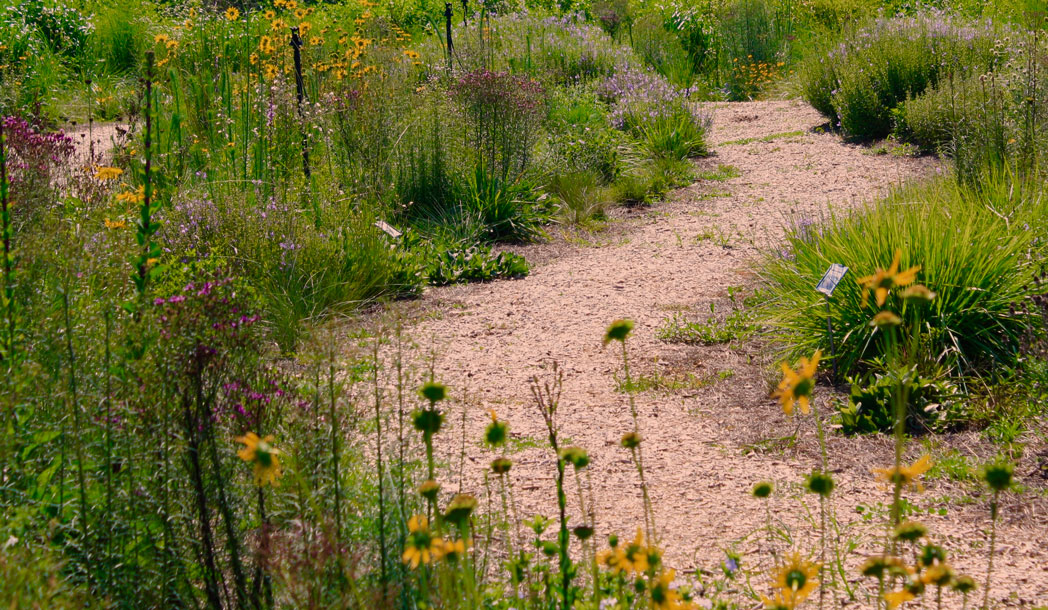
Native wildflowers adapt well to Florida’s weather and soil. They need less water and care than non-natives. Examples include Coreopsis, Blanket Flower, and Black-Eyed Susan. Native plants support local wildlife and pollinators. Choosing native varieties helps your garden thrive naturally.
Perennial Vs Annual Species
Perennials return each year, saving time and money. They provide long-lasting color and structure in your garden. Annuals grow quickly and bloom all season but last only one year. Mixing both types can offer continuous color and variety. Decide based on your garden goals and maintenance preferences.
Flower Color And Bloom Time
Wildflowers come in many colors, from bright yellows to soft purples. Choose colors that match your garden style or attract pollinators. Bloom time varies; some flowers bloom in early spring, others in late summer. Plant a mix for blooms throughout the year. This keeps your garden lively and colorful for months.
Common Planting Mistakes
Planting wildflowers in Florida can be very rewarding. Still, many gardeners make common mistakes that affect growth. These errors can reduce your chances of a vibrant, colorful garden. Avoiding these mistakes helps wildflowers thrive and bloom beautifully.
Overcrowding Seeds
Many people plant too many seeds in one spot. Overcrowding causes competition for water, light, and nutrients. This weakens young plants and slows growth. Spread seeds evenly and avoid piling them together. Give each seed space to grow strong and healthy.
Ignoring Soil Conditions
Wildflowers need the right soil to grow well. Some soils in Florida are too sandy or lack nutrients. Planting without testing or improving soil can hurt seed germination. Loosen the soil before planting. Remove weeds and add compost to improve soil quality. Proper soil makes it easier for seeds to sprout.
Planting At Wrong Time
Timing is key for wildflower planting in Florida. Planting too early or too late can stop seeds from growing. Fall is usually best for wildflower seeds. It allows natural rain and cooler temperatures to help seeds sprout. Planting at the wrong time wastes seeds and effort.

Credit: gardeningonthego.wordpress.com
Tips For Long-term Wildflower Success
Ensuring long-term success with wildflowers in Florida requires ongoing care beyond planting. Consistent attention helps wildflowers thrive year after year. Simple actions can boost their health and natural beauty. Maintaining your wildflower garden seasonally, managing pests naturally, and promoting growth are key steps.
Seasonal Maintenance
Check your wildflower garden each season. Remove dead plants and old seed heads to make room for new growth. Lightly mow or trim wildflowers in late winter to encourage fresh shoots. Clear any fallen leaves or debris that may block sunlight. Mulching with natural materials helps retain soil moisture and reduce weeds.
Dealing With Pests
Watch for common pests like aphids or caterpillars. Use natural pest control methods such as neem oil or insecticidal soap. Avoid harsh chemicals that harm beneficial insects like bees and butterflies. Encourage birds and ladybugs as natural pest predators. Keep plants healthy to resist pest damage better.
Encouraging Natural Growth
Let wildflowers self-seed to expand their presence naturally. Avoid overwatering; Florida rains often provide enough moisture. Plant native species suited to local soil and climate. Rotate wildflower patches to prevent soil fatigue. Use organic compost to enrich soil nutrients and improve growth.
Frequently Asked Questions
Can I Just Throw Wildflower Seeds On The Ground?
You can throw wildflower seeds on the ground, but preparing soil improves growth. Loosen soil, remove weeds, spread seeds evenly, press gently, and water lightly for best results. Planting in fall helps natural moisture aid germination.
Can You Plant Wildflowers In The Fall?
Yes, you can plant wildflowers in fall. Loosen soil, remove weeds, spread seeds evenly, press them lightly, and water gently. Fall planting uses winter moisture for spring germination.
What Wildflowers Are Easy To Grow In Florida?
Easy-to-grow wildflowers in Florida include Coreopsis, Blanketflower, Black-eyed Susan, and Tickseed. These thrive in Florida’s climate and require minimal care.
Is August Too Late To Plant Wildflowers?
August can be late but still works for planting wildflowers in warm climates. Prepare soil well and water gently. Seeds may take longer to germinate but will grow with proper care. For best results, plant earlier or in fall for natural moisture and cooler temperatures.
Conclusion
Planting wildflowers in Florida during fall gives seeds a natural boost. Soil preparation and even seed spreading improve growth chances. Pressing seeds gently helps them stay put and absorb moisture. Wildflowers add beauty and support local wildlife. Start now for vibrant blooms next spring.
Enjoy the simple joy of watching wildflowers grow.