
If you’re thinking about planting citrus trees in Central Florida, timing is everything. Planting at the right time can make a huge difference in how well your trees grow and how much fruit they produce.
You want to give your citrus trees the best start, so they can thrive in the Florida climate and reward you with juicy, fresh fruit year after year. You’ll discover the best months to plant your citrus trees, how to prepare your soil, and tips to help your trees flourish.
Keep reading to make sure your citrus planting efforts lead to a bountiful harvest!
Credit: gardenvive.com
Ideal Planting Months
Choosing the ideal months to plant citrus trees in Central Florida is key for strong growth. The climate here supports citrus well, but timing affects root development and fruit production. Planting during certain months helps trees settle before weather changes. This guide explains the best windows to start your citrus orchard.
July To October Planting Window
July through October offers a prime planting window in Central Florida. The soil remains warm, helping roots grow quickly. Summer rains supply moisture, reducing watering needs. Trees planted now develop strong roots before cooler weather arrives. This timing lowers transplant shock and boosts survival rates. It also allows young trees to prepare for the winter chill.
Spring Planting Benefits
Spring is another good season for planting citrus trees. The soil warms up steadily, encouraging root expansion. Rainfall is moderate, so trees get enough water without risk of flooding. Spring planting gives trees the full growing season to mature. They can build strong branches and leaves before heat peaks. This timing suits gardeners who prefer to plant after the last frost.
Autumn Planting Advantages
Autumn planting helps trees settle into cooler, stable weather. Lower temperatures reduce stress on new plants. Trees focus energy on root growth rather than leaf production. This strengthens their foundation for the next spring. Autumn rains support hydration without overwatering. Planting in fall also avoids the intense summer heat that can damage young trees.
Choosing The Right Citrus Varieties
Choosing the right citrus varieties is key for success in Central Florida. The region’s warm climate suits many types of citrus trees. Each variety has unique traits, flavors, and care needs. Picking the right one helps ensure healthy growth and tasty fruit. Here are some popular citrus trees that thrive in Central Florida.
Meyer Lemon
The Meyer lemon is a favorite for home gardeners. It produces sweeter, less acidic fruit than regular lemons. This tree is compact and hardy, making it ideal for smaller spaces. Meyer lemons do well in Central Florida’s mild winters. They need full sun and well-drained soil to grow best.
Calamondin Orange
Calamondin oranges are small and sour, perfect for cooking and drinks. These trees are very hardy and tolerate heat and humidity well. They bloom often, giving fruit throughout the year. Calamondin trees are also great as ornamental plants with their bright orange fruit.
Cocktail Lemon And Lime
The cocktail tree combines lemons and limes on one plant. It produces a mix of small, juicy fruits. This tree is compact and suitable for patios or small yards. It thrives in Central Florida’s warm climate. Regular watering and sunlight help it produce fruit all year.
Australian Finger Lime
The Australian finger lime is unique with its elongated, finger-shaped fruit. Inside, the fruit has small juice vesicles that pop like caviar. This variety prefers partial shade and well-drained soil. It grows well in Central Florida if protected from strong afternoon sun.
Variegated Pink Eureka Lemon
The variegated pink Eureka lemon stands out with striped green and yellow leaves. Its fruit has pink flesh and a tart flavor. This tree grows well in full sun and needs regular watering. It adds color and flavor variety to any citrus garden in Central Florida.
Soil And Sunlight Needs
Understanding soil and sunlight needs is crucial for planting citrus trees in Central Florida. The right soil and sun exposure help trees grow strong and produce sweet fruit. Citrus trees prefer soil that drains well and gets plenty of sunlight. Preparing the soil properly and choosing the right spot can make a big difference in tree health. Below are essential tips to get started.
Soil Preparation Tips
Start by testing your soil’s pH. Citrus trees thrive in slightly acidic soil with a pH between 6.0 and 7.0. Remove rocks, roots, and debris from the planting area. Mix organic compost into the soil to improve nutrients. Loosen the soil to a depth of about 12 inches for better root growth. Avoid heavy clay soils, as they hold too much water and can harm roots.
Sunlight Requirements
Citrus trees need full sun to grow well. Choose a spot that gets at least six to eight hours of direct sunlight daily. Morning sun is especially important to dry the leaves and prevent diseases. Avoid shaded areas under large trees or buildings. Good sunlight helps the tree produce more flowers and fruit.
Drainage Considerations
Proper drainage is key to prevent root rot and other issues. Plant your citrus tree on a slight mound or raised bed if your soil stays wet after rain. Check that water does not pool around the base of the tree. Sandy or loamy soils drain best in Central Florida. Use mulch to keep moisture steady but keep it away from the trunk to avoid rot.
Credit: floridafruitgeek.com
Planting Techniques
Proper planting techniques help citrus trees grow strong and healthy in Central Florida. Paying attention to the type of tree, planting depth, and watering habits ensures your tree thrives. These steps set the foundation for good fruit production and long life.
Container Vs. Bare Root Trees
Container trees come with soil around their roots. They are easier to plant and less risky. You can plant them almost any time during the growing season. Bare root trees have no soil on their roots. Plant these trees in early spring or late fall. They need careful handling to avoid drying out. Container trees usually start growing faster than bare root trees.
Proper Planting Depth
Plant citrus trees at the same depth they grew in the nursery. Too deep planting can cause root rot and slow growth. Too shallow planting may dry out roots quickly. Make a hole twice as wide as the root ball. Place the tree carefully and fill the hole with soil. Firm the soil gently to remove air pockets but do not pack it hard.
Watering After Planting
Water the tree immediately after planting to settle the soil. Keep the soil moist but not waterlogged for the first few weeks. Use a slow, deep watering method to reach roots well. Mulch around the tree to keep moisture and reduce weeds. Check soil moisture regularly to avoid over or under watering.
Climate And Weather Factors
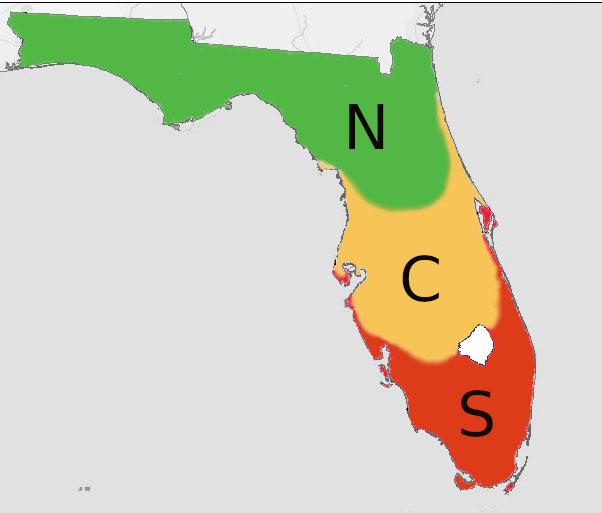
Climate and weather play a crucial role in the success of planting citrus trees in Central Florida. The region’s subtropical climate offers warmth and sunlight that citrus trees love. Yet, there are specific weather factors to consider. These include the risks of frost, the intensity of summer heat, and the pattern of rainfall. Understanding these elements helps in choosing the best planting time and ensures healthy tree growth.
Each of these factors affects the tree at different stages of its life. Frost can damage young trees. Too much heat can stress the plants. Rainfall influences soil moisture and nutrient uptake. Let’s explore these key weather considerations.
Frost Risk Timing
Central Florida experiences light frost from December to February. Young citrus trees are sensitive to frost damage. Planting after the last frost date reduces the risk of cold injury. This timing helps trees establish roots before cold weather returns. Protecting trees during unexpected cold snaps is also important. Using frost cloths or planting near heat-retaining structures can help.
Managing Summer Heat
Summers in Central Florida are hot and humid. Temperatures often rise above 90°F. High heat can cause leaf scorch and reduce fruit quality. Planting trees early enough allows roots to grow deep, helping trees withstand heat. Mulching around the base keeps soil cooler and moist. Providing shade for young trees during peak heat hours supports healthy growth.
Rainfall Impact
Central Florida receives most rain from June through September. Adequate rainfall supports strong root development. Too much rain, however, can cause root rot and nutrient leaching. Well-drained soil is essential to avoid waterlogging. Supplement watering during dry spells to maintain consistent moisture. Monitoring rainfall helps adjust irrigation and protect tree health.
Common Challenges In Central Florida
Cultivating citrus trees in Central Florida offers great rewards but comes with distinct challenges. Understanding these common issues helps ensure healthy growth and fruitful harvests. Central Florida’s climate and soil conditions require special attention to protect citrus trees from threats.
Pests And Diseases
Citrus trees face many pests like aphids, scales, and citrus leafminers. These insects damage leaves and fruit, reducing tree health and yield. Diseases such as citrus canker and greening also pose serious risks. Regular inspection and early treatment keep these problems under control. Using organic or chemical controls helps manage pests and diseases effectively.
Cold Sensitivity
Citrus trees are sensitive to cold temperatures common in Central Florida winters. Frost can damage leaves, flowers, and fruit, slowing tree growth. Protecting young trees with frost cloths or moving potted trees indoors prevents cold injury. Planting in well-drained sites and avoiding low spots reduces frost damage risks. Choosing cold-tolerant citrus varieties also improves survival through colder months.
Soil Nutrient Deficiencies
Central Florida soils often lack essential nutrients like nitrogen, magnesium, and iron. These deficiencies lead to yellowing leaves and poor fruit development. Regular soil testing guides proper fertilization to supply needed nutrients. Using balanced citrus fertilizers and adding organic matter improves soil health. Mulching helps retain moisture and supports nutrient uptake for stronger trees.
Care And Maintenance Tips
Caring for citrus trees in Central Florida ensures healthy growth and bountiful fruit. Proper maintenance helps trees resist diseases and pests. It also supports strong roots and vibrant leaves. Below are key tips on fertilizing, pruning, and watering your citrus trees.
Fertilizing Schedule
Feed citrus trees regularly to keep them healthy. Use a balanced citrus fertilizer with nitrogen, phosphorus, and potassium. Apply fertilizer three times a year: early spring, early summer, and early fall. Spread fertilizer evenly around the tree, avoiding the trunk. Follow label instructions for correct amounts.
Pruning Practices
Prune citrus trees to remove dead or damaged branches. Thin out crowded areas to improve air flow and light. Prune in late winter or early spring before new growth starts. Avoid heavy pruning, which can stress the tree. Use sharp, clean tools to make clean cuts.
Irrigation Strategies
Water citrus trees deeply and less often to encourage strong roots. Young trees need more frequent watering, about twice a week. Mature trees require watering every 10 to 14 days. Water early in the morning to reduce evaporation. Avoid waterlogging the soil, which harms roots.
Harvesting And Yield Expectations
Understanding the harvesting and yield expectations of citrus trees in Central Florida helps set realistic goals for your garden. Citrus trees need time to grow strong before producing fruit. Yields depend on the tree’s age, care, and local climate. Proper harvesting ensures you enjoy the best flavor and quantity from your trees.
Time To First Fruit
Citrus trees usually bear fruit within 2 to 3 years after planting. Young trees focus on root and branch growth before fruiting. Some varieties may take longer, up to 4 years. Patience is key to seeing the first harvest. Healthy growth speeds up the fruiting process.
Maximizing Fruit Quality
Fruit quality improves with proper watering and fertilization. Avoid overwatering to prevent root problems. Use balanced fertilizer rich in nitrogen, phosphorus, and potassium. Prune trees to allow sunlight and air inside the canopy. This reduces pests and helps fruit ripen evenly. Picking fruit at the right time ensures sweetness and juiciness.
Seasonal Harvest Periods
Central Florida’s mild climate allows citrus harvesting from late fall through spring. Oranges and grapefruits peak between December and March. Lemons and limes may produce fruit year-round. Seasonal rains and temperature changes influence fruit size and flavor. Plan to harvest regularly to keep trees healthy and productive.
Credit: www.myriverdistrict.com
Frequently Asked Questions
When To Plant Citrus Trees In Central Florida?
Plant citrus trees in central Florida from July through October. Choose a sunny spot with well-drained soil for best growth.
What Is The Easiest Citrus Tree To Grow In Florida?
The easiest citrus tree to grow in Florida is the Meyer lemon. It thrives in Florida’s climate and resists common diseases well.
Is September Too Late To Plant Fruit Trees?
September is not too late to plant fruit trees. Early fall allows roots to establish before winter, reducing transplant shock. Choose healthy trees and well-drained soil for best results. Avoid bare-root trees in late fall to prevent root damage during cold weather.
What Is The Best Month To Plant Citrus Trees?
The best months to plant citrus trees are July through October. This period ensures optimal soil moisture and temperature for growth.
Conclusion
Plant citrus trees in Central Florida from July to October. This timing helps roots grow strong before cooler months arrive. Choose a sunny spot with good soil drainage. Water young trees regularly to keep soil moist but not wet. Avoid planting during extreme heat or cold spells.
Healthy citrus trees produce sweet and juicy fruits. Patience and care make your planting efforts successful. Start at the right time and enjoy fresh citrus from your own garden.