
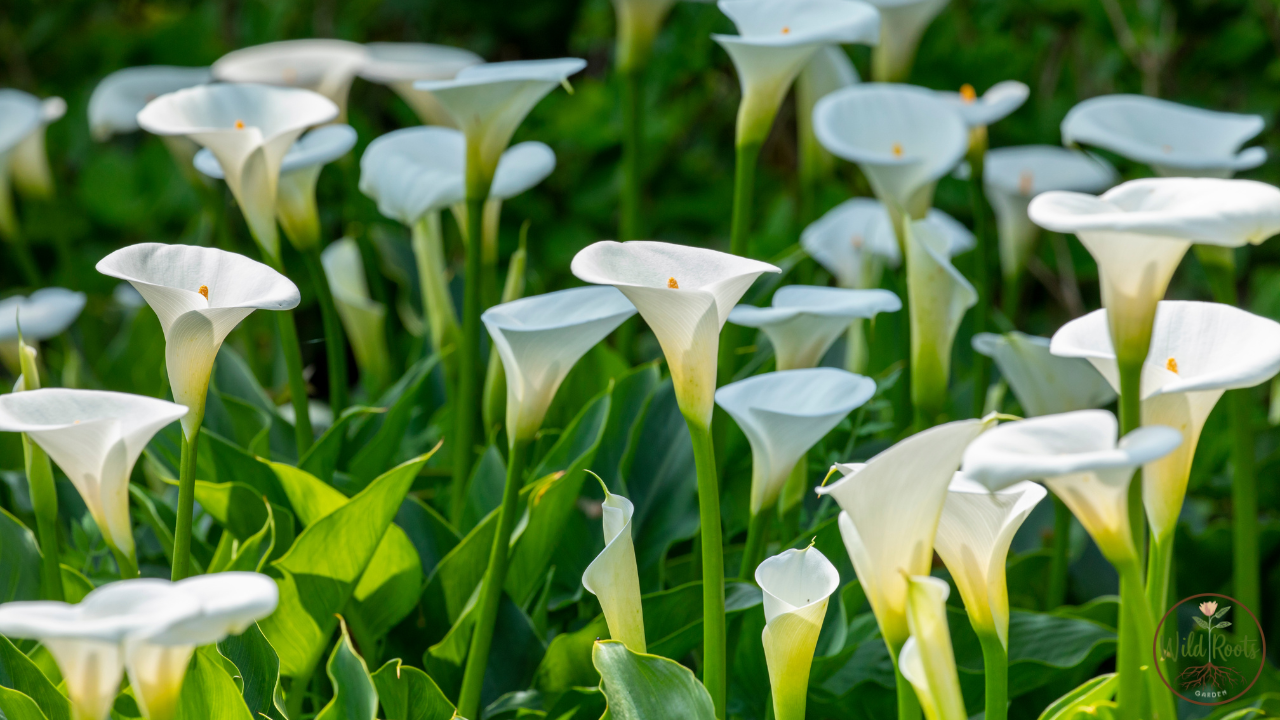
It’s common for your beautiful white potted calla lily to start turning green when summer hits, especially if you live in Florida and grow it indoors. Many plant lovers find this a bit confusing at first. Don’t worry, though!
This is a normal part of the plant’s life cycle. We’ll walk you through simple steps to keep your Best white potted calla lily turning green in summer indoors florida looking its best. Get ready to see your calla lily thrive!
Understanding Your Calla Lily’s Green Transformation
Why Does My White Calla Lily Turn Green?
Seeing white flowers change color can be a surprise, especially when your goal is the classic white bloom. The green you’re noticing is actually the spathe, which is often mistaken for a petal. When calla lilies first bloom, this spathe is a vibrant white, or sometimes a creamy yellow or pink depending on the variety.
As the flower matures, this spathe begins to transform. It will start to develop green hues, eventually turning completely green. This is a natural process and signifies that the flower is aging and preparing to go dormant or produce seeds.
It’s a sign of a healthy, functioning plant, not a problem.
The Role of Light and Nutrients
Light plays a significant role in the color of calla lily spathes. When a spathe first emerges, it’s typically white or a light color. Exposure to sunlight helps to develop its pigment.
However, as the spathe ages, chlorophyll production increases. Chlorophyll is the pigment that makes plants green and is essential for photosynthesis. This increase in chlorophyll is what causes the spathe to shift from white to green.
So, while light is important for growth, the aging process itself triggers the greening.
Nutrients are also a factor, though less directly in the color change itself. A well-fed plant is a healthy plant, and healthy plants go through their natural life cycles properly. If your calla lily is not getting adequate nutrients, it might not bloom strongly or might show other signs of stress.
However, the greening of a mature white spathe is not usually a sign of nutrient deficiency but rather a sign of maturity.
Summer and Florida Conditions
Florida’s warm climate and intense sunlight can accelerate certain plant processes. For calla lilies grown indoors in Florida, the combination of warmth, humidity, and often bright indirect light can influence how quickly the spathes mature and begin to turn green. While you might be aiming for a prolonged display of white flowers, the environmental conditions can speed up the natural aging of the blooms.
This is perfectly normal. The key is to appreciate the different stages of the calla lily’s bloom cycle.
Caring for Your Calla Lily Indoors in Florida
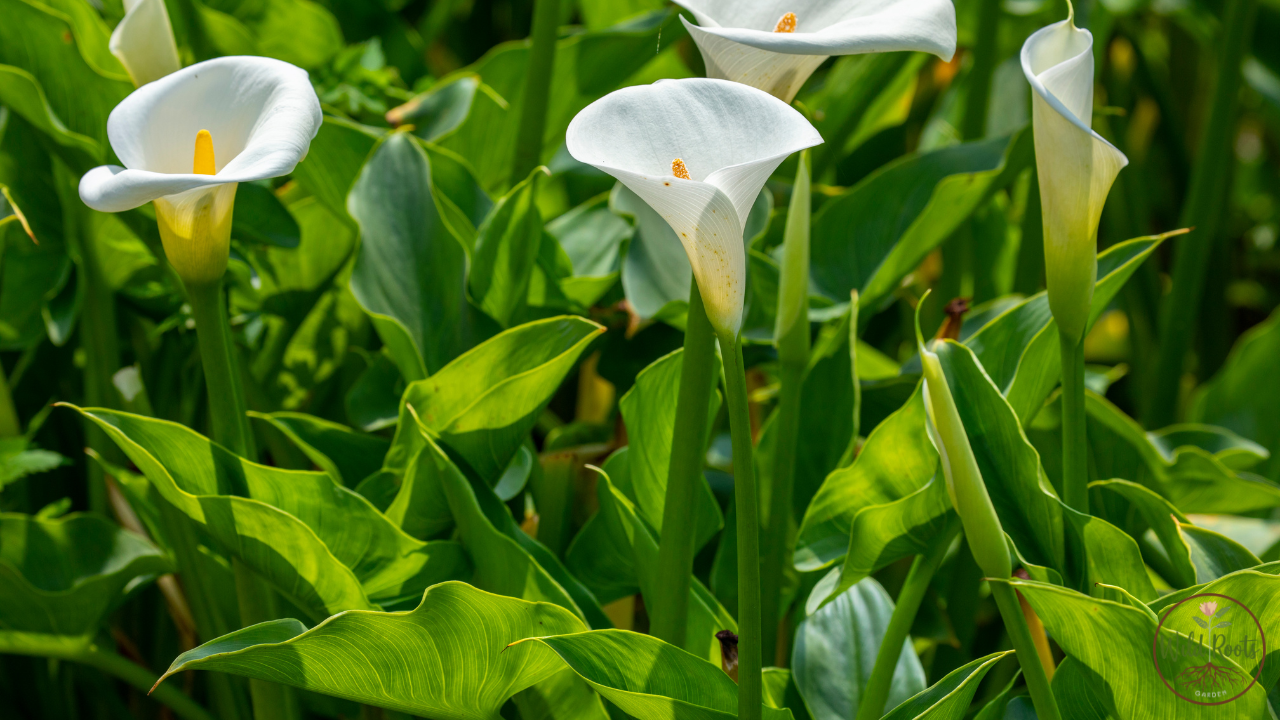
Choosing the Right Pot and Soil
When you have a Best white potted calla lily turning green in summer indoors florida, the pot and soil are fundamental to its health. Calla lilies prefer well-draining soil. A good potting mix that includes perlite or sand can help prevent waterlogging.
Waterlogging is a common enemy of calla lilies, leading to root rot. Ensure your pot has drainage holes at the bottom. Terracotta pots are excellent because they allow the soil to breathe and dry out more evenly than plastic pots.
The size of the pot should be appropriate for the rhizome; not too large, as this can also lead to excess moisture retention.
Light Requirements for Healthy Blooms
Calla lilies thrive in bright, indirect light. Direct, harsh sunlight, especially during the peak hours of a Florida summer, can scorch the leaves and flowers. Aim for a spot near a window that receives plenty of light but is protected from the most intense rays.
East-facing windows are often ideal, providing morning sun. If your window is south-facing, consider using a sheer curtain to diffuse the light. Insufficient light can lead to leggy growth and fewer blooms, or blooms that are paler than usual.
Watering Techniques for Optimal Growth
Watering is crucial and often a point of confusion. Calla lilies like consistently moist soil, but not soggy. Allow the top inch of soil to dry out slightly between waterings.
In Florida’s heat, you might need to water more frequently, but always check the soil moisture with your finger before watering. Overwatering is a common mistake that can lead to root rot, especially in a humid environment like Florida. Underwatering can cause the plant to wilt, and mature blooms may fade or turn green more rapidly.
Good drainage is your best friend here.
Temperature and Humidity
Calla lilies prefer moderate temperatures, generally between 60°F and 75°F (15°C to 24°C). Florida summers can be challenging with indoor temperatures that might fluctuate. Avoid placing your calla lily near heating or cooling vents, as drafts can stress the plant.
Humidity is generally appreciated by calla lilies, and Florida’s natural humidity can be beneficial. However, if your indoor air is very dry, especially with air conditioning running constantly, you might consider placing the pot on a pebble tray filled with water. Ensure the bottom of the pot is not sitting directly in the water.
Fertilizing for Bloom Support
To encourage blooming and support overall plant health, fertilize your calla lily during its growing season, which is typically spring through summer. Use a balanced liquid fertilizer diluted to half strength. You can fertilize every 2-4 weeks.
Avoid over-fertilizing, as this can burn the roots and harm the plant. Once the plant begins to slow down its growth, usually in the fall, reduce or stop fertilizing. The goal is to provide nutrients for healthy growth and vibrant blooms, not to force continuous flowering, which can exhaust the plant.
Managing Bloom Cycles and Longevity
Understanding Bloom Senescence
Bloom senescence is the natural process of a flower aging and dying. For your Best white potted calla lily turning green in summer indoors florida, the greening of the spathe is a visible sign of this senescence. Once the spathe turns green, its primary function is complete.
It can no longer effectively attract pollinators in the way it did when white. The plant will then focus its energy on other processes, like root growth, producing new leaves, or preparing for dormancy. It’s important not to see this greening as the end of your plant’s beauty, but rather as a transition.
Post-Bloom Care and Dormancy
After the spathes have fully matured and turned green, they will eventually wither and die. At this point, you can trim them off at the base of the stem. This helps the plant direct its energy towards producing new growth rather than trying to sustain aging blooms.
Calla lilies often go through a period of dormancy, typically in the fall or winter, after their active growing season. During dormancy, you’ll notice the foliage may yellow and die back. This is perfectly normal.
To manage dormancy for potted calla lilies:
- Reduce watering significantly. Keep the soil barely moist.
- Stop fertilizing altogether.
- Store the pot in a cool, dry place with minimal light, such as a basement or garage, where temperatures are between 45°F and 55°F (7°C and 13°C).
In the early spring, you can repot the rhizome if it has outgrown its container, or refresh the soil. Begin watering and fertilizing again to encourage new growth. This cycle of growth, bloom, senescence, and dormancy is natural and essential for the long-term health of your calla lily.
Encouraging New Blooms
To encourage your calla lily to produce new white blooms after its rest period, proper care is essential. Once you see signs of new growth in spring (usually small shoots emerging from the soil), you can gradually increase watering and begin a regular fertilizing schedule. Ensure it receives plenty of bright, indirect light.
Patience is key. It may take a few weeks to a couple of months after the end of dormancy for the plant to produce new flower stalks. The goal is to mimic its natural growing conditions as closely as possible.
Common Pests and Diseases
While generally hardy, potted calla lilies can sometimes encounter pests and diseases. Indoors, common pests include aphids, spider mites, and mealybugs. Regularly inspect your plant’s leaves and stems for any signs of infestation.
If you spot pests, try washing them off with a strong spray of water or using insecticidal soap.
Diseases are often related to overwatering. Root rot is the most common, caused by fungal pathogens in persistently wet soil. Symptoms include yellowing leaves, wilting even when the soil is moist, and a foul odor from the soil.
Prevention is key: ensure good drainage and proper watering practices. If root rot is suspected, you may need to repot the rhizome, trim away any rotted roots, and replant in fresh, well-draining soil.
Troubleshooting Your Calla Lily
Why Are My Calla Lily Leaves Yellowing?
Yellowing leaves on a calla lily can be caused by several factors. It could be a sign of overwatering, leading to root rot. Check the soil moisture; if it’s constantly wet, reduce watering.
It could also be underwatering, especially during hot weather, causing the plant to stress and shed older leaves. Insufficient light can also contribute to yellowing leaves, as the plant struggles to photosynthesize effectively. Finally, natural aging of older leaves is normal; the plant sheds older leaves to support new growth.
My Calla Lily Isn’t Blooming
If your calla lily isn’t producing flowers, assess its growing conditions. Lack of sufficient bright, indirect light is a very common reason. Ensure it’s not in too much shade.
Overwatering or poor drainage can also prevent blooming because the plant focuses its energy on survival. Make sure the soil drains well and you’re not keeping it constantly waterlogged. If the plant is actively growing and has been well-cared for, it might simply need time to build up energy reserves, especially if it’s a young plant or has recently been repotted.
Proper dormancy and a good feeding schedule after dormancy are also vital.
Flower Buds Turning Brown and Wilting
Flower buds that turn brown and wilt before opening can indicate several issues. Sudden changes in temperature, drafts from air conditioning or heating, or inconsistent watering can stress the plant. Extremely dry air can also cause this.
Ensure your calla lily is in a stable environment with consistent moisture and humidity. Sometimes, if the plant is trying to produce too many blooms at once without enough energy, some buds may abort.
When Does a White Calla Lily Bloom Turn Green
The timing of when a white calla lily bloom turns green can vary. It typically starts to show green tinges about 7 to 14 days after reaching its full white bloom stage. This timeframe is influenced by factors such as variety, environmental conditions, and the plant’s overall health.
In the warm, bright conditions of Florida summer, even indoors, this process might happen a bit more quickly than in cooler climates. It’s a natural progression, signifying the bloom’s maturity and the end of its peak beauty. Instead of viewing it as a problem, think of it as the calla lily completing its reproductive cycle, preparing for new growth and future blooms.
Frequently Asked Questions
Question: How long do white calla lily flowers stay white before turning green
Answer: White calla lily flowers typically remain fully white for about 7 to 14 days after opening. After this peak period, they will gradually begin to show green hues as they mature.
Question: Can I stop my white calla lily from turning green
Answer: No, you cannot stop the natural process of a white calla lily bloom turning green. This is a sign of the flower aging and is a normal part of its life cycle.
Question: What does it mean if my calla lily has many white flowers turning green at once
Answer: If many white flowers turn green at once, it usually means they all bloomed around the same time and are now naturally maturing and senescing. This indicates good health and consistent growing conditions that allowed for synchronized blooming.
Question: Is it okay to keep a calla lily with green spathes indoors
Answer: Yes, it is perfectly fine to keep a calla lily with green spathes indoors. The green spathe is a natural stage of the bloom and the plant is still healthy and can continue to grow and produce new blooms.
Question: Do I need to do anything different for my calla lily after the white flowers turn green
Answer: After the white flowers turn green and eventually wither, you can trim them off. The plant will then focus its energy on leaf growth and preparing for its next blooming cycle or dormancy period. Continue with regular care.
Final Thoughts
Watching your Best white potted calla lily turning green in summer indoors florida is a natural part of its beautiful life cycle. It’s a sign of a healthy plant completing its bloom. By understanding its needs for light, water, and soil, and by respecting its dormancy, you ensure it will grace your home with stunning white flowers year after year.
Embrace the green stage as a transition, and look forward to new buds to come. Your calla lily is simply doing what it’s supposed to do.