Are you looking to add vibrant colors and natural beauty to your Florida garden? Growing wildflowers is one of the easiest and most rewarding ways to do just that.
Wildflowers not only brighten up your space but also support local wildlife like bees, butterflies, and birds. But with so many options, which wildflowers thrive best in Florida’s unique climate? You’ll discover the best wildflowers to grow in Florida that are easy to care for and perfect for your garden.
Whether you’re a beginner or an experienced gardener, these flowers will help your outdoor space flourish year-round. Keep reading to find out how to choose, plant, and nurture wildflowers that will transform your garden into a colorful haven.
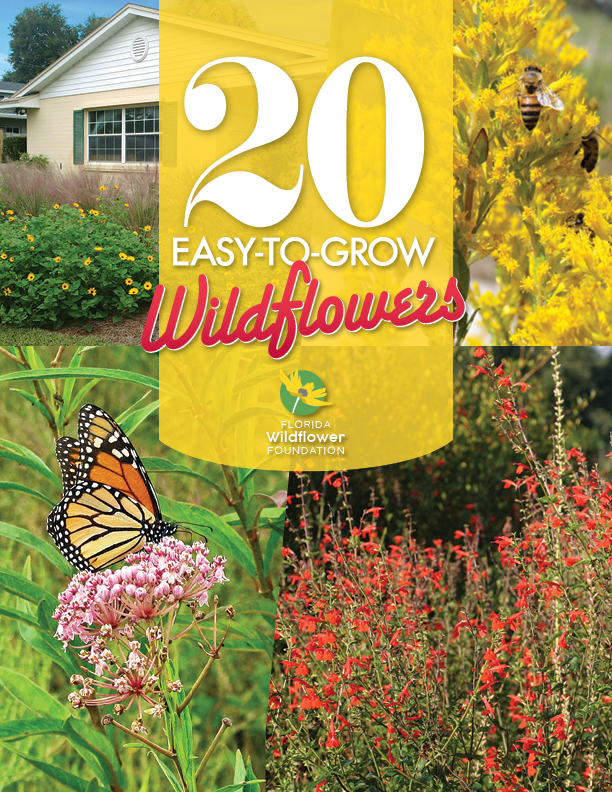
Credit: www.flawildflowers.org
Top Wildflowers For Florida Gardens
Florida gardens thrive with colorful wildflowers that suit the climate well. Choosing the right wildflowers brings beauty and supports local wildlife. These wildflowers grow strong in Florida’s sandy soil and warm weather. Here are some top wildflowers perfect for Florida gardens.
Milkweed Varieties
Milkweed attracts butterflies and bees. It has tall stems with clusters of pink or orange flowers. Milkweed is essential for monarch butterflies’ survival. It grows well in dry, sunny spots.
Florida Greeneyes
Florida greeneyes have bright yellow flowers with dark centers. This wildflower blooms in spring and summer. It prefers full sun and well-drained soil. Greeneyes add a cheerful splash of color.
Goldenaster Species
Goldenaster produces golden-yellow flowers resembling small daisies. It blooms from late summer to fall. This flower is drought-tolerant and attracts pollinators. Goldenaster brightens any garden space.
False Rosemary
False rosemary has narrow, gray-green leaves and small purple flowers. It smells fresh and grows in sandy soils. This plant is drought-resistant and loves full sun. False rosemary supports bees and butterflies.
Tickseed Options
Tickseed features daisy-like yellow flowers with fine petals. It blooms for months and handles heat well. Tickseed is easy to grow and needs little care. It thrives in sunny, dry areas.
Twinflower Types
Twinflower shows clusters of small, tubular flowers in pink or purple. It grows low to the ground and spreads gently. Twinflower prefers partial shade and moist soil. It attracts hummingbirds and pollinators.
Verbena Choices
Verbena offers small, colorful flowers in purple, pink, or white. It blooms all summer long. Verbena grows well in sunny, well-drained spots. It draws butterflies and bees to the garden.
Sunflower Varieties
Sunflowers bring bold, bright yellow blooms to any garden. They grow tall and love the sun. Sunflowers attract birds and pollinators. Many varieties suit Florida’s hot climate.

Credit: www.createdbynature.com
Best Planting Times By Region
Planting wildflowers in Florida depends on the region’s climate. Each area has a best time for seed sowing. Plant at the right time for strong growth and vibrant blooms. Knowing your region’s schedule helps wildflowers thrive and resist pests.
Fall is the main planting season. Cooler temperatures and rainfall support seed germination. Early planting lets roots grow before hot weather arrives. Let’s explore the best planting times for each Florida region.
North Florida Schedule
Plant wildflower seeds from mid-September to mid-October. The cooler fall weather helps seeds sprout well. This timing avoids the summer heat and dry spells. It also gives plants a good start before winter. Early planting ensures blooms in spring and summer.
Central Florida Schedule
Plant seeds from mid-October to the end of December. The weather is mild with regular rainfall. This period protects young plants from late summer heat. Seeds have time to settle before spring growth. Central Florida’s schedule supports diverse wildflower species.
South Florida Schedule
Plant wildflowers from November through January. The warm, moist winter aids seed germination. This avoids the hot and dry summer months. South Florida’s mild winters let wildflowers grow year-round. Planting in winter leads to colorful spring blooms.
Site Preparation Tips
Preparing your site properly is essential for growing wildflowers successfully in Florida. Good preparation helps seeds take root and thrive. It also ensures wildflowers get enough nutrients and space to grow strong.
Follow these simple steps to get your planting area ready. Proper site preparation increases the chances of a colorful, healthy wildflower garden.
Choosing The Right Location
Select a spot that gets plenty of sunlight. Most wildflowers need at least six hours of sun daily. Avoid areas with heavy shade or poor drainage. Look for a flat or gently sloping area to prevent water buildup. Consider the soil type and nearby plants that may compete with your wildflowers.
Removing Existing Vegetation
Clear the area of grass, weeds, and other plants. These can block wildflower seeds from reaching the soil. Use a hoe or rake to remove roots and debris. Hand-pulling small weeds works well for tight spaces. Removing old plants reduces competition for nutrients and water.
Soil Preparation Techniques
Loosen the soil to a depth of 2 to 3 inches. This helps seeds settle and roots grow easily. Break up large clumps and remove rocks or sticks. Avoid adding fertilizer unless a soil test shows a need. Most wildflowers thrive in low-nutrient soils. Lightly firm the soil after planting to improve seed-to-soil contact.
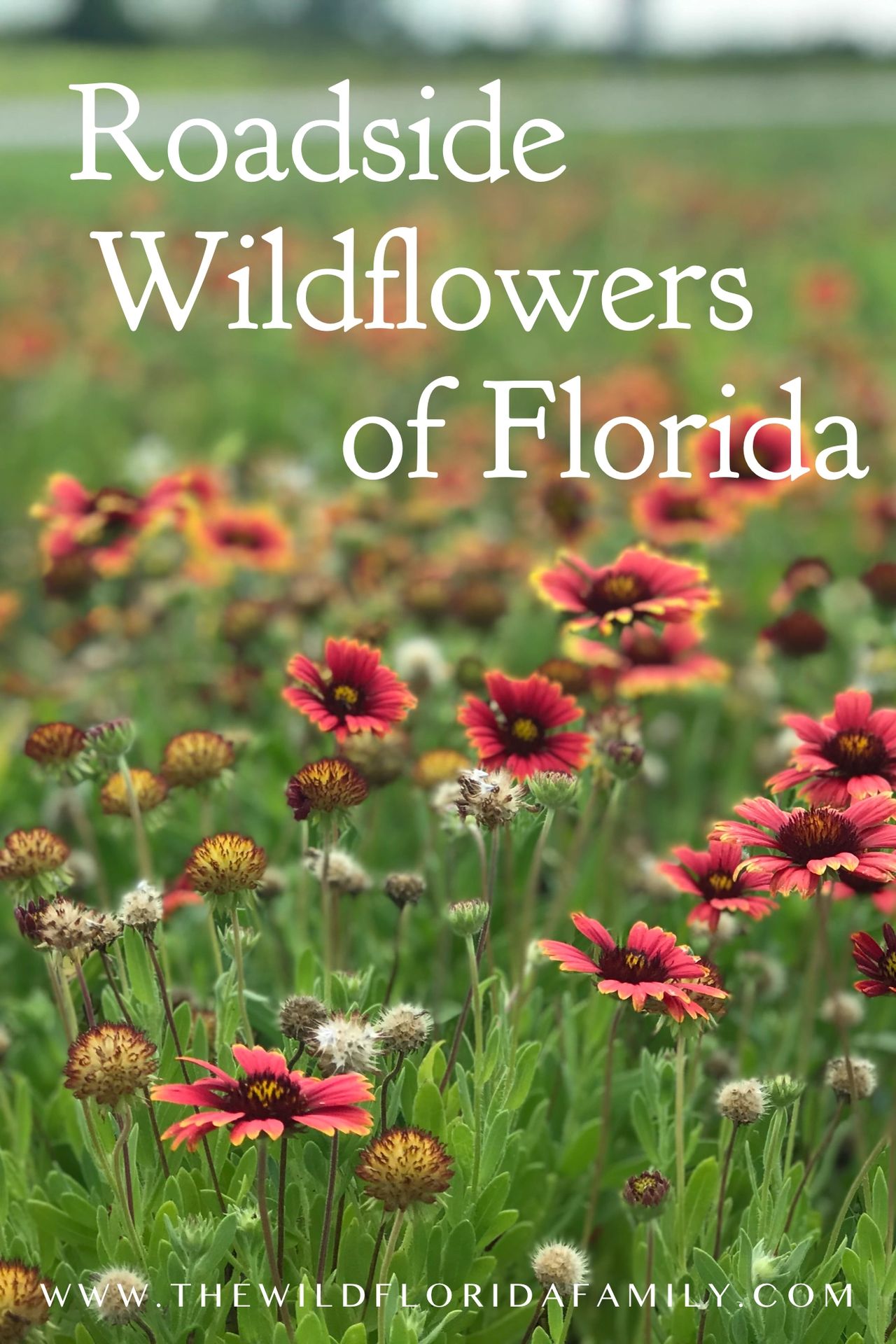
Credit: thewildfloridafamily.com
Seed Sowing Techniques
Successful wildflower growth in Florida starts with proper seed sowing techniques. Seeds need the right treatment and environment to sprout strong roots. These techniques improve germination rates and ensure vibrant blooms across seasons.
Different wildflower varieties may require specific handling. Yet, a few simple sowing tips work well for most Florida natives. Understanding how to scatter, press, and plant seeds helps create a thriving wildflower garden.
Scattering Seeds Effectively
Spread seeds evenly over prepared soil for best coverage. Use your hand or a small tool to distribute seeds thinly. Avoid clumps to reduce competition among seedlings. Mix seeds with sand to help scatter over larger areas. This method improves seed placement and growth chances.
Ensuring Seed-to-soil Contact
Press seeds gently into the soil after scattering. Good seed-to-soil contact helps absorb moisture needed for germination. Use a flat board or your hand to press seeds lightly. Do not cover seeds deeply; just firm the surface. This step keeps seeds moist and safe from birds.
Avoiding Deep Planting
Plant seeds at or near the soil surface. Most wildflower seeds need light to germinate well. Deep planting can prevent sprouts from reaching sunlight. Follow package instructions for depth guidelines. Shallow sowing helps seeds emerge quickly and grow healthy roots.
Watering And Care
Watering and care play a vital role in growing wildflowers in Florida. Proper watering helps seeds germinate and plants thrive. Wildflowers need different watering amounts at each growth stage. Understanding these needs ensures healthy plants and vibrant blooms.
Initial Watering Practices
After planting wildflower seeds, water the area gently. Keep the soil moist but not soaked. Water daily or every other day during dry spells. Avoid puddles or heavy watering that can wash away seeds. Use a fine spray to protect delicate seedlings.
Transitioning To Rainfall
Once seedlings grow, start reducing watering frequency. Let natural rainfall support the plants. Watch weather patterns and water only during extended dry periods. This helps plants build strong roots. Overwatering can weaken wildflowers and cause disease.
Supporting Seedling Growth
Young wildflowers need care to establish well. Mulch around seedlings to keep soil moist and cool. Remove weeds that compete for water and nutrients. Check plants regularly for signs of stress or pests. Provide extra water during hot, dry days.
Benefits Of Native Wildflowers
Native wildflowers bring many benefits to Florida gardens and landscapes. These plants are naturally adapted to local soil, climate, and weather. They require less water and care compared to non-native species. Growing native wildflowers helps maintain the natural beauty and health of Florida’s environment. They also play important roles in supporting wildlife and improving garden vitality.
Supporting Local Ecosystems
Native wildflowers support Florida’s local ecosystems by providing food and shelter. Many animals depend on these plants for survival. Birds, insects, and small mammals find places to live and raise their young. These wildflowers help maintain the natural balance and promote healthy soil. Planting native species helps protect Florida’s unique natural habitats.
Attracting Pollinators
Native wildflowers attract many pollinators such as bees, butterflies, and hummingbirds. These creatures are vital for pollination, which allows plants to produce fruits and seeds. Native flowers offer the right kind of nectar and pollen that local pollinators need. Supporting pollinators helps increase garden productivity and supports nearby crops. A garden full of native blooms brings more life and color.
Enhancing Garden Biodiversity
Adding native wildflowers increases garden biodiversity by inviting various plants and animals. More species create a balanced and resilient garden ecosystem. Diverse plant life improves soil health and reduces pests naturally. It also creates a beautiful, natural landscape full of different shapes and colors. Growing native wildflowers encourages a healthy environment that benefits all living things.
Common Challenges And Solutions
Growing wildflowers in Florida offers beauty and supports local wildlife. Yet, gardeners face common challenges that can affect success. Understanding these challenges helps in growing healthy, vibrant wildflower gardens.
Many issues arise from natural competition, wildlife, and seed growth. These problems need simple, effective solutions. The following sections explain how to handle grass and weeds, protect seeds from birds, and improve germination rates.
Dealing With Competing Grass And Weeds
Grass and weeds compete with wildflowers for water and nutrients. They grow faster and can crowd out young wildflower plants. Remove grass and weeds before planting wildflower seeds. Use a hoe or hand-pull them to clear space. Mulching helps by blocking weed growth and keeping soil moist. Avoid heavy fertilizers that favor grass growth over wildflowers.
Protecting Seeds From Birds
Birds often eat wildflower seeds before they sprout. Cover newly seeded areas with lightweight netting or garden fabric. This barrier stops birds but lets sunlight and rain through. Another method is to mix seeds with sand before spreading. This makes seeds less visible to birds. Water the soil gently after planting to settle seeds in place.
Improving Germination Rates
Wildflower seeds need good conditions to sprout. Prepare soil by loosening it to a fine texture. This helps seeds contact the soil and absorb moisture. Plant seeds at the right depth, usually shallow, as too deep stops growth. Keep soil moist but not soggy until seeds germinate. Choose native wildflower seeds adapted to Florida’s climate for better success.
Conclusion
Choosing the best wildflowers for Florida adds color and life to any garden. Native species thrive well in the state’s climate and soil. Planting in the right season helps seeds grow strong and healthy. Wildflowers attract bees, butterflies, and other important pollinators.
They also require less water and care once established. Start with easy-to-grow varieties to enjoy beautiful blooms quickly. Your Florida garden will benefit from the natural beauty and wildlife support. Growing wildflowers is a simple way to connect with nature and brighten your outdoor space.