If you’ve ever dreamed of harvesting fresh, homegrown potatoes right in your Florida garden, you’re in the right place. Growing potatoes in Florida isn’t as tricky as you might think—but it does require knowing the right varieties to choose and the best times to plant.
Whether you have a small backyard or a sunny balcony, understanding the unique climate and soil conditions here can help you get the biggest, tastiest potato harvest possible. In this guide, you’ll discover simple, effective tips that fit Florida’s warm weather perfectly.
Ready to turn your garden into a potato powerhouse? Keep reading to unlock the secrets to growing potatoes successfully in the Sunshine State.
Credit: faitc.org
Climate Conditions In Florida
Florida’s climate plays a key role in growing potatoes successfully. The state has warm temperatures and lots of sunlight. These conditions affect when and how to plant potatoes. Understanding Florida’s climate helps gardeners choose the best planting times and care methods. This section covers the ideal planting seasons and the temperature and sunlight needs for potatoes in Florida.
Ideal Planting Seasons
Potatoes grow best during Florida’s cooler months. In South Florida, plant potatoes from September to January. Central and North Florida gardeners should plant from January through March. These seasons avoid the hottest summer months, which can harm potato growth. Late summer and early spring provide the right conditions for strong plants and good yields. Planting outside these times may reduce potato quality and yield.
Temperature And Sunlight Needs
Potatoes prefer temperatures between 60°F and 70°F. Higher temperatures can slow tuber growth and cause problems. Florida’s mild winters and cool seasons fit these needs well. Potatoes need full sun, at least 6 to 8 hours daily. Sunlight helps plants make food and grow healthy tubers underground. Shaded areas or very hot days can reduce potato size and number. Choose a sunny spot with good air flow for best results.
Credit: ourfrugalfloridahomestead.com
Choosing Potato Varieties
Choosing the right potato varieties is key to a successful harvest in Florida. The climate and soil conditions here suit some types better than others. Selecting varieties that thrive in warm weather ensures healthy plants and good yields. Consider your taste preferences and cooking style too. Different potatoes offer unique flavors and textures.
Below are popular potato types that grow well in Florida’s climate.
White-skinned Types
White-skinned potatoes like ‘Yukon Gold’ and ‘Sebago’ adapt well to Florida’s soil. They have a smooth texture and mild flavor. These potatoes cook quickly and work great for mashing or frying. Their early maturity helps avoid Florida’s hot summer stress on plants. White potatoes are a reliable choice for home gardeners here.
Red-skinned Types
Red-skinned varieties such as ‘Red Pontiac’ and ‘Red LaSoda’ add color to your garden and plate. Their firm texture holds well in salads and roasting. These potatoes resist common diseases found in Florida. They grow well in sandy soils and warmer temperatures. Red potatoes provide a nice balance of flavor and durability.
Russet Varieties
Russet potatoes like ‘Russet Norkotah’ are less common but possible to grow in Florida. They need careful attention to soil moisture and temperature. This type is ideal for baking and frying due to its fluffy texture. Choosing early-maturing russets helps avoid heat damage. Russets require more care but reward with classic potato taste.
Exotic And Fingerling Options
Exotic potatoes such as ‘Magic Molly’ and fingerlings like ‘Purple Magic Fingerling’ offer unique shapes and colors. These varieties tolerate warm climates and bring variety to your garden. Fingerlings have a waxy texture, perfect for roasting and salads. Growing exotic types adds fun and flavor to your potato patch.
Soil Preparation
Preparing the soil correctly is vital for growing healthy potatoes in Florida. Good soil helps potatoes get the nutrients and water they need. It also supports strong root growth and prevents diseases.
Florida’s warm climate means soil must be ready to handle moisture and heat. Proper soil preparation sets the stage for a good potato harvest.
Soil Type And Ph
Potatoes grow best in sandy loam soil. This type drains well and warms quickly.
The soil pH should be slightly acidic, between 5.0 and 6.0. This range helps potatoes absorb nutrients efficiently.
Avoid heavy clay soils. They hold too much water and can cause rot.
Nutrient Requirements
Potatoes need nitrogen, phosphorus, and potassium to grow well.
Before planting, add compost or well-rotted manure to enrich the soil.
Balanced fertilizers support healthy leaves and strong tubers. Avoid too much nitrogen to prevent leafy growth with few potatoes.
Improving Drainage
Good drainage prevents water from pooling around potato roots.
Raised beds or mounds help water drain quickly and keep tubers dry.
Mixing organic matter like peat moss or sand into the soil improves its texture and drainage capacity.
Planting Techniques
Planting techniques play a key role in growing healthy potatoes in Florida. Proper planting ensures strong plant growth and good tuber development. Florida’s warm climate and sandy soils require special attention to how you plant your seed potatoes.
Following the right steps helps protect seed potatoes from disease and pests. It also promotes better soil drainage and root expansion. These factors increase your chances of a successful harvest.
Seed Potato Selection
Choose certified seed potatoes from a reliable source. Avoid using potatoes from grocery stores as they may carry diseases. Pick varieties suited for Florida’s climate, such as ‘Yukon Gold’ or ‘Red Pontiac.’
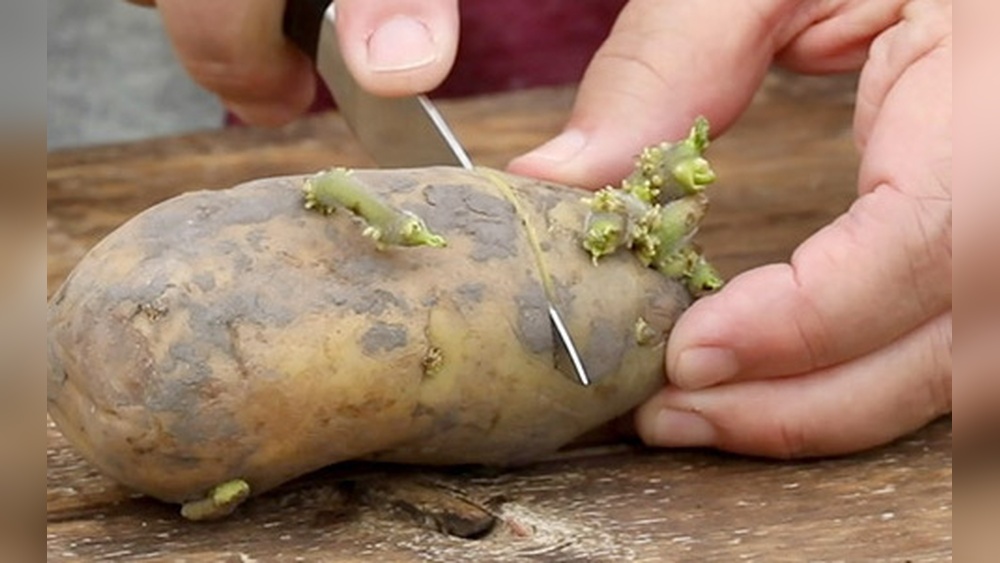
Look for seed potatoes with firm skin and visible sprouts or eyes. Cut larger seed potatoes into pieces with at least one eye per piece. Let the cut pieces dry for a day before planting to reduce rot.
Spacing And Depth
Plant seed potatoes 12 inches apart in rows. Space rows about 30 inches apart for easy cultivation. Plant pieces 4 inches deep in loose, well-drained soil.
Keep the eyes facing upward to encourage sprout growth. Cover the seed pieces gently with soil to avoid damage. Proper spacing allows plants to get enough nutrients and air circulation.
Raised Beds Vs. In-ground
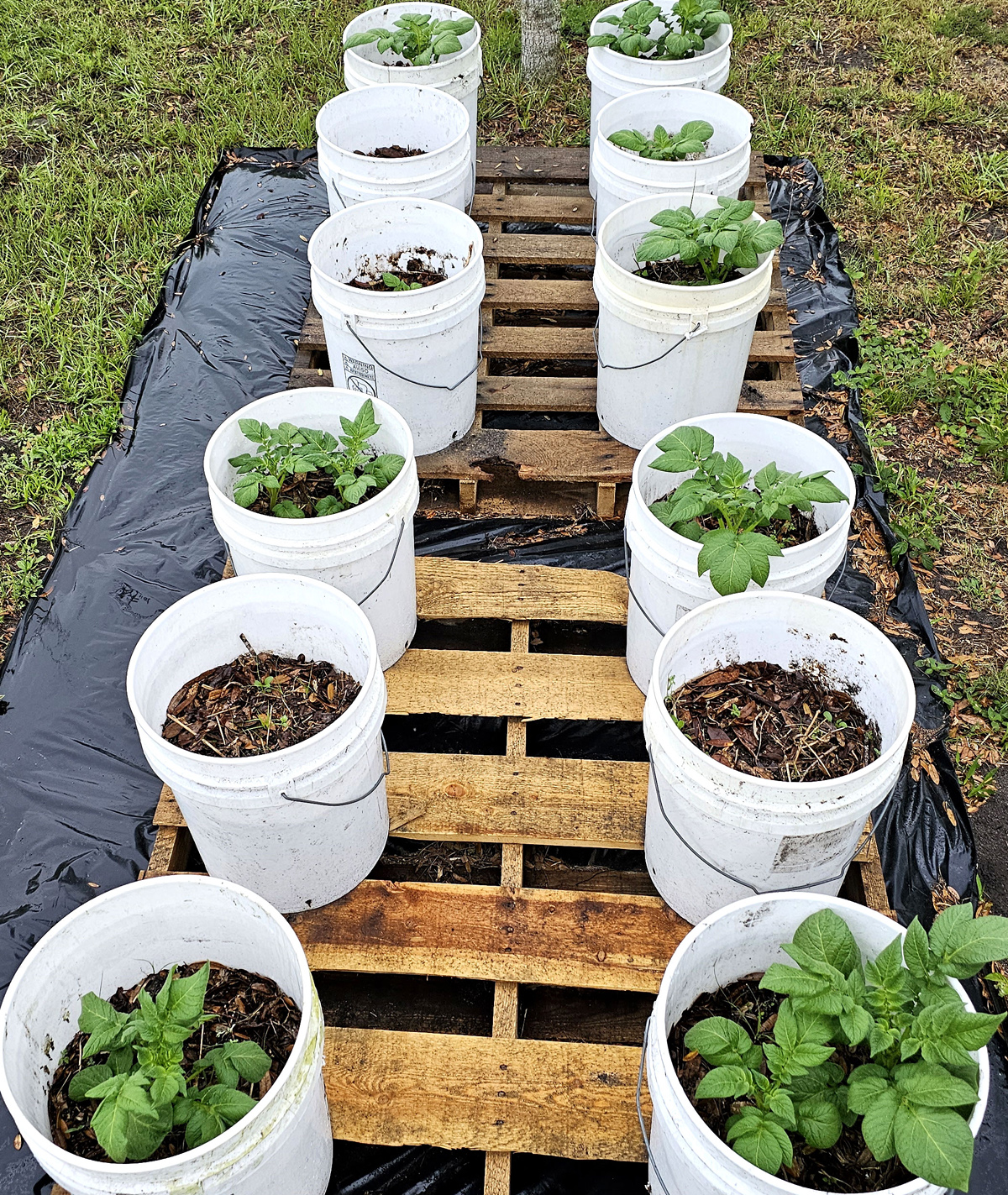
Raised beds improve drainage and warm up faster in Florida’s soil. They help prevent waterlogging, which can cause tuber rot. Use loose, sandy soil mixed with organic matter in raised beds.
In-ground planting works if the soil drains well. Avoid heavy clay soils or areas where water pools. Add compost to improve soil texture and fertility for in-ground potatoes.
Raised beds offer better control over soil conditions but require more initial work. Choose the method that fits your garden space and soil quality best.
Watering And Fertilization
Watering and fertilization play a vital role in growing healthy potatoes in Florida. Proper water supply ensures tubers develop well without rotting. At the same time, balanced fertilization feeds the plants with essential nutrients for strong growth.
Florida’s sandy soil drains quickly, so consistent watering is important. Fertilizer choice and timing directly affect yield size and potato quality. Understanding these two factors helps gardeners achieve better results.
Irrigation Best Practices
Potatoes need steady moisture during their growing season. Water deeply once or twice a week rather than frequent shallow watering. This promotes deep root growth.
Drip irrigation works best to deliver water directly to roots. Avoid wetting the leaves to reduce disease risk. Early morning watering allows leaves to dry quickly under the sun.
During tuber formation, keep soil moist but not soggy. Overwatering causes tuber rot and poor texture. Mulch around plants to retain moisture and reduce evaporation.
Fertilizer Types And Timing
Use a balanced fertilizer with nitrogen, phosphorus, and potassium. Nitrogen encourages leaf growth, phosphorus supports root and tuber development, and potassium boosts overall plant health.
Apply fertilizer at planting time to give young plants a nutrient boost. Side-dress with nitrogen fertilizer when plants reach 6 inches tall. Avoid excess nitrogen late in growth to prevent leafy plants with small tubers.
Slow-release fertilizers work well for steady nutrient supply. Organic options like compost or well-rotted manure improve soil structure and fertility. Test soil before planting to adjust fertilizer amounts correctly.
Pest And Disease Management
Managing pests and diseases is essential for growing healthy potatoes in Florida. The warm climate creates ideal conditions for many pests and diseases. Controlling these issues early helps protect your crop and improve yields. Understanding common pests and prevention methods supports better potato growth.
Common Pests In Florida
Florida potato crops face several common pests. The potato beetle is one of the most damaging. It feeds on leaves and can weaken plants quickly. Aphids are tiny insects that suck plant sap and spread viruses. Wireworms attack potato tubers underground, causing holes and rot. Whiteflies also feed on plant juices and spread disease. Monitoring plants often helps catch these pests early.
Disease Prevention Strategies
Prevent diseases by starting with clean seed potatoes. Avoid planting in the same spot every year to reduce soil-borne diseases. Crop rotation helps break pest and disease cycles. Keep soil well-drained to prevent fungal growth. Remove and destroy infected plants immediately. Use resistant potato varieties suited for Florida’s climate. Proper spacing and sunlight improve air circulation and reduce disease risk.
Organic Control Methods
Organic methods work well for pest and disease control in potatoes. Neem oil spray deters many insect pests without harming beneficial insects. Hand-picking beetles and larvae removes pests physically. Introducing natural predators like ladybugs helps control aphids. Use insecticidal soaps for soft-bodied insects. Crop mulching can reduce weeds and soil pests. Organic compost boosts plant health and disease resistance naturally.
Harvesting Tips
Harvesting your potatoes in Florida requires careful attention. The right timing and method ensure healthy, tasty potatoes. Proper storage keeps them fresh longer. Follow these tips to get the best results from your potato crop.
Signs Of Readiness
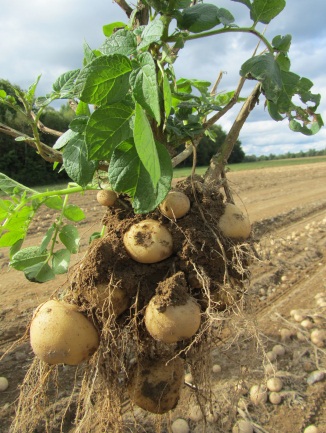
Potatoes are ready when the plant leaves turn yellow and begin to die back. This usually happens 70 to 90 days after planting. You can also gently dig near the plant to check tuber size. The skin should be firm and not easily rubbed off. Avoid harvesting too early for better storage quality.
Harvesting Methods
Use a garden fork or shovel to carefully loosen the soil around the plants. Lift the plants gently to avoid damaging the potatoes. Shake off excess dirt and pick up the tubers by hand. Do not pull the plants straight up; this can break the potatoes. Harvest on a dry day to reduce rot risks.
Storage Recommendations
Store potatoes in a cool, dark, and well-ventilated place. Keep them away from sunlight to prevent greening and bitterness. Ideal temperatures are between 45°F and 55°F (7°C to 13°C). Avoid storing potatoes in the refrigerator or near onions. Check regularly and remove any spoiled potatoes to protect the rest.

Credit: tallahasseenurseries.com
Maximizing Yield
Maximizing potato yield in Florida requires careful planning and smart gardening practices. The warm climate and soil conditions can be challenging. Adopting effective methods helps boost your harvest. Focus on improving soil health and controlling pests. These steps ensure strong, healthy plants and more potatoes per plant.
Crop Rotation Benefits
Crop rotation prevents soil diseases and pest buildup. Growing potatoes in the same spot yearly reduces soil nutrients. Rotate with beans, corn, or leafy greens. These plants restore nitrogen and improve soil texture. Rotation breaks pest cycles and lowers disease risks. It keeps your soil fertile and ready for potatoes.
Mulching And Weed Control
Mulching keeps soil moist and cool, ideal for potatoes. Use straw, pine needles, or grass clippings as mulch. Mulch suppresses weeds, reducing competition for nutrients. It also protects tubers from sunlight, preventing greening. Regularly remove any weeds that appear. Weed control helps potatoes grow strong and healthy.
Using Cover Crops
Cover crops enrich soil and prevent erosion during off-seasons. Plants like clover or rye add organic matter and nutrients. They improve soil structure and water retention. Cover crops reduce weeds and pests naturally. Before planting potatoes, till cover crops into the soil. This practice creates a fertile bed for better potato growth.
Conclusion
Growing potatoes in Florida can be rewarding with the right steps. Choose potato varieties suited for Florida’s warm climate. Plant during the recommended months for your region. Use well-drained soil and provide consistent watering. Keep pests and diseases under control to protect your crop.
Regular care leads to healthy, tasty potatoes. Try these tips for a successful harvest every time. Enjoy fresh, homegrown potatoes from your own garden.