This guide answers Tire grown celery garden spacing raised beds with practical rules, examples, and quick do’s and don’ts.
You’ll get a clear summary first, then details you can apply immediately.
Tire Grown Celery Garden Spacing Raised Beds:
Are you dreaming of crisp, homegrown celery to elevate your salads, soups, and snacks? If you’re planning to grow this delicious vegetable in raised beds, you’re in for a treat. Raised beds offer excellent drainage and soil control, creating an ideal environment for celery. However, one of the most crucial factors for success is proper spacing. Too crowded, and your celery plants will struggle to develop. Too far apart, and you might be wasting valuable garden real estate. Let’s dive into the optimal spacing for celery in raised beds to ensure you get the most out of your garden.
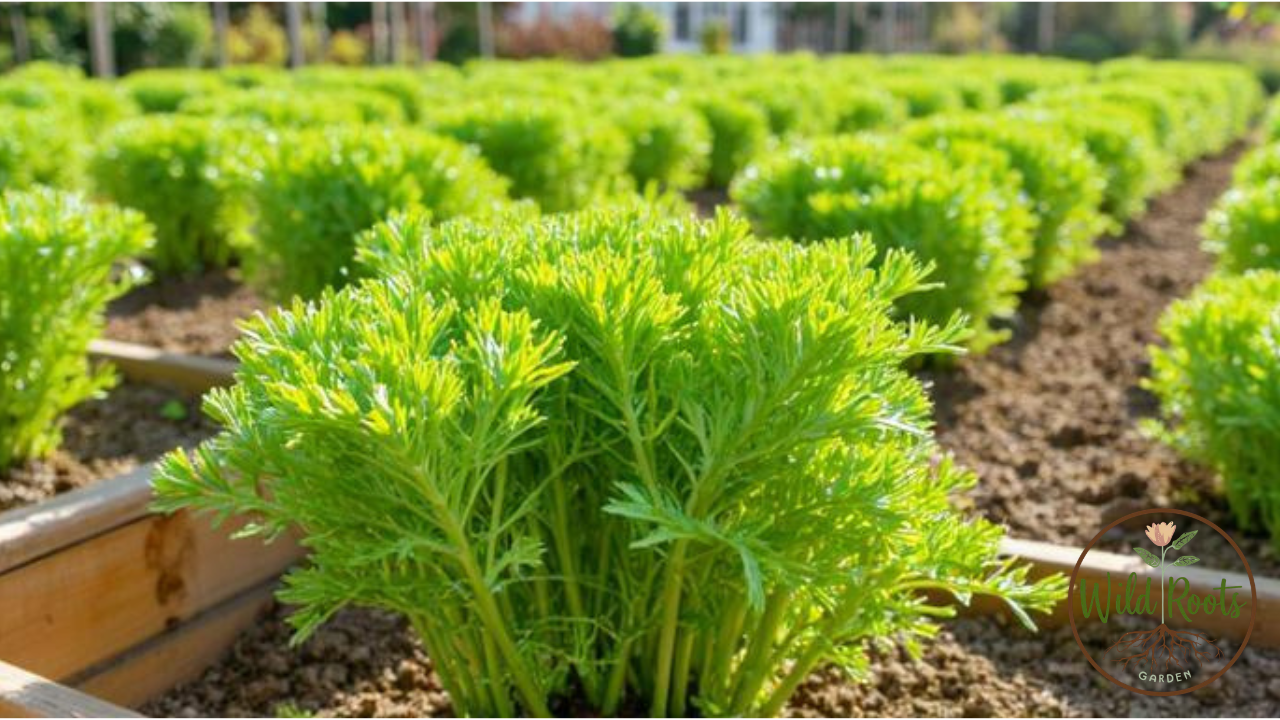
Why Spacing Matters for Celery
Celery plants, while appearing delicate, require a surprising amount of space to thrive. They need room for their root systems to spread and, more importantly, for their stalks to develop fully and reach their characteristic size and crispness. When celery is overcrowded, several issues can arise:
- Reduced Stalk Size: Plants compete fiercely for sunlight, water, and nutrients. This competition stunts growth, resulting in smaller, less marketable stalks.
- Increased Disease Risk: Poor air circulation in densely planted beds creates a humid microclimate, which is a breeding ground for fungal diseases like leaf spot and blight.
- Lower Yields: Ultimately, overcrowding leads to a significantly reduced harvest per plant and per square foot of your garden.
- Difficulty in Harvesting: Trying to pull out crowded celery stalks can damage neighboring plants and make the harvesting process messy and inefficient.
Understanding these challenges highlights why adhering to recommended spacing guidelines is paramount for a successful celery harvest, especially in the controlled environment of a raised bed.
Optimal Celery Spacing in Raised Beds
The ideal spacing for celery in raised beds depends on the variety you’re growing and whether you’re aiming for full-sized stalks or ‘heart’ celery. However, a general rule of thumb applies:
Full-Sized Celery Varieties
For varieties like ‘Tall Utah’ or ‘Golden Self-Blanching,’ which are grown for their large, mature stalks, you’ll need to provide ample room. Aim for:
- In-Row Spacing: 6 to 8 inches apart.
- Between-Row Spacing: 18 to 24 inches apart.
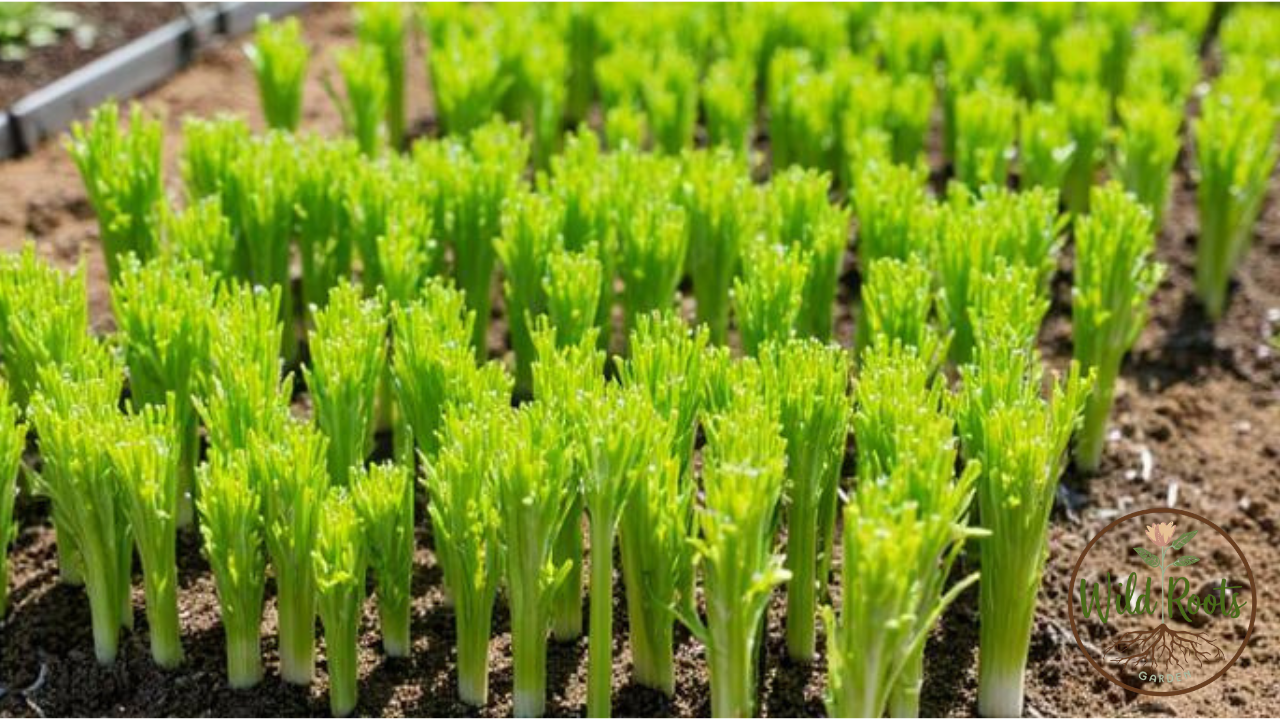
This wider spacing allows each plant to develop its full potential, ensuring robust stalks and good air circulation. In a typical 4×8 foot raised bed, this means you could comfortably fit around 8-12 full-sized celery plants, depending on the exact dimensions and layout.
Heart Celery or Bunching Celery
If you’re growing smaller, more tender varieties often referred to as ‘heart’ celery or bunching celery, you can afford to plant them slightly closer together. These are often harvested earlier or as individual stalks.
- In-Row Spacing: 4 to 6 inches apart.
- Between-Row Spacing: 12 to 18 inches apart.
This closer spacing can maximize yield in a smaller footprint, but it’s crucial to maintain good watering and feeding practices to prevent competition from becoming too intense.
Factors Influencing Spacing Decisions
While the general guidelines are helpful, consider these additional factors when planning your raised bed layout:
- Soil Fertility: If your raised bed soil is exceptionally rich and well-amended, plants might tolerate slightly closer spacing due to abundant nutrients. However, never compromise on the minimum recommended spacing.
- Sunlight Exposure: Ensure your raised bed receives at least 6-8 hours of direct sunlight daily. If sunlight is limited, wider spacing might be beneficial to prevent plants from shading each other excessively.
- Watering System: If you use drip irrigation, you can place emitters closer to the plants, which can support slightly denser planting. However, overhead watering can increase disease risk in crowded conditions.
- Companion Planting: While celery can be companion planted, be mindful of the space requirements of its neighbors. Avoid overcrowding by ensuring all plants have adequate room.
My Experience with Celery Spacing
I learned the hard way about celery spacing a few years ago. I was eager to fill my new, large raised bed and planted celery seedlings much closer than recommended, thinking I’d get a massive harvest. By mid-season, the plants were leggy, pale, and the stalks were thin and stringy. I ended up with a disappointing yield, and many plants were susceptible to leaf blight due to the lack of air circulation. Since then, I’ve strictly adhered to the 6-8 inch in-row spacing for full-sized varieties and have seen a dramatic improvement in stalk size, crispness, and overall health. It’s a lesson in patience and respecting the plant’s needs that paid off handsomely in subsequent harvests.
Expert Insights on Celery Cultivation
According to the University of Minnesota Extension, proper spacing is key for celery, allowing for good air circulation which is vital in preventing diseases. They recommend spacing plants 6 to 8 inches apart in rows that are 18 to 24 inches apart for optimal growth. This aligns with the general consensus among horticultural experts.
Furthermore, the National Gardening Association emphasizes that celery is a heavy feeder and requires consistent moisture. Providing adequate space not only helps with air circulation but also ensures that each plant has access to the necessary resources without overwhelming competition. As they state,
“proper spacing is key for celery, allowing for good air circulation which is vital in preventing diseases. They recommend spacing plants 6 to 8 inches apart in rows that are 18 to 24 inches apart for optimal growth. This aligns with the general consensus among horticultural experts.
Furthermore, the National Gardening Association emphasizes that celery is a heavy feeder and requires consistent moisture. Providing adequate space not only helps with air circulation but also ensures that each plant has access to the necessary resources without overwhelming competition. As they state,
“Celery plants need ample room to develop strong, crisp stalks. Overcrowding leads to weaker growth and increased susceptibility to pests and diseases.”
This expert advice underscores the importance of not just planting density, but also the overall layout of your garden. For those utilizing raised beds, especially those constructed from recycled materials like old tires, the principles remain the same. The contained nature of a tire-grown celery garden means you have precise control over the soil and environment, making proper spacing even more critical to maximize your yield and plant health.
The Role of Soil and Nutrients in Celery Spacing
Celery is a notoriously thirsty and hungry plant. It thrives in rich, moist soil and requires a steady supply of nutrients to develop those characteristic crunchy stalks. When plants are too close together, they compete fiercely for these essential resources. This competition can lead to stunted growth, thinner stalks, and a less satisfying harvest. In a tire-grown celery garden, where the soil volume is inherently limited compared to an in-ground bed, this competition can be even more pronounced.
To mitigate this, it’s crucial to amend your tire garden soil generously with compost and well-rotted manure before planting. This provides a nutrient-rich foundation. Even with excellent soil preparation, adequate spacing ensures that each plant can effectively access the nutrients and water available without being outcompeted by its neighbors. Think of it as giving each celery plant its own personal buffet, rather than forcing them to share a small plate.
Fertilizing Strategies for Spaced Celery
Consistent feeding is key for celery. Once your plants are established and have had a chance to grow to a reasonable size (around 4-6 inches tall), begin a regular feeding schedule. A balanced liquid fertilizer, applied every 2-3 weeks, can be highly beneficial. If you’re using organic methods, compost tea or a diluted fish emulsion can provide the necessary nitrogen and other micronutrients. Proper spacing ensures that the fertilizer you apply is efficiently absorbed by the intended plant, rather than being wasted on a crowded neighbor.
Common Mistakes to Avoid in Celery Spacing
As my own experience illustrated, the temptation to cram as many plants as possible into a garden space is strong, especially when working with limited areas like tire gardens. However, this is a classic gardening pitfall that can lead to disappointment. Here are some common mistakes to steer clear of:
- Overcrowding: This is the most significant mistake. It leads to poor air circulation, increased disease risk, and smaller, weaker plants.
- Ignoring Variety Differences: Some celery varieties are naturally larger than others. Always check the seed packet or plant tag for recommended spacing for the specific type you are growing.
- Not Accounting for Growth: Plants grow! What looks like adequate space when seedlings are small can quickly become cramped as they mature.
- Neglecting Soil Quality: Even with perfect spacing, poor soil will result in poor growth. Always prioritize nutrient-rich, well-draining soil.
Maximizing Your Tire-Grown Celery Harvest
Achieving a bountiful harvest from your tire-grown celery garden is entirely possible with careful planning and execution. By adhering to recommended spacing guidelines, you are setting your plants up for success. Remember that the goal is not just quantity, but quality. Crisp, flavorful celery stalks are the reward for providing your plants with the space they need to thrive.
Consider the “cut-and-come-again” harvesting method for celery. When plants are spaced appropriately, you can harvest outer stalks as needed, allowing the inner stalks to continue growing. This method extends your harvest period and ensures you always have fresh celery on hand. This is particularly effective in a well-managed tire garden where you can easily access each plant.
Conclusion: The Space-Saving Secret to Celery Success
The seemingly simple act of spacing your celery plants correctly is a cornerstone of successful celery cultivation, especially in unique garden setups like tire-grown beds. By providing adequate room, you are not just preventing disease and promoting healthy growth; you are actively contributing to larger, crisper, and more flavorful stalks. My own journey from overcrowded disappointment to abundant harvests has taught me that patience and respecting the plant’s needs are paramount.
Here are three actionable takeaways for your tire-grown celery garden:
- Adhere to Spacing: Aim for 6-8 inches between plants in-row for full-sized varieties, and ensure adequate row spacing (18-24 inches) if planting multiple rows within a larger tire setup.
- Prioritize Soil Health: Continuously amend your tire garden soil with compost to provide the rich nutrients celery craves.
- Observe and Adapt: Pay attention to your plants. If they appear leggy or pale, they might be too crowded or lacking resources. Adjust spacing or feeding as needed.