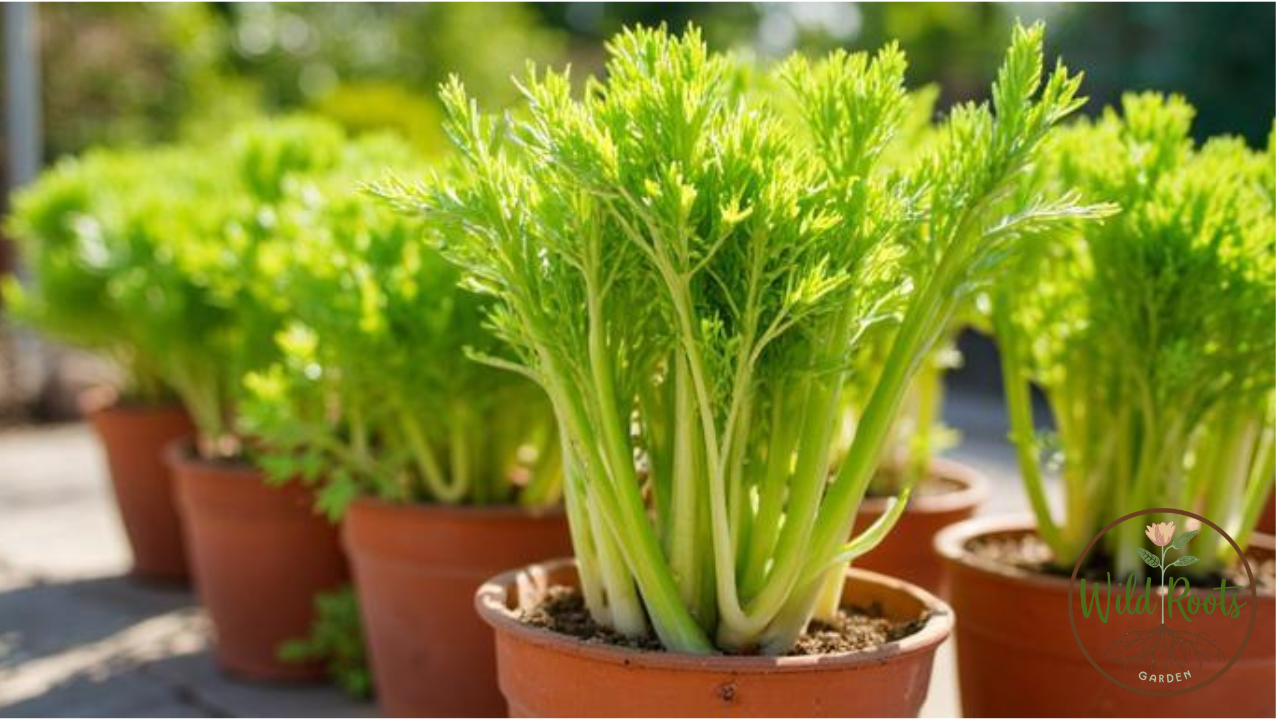
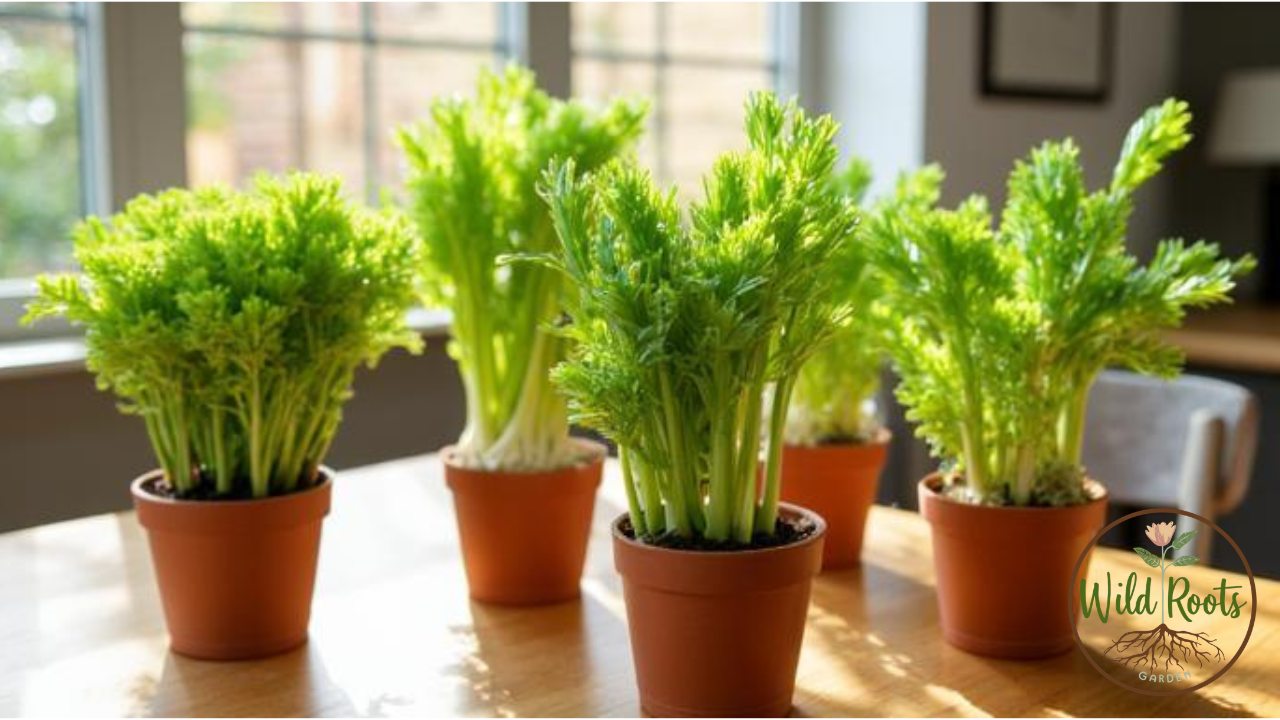
Growing celery in containers indoors might seem a bit tricky for new gardeners. You might wonder if it’s too difficult to get that crisp stalk right in your own home. But don’t worry!
It’s actually quite simple with a few easy steps. This guide will walk you through everything you need to know to get started. We’ll cover the basics and help you grow your own fresh celery right in your kitchen.
Start Your Indoor Celery Patch
Growing celery in containers indoors is a rewarding way to have fresh, crisp stalks readily available. Many people think it’s hard, but it’s actually quite manageable with the right approach. The key is providing consistent moisture and light.
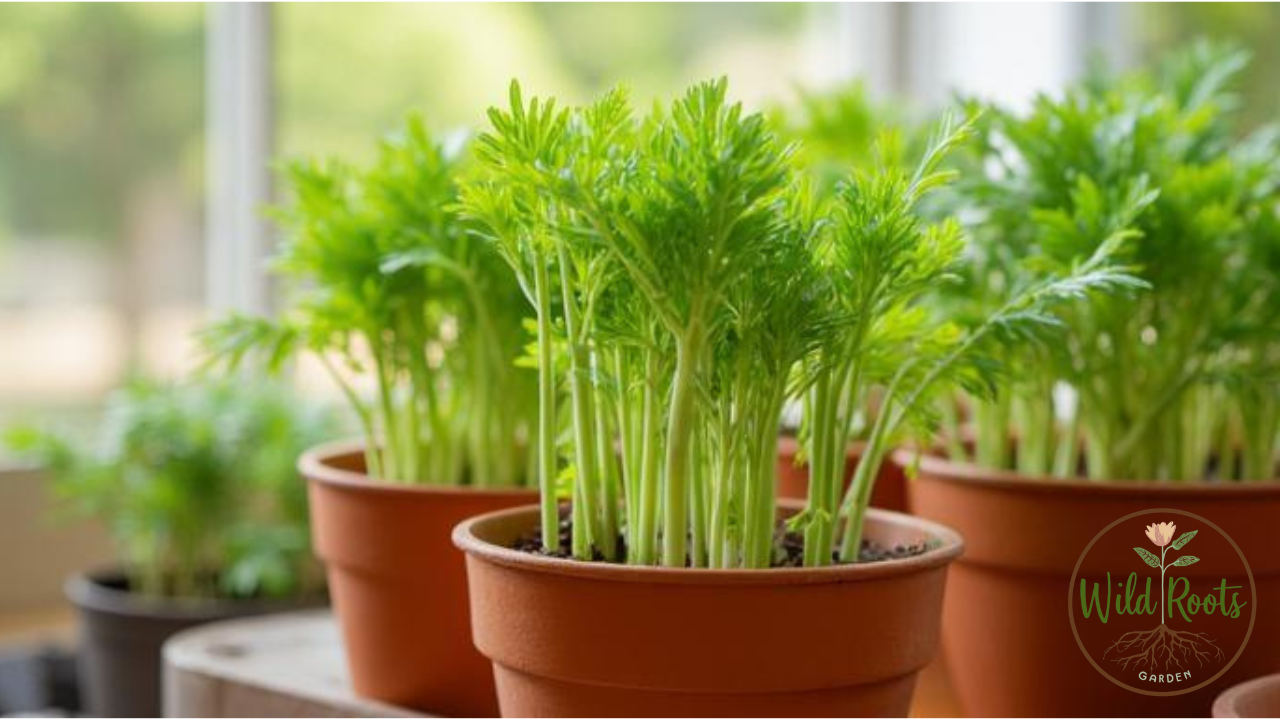
This guide will break down the process into simple, easy-to-follow steps for beginner gardeners.
Choosing the Right Pot and Soil
The first step to successful indoor celery growing is selecting the right home for your plants. This means picking a pot that offers enough space for the roots to grow and ensuring the soil provides the nutrients and drainage your celery needs.
Pot Size Matters
Celery plants develop extensive root systems. Therefore, you’ll need a pot that can accommodate this growth. For a single celery plant, a pot that is at least 8 inches wide and 8 to 10 inches deep is a good starting point.
If you plan to grow multiple plants, ensure each has its own pot or that your container is large enough to house them without overcrowding. Overcrowding leads to competition for water and nutrients, which can stunt growth and result in smaller, less flavorful stalks.
Using a pot with drainage holes is non-negotiable. Celery loves water, but it cannot sit in soggy soil. Excess water needs a way to escape, preventing root rot and other fungal diseases.
Terracotta pots are great because they allow air to circulate and moisture to evaporate, but plastic or glazed ceramic pots will also work as long as they have drainage holes.
The Perfect Soil Mix
Celery thrives in rich, moist soil. For container growing, a good quality potting mix is essential. You can buy this from any garden center.
To enhance drainage and aeration, consider amending your potting mix with perlite or vermiculite. A common ratio is three parts potting mix to one part perlite.
Adding some compost or well-rotted manure to your soil mix will provide a boost of nutrients. This organic matter helps retain moisture while also improving soil structure. A slightly acidic to neutral pH (around 6.0 to 7.0) is ideal for celery growth.
You can test your soil’s pH if you’re unsure.
Planting Your Celery Seeds or Seedlings
You have two main options when starting your indoor celery garden: planting seeds or using young plants (seedlings). Each has its pros and cons, but both can lead to a successful harvest.
Starting From Seed
Starting celery from seed requires a bit more patience. Seeds are tiny and can take anywhere from 10 to 21 days to germinate. It’s best to start seeds indoors about 6 to 8 weeks before you plan to transplant them into their final pots.
You can sow them in seed starting trays filled with a light seed starting mix.
Plant the seeds about 1/8 inch deep and keep the soil consistently moist and warm (around 70°F or 21°C). A heat mat can be very helpful here. Once the seedlings have developed a few sets of true leaves and are about 2 to 3 inches tall, they are ready to be moved into their individual pots.
Using Seedlings
Purchasing seedlings from a nursery or garden center is a quicker way to get started. Look for healthy, vibrant plants without any signs of wilting or yellowing leaves. When you bring them home, carefully transplant them into your chosen pots, ensuring the soil level is the same as it was in their original container.
Water them thoroughly after transplanting.
Light and Temperature Needs
Celery is a cool-season crop, which means it prefers moderate temperatures and plenty of light to grow well, even indoors.
The Importance of Light
For growing celery in containers indoors, sufficient light is critical. Celery needs at least 6 to 8 hours of direct sunlight per day. A south-facing window is usually the best location.
However, if you don’t have enough natural light, you will need to supplement with grow lights. Full-spectrum LED grow lights are an excellent choice for indoor gardening, providing the light wavelengths plants need for healthy growth.
Position the grow lights about 6 to 12 inches above the plants. You’ll likely need to run them for 12 to 16 hours a day. As your plants grow, you’ll need to adjust the height of the lights to maintain the optimal distance.
Ideal Temperature Range
Celery prefers cooler temperatures. Indoors, aim for a consistent temperature between 60°F and 70°F (15°C to 21°C). Avoid placing your celery plants near heat sources like radiators or vents, as extreme fluctuations in temperature can stress the plants and affect their growth and flavor.
If your home tends to be warmer, you might need to take extra steps to keep your celery cool. This could include misting the leaves occasionally to help with transpiration or placing the pots on a tray filled with pebbles and water (ensuring the pot bottoms don’t sit directly in the water). Humidity is beneficial for celery.
Watering and Feeding Your Celery
Consistent watering and proper feeding are essential for producing plump, crisp celery stalks indoors.
Consistent Moisture is Key
Celery plants are thirsty. They need consistently moist soil. This doesn’t mean waterlogged, but the soil should never be allowed to dry out completely.
Check the soil moisture daily by sticking your finger about an inch into the soil. If it feels dry, it’s time to water. Water thoroughly until you see water draining from the bottom of the pot.
Watering less frequently but deeply is generally better than frequent shallow watering. This encourages the roots to grow deeper into the soil. Using a watering can with a long spout can help you direct water to the base of the plant, keeping the leaves dry and reducing the risk of fungal diseases.
Feeding Your Plants
Since you’re growing in containers, the nutrients in the potting mix will eventually be depleted. Regular feeding is necessary to keep your celery plants healthy and productive. Start feeding your plants about 2 to 3 weeks after they’ve been transplanted into their final pots.
Use a balanced liquid fertilizer that is diluted to half strength. Fertilize every 2 to 3 weeks. Look for a fertilizer with a slightly higher nitrogen content, as nitrogen is important for leafy green growth.
Organic options like fish emulsion or worm casting tea are also excellent choices and are gentle on the plants.
Harvesting Your Indoor Celery
The moment you’ve been waiting for! Harvesting your homegrown celery is straightforward and can be done in a couple of ways.
The “Cut and Come Again” Method
This is a popular method for container-grown celery, especially if you’re using whole plants. It allows you to harvest outer stalks as needed, and the plant will continue to produce new growth from the center. To harvest, use a sharp knife or scissors to cut the outer stalks at the base of the plant.
Leave the inner stalks and the heart of the plant to continue growing.
This method allows you to enjoy fresh celery for an extended period. You can harvest a few stalks at a time for salads, snacking, or cooking.
Harvesting the Entire Plant
If you prefer to harvest the entire plant at once, wait until the stalks are a good size and have reached maturity, typically 85 to 120 days after planting, depending on the variety. You can tell they’re ready when the stalks are firm and have a good amount of thickness. Use a sharp knife to cut the entire plant at the soil line.
This method is useful if you have a large harvest planned or if your plant is nearing the end of its productive cycle. Remember that once you harvest the entire plant, you’ll need to start new seeds or seedlings if you want more celery.
Common Pests and Diseases
While indoor growing can reduce the risk of pests and diseases, they can still occur. Being aware of common issues can help you address them quickly.
Pest Prevention
Common indoor pests include aphids, spider mites, and fungus gnats. Aphids are small, soft-bodied insects that cluster on new growth and suck sap. Spider mites are tiny and create fine webbing.
Fungus gnats are tiny flies that hover around moist soil and their larvae can damage roots.
Preventing these pests is the best strategy. Ensure good air circulation around your plants. Avoid overwatering, as this attracts fungus gnats.
Regularly inspect your plants for any signs of pests. If you find them, you can often wash them off with a strong spray of water. For more stubborn infestations, consider using insecticidal soap or neem oil, which are safe for indoor use.
Disease Management
The most common diseases for celery grown indoors are fungal. Powdery mildew and root rot can occur if plants are kept too wet or lack adequate air circulation.
To prevent fungal diseases, ensure proper watering techniques and good airflow. If you notice powdery mildew (a white, powdery substance on leaves), remove affected leaves immediately and improve air circulation. For root rot, which is often caused by overwatering, you’ll need to allow the soil to dry out more and ensure your pot has excellent drainage.
In severe cases, the plant may not recover.
Tips for Better Growth
Here are a few extra tips to help your indoor celery thrive:
- Blanching (Optional): In traditional outdoor gardening, celery is often “blanched” by mounding soil or covering the stalks to make them paler and more tender. For indoor growing in containers, you can achieve a similar effect by tying up the outer leaves and using cardboard tubes or foil collars around the base of the plant for a week or two before harvesting. This light-deprives the inner stalks.
- Air Circulation: Good airflow is crucial. If your growing area is stuffy, consider using a small fan on a low setting for a few hours a day. This helps prevent fungal diseases and strengthens the plants.
- Thinning: If you’ve sown seeds thickly, thin out the seedlings so that each plant has enough space to grow. Overcrowding leads to weak plants.
- Harvesting Inner Stalks: Even if you’re doing the “cut and come again” method, you can also harvest individual inner stalks as they mature. This encourages the plant to keep producing.
- Companion Planting (Limited Indoors): While not as common indoors, if you have a larger setup, consider companion plants that deter pests, but ensure they don’t compete heavily for resources.
Frequently Asked Questions
Question: Can I grow celery from kitchen scraps?
Answer: Yes, you can regrow celery from the base of a store-bought bunch. Place the base in a shallow dish of water. Roots will form, and you can then plant it in soil.
However, this regrown celery may be more leafy and less fibrous than celery grown from seed.
Question: How long does it take for celery to grow indoors?
Answer: From seed, it can take 85 to 120 days to reach full maturity. If you start with seedlings, you can typically harvest within 60 to 90 days.
Question: Why are my indoor celery leaves turning yellow?
Answer: Yellow leaves can be a sign of several issues, including overwatering, underwatering, lack of nutrients, or insufficient light. Check your watering habits, ensure the soil is well-draining, and confirm your plant is getting enough light and fertilizer.
Question: What is the best type of celery for container growing?
Answer: Look for dwarf or compact varieties of celery. These are bred to be smaller and more manageable in containers. Some popular choices include ‘Utah Tall’ (though it gets quite tall) or smaller bush varieties.
Question: Do I need to fertilize celery grown from kitchen scraps?
Answer: While regrown celery can produce some edible stalks, it’s not as nutrient-demanding as a plant grown from seed. However, if you plant it in soil, a light feeding with a balanced fertilizer after a few weeks can help boost growth.
Final Thoughts
Growing celery in containers indoors is a rewarding project. You can enjoy fresh, crisp stalks right from your home. Remember to provide consistent moisture, plenty of light, and good air circulation.
With these simple steps, you’ll be harvesting your own homegrown celery in no time. Happy growing!