Looking to transform your Florida garden into a vibrant, thriving oasis? Choosing the right plants can make all the difference in creating a landscape that not only looks stunning but also thrives in Florida’s unique climate.
You want plants that can handle the heat, humidity, and occasional drought while adding color, texture, and life to your outdoor space. In this guide, you’ll discover the 12 best landscaping plants perfectly suited for Florida’s environment. Whether you’re a seasoned gardener or just starting out, these picks will help you build a beautiful, low-maintenance garden you’ll love all year round.
Keep reading to find the ideal plants that will make your Florida landscape stand out.
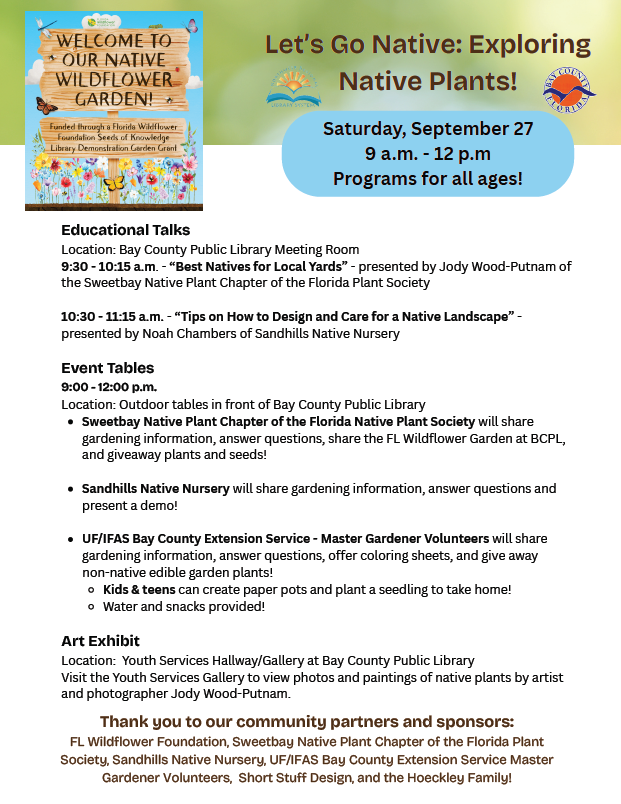
Credit: www.flawildflowers.org
Top Florida Landscaping Plants
Florida’s climate supports a wide variety of plants perfect for landscaping. Choosing the right plants helps create beautiful, low-maintenance gardens. Native and adapted plants thrive with less water and care. These plants also support local wildlife and add vibrant colors to your yard. Below are some top choices for Florida landscaping.
Lantanas: Vibrant Year-round Blooms
Lantanas provide bright, colorful flowers through most of the year. They attract butterflies and hummingbirds, adding life to any garden. These plants tolerate heat, drought, and poor soil well. Lantanas grow quickly and require little maintenance. They come in many colors like yellow, orange, pink, and red.
Goldenrod For Rain Gardens
Goldenrod is excellent for rain gardens and wet areas. It produces tall spikes of yellow flowers in late summer and fall. This plant helps control erosion and improves water absorption. Goldenrod attracts bees and other pollinators. It adds a splash of sunshine to damp landscape spots.
Swamp Sunflower Benefits
Swamp sunflower thrives in wet soils and sunny locations. Its bright yellow flowers bloom from summer to fall. This plant supports butterflies and provides food for birds. Swamp sunflower adds texture and height to garden beds. It withstands Florida’s hot summers and wet conditions easily.
Muhly Grass Features
Muhly grass creates soft, airy pink or purple plumes in the fall. It grows in clumps and reaches two to three feet tall. This grass requires little water and resists pests well. Muhly grass adds movement and color to landscapes. It works well as a border or accent plant.
Milkweed For Wildlife
Milkweed is vital for supporting local wildlife, especially monarch butterflies. It produces clusters of pink, orange, or white flowers. This plant serves as a host for butterfly larvae. Milkweed grows well in dry, sunny areas. It is a key choice for wildlife-friendly Florida gardens.
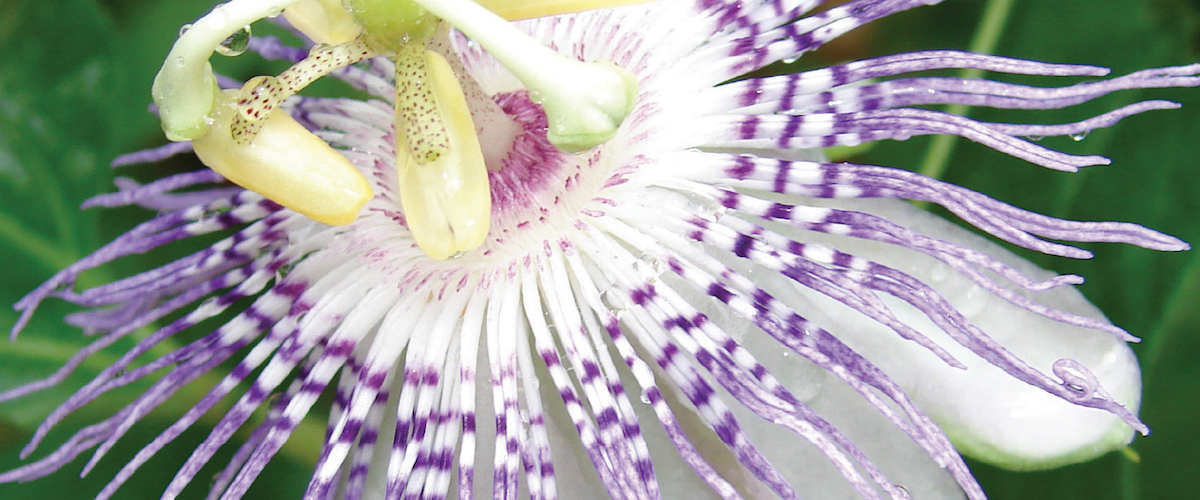
Credit: sunkengardens.org
Native Vs Exotic Plants
Choosing plants for Florida landscaping means deciding between native and exotic species. Both types have unique qualities that affect growth, care, and the local ecosystem. Understanding these differences helps create a healthy and beautiful garden.
Native plants grow naturally in Florida’s climate and soil. Exotic plants come from other regions and may need extra care. Each option offers benefits for gardeners and wildlife.
Advantages Of Native Plants
Native plants adapt well to Florida’s weather and soil. They need less water and fertilizer, saving time and money. These plants support local wildlife like birds and butterflies. They resist pests and diseases better than many exotics. Using native plants helps preserve Florida’s natural beauty and biodiversity.
Popular Exotic Choices
Exotic plants bring unique colors and shapes to gardens. Some favorites include hibiscus, bougainvillea, and bird of paradise. They can add tropical flair and variety. Exotic plants may need more water and care to thrive. Choosing well-suited exotics can brighten any Florida landscape.
Combining Both For Best Results
Mixing native and exotic plants creates a balanced garden. Natives provide a strong, low-maintenance base. Exotics add splash and interest with their bold looks. This mix can attract diverse wildlife and offer year-round appeal. Careful selection ensures plants complement each other well.
Low-maintenance Plant Options
Choosing low-maintenance plants saves time and effort in your Florida garden. These plants thrive with little care and suit the local climate well. They help create a beautiful landscape without constant watering or pruning. Perfect for busy gardeners or those new to landscaping.
Plants Suited For Rain Gardens
Rain gardens collect and absorb rainwater. Plants that grow here must handle wet soil. Swamp milkweed and blue flag iris work well. They tolerate waterlogged roots and prevent erosion. These plants attract butterflies and birds, adding life to your garden.
Drought-tolerant Species
Florida often faces dry spells. Drought-tolerant plants survive with little water. Examples include the coontie palm and lantana. They reduce the need for frequent watering. These plants also resist heat and keep your garden green.
Salt-tolerant Varieties
Coastal areas in Florida need salt-tolerant plants. Sea oats and beach sunflower thrive in salty soil and wind. These plants protect shorelines and add color. They require minimal care and boost your landscape’s resilience.
Planting Tips For Florida Gardens
Gardening in Florida requires special care to help plants thrive under the state’s unique climate. The right planting methods improve plant health and garden beauty. Follow these tips to create a strong foundation for your Florida landscape plants.
Soil Preparation And Care
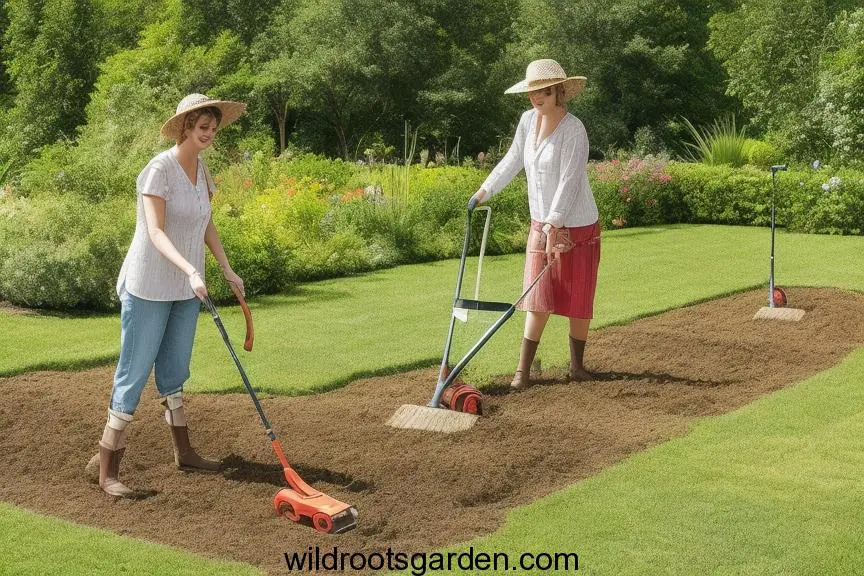
Florida soils often lack nutrients and drain quickly. Test your soil before planting to check its pH and nutrient levels. Add organic matter such as compost or peat moss to improve soil texture and fertility. Loosen the soil to allow roots to spread easily. Mulch around plants to keep moisture and control weeds.
Watering Guidelines
Florida’s heat means plants need regular watering. Water deeply but less often to encourage strong roots. Early morning is the best time to water, reducing evaporation. Avoid overwatering; soggy soil can cause root rot. Use drip irrigation or soaker hoses for efficient watering.
Sunlight Requirements
Most Florida plants need full sun, about six to eight hours daily. Some plants prefer partial shade, especially in hot afternoons. Observe your garden’s sun patterns before planting. Place sun-loving plants where they get maximum light. Use shade cloth or plant trees to protect shade-tolerant species.
Designing Your Landscape
Designing your landscape in Florida requires careful planning and smart plant choices. Florida’s climate allows for a wide range of plants that thrive in heat and humidity. A well-designed landscape can increase your home’s beauty and value. It also creates a relaxing outdoor space for family and friends.
Focus on combining plants with different features. Use colors, textures, and shapes to create interest. Think about how plants will grow over time. Choose plants that support local wildlife. Plan for changes through the seasons to keep your yard lively all year.
Using Color And Texture
Colors bring life to any garden. Bright flowers like hibiscus or bougainvillea add vibrant reds and pinks. Green foliage plants balance these with calming shades. Mix broad leaves with fine, feathery ones for contrast. Using various textures makes your landscape more inviting and dynamic.
Try planting in groups to highlight colors. Place tall plants behind shorter ones for depth. Choose plants that bloom at different times. This keeps colors appearing across the year. Avoid too many colors to prevent a messy look.
Creating Wildlife Habitats
Native plants attract birds, butterflies, and bees. Florida’s native plants offer food and shelter to wildlife. Use plants like saw palmetto or firebush to support local species. Water sources, such as small ponds, invite frogs and dragonflies. Provide shelter with dense shrubs and trees.
Wildlife-friendly gardens help maintain local ecosystems. They reduce pests naturally by encouraging beneficial insects. Add bird feeders and bat houses to increase activity. A healthy garden feels alive and connected to nature.
Seasonal Interest Planning
Florida’s landscape changes with the seasons. Choose plants that bloom in different months. Crotons and ixora shine in spring and summer. Palms and grasses keep the garden green in winter. Plan for fall colors with plants like muhly grass.
Layer plants to keep the garden interesting year-round. Mix evergreens with deciduous plants. Use flowering plants to mark seasonal changes. This approach creates a lively and beautiful yard every season.

Credit: en.wikipedia.org
Maintaining Healthy Plants
Keeping landscaping plants healthy in Florida requires consistent care. The warm climate supports many plants, but pests and diseases can spread fast. Regular maintenance helps plants stay strong and vibrant. This section covers key tips for maintaining your Florida landscape plants.
Pest And Disease Control
Check plants often for signs of pests or disease. Look for spots, holes, or discoloration on leaves. Use natural remedies or recommended pesticides carefully. Early treatment prevents spread and damage. Remove affected leaves or branches quickly to protect the whole plant.
Pruning And Trimming
Trim plants regularly to remove dead or overgrown parts. Pruning encourages new growth and improves air circulation. Use clean, sharp tools to avoid injury to plants. Shape plants to fit your garden design and keep them healthy. Avoid heavy pruning during the hottest months.
Fertilizing Best Practices
Feed plants with balanced fertilizer suitable for Florida soils. Follow label instructions on amounts and timing. Fertilize during the growing season for best results. Use slow-release fertilizers to provide nutrients over time. Avoid over-fertilizing, which can harm plants and the environment.
Frequently Asked Questions
What Is The Best Low-maintenance Landscape In Florida?
The best low-maintenance landscape in Florida features native plants, drought-tolerant species, and rain gardens for natural water control.
What Is The Most Popular Ornamental Plant Grown In Florida?
The most popular ornamental plant grown in Florida is the Hibiscus. It thrives in warm climates and adds vibrant color to gardens.
What Plants Can Survive In The Heat In Florida?
Heat-tolerant plants in Florida include palm trees, bougainvillea, hibiscus, ixora, and coontie. These thrive in hot, sunny conditions.
What Flower Blooms All Year-round In Florida?
The Bougainvillea flower blooms year-round in Florida. It thrives in warm climates and adds vibrant colors to gardens.
Conclusion
Choosing the right plants makes Florida landscaping easier and more beautiful. These 12 plants suit Florida’s climate well. They need less water and care, saving you time and money. Your garden will stay green and healthy all year. Start planting today to enjoy a vibrant outdoor space.
Nature will thank you for using native and hardy plants. Watch your garden grow with these smart choices.