
It’s truly amazing how nature works, isn’t it? You’re walking in the woods, or maybe just noticing a patch in your yard after some rain, and suddenly there they are: mushrooms. They seem to just pop up out of nowhere.
But how do they actually grow? It’s a process that’s been happening for ages, and it’s not quite as simple as planting a seed. Let’s dive into the natural world of mushroom growth.
Fungi, like mushrooms, grow naturally from tiny spores, spreading through underground networks called mycelium. They thrive in damp, dark environments with decaying organic matter, breaking it down and returning nutrients to the soil.
The Secret Life of Fungi
Mushrooms are actually the fruiting bodies of fungi. Think of them like the apples on an apple tree. The main part of the fungus lives hidden away, usually underground or within decaying wood.
This hidden part is called the mycelium. It’s a vast, intricate web of tiny threads, called hyphae.
These threads are the real workhorses of the fungus. They spread out and explore their surroundings. Their main job is to find food.
Fungi are decomposers. This means they feed on dead and decaying organic material. This can be anything from fallen leaves and old logs to animal waste.
The mycelium releases special enzymes. These enzymes break down the complex materials around it. Then, the hyphae absorb the simple nutrients.
This is how the fungus gets its energy to grow. It’s a slow but steady process, happening out of sight.
When conditions are just right, the mycelium is ready to reproduce. It needs to create something that can spread its spores. This is when the mushroom, the part we see, begins to form.
It’s like the fungus is saying, “Okay, time to make some babies!”
From Spore to Mushroom: A Life Cycle
The journey starts with a spore. Fungal spores are incredibly tiny. They are much smaller than plant seeds.
Millions and millions of them float around in the air. They are carried by the wind, by insects, and even by water.
When a spore lands in a suitable place, it can start to grow. A suitable place usually has moisture, food, and the right temperature. Once it finds this perfect spot, the spore germinates.
It sends out a tiny thread, a single hypha.
This single hypha then starts to grow and branch out. It seeks out more food sources. As it grows, it connects with other hyphae.
Eventually, these hyphae form a network. This network is the mycelium.
The mycelium can grow for a long time, sometimes for years. It spreads out, getting bigger and bigger. It builds up enough energy and nutrients.
When the environment signals that it’s time to reproduce, the mycelium starts to change.
Small knots of hyphae begin to form. These are called primordia. They are like tiny baby mushrooms.
They grow and swell. More hyphae gather around them. They start to take on the familiar shape of a mushroom.
This developing mushroom is called a “pinhead.” It continues to grow rapidly. It pushes its way up through the soil or out of the decaying wood. The cap expands.
The stem elongates. And then, one day, there it is – a fully formed mushroom.
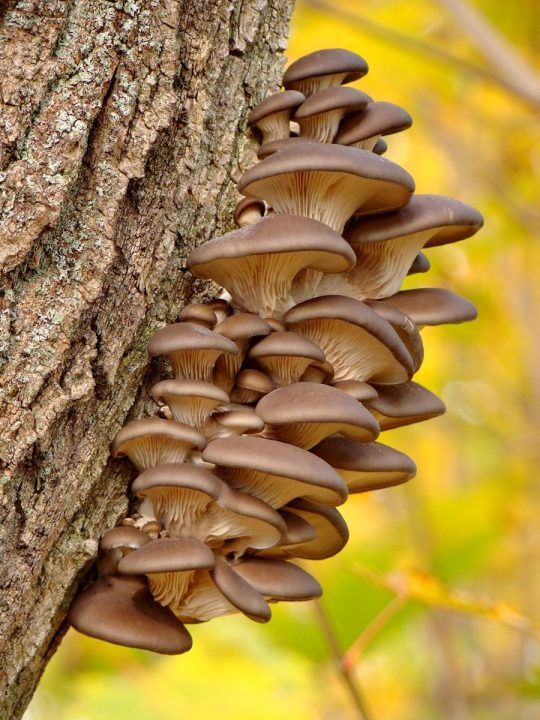
Once the mushroom is mature, it’s ready to release its own spores. These spores are usually found on the gills under the mushroom cap. They are released in huge numbers.
And the cycle starts all over again.
The Perfect Mushroom Environment
Mushrooms are picky about where they grow. They need a few key things to thrive naturally. One of the most important is moisture.
Fungi need water to live and grow. This is why you often see mushrooms after it rains.
The ground needs to be damp. Decaying wood needs to be moist. Even the air needs to have a good amount of humidity.
Too dry, and the spores won’t sprout. Too dry, and the mycelium will struggle.
Another crucial factor is food. As we said, fungi are decomposers. They need organic matter to eat.
This is why they are often found in forests. Forests have lots of fallen leaves, dead trees, and other organic stuff.
Different mushrooms prefer different types of food. Some love rotting hardwood. Others prefer pine needles.
Some even feed on grass clippings or animal dung. The type of mushroom you see often tells you what it’s eating.
Temperature is also important. Most mushrooms like it cool to moderate. Extreme heat or cold can stop their growth.
The ideal temperature range can vary depending on the species of mushroom. But generally, they don’t like it too hot or too cold.
Light is also a factor, but not in the way plants need it. Mushrooms don’t use sunlight for energy. In fact, many mushrooms grow best in shade.
They often emerge from dark, damp places. Too much direct sunlight can actually dry them out.
So, a forest floor after a good rain, with plenty of dead leaves and logs, is a mushroom’s paradise. Your garden might also have the right conditions, especially if you have shaded, moist areas with organic material.
Mycelium: The Hidden Network
It’s really important to understand the mycelium. It’s the main body of the fungus. The mushroom is just the temporary reproductive part.
The mycelium can live for a very long time.
It spreads through the soil or wood like a silent, living web. Think of it as a massive underground digestive system. It’s constantly breaking down organic matter and absorbing nutrients.
Some mycelial networks can be enormous. Scientists have found mycelium that covers many acres. It can be thousands of years old.
It’s a truly ancient and resilient life form.
The mycelium plays a vital role in ecosystems. It’s a primary decomposer. Without fungi breaking down dead things, forests would be buried in debris.
They help recycle nutrients back into the soil.
These nutrients are then available for plants to use. So, fungi are essential for plant growth too. It’s a beautiful partnership in nature.
How Mycelium Feeds
1. Enzyme Release: Hyphae push out special chemicals (enzymes) into their surroundings. These enzymes break down tough organic stuff like wood or leaves into simpler bits.
2. Absorption: The hyphae then soak up these broken-down nutrients. It’s like a sponge absorbing liquid.
3. Growth and Spread: With food, the hyphae grow longer and branch out. This makes the mycelium network bigger and stronger.
Common Places to Find Wild Mushrooms
Where do mushrooms pop up naturally? Look in places that offer the right mix of moisture, food, and shelter.
Forest Floors: This is classic mushroom territory. Especially in damp, shady areas. Fallen leaves, rotting logs, and rich soil provide abundant food for mycelium.
- Oak and pine forests are great spots.
- Areas with moss and ferns often have mushrooms.
Woodlands: Any place with plenty of dead wood is a good bet. This includes fallen trees, stumps, and even rotting branches on the ground.
Gardens and Lawns: After rain, you might see mushrooms in your yard. Especially in areas with shaded, moist soil. Areas with lots of organic matter, like compost piles, can also be good.
- Mulched flower beds are prime spots.
- Areas where grass clippings collect can foster growth.
Meadows and Fields: Some mushrooms grow in grassy areas. These often feed on dead grasses or sometimes even on roots.
Near Water: Damp environments near streams or ponds can be good places. But be careful, some toxic mushrooms grow near water too.
Always remember to be cautious. Never eat a wild mushroom unless you are 100% sure of its identification. Many wild mushrooms look similar, and some are very poisonous.
Types of Mushroom Growth
Mushrooms don’t all grow the same way. Their growth patterns are as diverse as the fungi themselves.
Mushroom Growth Styles
Saprophytic: These mushrooms feed on dead organic matter. They are the decomposers of the fungal world. Most common mushrooms fall into this category.
Parasitic: These fungi feed on living plants or animals. They can damage or kill their hosts. Some “polypore” mushrooms on trees are parasitic.
Mycorrhizal: These fungi form a symbiotic relationship with plant roots. The fungus helps the plant get water and nutrients. The plant gives the fungus sugars.
Many delicious edible mushrooms, like boletes and chanterelles, are mycorrhizal.
The type of growth dictates where you’ll find them. Saprophytic mushrooms are on dead things. Parasitic ones are on living things.
Mycorrhizal ones are near specific types of trees.
The Role of Season and Weather
Season plays a huge role in mushroom growth. Most mushrooms are seasonal. Their fruiting is timed to take advantage of specific weather patterns.
Spring: After winter’s thaw, the ground warms up. Spring rains can trigger the growth of early mushrooms. Morels are a classic spring mushroom, often found near dying elm trees.
Summer: Warm, wet summers can lead to a flush of mushrooms. Many different species appear during this time. Puffballs and some boletes can be found.
Fall (Autumn): This is often the peak season for many edible mushrooms. The cooler temperatures and autumn rains create perfect conditions. Chanterelles, oysters, and many others emerge.
This is also the season for many poisonous mushrooms too.
Winter: In milder climates, some mushrooms can still be found in winter. These are often tough, woody fungi like Turkey Tail, or those that grow on dead wood.
Weather is the immediate trigger. A good soaking rain after a dry spell is often what makes mushrooms appear. The humidity in the air also helps.
Mushrooms need consistent moisture to develop.
Myths vs. Reality About Mushroom Growth
There are many old wives’ tales about how mushrooms grow. Let’s clear some of those up.
Mushroom Growth: Myth vs. Reality
Myth: Mushrooms grow overnight from nothing.
Reality: Mushrooms develop from an existing underground mycelial network. They grow rapidly when conditions are right, but the network has been there for a while.
Myth: All mushrooms are dangerous.
Reality: Many mushrooms are edible and delicious. However, many are also poisonous. Identification is key, and caution is always advised.
Myth: Mushrooms only grow in dark, damp places.
Reality: While many prefer shade and moisture, some mushrooms can grow in sunny areas or drier conditions, depending on the species.
Myth: Mushrooms are plants.
Reality: Mushrooms are fungi, a completely different kingdom of life. They do not have roots, leaves, or seeds like plants do.
What This Means For You
Understanding how mushrooms grow naturally helps us appreciate them. It also helps us know where to look, if we’re interested in finding them.
When it’s normal: Seeing mushrooms after rain, especially in wooded areas or your garden, is perfectly normal. It means your environment has healthy decomposers at work.
It’s a sign of a healthy ecosystem. The fungi are doing their job of recycling nutrients. This helps the plants and trees around them to grow.
When to worry: Generally, you don’t need to worry about mushrooms growing naturally. The only time to be concerned is if they are growing indoors in moist areas. This could indicate a moisture problem or mold growth.
Also, be aware of the poisonous types if you have pets or small children. Ensure they don’t ingest any wild mushrooms.
Simple checks: If you see mushrooms in your garden, observe them. Are they growing on dead wood? Are they in a shady, damp spot?
This is typical. If they are growing on a wall or spreading rapidly indoors, that might signal a bigger issue.
Quick Tips for Mushroom Spotting (Safely!)
If you enjoy the idea of finding wild mushrooms, here are some gentle guidelines. Remember, foraging for food requires knowledge and extreme caution.
- Learn Local Species: Research common edible and poisonous mushrooms in your specific region.
- Go With an Expert: The safest way to start is to join a local mycological society or go on guided foraging walks.
- Focus on Easy Identifications: Start with mushrooms that are very distinctive and have no dangerous look-alikes.
- Never Taste Test: Do not taste a wild mushroom to identify it. This can be deadly.
- Understand Habitat: Know where different species prefer to grow. Mycorrhizal mushrooms will always be near certain trees.
It’s more about observation and learning the signs of nature. Enjoying the beauty and mystery of mushrooms can be a rewarding hobby on its own, even without eating them.
Frequently Asked Questions About Natural Mushroom Growth
Where does the mushroom part come from?
The visible mushroom is the reproductive part of a fungus. It grows from a vast, hidden network of threads called mycelium, which lives underground or in decaying matter.
How do mushrooms get their food?
Mushrooms are fungi, and they get food by breaking down dead organic material like leaves, wood, and animal waste. They release enzymes to do this and then absorb the nutrients.
Why do mushrooms appear after it rains?
Rain provides the moisture that fungi need to grow and reproduce. The dampness allows the spores to germinate and the mycelium to produce the mushroom fruiting bodies.
Can mushrooms grow without soil?
Yes, mushrooms can grow without traditional soil. They often grow on decaying wood, compost, sawdust, or other organic materials that provide the food they need.
How long does it take for a mushroom to grow?
The visible mushroom can grow very quickly, sometimes appearing in just a few days after the right conditions arise. However, the underground mycelium may have been developing for months or even years.
Are all mushrooms that grow in the wild edible?
No, absolutely not. Many wild mushrooms are poisonous, and some can be deadly. It is crucial to be an expert identifier or to go with one before considering eating any wild mushroom.
The Wonder of Nature’s Recyclers
Seeing mushrooms grow naturally is a glimpse into a hidden world. It shows us the power of fungi as nature’s recyclers. They turn dead things into new life.
It’s a process of decomposition and rebirth.
The next time you see a mushroom, remember the vast network beneath. Think about the journey from a tiny spore. It’s a simple yet profound part of our natural world.
Nature always has a way of surprising us.
},
},
},
},
},
} ] }