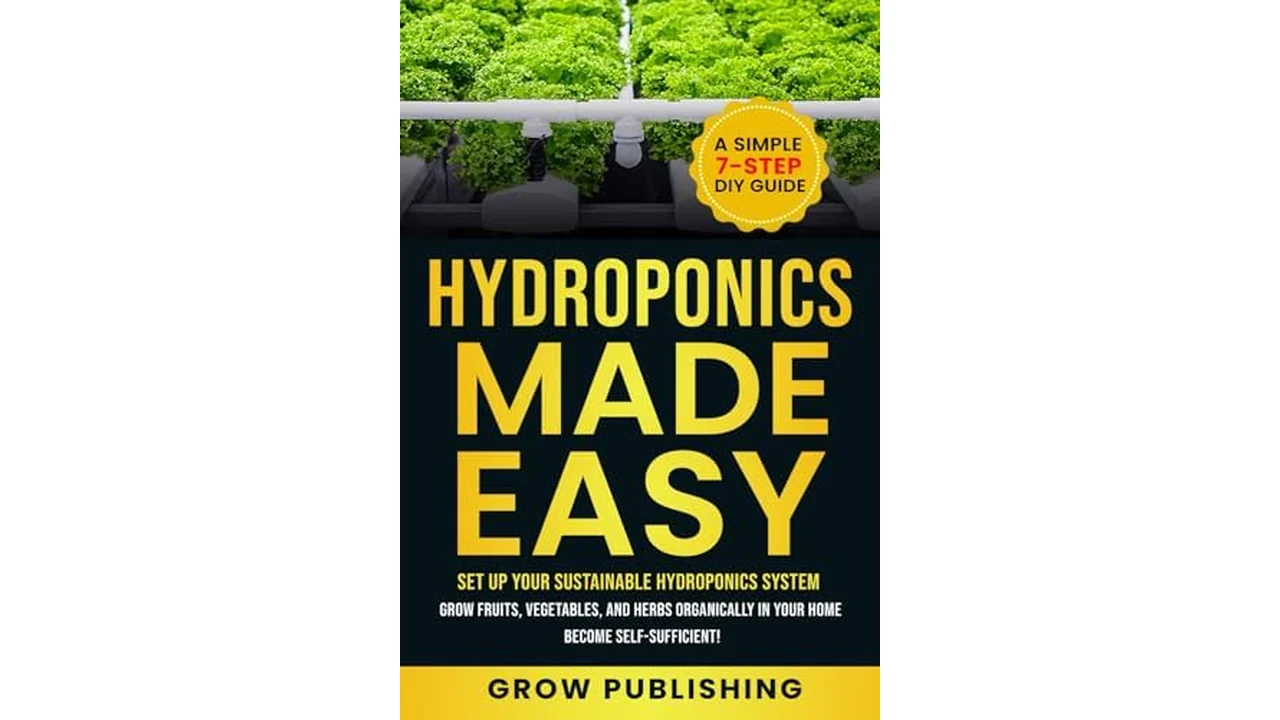
- Dreaming of fresh, home-grown produce year-round, no matter the weather outside? Unlock your inner gardener with HYDROPONICS MADE EASY: A Simple 7-Step DIY Guide to Set Up Your Sustainable Hydroponics System. Grow Fruits, Vegetables, and Herbs Organically in Your Home. Become self-Sufficient!. This guide promises to demystify the process and empower you to cultivate your own delicious, organic bounty right in your home.
- Crafts, Hobbies & Home: Positioned as a valuable addition to home-based activities and personal enrichment.
- Gardening & Landscape Design: Categorized within the practical application of growing and cultivating plants.
- Enjoy fresh produce all year round, regardless of the weather and climate in your region: This is a significant benefit, allowing for consistent harvests independent of external environmental conditions.
- Reduce your environmental footprint by growing your own food at home: Highlights the sustainability aspect, appealing to eco-conscious consumers.
- Year-Round Growing Capability: The system, as outlined in the guide, is designed to overcome seasonal limitations, enabling consistent harvests.
- Environmental Impact Reduction: The core performance promise includes a reduced carbon footprint through home-grown food production.
- Ease of Setup: The “7-Step DIY Guide” suggests a streamlined and manageable setup process, implying that complex technical hurdles are addressed.
- Organic Cultivation: The guide focuses on growing fruits, vegetables, and herbs organically, ensuring the produce is free from synthetic pesticides and fertilizers.
- Self-Sufficiency: A key performance outcome is empowering users to become more self-sufficient in their food production.
- Beginner Gardeners: Those new to gardening or specifically new to hydroponics who need a clear, step-by-step approach.
- Apartment Dwellers and Urban Gardeners: Individuals with limited outdoor space who want to grow their own fresh food indoors.
- Eco-Conscious Consumers: People looking to adopt more sustainable practices and reduce their impact on the environment.
- Health-Conscious Individuals: Those who prioritize organic produce and want greater control over the food they consume.
- DIY Enthusiasts: Individuals who enjoy hands-on projects and the satisfaction of building and maintaining their own systems.
- Home Cooks and Foodies: Anyone who loves fresh herbs and vegetables for culinary use and desires a readily available supply.
-
Key Features to Look For:
- Step-by-Step Instructions: A clear, numbered sequence for setup and maintenance is crucial for beginners.
- System Versatility: Look for guides that suggest systems adaptable to different crops (fruits, vegetables, herbs) and varying spaces.
- Focus on Sustainability: Guides that emphasize reducing environmental impact and promoting organic growth are highly valuable.
- Year-Round Growing: The ability to grow food regardless of external weather conditions is a primary advantage of hydroponics.
- Important Materials: While this is a guide, the implied materials for the system might include food-grade plastics, grow lights, nutrient solutions, growing media (like rockwool or coco coir), and possibly pumps or timers depending on the chosen system. The guide should ideally list these clearly.
-
Essential Factors to Consider:
- Space Availability: Assess how much space you have for your hydroponic system, as this will dictate the size and type of system you can build.
- Light Requirements: Determine if you will rely on natural sunlight or need to invest in grow lights, especially for indoor setups.
- Budget: Hydroponic systems can range in cost. The guide should help you estimate the initial setup and ongoing costs for nutrients and electricity.
- Time Commitment: Understand the time needed for system maintenance, nutrient monitoring, and harvesting.
- Budget Planning: The cost of starting a hydroponic system can vary significantly. A basic setup might cost under $100 for materials, while more complex or larger systems can run into several hundred dollars. Factor in the cost of seeds, nutrients, and electricity for lights or pumps. This guide’s value lies in providing a cost-effective DIY approach, potentially saving money compared to pre-made kits.
- When to Buy: There isn’t a specific “best” time to buy a hydroponics guide, as the benefits of year-round growing are always relevant. However, purchasing before your local growing season ends could allow you to transition to indoor growing as the weather cools, ensuring continuous access to fresh produce. Buying during promotional periods might also offer cost savings.
Key Features That Stand Out
This guide offers several compelling features for aspiring hydroponic gardeners:

HYDROPONICS MADE EASY: A Simple 7-Step DIY Guide to Set Up Your Sustainable Hydroponics System. Grow Fruits, Vegetables, and Herbs Organically in Your Home. Become self-Sufficient!
What We Like
The HYDROPONICS MADE EASY guide truly shines in its promise of accessibility and practicality. We appreciate that it’s designed to be a simple, 7-step DIY process, making hydroponics seem less intimidating for beginners. The core benefit of being able to enjoy fresh produce all year round is incredibly appealing, especially for those living in areas with harsh winters or unpredictable growing seasons. Furthermore, the emphasis on reducing your environmental footprint aligns with a growing desire for sustainable living and self-sufficiency. The guide’s placement within the “Crafts, Hobbies & Home” and “Gardening & Landscape Design” categories suggests it’s a resource for enriching your home life and developing a rewarding hobby.
Performance Analysis
Based on the provided features, the HYDROPONICS MADE EASY guide aims to deliver on several key performance aspects:
Best For
This guide is ideally suited for a variety of individuals and situations:
Buying Guide
When considering a hydroponics guide like HYDROPONICS MADE EASY: A Simple 7-Step DIY Guide to Set Up Your Sustainable Hydroponics System. Grow Fruits, Vegetables, and Herbs Organically in Your Home. Become self-Sufficient!, keep the following in mind:
Frequently Asked Questions
Is this guide suitable for complete beginners with no prior gardening experience?
Yes, the guide is specifically designed as a “Simple 7-Step DIY Guide,” implying it breaks down the process into manageable steps for those new to hydroponics.
Can I really grow both fruits and vegetables with the systems suggested in this guide?
The product description states you can “Grow Fruits, Vegetables, and Herbs,” suggesting the guide covers systems applicable to a variety of plant types.
How much space do I typically need for a hydroponic system set up using this guide?
While the guide itself doesn’t specify dimensions, hydroponic systems can be scaled. The 7-step DIY approach likely allows for smaller, space-saving setups suitable for home use.
Will I need special equipment or tools that are hard to find?
The DIY nature suggests using readily available materials. The guide should ideally provide a clear list of what’s needed for setup.
Is it possible to grow produce organically using this hydroponics system?
Absolutely, the product explicitly mentions growing “Organically,” indicating a focus on natural methods without synthetic chemicals.
What kind of ongoing maintenance is involved with a hydroponic system?
Ongoing maintenance typically involves monitoring water levels, nutrient solutions, pH, and ensuring adequate light. The guide should cover these essential tasks.
How does growing hydroponically reduce my environmental footprint?
Hydroponics often uses less water than traditional soil gardening and eliminates the need for pesticides and long-distance transportation of produce, contributing to a reduced environmental impact.
In conclusion, HYDROPONICS MADE EASY appears to be a well-positioned resource for anyone looking to embark on their hydroponic gardening journey. Its promise of simplicity, year-round fresh produce, and environmental benefits makes it an attractive option for both novice and experienced gardeners seeking greater self-sufficiency.