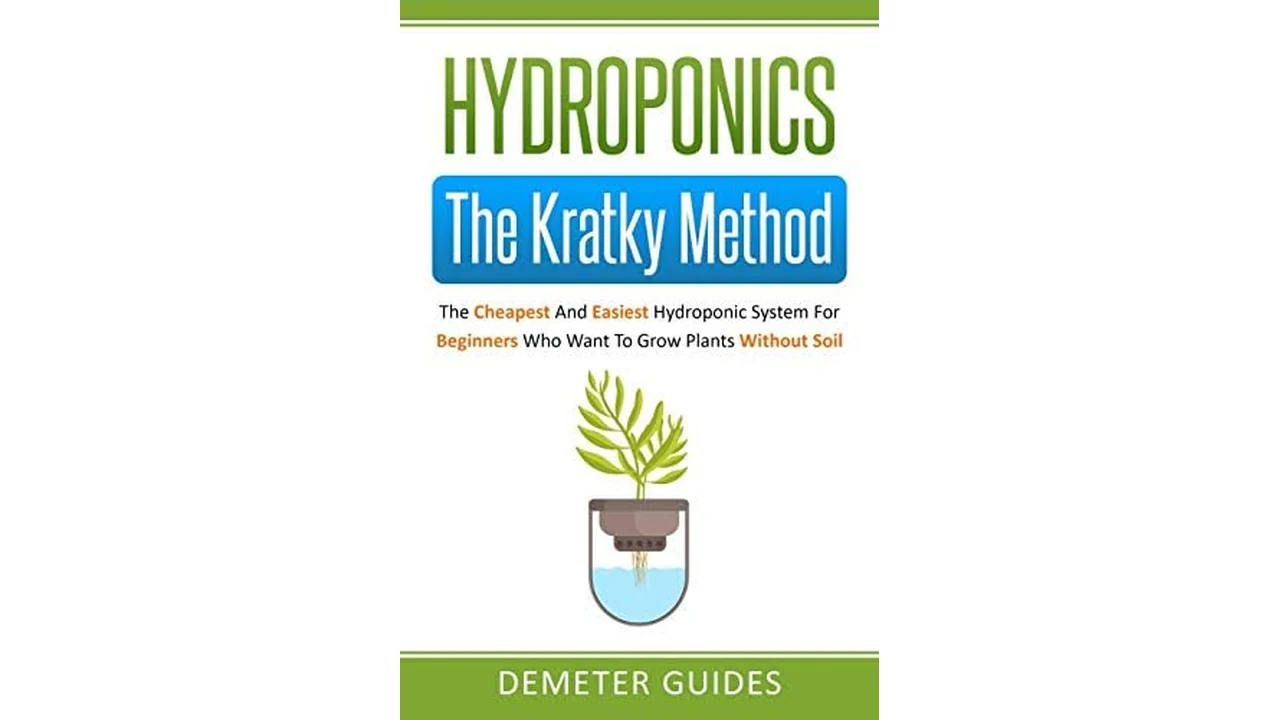
- Are you tired of the mess and complexity of traditional gardening, wishing there was a simpler way to grow your own fresh produce? Look no further than Hydroponics: The Kratky Method: The Cheapest And Easiest Hydroponic System For Beginners Who Want To Grow Plants Without Soil, a fantastic guide designed to demystify the world of soilless gardening and unlock your green thumb potential. This comprehensive resource promises to equip you with the knowledge to cultivate plants with unparalleled ease and affordability, making it an ideal starting point for anyone eager to venture into hydroponics.
- Crafts, Hobbies & Home: Positions hydroponics as an engaging and rewarding home hobby, blending creativity with practical gardening.
- Gardening & Landscape Design: Integrates hydroponic principles into broader gardening knowledge, offering a holistic approach to plant cultivation.
- Discover the Kratky method – the easiest way to grow plants without soil: This core feature highlights the primary benefit – the Kratky method’s inherent simplicity, making soilless gardening accessible to everyone.
- Choose and buy the best equipment for your hydroponic garden: Provides practical advice on selecting the right tools and materials, ensuring beginners can set up their systems efficiently and effectively.
- Emphasis on Simplicity: The clear focus on the Kratky method as the “easiest way” is a significant draw for absolute beginners who might be intimidated by more complex hydroponic systems.
- Practical Equipment Guidance: The inclusion of advice on “choosing and buying the best equipment” is invaluable, saving new growers from costly mistakes and ensuring they acquire the right tools from the outset.
- Accessibility for All: By categorizing this under “Crafts, Hobbies & Home” and “Gardening & Landscape Design,” the guide positions hydroponics as an achievable and enjoyable pursuit for a broad audience.
- Cost-Effectiveness Focus: The title itself highlights the “cheapest” aspect, suggesting that the system and associated methods are budget-friendly, which is a major consideration for many starting new hobbies.
- Low Maintenance Operation: The Kratky method is designed to be a non-circulating, non-aerated system, meaning there are no pumps or electricity required, leading to minimal operational upkeep.
- Water Efficiency: Unlike traditional gardening, hydroponic systems like Kratky can be more water-efficient, with plants drawing nutrients directly from a reservoir.
- Controlled Environment Potential: While the guide doesn’t explicitly detail advanced controls, the fundamental principles of hydroponics allow for a more controlled environment, potentially leading to faster growth and higher yields compared to soil.
- Versatility in Plant Choice: The Kratky method is well-suited for leafy greens and herbs, which tend to be fast-growing and don’t require extensive root systems, making it a practical choice for beginners wanting quick results.
- Beginner-Friendly Setup: The ease of setup and the absence of complex parts mean that users can quickly assemble their system and begin growing, fostering a sense of accomplishment early on.
- Absolute Beginners in Hydroponics: Anyone who has zero prior experience with soilless growing and wants the most straightforward entry point.
- Hobbyist Gardeners on a Budget: Individuals looking for a cost-effective way to grow plants at home, whether for fresh herbs, small vegetables, or decorative plants.
- Apartment Dwellers or Those with Limited Space: The compact nature of many Kratky setups makes them perfect for indoor growing, balconies, or small patios where traditional gardening is not feasible.
- Educators or Parents Teaching About Plant Growth: The simplicity and visual nature of the Kratky method make it an excellent tool for demonstrating plant biology and soilless cultivation to younger learners.
- Individuals Seeking Low-Maintenance Gardening: Those who want to enjoy the benefits of growing plants without the daily watering and extensive care requirements of soil-based gardens.
- Clarity of Instructions: Ensure the guide provides clear, step-by-step instructions for setting up the Kratky system, including diagrams or visuals if possible.
- Equipment Recommendations: Look for guidance on selecting appropriate containers, net pots, growing media (like rockwool or coco coir), and nutrient solutions tailored for soilless growth.
- Plant Suitability Guidance: The resource should indicate which types of plants are best suited for the Kratky method, typically focusing on leafy greens and herbs.
- Nutrient Management Basics: While Kratky is simple, understanding the basic nutrient requirements and how to maintain them is crucial for plant health.
- Troubleshooting Tips: A good guide will offer solutions to common issues beginners might encounter, such as algae growth or nutrient deficiencies.
- Opaque Containers: Food-grade plastic totes or buckets are ideal. Opacity is crucial to prevent light from reaching the nutrient solution, which can cause algae growth.
- Net Pots: These hold the plant and its growing medium, allowing roots to extend into the nutrient solution.
- Growing Medium: Inert materials like rockwool cubes, coco coir, or perlite provide support for the seedling and allow roots to anchor.
- Hydroponic Nutrients: Specially formulated nutrient solutions are required as plants won’t have access to minerals from soil.
- Seeds or Seedlings: The plants you wish to grow, of course!
- Size of System: The size of your container will dictate how many plants you can grow and how long they can grow before needing a refill (though Kratky is designed for one-time filling). Consider the mature size of your chosen plants.
- Plant Selection: Not all plants are ideal for the Kratky method. Leafy greens like lettuce, spinach, kale, and herbs such as basil, mint, and parsley are excellent choices due to their growth habits and nutrient needs.
- Light Requirements: Plants need light to grow. Whether you’re using natural sunlight or artificial grow lights, ensure your chosen location provides adequate light intensity and duration.
- Temperature and Ventilation: Maintain a stable temperature range suitable for your plants and ensure some air circulation to prevent fungal issues.
Key Features That Stand Out
This guide truly shines with its focus on simplicity and accessibility for newcomers to hydroponics. Here are the key features that make it a standout resource:

Hydroponics: The Kratky Method: The Cheapest And Easiest Hydroponic System For Beginners Who Want To Grow Plants Without Soil
What We Like
The approach taken by Hydroponics: The Kratky Method: The Cheapest And Easiest Hydroponic System For Beginners Who Want To Grow Plants Without Soil is particularly appealing for its emphasis on getting started without overwhelming the user.
Performance Analysis
When considering the promised performance of the Kratky method as presented in this guide, the core advantage lies in its passive nature.
Best For
Based on its core features and the emphasis on simplicity, this guide and the Kratky method it champions are ideal for a specific set of individuals and situations.
Buying Guide
When considering an investment into hydroponics, especially through the Kratky method as presented in this guide, understanding what to look for ensures a successful and rewarding experience.
Key Features to Look For
Important Materials
For a Kratky system, the essential materials will typically include:
Essential Factors to Consider
Budget Planning
The Kratky method is celebrated for its affordability. The initial setup cost is generally very low, often under $50 for a small system. This typically includes the container, net pots, growing medium, and initial nutrient solution. Ongoing costs are minimal, primarily involving replenishing nutrient solutions as needed and purchasing seeds. Compared to other hydroponic systems that require pumps, timers, and electricity, the Kratky method offers significant savings.
When to Buy
The beauty of the Kratky method is its year-round applicability, making it a fantastic option regardless of the season. However, if you’re aiming to utilize natural sunlight, consider purchasing and setting up your system in late winter or early spring to take advantage of increasing daylight hours as your plants mature. For indoor growing with artificial lights, any time of year is ideal, allowing you to enjoy fresh produce even during colder months.
Is the Kratky method truly passive with no need for pumps?
Yes, the Kratky method is fundamentally a passive system. It relies on the water level in the reservoir dropping as the plant consumes it, creating an air gap that provides oxygen to the roots. No pumps are required for circulation or aeration.
What types of plants are best suited for the Kratky method?
The Kratky method is most successful with plants that have a relatively short growth cycle and don’t require a large root system, such as leafy greens (lettuce, spinach, kale) and herbs (basil, mint, parsley).
How long can plants live in a Kratky system without refills?
The duration depends on the size of the reservoir and the plant’s growth stage and water consumption. For smaller plants like lettuce, a properly sized reservoir can last the plant’s entire life cycle. For larger or longer-growing plants, you might need to refill the reservoir.
What if I see algae growing in my Kratky system?
Algae growth is usually caused by light reaching the nutrient solution. Ensure your container is completely opaque. If algae does appear, carefully clean the container and roots, and check that no light is penetrating the reservoir.
Do I need special nutrients for Kratky hydroponics?
Yes, you will need a hydroponic-specific nutrient solution. Standard fertilizers designed for soil gardening won’t work as they lack the full spectrum of macro and micronutrients plants need in a water-based system.
Is this guide suitable for someone with absolutely no gardening experience?
Absolutely. The guide emphasizes the “cheapest and easiest” aspects, making it specifically designed for beginners, even those with no prior gardening or hydroponic knowledge.
In conclusion, Hydroponics: The Kratky Method: The Cheapest And Easiest Hydroponic System For Beginners Who Want To Grow Plants Without Soil offers an incredibly accessible entry point into the rewarding world of soilless gardening. Its focus on simplicity, affordability, and minimal maintenance makes it an ideal starting point for anyone looking to grow their own food with ease.