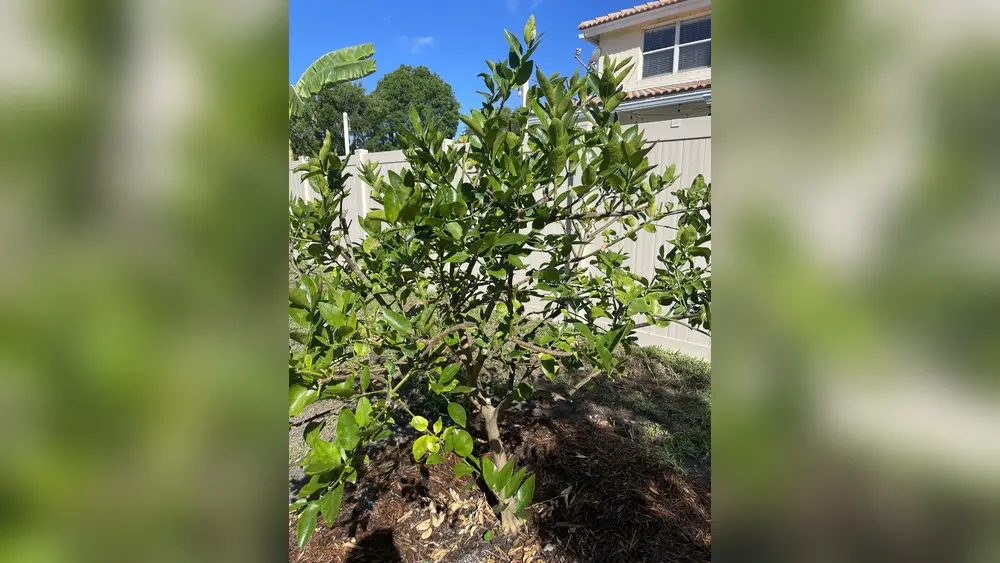

Are you thinking about planting trees in Florida but unsure when the best time is? Getting the timing right can make all the difference in how well your trees grow and thrive.
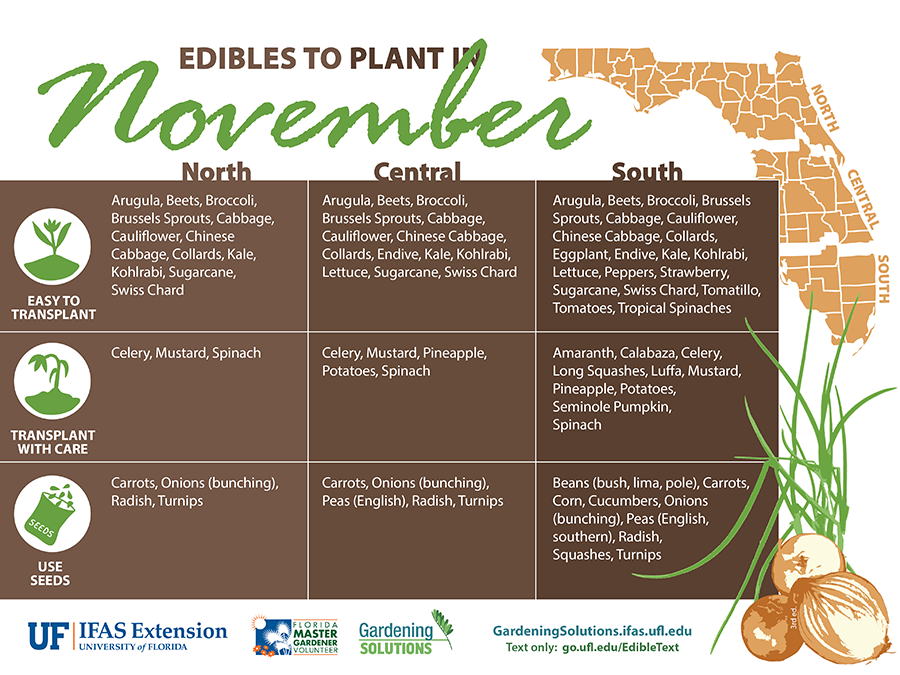
If you want your new trees to develop strong roots and survive the summer heat, knowing the ideal months to plant is key. In Florida, the cooler, wetter months from October through February give your trees the perfect head start.
But there’s more to it—different tree types, regional climates, and watering needs all play a part. Keep reading to discover exactly when and how you should plant trees in Florida for the healthiest, most beautiful results in your yard. Your trees—and your future shade—will thank you!
Best Months For Tree Planting In Florida
Choosing the best months to plant trees in Florida helps ensure strong growth and survival. The state’s warm climate means timing affects root development and overall tree health. Planting during cooler months lets trees establish roots before facing summer heat. Each season offers unique benefits and challenges for tree planting.
Fall And Winter Benefits
Fall and winter, from October through February, are the best months for planting most trees in Florida. Cooler temperatures reduce stress on new trees. The soil remains warm enough to encourage root growth. Trees planted now develop strong roots during their dormant phase. This preparation helps them survive summer heat and drought. Less watering is needed compared to hotter months. Fall planting is ideal for fruit trees like citrus and pomegranates. It also suits evergreens that thrive with cooler weather.
Spring Planting Considerations
Spring is a good choice for trees needing more time to grow before winter. Trees like dogwoods and magnolias do well when planted in spring. Consistent watering is essential as temperatures rise. Spring planting lets roots develop before the hot summer months. However, young trees may face heat stress if watering is irregular. Soil preparation is crucial to retain moisture. Monitor weather changes and water regularly for best results.
Summer Planting Challenges
Summer planting is challenging due to high heat and dry conditions. Young trees risk heat stress and water loss. The soil dries quickly and needs frequent watering. Heavy rains during Florida’s rainy season can help but may also cause root rot. Shade and mulch protect trees from harsh sun. Summer planting suits only hardy species with strong watering plans. Careful attention is necessary to help trees survive the tough summer environment.
Credit: gardeningsolutions.ifas.ufl.edu
Climate Factors Affecting Tree Growth
Tree growth in Florida depends heavily on climate factors. Understanding these factors helps choose the best planting time. Climate affects water availability, soil temperature, and root health. These elements influence how well a tree establishes and grows. Careful timing improves survival rates and long-term tree health.
Rainy Season Impact
The rainy season in Florida lasts from May to October. Frequent rains provide natural watering for new trees. This reduces the need for extra irrigation. However, heavy rain can cause soil erosion and root rot. Trees may struggle if the soil stays too wet. Proper drainage and soil preparation are essential during this time.
Dry Season Advantages
The dry season runs from November to April with less rain. Cooler temperatures reduce stress on young trees. The soil remains warm enough for root growth. This season allows roots to establish without waterlogging. Watering is necessary but easier to control. Trees planted now often grow stronger for summer heat.
Temperature Effects On Roots
Soil temperature plays a key role in root development. Warm soil encourages root growth and nutrient absorption. Cold soil slows root activity and delays establishment. Florida’s fall and winter months offer warm soil with cooler air. This balance helps roots grow steadily without heat stress. Healthy roots support better tree growth and survival.
Tree Types And Planting Times
Choosing the right tree type and planting time affects tree health and growth. Different trees have unique needs and respond best to specific seasons. Knowing these details helps your tree thrive in Florida’s climate.
Fruit Trees Timing
Plant fruit trees in fall for best results. The cooler weather helps roots grow before heat arrives. Citrus, bananas, and pomegranates do well when planted from October to February. Some fruit trees, like apples and peaches, may do better in early spring. Consistent watering is key if planting in warmer months.
Evergreens Planting Window
Evergreens prefer fall or spring planting. Avoid the hottest months to reduce stress. Planting during cooler seasons lets roots settle before summer heat. Keep soil moist, especially in dry periods. Evergreens benefit from steady care during their first year.
Regional Preferences
South Florida allows planting almost year-round due to warm weather. The rainy season from May to October offers natural watering. North and Central Florida favor fall and winter planting. Cooler temperatures reduce stress and improve root growth. Adjust planting times based on your local weather and soil.
Credit: creators.spotify.com
Regional Planting Guidelines
Planting trees in Florida varies by region due to climate differences. Knowing regional guidelines helps your trees thrive. Each area has unique weather and soil conditions that affect planting success. Follow these tips for better growth and survival.
South Florida Flexibility
South Florida has a warm, humid climate year-round. This allows more flexibility in planting times. Trees can be planted almost any month. The rainy season, from May to October, helps young trees get enough water. Still, avoid the hottest months for sensitive species. Consistent watering is key during dry spells.
North Central Florida Tips
North Central Florida has cooler winters than the south. Plant trees in fall or winter to avoid summer heat stress. October through February is ideal. This timing lets roots grow before dry, hot months. Trees planted in spring need regular watering. Choose species that tolerate cooler winters.
Coastal Vs Inland Differences
Coastal areas face salty air and sandy soils. Select salt-tolerant trees for these zones. Planting during cooler months reduces transplant shock. Inland regions have richer soils but can get hotter summers. Plant trees in fall or winter for better root establishment. Adjust watering based on local rainfall patterns.
Soil And Site Preparation
Preparing the soil and site properly is key to planting trees successfully in Florida. Good preparation helps young trees grow strong roots and survive heat and drought. Understanding soil needs and choosing the right site will boost tree health. Proper mulching protects roots and keeps moisture in the soil. These steps create the best start for your trees in Florida’s climate.
Soil Conditioning
Florida soils often need improvement before planting trees. Loosen the soil to allow roots to spread easily. Remove rocks, debris, and old roots. Add organic matter like compost to increase nutrients and improve drainage. Test the soil pH to ensure it suits the tree species. Adjust pH with lime or sulfur if needed. Well-conditioned soil helps roots absorb water and nutrients efficiently.
Site Selection
Choose a site with enough sunlight for the tree type. Avoid areas with poor drainage or standing water. Check space for the tree’s mature size to prevent crowding. Consider nearby buildings, power lines, and sidewalks. Look for protection from strong winds if possible. A well-chosen site supports healthy growth and reduces future problems.
Mulching Techniques
Apply mulch around the base of the tree to conserve soil moisture. Use organic mulch such as wood chips or bark. Spread mulch in a 2-4 inch layer, keeping it away from the trunk. Mulching controls weeds and regulates soil temperature. Replace mulch yearly to maintain its benefits. Proper mulching helps young trees survive Florida’s hot weather.
Watering And Maintenance
Proper watering and maintenance are key to helping new trees thrive in Florida’s climate. Young trees need consistent moisture to develop strong roots. Regular care reduces stress from heat and dry spells. This section covers practical tips to keep your trees healthy after planting.
Irrigation Strategies
Water new trees deeply but less often. This encourages roots to grow deeper into the soil. Use a slow, steady flow of water around the base. Avoid watering the leaves to prevent disease. Early morning watering reduces evaporation. For best results, water young trees two to three times per week during dry periods. Use soaker hoses or drip irrigation to save water.
Mulch Benefits
Apply a 2-3 inch layer of mulch around the tree’s base. Mulch keeps soil moist longer and reduces weeds. It also protects roots from temperature swings. Keep mulch a few inches away from the trunk to avoid rot. Organic mulch like wood chips or pine needles works well. Mulching lowers the need for frequent watering. It also adds nutrients to the soil as it breaks down.
Protecting Young Trees
Shield young trees from strong winds and sun. Use tree guards or wraps to prevent damage from animals and lawn equipment. Stake trees only if needed to support them during storms. Remove stakes after one year to allow natural movement. Check regularly for pests or diseases. Prune only dead or broken branches to encourage healthy growth. Keeping young trees safe ensures they grow into strong, mature trees.
Common Mistakes To Avoid
Planting trees in Florida can be rewarding when done correctly. Avoiding common mistakes helps young trees grow strong. These errors often slow growth or cause tree failure. Understanding what not to do ensures your efforts pay off.
Planting In Extreme Heat
Planting trees during Florida’s hottest months stresses new roots. High temperatures cause water to evaporate quickly. This leads to dry soil and weak root systems. Young trees may wilt or die if heat is too intense. Aim to plant when weather is cooler and more stable.
Ignoring Soil Quality
Healthy soil is key to a tree’s success. Poor soil lacks nutrients and proper drainage. Planting in compacted or sandy soil makes roots struggle. Always test soil before planting. Amend soil with organic matter if needed. This helps roots grow deep and strong.
Overwatering Or Underwatering
Watering mistakes harm tree health. Too much water drowns roots and causes rot. Too little water stops root growth and causes stress. Find a balance based on tree type and weather. Water deeply but less often to encourage strong roots.
Credit: edis.ifas.ufl.edu
Frequently Asked Questions
What Is The Best Time To Plant Trees In Florida?
The best time to plant trees in Florida is during fall and winter, from October to February. Cooler temperatures and wetter soil help roots establish before summer heat. Some trees, like dogwoods, do well in spring with proper watering. Prepare soil and water regularly for healthy growth.
What Is The Rule Of 3 In Gardening?
The rule of 3 in gardening means planting in groups of three for better growth, aesthetics, and easier maintenance. It balances plant spacing and enhances garden design.
What Month Is The Best Time To Plant A Tree?
The best time to plant a tree is during fall and winter months, from October to February. Cooler, wetter weather helps roots establish before summer heat. In Florida, this timing reduces stress and supports strong growth. Ensure proper soil prep and regular watering for successful planting.
Why Does Bill Gates Say “don’t Plant Trees”?
Bill Gates says “don’t plant trees” to highlight that tree planting alone can’t solve climate change effectively.
Conclusion
Planting trees in Florida during fall and winter offers the best chance for success. Cooler temperatures and wetter soil help roots grow strong. Trees established in these months handle summer heat better. Some trees, like fruit varieties, may do well if planted in spring with care.
Always prepare soil and water young trees regularly. Mulch helps retain moisture and protect roots. By choosing the right month and following simple steps, your trees will thrive in Florida’s unique climate. Give your trees a healthy start for lasting growth and beauty.