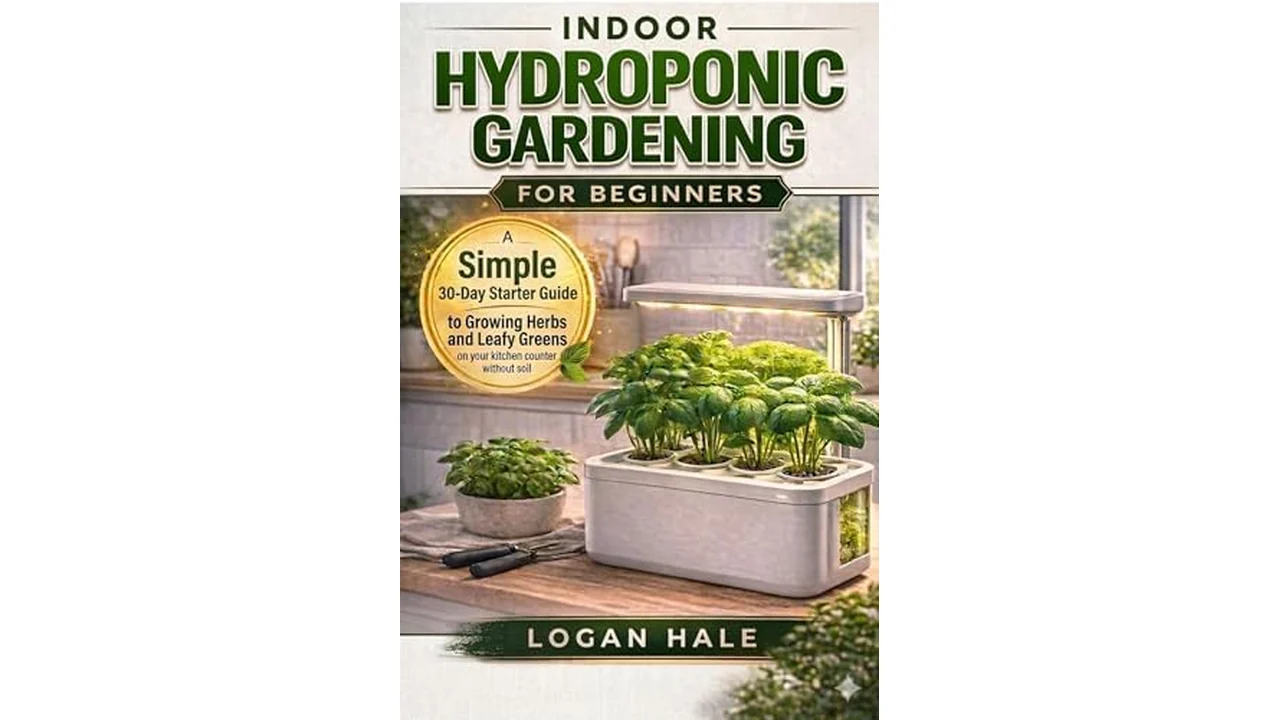
- Dreaming of fresh herbs and crisp greens right from your kitchen counter, even without a garden? The Indoor Hydroponic Gardening for Beginners: A Simple 30-Day Starter Guide to Growing Herbs and Leafy Greens on Your Kitchen Counter Without Soil promises just that, offering a straightforward path to homegrown produce. This guide is designed to demystify hydroponic gardening, making it accessible and achievable for anyone looking to cultivate their own food indoors.
- What hydroponics really is—explained in simple, clear language: This guide breaks down the science and practice of hydroponics, removing jargon and making it easy to understand for absolute beginners.
- How to set up an easy system right on your kitchen counter: The instructions are practical and designed for small spaces, ensuring you can start growing without needing a dedicated room or complex equipment.
- Crafts, Hobbies & Home: Categorized under these broad interests, it appeals to a wide audience looking for engaging home-based activities.
- Gardening & Horticulture: Clearly positioned within the gardening sphere, it caters to those interested in plant cultivation.
- A Simple 30-Day Starter Guide: The structured, time-bound approach helps users see results quickly, fostering motivation and confidence.
- Simplified Explanations: We appreciate that the guide takes a complex topic like hydroponics and breaks it down into understandable terms, which is crucial for beginners.
- Kitchen Counter Convenience: The emphasis on setting up a system directly on your kitchen counter means no extensive space is required, making it ideal for apartment dwellers or those with limited room.
- 30-Day Focus: The structured 30-day timeline provides a clear roadmap and manageable goals, helping users achieve visible results and build confidence quickly.
- Soil-Free Cultivation: For those who dislike the mess of traditional gardening or have concerns about soil-borne pests, the soil-free aspect is a significant advantage.
- Focus on Edibles: The guide specifically targets herbs and leafy greens, which are popular and relatively easy to grow hydroponically, providing quick wins for new gardeners.
- The guide’s core promise is to explain what hydroponics really is in plain language. This suggests a focus on fundamental principles rather than advanced techniques, which is ideal for learning.
- The “easy system right on your kitchen counter” feature indicates that the setup process is designed to be straightforward and compact, suitable for everyday living spaces. This implies a low barrier to entry in terms of equipment and space.
- The 30-day starter guide structure suggests that the content is carefully curated to lead users through the initial stages of hydroponic gardening efficiently, aiming for demonstrable progress within a month.
- The emphasis on growing herbs and leafy greens means the recommended plants are generally fast-growing and less demanding, increasing the likelihood of success for beginners.
- While specific details about nutrient solutions, lighting, or system types are not provided, the overall positioning suggests a focus on the most accessible and common hydroponic methods for home use.
- Absolute Beginners: Individuals with no prior experience in gardening or hydroponics will find the clear language and step-by-step instructions invaluable.
- Urban Dwellers and Apartment Residents: Those living in apartments or homes with limited outdoor space can easily implement the kitchen counter setup.
- Health-Conscious Individuals: People who want easy access to fresh, organic herbs and greens for cooking and healthy eating will benefit greatly.
- Hobbyists Seeking a New Pastime: Anyone looking for an engaging and rewarding indoor hobby that yields tangible results.
- Families and Educators: It can serve as an educational tool for children and families interested in learning about plant growth and sustainable food practices.
- Clear, Simplified Explanations of Hydroponics: The guide should demystify the process without overwhelming you with technical jargon. Look for language that is easy to understand.
- Practical, Space-Saving System Setup: The instructions should guide you in setting up a system that fits comfortably on a kitchen counter or similar small area.
- Beginner-Friendly Plant Recommendations: The guide should focus on plants like herbs and leafy greens that are relatively easy to grow hydroponically, increasing your chances of early success.
- Structured Timeline or Milestones: A clear path, such as a 30-day plan, helps you stay on track and see progress, which is crucial for motivation.
- Focus on Soil-Free Benefits: If you’re looking to avoid the mess of soil or potential soil-borne issues, ensure the guide highlights these advantages.
- Growing Medium: Typically inert materials like rockwool, coco coir, or perlite are used to support the plant roots in hydroponics.
- Nutrient Solutions: Specific hydroponic nutrient mixes that provide all the essential minerals plants need for growth.
- Seeds or Seedlings: The herbs and leafy greens you intend to grow.
- A Simple Hydroponic System: This could be a basic Kratky method setup, a small water pump system, or a pre-made compact hydroponic unit, depending on the guide’s recommendation.
- Water Container: A reservoir to hold the nutrient-rich water.
- Space Availability: Even though it’s designed for small spaces, confirm you have a suitable, stable surface on your kitchen counter with access to electricity if lighting is needed.
- Light Source: While kitchen counters have ambient light, for optimal growth, you might need to consider supplemental grow lights, especially during shorter days or if your counter is in a darker area.
- Water Source and Quality: Access to a clean water source is essential. Some advanced growers test their water pH and EC (electrical conductivity), though this guide likely focuses on simpler approaches.
- Time Commitment: While hydroponics can be less labor-intensive than soil gardening, regular checks of water levels, pH, and nutrient levels are still required.
- Plant Selection: Consider which herbs and greens you use most often, as this will make your hydroponic efforts more rewarding.
- Guide Cost: The price of the Indoor Hydroponic Gardening for Beginners: A Simple 30-Day Starter Guide to Growing Herbs and Leafy Greens on Your Kitchen Counter Without Soil itself is generally very affordable, often a few dollars for an ebook or a modest price for a paperback.
- Initial Setup Costs: This is where the bulk of your investment will lie. A very basic DIY system can be set up for $20-$50. Pre-made compact hydroponic units can range from $50 to $200 or more, depending on size and features.
- Ongoing Costs: Nutrient solutions and replacement grow media are relatively inexpensive and will last for several growing cycles. Electricity costs for grow lights, if used, will be a recurring expense.
- Value Proposition: The long-term value comes from the continuous supply of fresh produce, saving money on store-bought herbs and greens, and the satisfaction of growing your own food.
- Any Time of Year: Hydroponic gardening is an indoor activity, making it accessible regardless of the season or weather outside.
- When You Feel Inspired: If you’ve recently been motivated by recipes that call for fresh herbs or have been looking for a new, rewarding hobby, now is the perfect time.
- Before Planting Season (if applicable): While not strictly necessary for indoor gardening, some people like to prepare their systems during traditional gardening off-seasons to hit the ground running when they are ready to plant.
- During Sales or Promotions: Keep an eye out for deals on Amazon or other retailers, though the low price point of this guide often makes it a good value even at full price.
Key Features That Stand Out
This beginner-friendly guide truly shines with its focused approach to hydroponics. Here are the standout features:

Indoor Hydroponic Gardening for Beginners: A Simple 30-Day Starter Guide to Growing Herbs and Leafy Greens on Your Kitchen Counter Without Soil
What We Like
The Indoor Hydroponic Gardening for Beginners: A Simple 30-Day Starter Guide to Growing Herbs and Leafy Greens on Your Kitchen Counter Without Soil excels in its user-centric design, making it an approachable entry point into hydroponics.
Performance Analysis
Based on the provided features, the performance of the Indoor Hydroponic Gardening for Beginners: A Simple 30-Day Starter Guide to Growing Herbs and Leafy Greens on Your Kitchen Counter Without Soil is geared towards simplicity and immediate results for novice gardeners.
Best For
This starter guide is ideally suited for a specific demographic of aspiring home gardeners.
Buying Guide
When considering a product like the Indoor Hydroponic Gardening for Beginners: A Simple 30-Day Starter Guide to Growing Herbs and Leafy Greens on Your Kitchen Counter Without Soil, it’s important to know what to look for to ensure you get the most value and a successful start.
Key Features to Look For
Based on the features of this particular product, the most important aspects to consider are:
Important Materials
While this is a guide and not a physical kit, the features imply it will lead you to acquire certain materials. You’ll likely need:
Essential Factors to Consider
When using this guide, think about these practical aspects:
Budget Planning
The cost associated with this guide will depend on the materials you need to purchase to implement its advice.
When to Buy
For a guide focused on starting hydroponic gardening, the best time to buy is:
Frequently Asked Questions
What kind of lighting is best for kitchen counter hydroponics?
While ambient kitchen light can be sufficient for some plants, especially during longer daylight hours, supplemental LED grow lights are highly recommended for consistent, robust growth. Look for full-spectrum LEDs designed for plant cultivation.
Do I need special nutrients for hydroponics?
Yes, you do. Hydroponic systems require specific nutrient solutions that provide all the essential macro and micronutrients plants need to thrive, as they are not sourced from soil. These are readily available from gardening suppliers.
How often do I need to change the water in my hydroponic system?
For most simple systems, it’s recommended to completely change the nutrient solution every 1-2 weeks. This ensures the nutrient balance is correct and prevents stagnation or the buildup of harmful pathogens.
What if I don’t have a green thumb? Can I still succeed?
Absolutely. This guide is specifically designed for beginners and breaks down the process into simple, manageable steps. By following the instructions carefully, even those without prior gardening experience can achieve success.
Can I grow more than just herbs and leafy greens with this guide?
This guide focuses on herbs and leafy greens as they are generally the easiest and quickest to grow hydroponically for beginners. While the principles can be applied to other plants, success with fruiting plants like tomatoes or peppers may require more advanced techniques not covered here.
Is hydroponics difficult to set up on a kitchen counter?
No, the guide specifically emphasizes setting up an easy system right on your kitchen counter. This implies the recommended setups are compact, user-friendly, and do not require complex plumbing or large spaces.
Final Thoughts
The Indoor Hydroponic Gardening for Beginners: A Simple 30-Day Starter Guide to Growing Herbs and Leafy Greens on Your Kitchen Counter Without Soil appears to be an excellent resource for anyone curious about growing their own food indoors. Its promise of simplicity and a clear 30-day plan makes the daunting world of hydroponics feel accessible and achievable. If you’re looking for a no-fuss way to bring fresh herbs and greens into your kitchen, this guide is a promising starting point.