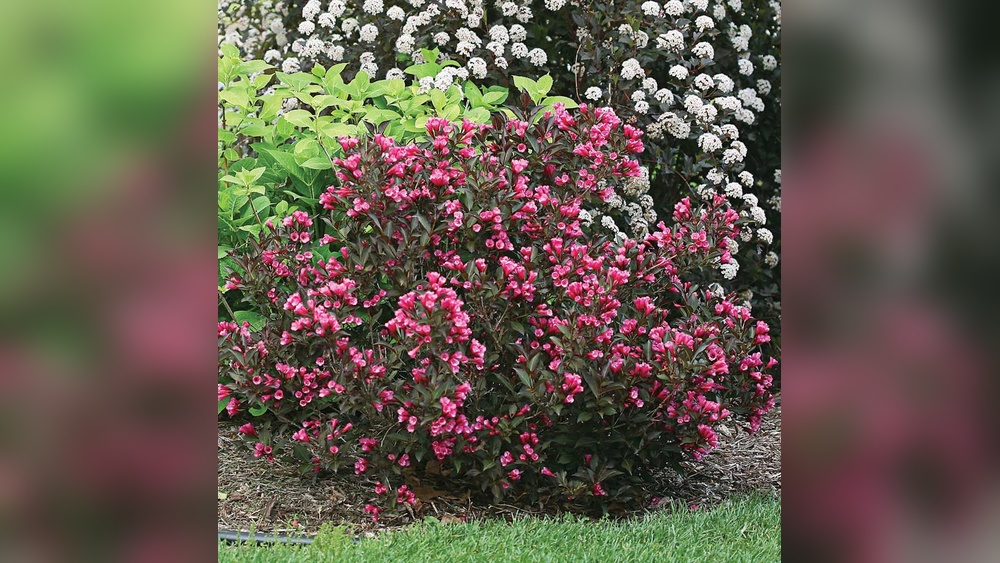
Looking for the best Florida plants for afternoon sun low maintenance? This guide is your solution. We’ll explore a curated list of tough, beautiful, and easy-to-care-for perennials, shrubs, grasses, and groundcovers that thrive in the intense heat and light of a Florida afternoon. Say goodbye to wilted, struggling plants and hello to a vibrant, resilient landscape that practically takes care of itself.
A Garden That Thrives, Not Just Survives
Gardening in Florida is a unique adventure. The sunshine is abundant, the growing season is long, but the afternoon sun can be absolutely relentless. That intense, baking heat from noon until sunset can scorch less-hardy plants, leaving gardeners frustrated. The key to success isn’t fighting the sun; it’s choosing plants that embrace it. This guide focuses on exactly that: a collection of heat-loving, drought-tolerant, and low-maintenance champions that will transform that sun-baked spot in your yard into a stunning oasis.
Why Florida’s Afternoon Sun is a Special Challenge
Not all “full sun” is created equal. A spot that gets six hours of gentle morning sun is vastly different from one that gets six hours of blazing afternoon sun. In Florida, the afternoon sun is particularly punishing for several reasons:
- Peak Intensity: The sun is at its highest and most direct angle during the afternoon, maximizing UV radiation and light intensity.
- Accumulated Heat: By the afternoon, the ground, pavement, and walls have absorbed heat all day, radiating it back onto the plants. This creates a “micro-oven” effect that can stress root systems.
- Low Humidity (at plant level): While Florida is humid overall, the intense heat can quickly evaporate moisture from plant leaves (a process called transpiration), leading to wilting and scorching if the plant can’t draw up water fast enough.
Choosing plants specifically adapted to these conditions is the first and most important step toward a successful, low-effort garden.
What Makes a Plant “Low-Maintenance” in Florida?
When we say “low-maintenance,” we’re not just talking about something you can ignore completely. In a Florida context, a low-maintenance plant has these key characteristics:
- Drought-Tolerant: Once established, it can survive and even thrive with minimal supplemental watering, relying on natural rainfall for most of the year.
- Pest and Disease Resistant: It isn’t a magnet for common Florida pests or susceptible to the fungal diseases that thrive in our heat and humidity.
- Minimal Pruning Required: It naturally grows in a pleasing shape and doesn’t require constant trimming or deadheading to look good.
- Adapted to Florida Soils: It can handle our often sandy, nutrient-poor soil without needing constant amendments and fertilizers.
Now, let’s get to the stars of the show.
Top Picks: The Best Plants for Florida’s Afternoon Sun
We’ve divided our top picks into categories to help you design a layered, visually interesting garden.
Flowering Perennials for Lasting Color
These workhorses provide vibrant color year after year, asking for very little in return.
Gaillardia (Blanket Flower)
- Why it’s great: A Florida native, Gaillardia is the definition of tough. Its cheerful, daisy-like flowers in shades of red, orange, and yellow bloom nearly year-round. It loves sandy soil and is extremely drought-tolerant.
- Size: Typically grows 1-2 feet tall and wide.
- Maintenance: Requires almost no care. Deadheading (removing spent blooms) can encourage more flowers, but it’s not necessary. Avoid overwatering at all costs.
Lantana
- Why it’s great: Butterflies and pollinators adore Lantana. This hardy plant produces clusters of small, vibrant flowers in a multitude of colors. It thrives on neglect and loves the heat. Look for sterile varieties like ‘Bloomify’ or ‘New Gold’ to prevent it from becoming invasive.
- Size: Can range from low-growing groundcovers (1 foot) to large shrubs (5-6 feet), depending on the variety.
- Maintenance: Very little. It may need to be trimmed back once a year in late winter to encourage fresh growth and maintain its shape.
Pentas
- Why it’s great: Pentas are a favorite for attracting butterflies, especially Monarchs and Swallowtails. They produce star-shaped flower clusters in shades of pink, red, white, and purple. While they appreciate a little more water than a cactus, they are remarkably tolerant of afternoon sun once established.
- Size: 2-3 feet tall and wide.
- Maintenance: Water during prolonged dry spells. Deadheading is not required as new flowers will cover the old ones.
Salvia
- Why it’s great: There are many types of Salvia that excel in Florida, including Salvia leucantha (Mexican Bush Sage) and native Scarlet Sage. They are known for their spikes of tubular flowers that are irresistible to hummingbirds and bees. They are exceptionally drought-tolerant.
- Size: Varies greatly by species, from 2 to 5 feet tall.
- Maintenance: Prune back after a major bloom cycle to encourage new growth and more flowers.
Hardy Shrubs: The Backbone of Your Garden
Shrubs provide structure, create privacy, and serve as a green backdrop for your flowering perennials.
Firebush (Hamelia patens)
- Why it’s great: This Florida native is a superstar. It boasts bright green foliage and tubular, reddish-orange flowers that bloom from spring through fall, providing a critical nectar source for hummingbirds and Zebra Longwing butterflies. It is incredibly heat and drought-tolerant.
- Size: Can reach 8-12 feet tall but can be easily kept smaller with pruning.
- Maintenance: Prune in late winter or early spring to control size and shape. It requires virtually no other care once established.
Coontie Palm (Zamia integrifolia)
- Why it’s great: Despite its name, the Coontie is a cycad, not a palm. It is Florida’s only native cycad and has a unique, prehistoric look with stiff, deep green fronds. It is exceptionally slow-growing, salt-tolerant, and thrives in full sun and poor soil. It’s also the sole larval host plant for the Atala butterfly.
- Size: Slowly grows to 2-3 feet tall and 3-4 feet wide.
- Maintenance: Essentially zero. Just plant it and enjoy. Do not overwater.
Simpson’s Stopper (Myrcianthes fragrans)
- Why it’s great: A versatile native evergreen shrub or small tree. It produces small, fragrant white flowers followed by red berries that are a food source for birds. Its dense growth habit makes it an excellent choice for a hedge or privacy screen. It handles full sun and drought like a champion.
- Size: Can grow 10-20 feet tall but takes well to shearing to be kept at any desired height.
- Maintenance: Prune to shape as needed. It’s very forgiving and requires little care.
Striking Succulents and Agaves
For a dramatic, architectural look with the lowest possible water needs, these are your go-to plants.
Agave
- Why it’s great: Agaves are the embodiment of a tough, sun-loving plant. Their bold, sculptural forms make a stunning focal point in any landscape. They store water in their thick leaves, making them incredibly drought-resistant. Many varieties thrive in Florida, but be sure to provide sharp drainage.
- Size: Varies from small 1-foot varieties to massive 10-foot specimens.
- Maintenance: The main requirement is well-draining soil. Sandy soil is perfect. Avoid planting in areas with standing water. Be mindful of their sharp spines.
Yucca (Spanish Bayonet)
- Why it’s great: Both native and non-native Yuccas are incredibly well-suited to Florida’s sun. Their sword-like leaves create a dramatic silhouette. In spring or summer, they send up a tall stalk of beautiful, creamy-white, bell-shaped flowers.
- Size: Typically 3-6 feet tall, with flower stalks reaching much higher.
- Maintenance: Plant it and forget about it. They are extremely self-sufficient.
Ornamental Grasses for Texture and Movement
Grasses add a soft, dynamic element to the garden, catching the light and swaying in the breeze.
Muhly Grass (Muhlenbergia capillaris)
- Why it’s great: A breathtaking Florida native. For most of the year, it’s a fine-textured, green clumping grass. But in the fall, it erupts in a massive, hazy cloud of pinkish-purple flowers that glow in the afternoon sun. It is extremely drought-, salt-, and heat-tolerant.
- Size: 2-3 feet tall and wide, reaching 4 feet when in bloom.
- Maintenance: Cut it back to about 6- (Note: MAX_TOKENS)8 inches from the ground in late winter to remove old growth and make way for the new.