
Discover Stunning & Easy Northeast Florida Plants for a Thriving Garden

Learn how Northeast Florida plants offer a beautiful, low-maintenance, and eco-friendly way to create a vibrant garden, perfectly adapted to the local climate.
Are you dreaming of a lush, vibrant garden in Northeast Florida but worried about the effort involved? The good news is, you don’t have to choose between beauty and ease! By selecting the right Northeast Florida plants, specifically those native or well-adapted to our unique climate, you can cultivate a stunning landscape that thrives with minimal fuss. This guide will help you discover the secret to a gorgeous, easy-care garden that flourishes year-round.
—
Why Choose Northeast Florida Plants for Your Garden?
Opting for plants suited to our region isn’t just a trend; it’s a smart gardening strategy. These natural choices bring a host of benefits that make gardening in St. Johns, Duval, Clay, and surrounding counties far more rewarding.
Effortless Beauty: Thrive, Don’t Just Survive
Imagine plants that require less watering, less fertilizing, and less pest control. That’s the magic of using Northeast Florida plants. They are naturally resilient, accustomed to our sandy soils, humid summers, and occasional cold snaps. This means they spend their energy flowering and growing beautifully, instead of struggling to adapt.
Eco-Friendly & Sustainable Gardening
When you plant local, you’re embracing sustainability. Native plants are integral to the local ecosystem, reducing the need for chemical interventions and conserving precious water resources. This approach lessens your garden’s environmental footprint, making it a win for both you and nature.
Attracting Beneficial Wildlife
A garden filled with native Northeast Florida plants becomes a welcoming haven for local wildlife. Butterflies, bees, hummingbirds, and songbirds are naturally drawn to these species, providing crucial food and shelter. You’ll not only enjoy a vibrant landscape but also a lively, active ecosystem right in your backyard.
—
Stunning Northeast Florida Plants for Every Landscape
Whether you’re looking for continuous blooms, stately shrubs, or charming groundcovers, there’s a native or Florida-friendly plant perfect for your vision.
Vibrant Flowers for Continuous Color
Bring your garden to life with a riot of color that persists through our long growing season.
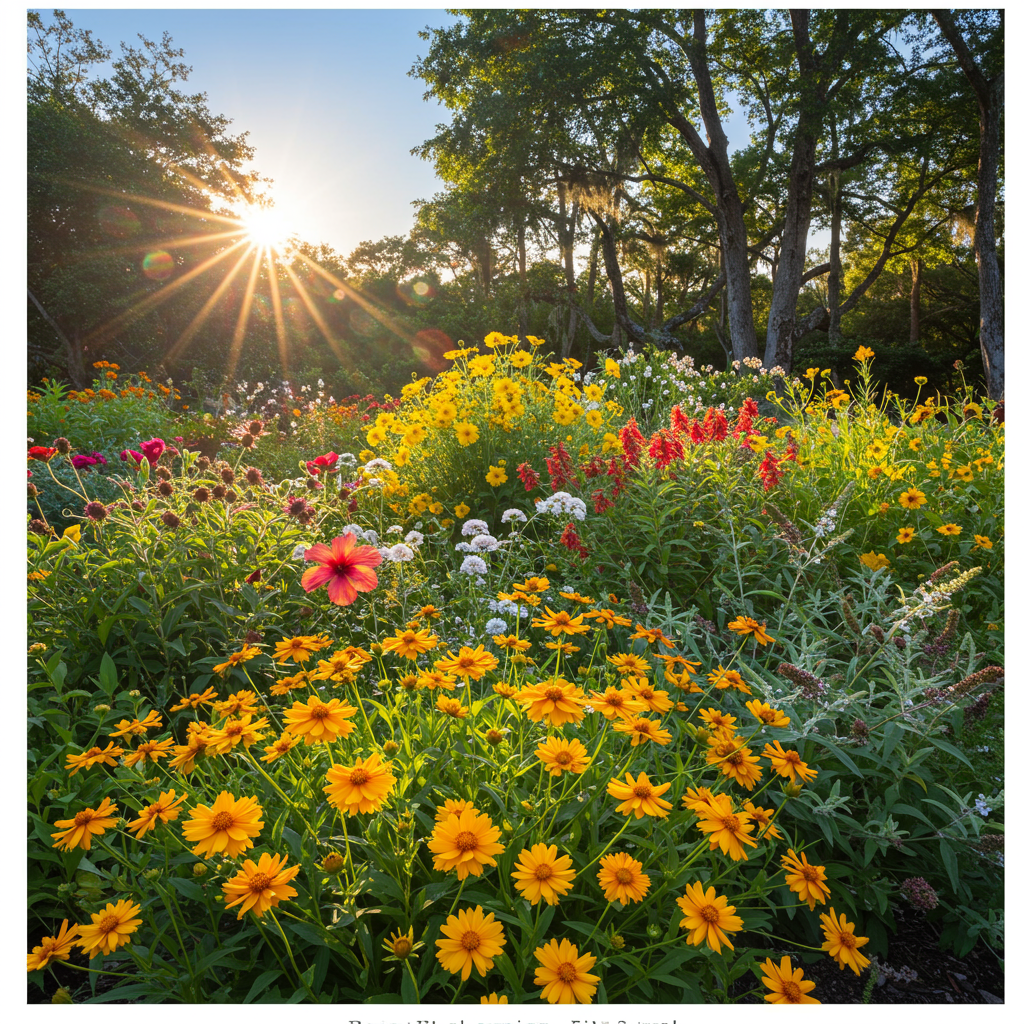
Coreopsis (Tickseed): Florida’s state wildflower! These cheerful yellow blooms are tough, drought-tolerant, and provide continuous color for months.
Firebush (Hamelia patens): A showstopper with tubular orange-red flowers that hummers adore. It can be grown as a shrub or a perennial that dies back in colder winters.
Scarlet Salvia (Salvia coccinea): Bright red spikes of flowers offer a dramatic contrast and are a magnet for butterflies and hummingbirds.
Hardy Shrubs & Trees for Structure
These backbone plants give your garden form and year-round appeal.
Beautyberry (Callicarpa americana): Known for its striking clusters of iridescent purple berries in fall and winter. A true standout!
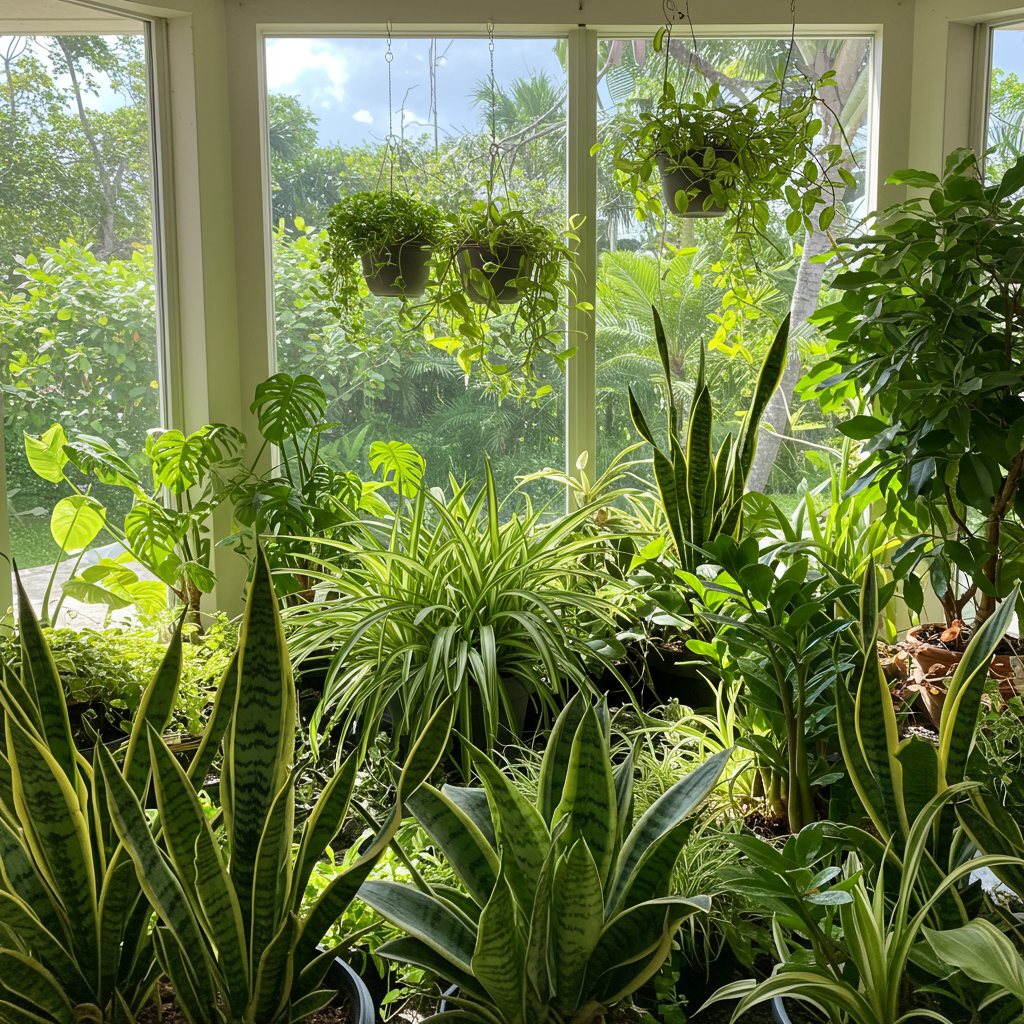
Coontie Palm (Zamia integrifolia): A prehistoric, slow-growing, incredibly tough cycad. Perfect for shady spots, it’s very drought-tolerant once established.
Wild Coffee (Psychotria nervosa): An excellent evergreen shrub for shady areas, producing small white flowers followed by red berries that birds love.
Groundcovers & Ornamental Grasses that Shine
Fill in spaces and add texture with these low-maintenance wonders.
Muhly Grass (Muhlenbergia capillaris): An iconic Florida grass, famous for its gorgeous pinkish-purple plumes in the fall. Drought-tolerant and spectacular.
Sunshine Mimosa (Mimosa strigillosa): A fast-growing groundcover with delicate fern-like leaves and cute pink pom-pom flowers. It’s tough and drought-resistant.
Liriope (Liriope muscari): Often called ‘Monkey Grass,’ this evergreen groundcover is incredibly versatile and tolerant of various conditions.
—
Top Picks: Our Favorite Easy Northeast Florida Plants
Here’s a quick list of some of the easiest and most stunning choices for your local garden:
Coontie Palm (Zamia integrifolia): Shade-loving, drought-tolerant, evergreen.
Beautyberry (Callicarpa americana): Deciduous shrub, purple berries in fall, sun to partial shade.
Firebush (Hamelia patens): Fast growing, orange-red flowers, attracts hummingbirds, sun to partial shade.
Muhly Grass (Muhlenbergia capillaris): Ornamental grass, pink plumes, full sun, drought-tolerant.
Florida Sunshine Mimosa (Mimosa strigillosa): Groundcover, pink flowers, full sun, very tough.
Coreopsis (Coreopsis spp.): Yellow flowers, full sun, drought-tolerant, long bloom time.
Wild Coffee (Psychotria nervosa): Evergreen shrub, red berries, loves shade.
—
Cultivating Your Easy Northeast Florida Garden: Tips for Success
Making your garden a success doesn’t require a green thumb, just a few smart choices and practices.
Understanding Your Environment: Sun, Soil & Water
Before you plant, take stock of your yard.
Sunlight: Observe which areas get full sun (6+ hours), partial sun (4-6 hours), or full shade (less than 4 hours).
Soil: Northeast Florida soils are often sandy. Some plants prefer this, while others might benefit from added organic matter.
Drainage: Ensure good drainage to prevent root rot, especially during our rainy season.
Smart Planting & Establishment
Give your new plants the best start possible.
Digging: Dig a hole twice as wide as the root ball, but no deeper. The top of the root ball should be level with the ground.
Watering: Water new plants frequently until established (usually a few weeks to months). After establishment, most native plants will require significantly less water.
Mulch: Apply a 2-3 inch layer of mulch around plants. This helps retain moisture, suppress weeds, and regulate soil temperature.
Minimal Maintenance for Maximum Impact
One of the greatest joys of gardening with Northeast Florida plants is the reduced workload.
Pest Control: Healthy native plants are often less susceptible to pests. If issues arise, try natural solutions first.
Fertilizer: Many native plants do not require fertilizer once established, as they are adapted to local soil conditions. If needed, choose a slow-release, native-friendly option.
* Pruning: Prune only when necessary to shape the plant or remove dead/diseased branches. Avoid heavy pruning, especially during growing seasons.
—
Frequently Asked Questions About Northeast Florida Plants
Here are answers to common questions about planting in our region:
Q1: What’s the best time to plant in Northeast Florida?
A1: Fall (October to December) is ideal, as cooler temperatures and occasional rains help plants establish roots before the hot summer. Spring (March to May) is also a good time, but requires more diligent watering.
Q2: Do these plants need much water once established?
A2: Generally, no. Once established, many native and adapted Northeast Florida plants are drought-tolerant and thrive on natural rainfall. Overwatering can actually be detrimental.
Q3: Are native plants truly pest-resistant?
A3: While no plant is entirely “pest-free,” native plants have evolved with local insects and diseases. This often means they’re more resilient and less prone to severe infestations than non-native species.
Q4: Where can I buy native or Florida-friendly plants?
A4: Look for local nurseries that specialize in native plants, or check out Florida-friendly plant sales hosted by garden clubs or extension offices. Always ask for plants grown in Florida or suitable for your specific zone.
Q5: Will native plants attract bees and butterflies?
A5: Absolutely! Many native Northeast Florida plants provide essential nectar, pollen, and host plant leaves for local pollinators, making your garden a lively sanctuary for butterflies, bees, and other beneficial insects.
—
Conclusion
Creating a beautiful and easy garden in Northeast Florida is entirely achievable when you choose plants that are naturally suited to our region. By embracing Northeast Florida plants, you’ll not only enjoy stunning blooms and lush foliage with minimal effort, but you’ll also contribute to a healthier, more vibrant local ecosystem. So, step into your garden with confidence, select these resilient beauties, and watch your landscape transform into a thriving, low-maintenance paradise. Happy gardening!