A sitemap is a file on your website that lists all the important pages. It tells search engines like Google about your site’s structure and content, helping them efficiently crawl and index your web pages. Think of it as a roadmap for search engine bots. There are two main types: XML sitemaps, which are designed for search engines, and HTML sitemaps, which help human visitors navigate your site. Having a well-structured sitemap is crucial for proper website indexing and ensuring all your valuable content is discoverable.
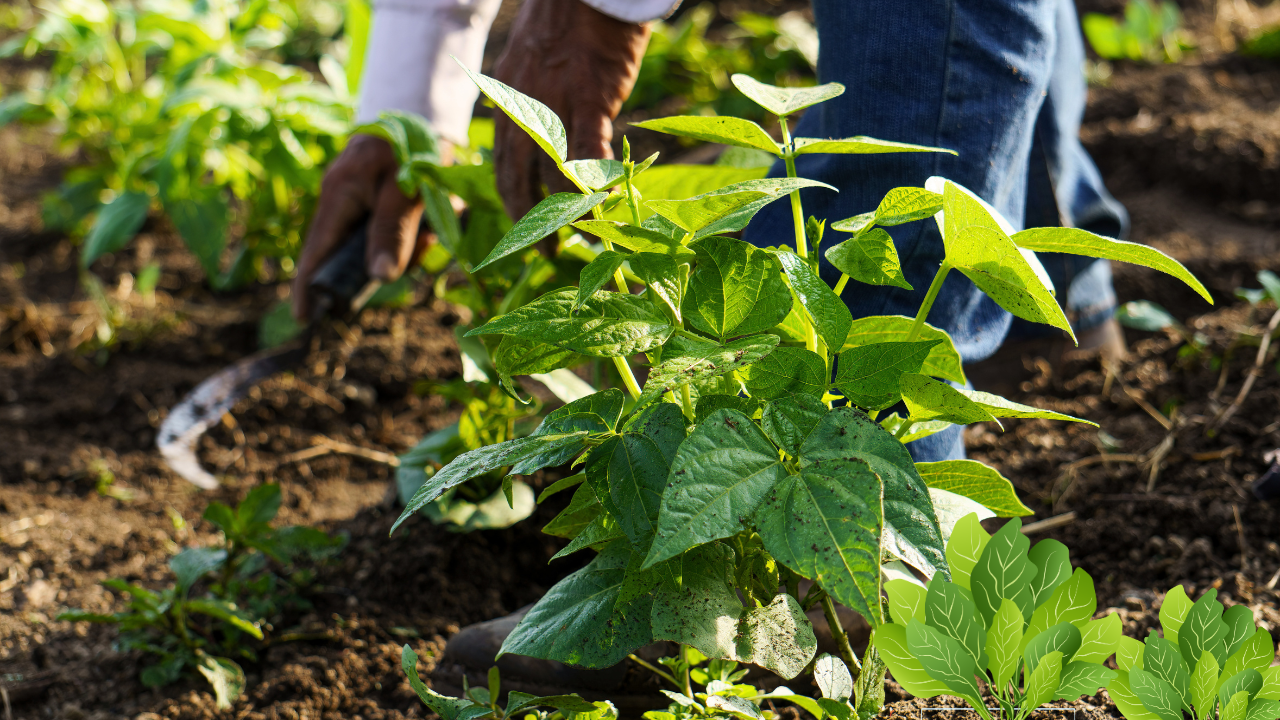
Tag: brassicas
A canonical tag, often written as `rel=canonical`, is a vital HTML element used by SEOs to prevent duplicate content issues on websites. This tag tells search engines like Google which version of a page is the preferred or canonical version, consolidating ranking signals for similar pages. For example, if you have the same product listed under `/products/red-shirt` and `/clothing/t-shirts/red-shirt`, a canonical tag on the latter can point to the former, ensuring search engines understand `/products/red-shirt` is the primary page to index and rank. Implementing a canonical tag properly helps improve search engine optimization by avoiding penalties for duplicate content and focusing link equity onto the designated canonical URL.
Discover the top crops perfect for attracting deer to your Florida land this August! We’ll show you how to plant quick-growing, high-energy foods that keep deer coming back for more.
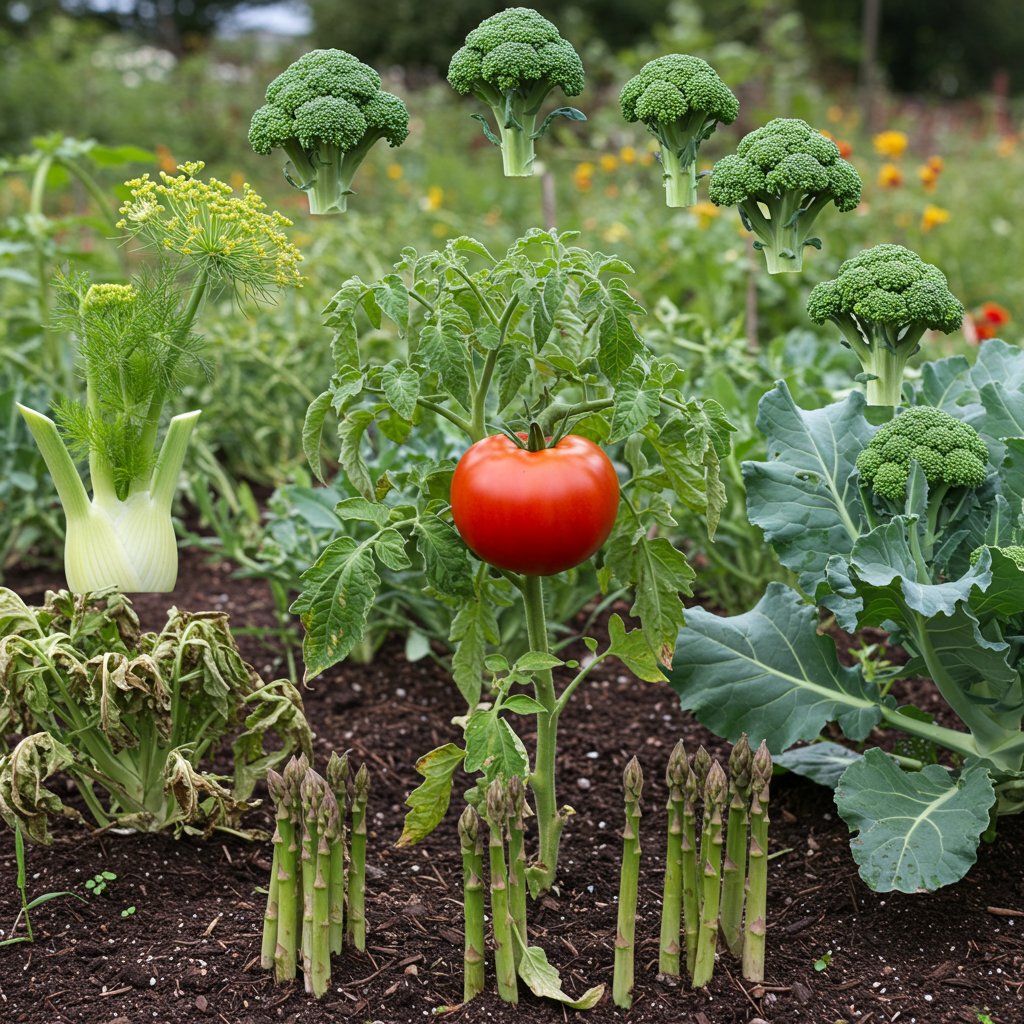
Give your tomatoes their best chance to thrive by learning about the worst tomato companions that can secretly sabotage your harvest.