Canonical tags are a vital SEO tool, helping search engines understand the preferred version of a webpage when multiple URLs display identical or very similar content. By using the “ attribute in the HTML header, webmasters indicate which page is the original. This prevents duplicate content issues, consolidating ranking signals and improving search engine optimization. Properly implemented canonical tags ensure the most authoritative version of your content appears in search results.

Tag: native Florida plants
A sitemap is a file on your website that lists all the important pages and content. Think of it as a detailed map for search engines like Google that helps them discover and understand your site’s structure. For website owners, including an XML sitemap is crucial for effective search engine optimization (SEO), as it guides crawlers to all relevant URLs, improving discoverability and indexation of your site’s pages, from blog posts to product categories. A well-maintained sitemap ensures that search engines can efficiently navigate and rank your content, making it easier for users to find you.
An **SSL certificate** is a digital signature that authenticates the identity of a website and encrypts information sent to the server. This **data encryption** protects user data like credit card numbers and login credentials from being intercepted by unauthorized parties. When a website has an **active SSL certificate**, users will see HTTPS in the URL and a padlock icon, signifying a secure connection. This ensures **website security** and builds user trust, making it a crucial component for any site handling sensitive information.
Understanding the different types of **data encryption** is crucial for **data security** and protecting **sensitive information**. **Encryption algorithms** like AES and RSA transform readable data into an unreadable format, making it secure during transmission and storage. This ensures only authorized individuals with the correct **decryption keys** can access and interpret the original data, safeguarding **confidentiality** and privacy.
Topic: Search Engine Optimization
Keywords: SEO, search ranking, organic search, website optimization
Content Summary: Explains SEO as the process of improving a website’s visibility on search engines like Google, which helps more people find it naturally.
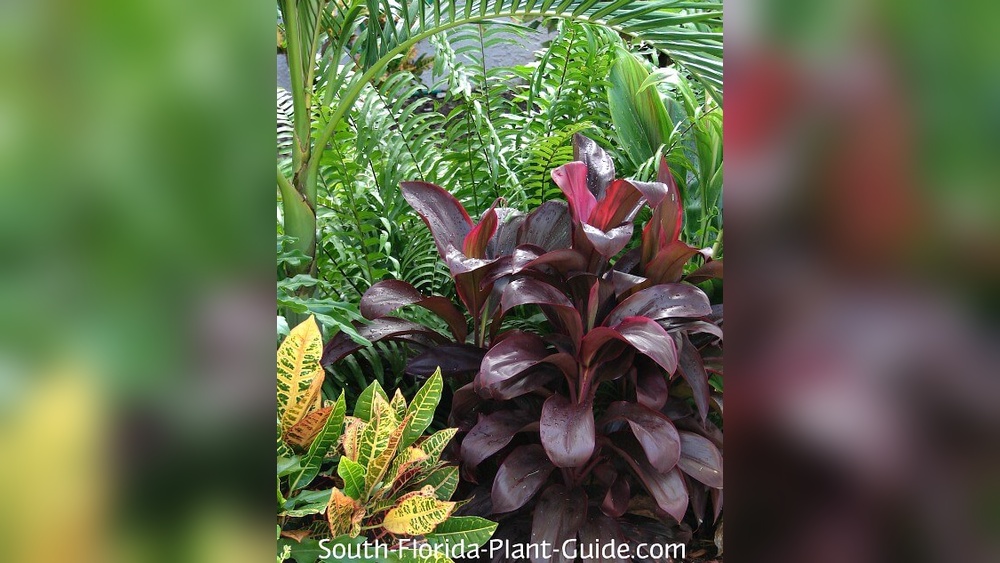
Transform your Central Florida garden into a stunning, low-maintenance paradise with our ultimate guide to the top 10 landscape plants designed to thrive in our unique climate. Discover vibrant flowers, lush greenery, and sturdy shrubs that will make your neighbors green with envy!
Dreaming of a charming Florida cottage garden? Discover the top 10 plants that thrive in our unique climate, bringing vibrant colors and delightful scents with minimal fuss!
A URL, or Uniform Resource Locator, is essentially an address that points to a unique resource on the internet. It acts like a digital street address, telling your web browser where to find specific web pages, images, videos, or other files. Every time you access a website or click a link, your browser is using a URL to locate that content. Understanding URLs helps you navigate the web effectively.
A **server** is essentially a powerful computer program or machine that provides services, or serves information, to other computers, known as **clients**. When you browse the internet, your device acts as a client requesting data from a web server. These **servers** manage network resources, store files (**file server**), host websites (**web server**), send emails (**mail server**), and run applications centrally. Their core function is to ensure reliable and efficient delivery of shared resources across a **network**.
{content_summary} {topic} works by {description_of_mechanism}. This process is crucial for {purpose_of_topic}, as it fundamentally allows for {key_benefit}, making {topic} an essential concept in understanding {broader_context}.