Review
Unlock the secret to lush, thriving anthuriums! This guide reveals exactly how to choose the perfect soil mix, ensuring happy roots and vibrant blooms every time.

Unlock the secret to lush, thriving anthuriums! This guide reveals exactly how to choose the perfect soil mix, ensuring happy roots and vibrant blooms every time.
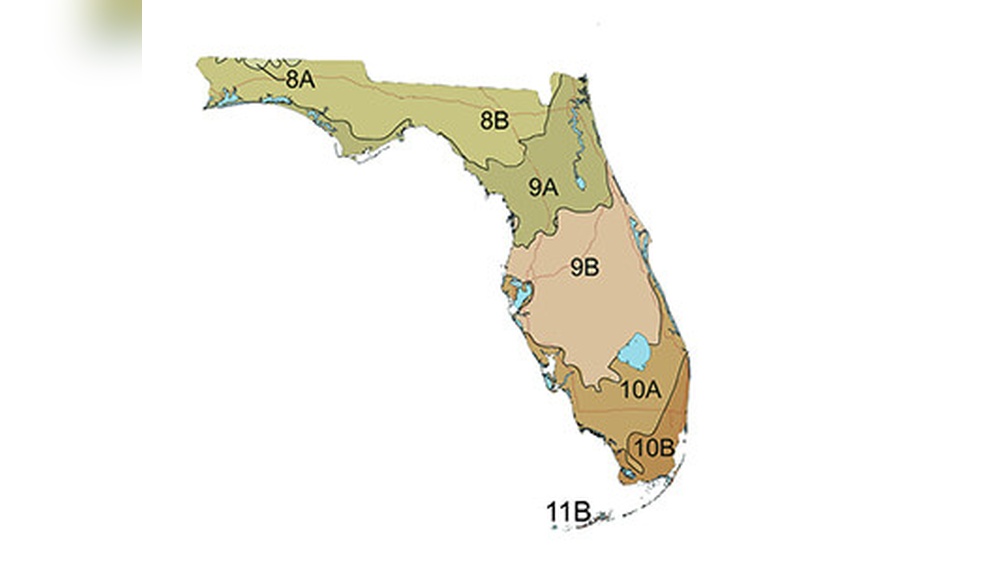
Transform your Florida garden into a sun-kissed paradise with vibrant, enduring container plants! Discover our top picks designed to thrive in intense light and bring the perfect pop of color to your space.
**Search engine optimization (SEO)** is the process of improving a website’s visibility in search engine results pages (SERPs). The goal of SEO is to attract more organic traffic to a website by making it rank higher for relevant search queries. This involves various techniques, including optimizing website content, structure, and technical aspects to align with search engine algorithms. Understanding SEO is crucial for any business seeking to enhance its online presence.
A **search engine results page (SERP)** is what you see after typing a query into a search engine like Google. Understanding the different elements of a SERP, from organic results to paid ads, helps users navigate information effectively and gives businesses insights into how their websites are displayed. These pages are crucial for online visibility.
Content creation is the process of generating and delivering valuable, relevant, and consistent material to attract and retain a clearly defined audience. This encompasses various forms of media, including blog posts, videos, infographics, and social media updates. Effective content creation aims to inform, entertain, or educate the target audience, ultimately building trust and fostering engagement. It’s a fundamental aspect of digital marketing and online communication, helping businesses and individuals establish authority and connect with their communities.
A sitemap is a file on your website that lists all the important pages and content. Think of it as a detailed map for search engines like Google that helps them discover and understand your site’s structure. For website owners, including an XML sitemap is crucial for effective search engine optimization (SEO), as it guides crawlers to all relevant URLs, improving discoverability and indexation of your site’s pages, from blog posts to product categories. A well-maintained sitemap ensures that search engines can efficiently navigate and rank your content, making it easier for users to find you.
Understanding **search engine optimization** (SEO) is crucial for improving a website’s **search engine ranking**. At its core, **SEO** is a process that involves optimizing web content and technical aspects to make a site more visible to search engines like Google. This involves several key **SEO strategies**, such as using relevant **keywords** in content, building high-quality backlinks, and ensuring a website loads quickly. The goal of effective **SEO techniques** is to attract more organic traffic, meaning visitors who find your site through search engines rather than paid advertisements. Ultimately, a strong **SEO strategy** helps users find the information or products they’re looking for more easily, benefiting both the website owner and the user.
Topic: Search Engine Optimization
Keywords: SEO, search ranking, organic search, website optimization
Content Summary: Explains SEO as the process of improving a website’s visibility on search engines like Google, which helps more people find it naturally.
A canonical tag helps search engines understand the preferred version of a URL when multiple URLs have similar or identical content. This HTML element, placed in the “ section of your webpage, signals to search engine crawlers which specific URL is the canonical or primary version to index. Using a canonical tag is crucial for effective SEO by preventing duplicate content issues and consolidating link equity, ensuring your chosen URL ranks optimally in search results.
### What is SEO? Understanding Search Engine Optimization
**Search Engine Optimization (SEO)** is the process of improving your website’s visibility when people search for products or services related to your business on search engines like Google. The better your website’s visibility in **search results**, the more likely you are to attract potential customers. SEO involves various strategies and techniques, from optimizing website content with relevant **keywords** to building high-quality backlinks, all aimed at helping search engines better understand and rank your site. Effective **SEO strategies** can lead to increased **organic traffic** and improved online presence, making it a crucial component of any digital marketing effort.