
If you’re eager to grow fresh, tender okra right in your Florida garden, knowing the perfect time to plant is key to a bountiful harvest. Plant too early or too late, and your okra might struggle to thrive or produce less than you hoped.
But when exactly should you plant okra in Florida to enjoy those crisp pods all season long? You’ll discover the ideal planting windows tailored to Florida’s unique climate, tips to maximize your okra yield, and how to avoid common pitfalls that can stunt your plants.
Ready to grow okra like a pro? Keep reading to unlock the secrets to timing your planting just right!
Credit: livingcolorgardencenter.net
Okra Growing Seasons In Florida
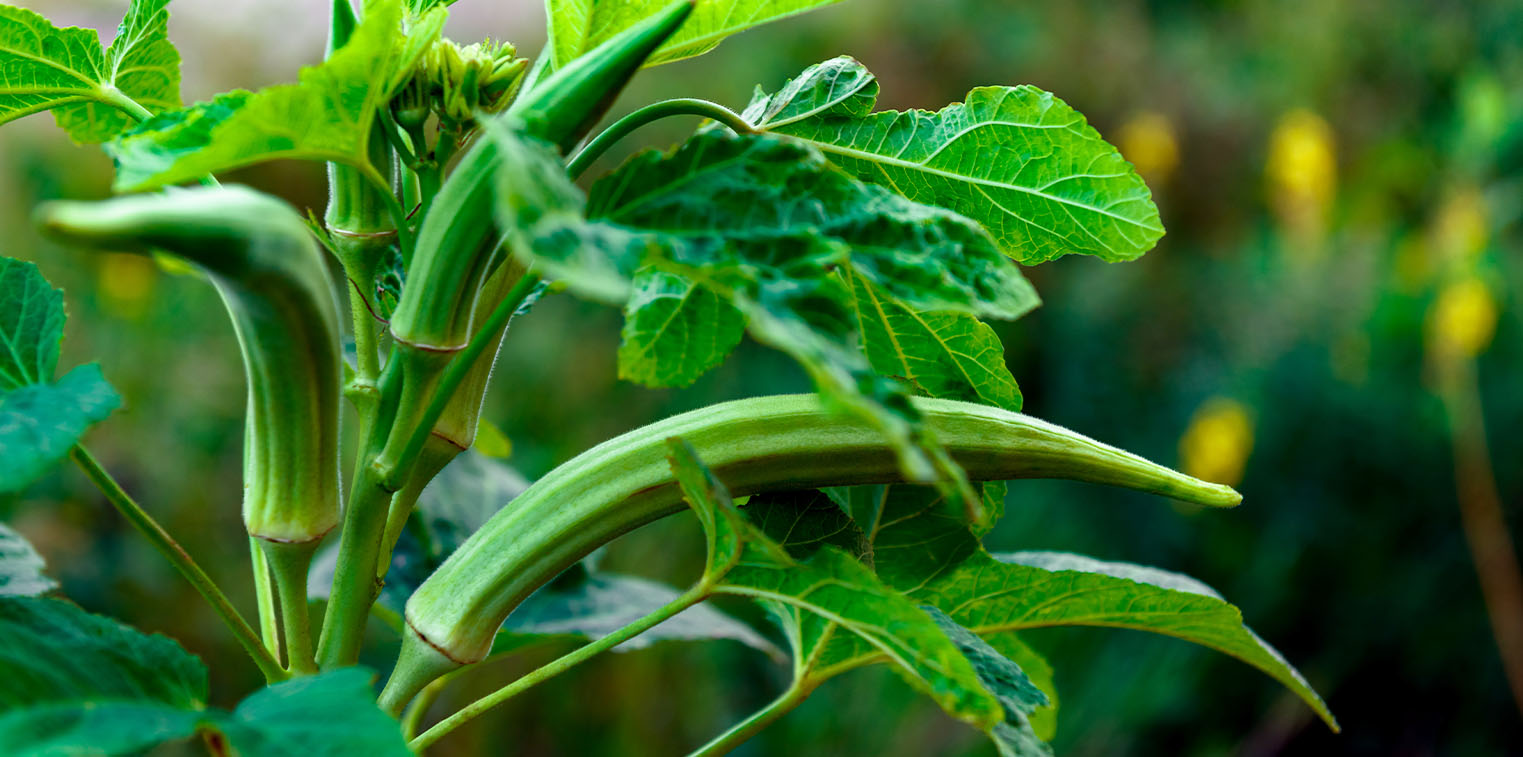
Okra thrives in Florida’s warm climate and long growing seasons. Knowing the right time to plant helps you get the best harvest. Florida offers multiple planting windows for okra, fitting different gardener needs.
Understanding the okra growing seasons in Florida lets you plan your garden better. Each season has its own benefits and challenges. Let’s explore the best planting periods and how the climate affects them.
Spring Planting Window
Spring is the most popular time to plant okra in Florida. Plant seeds after the last frost, usually between March and May. Soil warms up, encouraging quick germination and growth. This timing gives okra plenty of time to mature before summer heat peaks. Planting in spring allows multiple harvests if you stagger seedings.
Summer And Fall Options
Okra can also be planted in summer and early fall. Planting in July or August works well in South Florida’s long, warm seasons. The key is to finish harvesting before the first frost arrives. Fall planting suits gardeners who want fresh okra late in the year. Choose fast-maturing okra varieties for summer and fall crops. Keep in mind, cooler temperatures in late fall slow growth.
Climate Impact On Timing
Florida’s climate varies by region and affects okra planting times. North Florida has shorter warm seasons and earlier frosts. Plant okra earlier there to avoid cold damage. Central and South Florida offer longer, warmer periods. These areas allow more flexibility and longer growing seasons. Okra needs full sun and warm soil above 65°F to grow well. Watch weather patterns closely to pick the best planting time.
Selecting Okra Varieties
Selecting the right okra variety is important for a successful Florida garden. Different types grow better in specific conditions. Choosing varieties that suit Florida’s warm climate and soil helps gardeners get a good harvest. Consider growth speed, heat tolerance, and disease resistance when picking seeds. These factors affect how well okra plants perform in your garden.
Fast-maturing Types
Fast-maturing okra varieties produce pods quickly. These types are great for Florida’s short growing seasons. They allow gardeners to harvest before the hottest months or early frosts. Examples include Clemson Spineless and Annie Oakley. These varieties can mature in about 50 to 60 days. Early harvest means fresh okra sooner and less risk from pests or weather.
Heat-tolerant Varieties
Heat-tolerant okra thrives in Florida’s warm temperatures. These plants keep growing well during summer heat. Varieties such as Emerald and Red Burgundy handle strong sun and high temperatures. Heat tolerance helps plants avoid stress and drop fewer flowers. This leads to better pod production and a longer harvest season in Florida’s climate.
Disease Resistance
Choosing disease-resistant okra reduces crop loss. Florida’s humid climate can cause fungal and bacterial problems. Resistant varieties like Cajun Delight and Perkins Spineless stand up to common diseases. These plants require less chemical treatment and care. Disease resistance keeps your garden healthy and your harvest steady.
Starting Okra Seeds
Starting okra seeds is a key step for a successful Florida garden. It lets you control the growing conditions early. You can choose to start seeds indoors or sow them directly in the soil. Each method has its benefits and suits different needs.
Preparing soil well and timing your planting improves seedling health. Okra grows best in warm conditions, so knowing the right time to plant helps a lot. Let’s explore how to start okra seeds effectively in Florida.
Seed Starting Indoors
Start okra seeds indoors about 4 to 6 weeks before the last frost date. Use seed trays or small pots with good drainage. Fill them with a light seed-starting mix. Plant seeds ½ inch deep and keep the soil moist.
Place trays in a warm spot, around 75 to 85°F. Seedlings should appear in 7 to 14 days. Provide plenty of light to avoid leggy growth. Move seedlings outdoors once they have 2 to 3 true leaves and nights stay warm.
Direct Sowing Guidelines
Plant okra seeds directly in the garden after all frost danger has passed. Soil temperature should be at least 65°F for good germination. Sow seeds 1 inch deep and space them 12 to 18 inches apart.
Water the soil well after planting and keep it moist until seedlings emerge. Thin seedlings to the strongest plants if needed. Direct sowing is simpler and works well in Florida’s warm climate.
Soil Preparation Tips
Okra grows best in well-drained, fertile soil. Test your soil and add compost or aged manure to improve fertility. Ensure soil pH is between 6.0 and 6.8 for best results.
Loosen the soil to a depth of 8 to 10 inches. Remove any rocks or debris that may block root growth. Good soil preparation helps young plants establish quickly and grow strong.

Credit: www.revivalgardening.com
Planting Okra For Fall Harvest
Growing okra for a fall harvest in Florida offers fresh pods late in the year. The warm climate extends the growing season. Fall planting can produce a good yield if timed well. Understanding the best planting time helps avoid frost damage and ensures healthy plants.
Okra thrives in full sun and warm soil. Planting too late risks frost before harvest. Planning your garden with frost dates and sunlight in mind will boost success. Choose fast-maturing varieties to fit the shorter growing window.
Ideal Planting Dates
Plant okra seeds in late July through August for a fall crop. This timing allows about 60 to 70 days before the first frost. Start seeds indoors if soil temperature is still low. Direct sow seeds once soil reaches 65°F or higher. Early planting improves pod size and quantity.
Frost Considerations
Okra is sensitive to frost and cold temperatures. The first frost in Florida usually occurs between October and November. Plant at least three months before this date. Monitor local frost forecasts to protect young plants. Cover plants if unexpected cold snaps appear.
Maximizing Sunlight Exposure
Okra needs full sun, at least 6 hours daily. Choose the sunniest spot in your garden. Avoid shaded areas near trees or buildings. Proper sunlight ensures strong growth and healthy pods. Rotate crops yearly to maintain soil quality and sunlight access.
Companion Planting Rules
Companion planting plays a vital role in growing healthy okra plants in Florida. It involves choosing the right neighbors for okra to boost growth and reduce problems. Following simple rules helps create a garden where plants support each other naturally. This method improves soil, deters pests, and increases yield. Knowing which plants to avoid and which to pair with okra is essential. Managing pest risks through companion planting reduces the need for chemicals.
Plants To Avoid Near Okra
Planting okra near certain crops can cause trouble. Avoid planting okra next to fennel. Fennel releases chemicals that stunt okra growth. Also, keep okra away from potatoes. Potatoes attract pests that harm okra. Avoid planting okra near cucumbers and melons. These plants can compete for nutrients and water. Planting okra near heavy feeders reduces its growth and yield.
Beneficial Neighbors
Okra grows well near plants that help it thrive. Beans and peas are excellent companions. They fix nitrogen in the soil, enriching it for okra. Basil and peppers also grow well close to okra. These plants can improve flavor and repel some pests. Marigolds are helpful neighbors. They attract beneficial insects and keep pests away. Planting okra with these companions supports a healthy garden ecosystem.
Managing Pest Risks
Companion planting helps control pests naturally around okra. Marigolds repel nematodes and aphids. Planting onions and garlic near okra deters insects. Intercropping with herbs like mint confuses pest insects. Crop diversity reduces pest buildup and damage. Avoid dense planting to improve air circulation. This lowers fungal disease risk. Regularly check plants for signs of pests and remove them early. These steps keep okra plants healthy and productive.
Caring For Okra Plants
Okra plants thrive with proper care. Healthy plants produce tender pods and resist pests. Understanding their basic needs helps grow strong okra in Florida gardens.
Okra prefers warm weather, full sun, and well-drained soil. Regular care supports steady growth and high yields. Below are key tips for watering, fertilizing, and pest control.
Watering Needs
Okra needs consistent moisture to grow well. Water deeply once or twice a week. Avoid overwatering, which causes root rot and weak plants. Mulch around plants to keep soil moist and reduce evaporation. During hot, dry spells, increase watering frequency to prevent stress.
Fertilization Tips
Use a balanced fertilizer to support okra growth. Apply fertilizer at planting and again when plants start flowering. Nitrogen helps leaf growth, while phosphorus and potassium promote flowers and pods. Avoid excess nitrogen to prevent too many leaves and fewer pods. Organic options like compost or aged manure work well too.
Pest And Disease Control
Watch for common pests like aphids, flea beetles, and stink bugs. Handpick pests or spray with insecticidal soap early. Crop rotation and clean garden beds reduce disease risks. Prevent fungal diseases by spacing plants for good airflow. Remove damaged leaves to stop spread. Healthy plants resist pests better.
Harvesting And Storage
Harvesting and storing okra correctly ensures fresh pods and extended use. Proper timing and techniques preserve okra’s flavor and texture. Knowing how to pick and store okra helps maintain its quality for weeks.
Harvest Timing
Pick okra pods when they are 2 to 4 inches long. Smaller pods taste tender and less fibrous. Check plants daily during the growing season. Harvesting early prevents pods from becoming tough. In Florida, okra grows fast in warm weather. Regular picking encourages more pod production.
Picking Techniques
Use a sharp knife or garden shears to cut pods from the plant. Avoid pulling pods to prevent plant damage. Hold the pod gently and cut the stem close to the base. Wear gloves to protect hands from tiny spines. Handle pods carefully to avoid bruising. Place harvested pods in a shallow basket to avoid crushing.
Storage Methods
Store fresh okra in a paper bag or perforated plastic bag. Keep it in the refrigerator’s vegetable drawer. Use okra within 2 to 3 days for best taste. For longer storage, blanch pods in boiling water for 3 minutes. Cool quickly in ice water, then dry and freeze. Frozen okra stays good for up to 12 months. Avoid washing okra before storage to prevent mold.
Credit: gardeningsolutions.ifas.ufl.edu
Frequently Asked Questions
What Month To Plant Okra In Florida?
Plant okra in Florida from January to September, with the best time between March and May for optimal growth and yield.
How Many Okra Plants Can I Put In A 5 Gallon Bucket?
You can plant one okra plant per 5-gallon bucket. This gives roots enough space to grow healthy and strong.
Can Okra Be Planted In The Fall?
Yes, plant okra in late summer or early fall, at least three months before the first frost. Choose fast-maturing varieties in warm climates for best results.
What Should Okra Not Be Planted Next To?
Avoid planting okra near squash, vining plants, brassicas (broccoli, cauliflower), nightshades (tomatoes, peppers, eggplant), and fennel. These plants compete for nutrients or share pests.
Conclusion
Plant okra in Florida from March through May for best results. You can also try late summer planting for a fall harvest. Choose a sunny spot with well-drained soil. Avoid planting near squash or vining plants. Okra grows best in warm weather and stops with frost.
Start seeds early enough to enjoy fresh okra all season. With proper timing and care, your garden will thrive. Happy planting and enjoy your fresh okra harvest!