Are you ready to grow pumpkins that thrive in Florida’s unique climate? Whether you want big, beautiful pumpkins for Halloween or a fall harvest to impress your family and friends, knowing the best way to plant pumpkins in Florida is key.
The warm soil, long sunny days, and seasonal rains create both opportunities and challenges for pumpkin growing. But don’t worry—by following simple steps tailored to Florida’s conditions, you can enjoy a bountiful pumpkin patch right in your backyard. Keep reading to discover the perfect timing, ideal pumpkin varieties, and essential tips that will make your pumpkin-growing experience easy and rewarding!
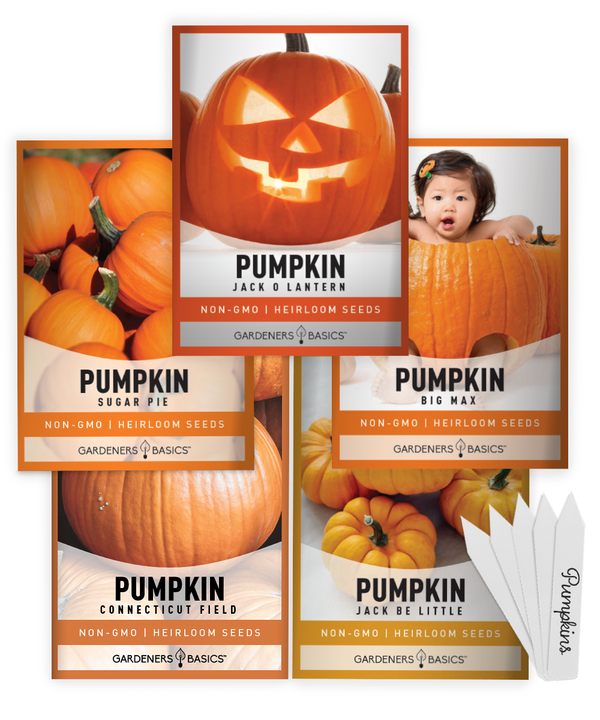
Credit: www.gardenersbasics.com
Planting Schedule In Florida
Planting pumpkins in Florida requires careful timing due to the state’s warm climate. The planting schedule affects pumpkin size, health, and harvest time. Knowing the best months to plant helps gardeners enjoy a bountiful fall and Halloween season. The following guide outlines the optimal planting periods for Florida pumpkin growers.
Optimal Months For Fall Harvest
Plant pumpkins from late March to July for a strong fall harvest. Starting in late March or April gives vines more time to grow. Early planting often leads to bigger pumpkins and better fruit quality. Planting through June and July still works but expect smaller fruits. Soil temperature should be warm, ideally above 70°F, to encourage seed germination and growth.
Timing For Halloween Pumpkins
For pumpkins ready by Halloween, plant seeds in June or early July. This timing allows pumpkins to mature in about 90 days. Planting too early may cause pumpkins to ripen before Halloween. Watch for Florida’s rainy season and ensure steady watering to prevent plant stress. Picking the right planting window helps produce pumpkins perfect for carving and decoration.
Late Planting Considerations
Late planting after July is possible but risky. Pumpkins may be smaller and less healthy due to heat stress. Disease risk increases with late plantings in Florida’s humid climate. Choose disease-resistant pumpkin varieties to improve success. Maintain consistent watering and provide full sun. Monitor plants closely for pests and signs of stress in late plantings.
Choosing The Right Pumpkin Variety
Choosing the right pumpkin variety is key for success in Florida gardens. The state’s warm climate and long growing season influence which pumpkins grow best. Selecting varieties adapted to heat and humidity helps avoid disease and ensures a good harvest. Some pumpkins handle Florida’s conditions better than others. This section explores top choices for planting pumpkins in Florida.
Benefits Of Seminole Pumpkins
Seminole pumpkins thrive in Florida’s heat and humidity. This variety is native to the region and well adapted to local conditions. They resist many common diseases that affect pumpkins in warm climates. Seminole pumpkins have thick, tough skin that protects them from pests. They produce sweet, orange flesh perfect for cooking. Their vines grow long and spread easily, covering ground quickly. This helps control weeds and conserve soil moisture. Seminole pumpkins store well, lasting several months after harvest. Gardeners find them reliable and low-maintenance for Florida gardens.
Other Suitable Varieties For Florida
Cinderella pumpkins also grow well in Florida. They have a round shape and deep orange color. Their flesh is dense and good for pies and soups. Jack-o’-Lantern types are popular for fall displays. Choose disease-resistant strains for best results. Baby Pam is another variety that performs well. It grows quickly and produces medium-sized pumpkins. Lumina pumpkins offer a white-skinned option that stands out. These varieties adapt to Florida’s climate and produce quality fruit. Selecting these pumpkins helps ensure a successful planting season.
Site Selection And Soil Preparation
Choosing the right site and preparing the soil are key steps for growing pumpkins successfully in Florida. Proper site selection ensures the plants get enough sunlight and warmth. Preparing the soil improves root growth and overall plant health. Both steps help pumpkins thrive in Florida’s unique climate.
Ideal Sunlight Requirements
Pick a spot with full sun exposure. Pumpkins need six to eight hours of direct sunlight each day. Sunlight fuels photosynthesis, which helps pumpkins grow large and healthy. Avoid shaded areas that limit light. More sun means better fruit development and stronger vines.
Soil Warmth And Texture
Warm soil encourages seed germination and root growth. Florida soils can cool quickly at night, so choose a place that warms up early in the day. Light, loose soil is best. Heavy clay or compacted soil can slow roots and hold too much water. Sandy loam soils work well for pumpkins in Florida.
Improving Drainage And Fertility
Good drainage prevents water from pooling around roots, which causes rot. Raise beds or add organic matter like compost to improve drainage. Mix compost or aged manure into the soil to boost fertility. Rich soil supplies nutrients pumpkins need for strong growth and fruit production. Avoid using fresh manure, as it can burn plants.
Planting Techniques
Planting pumpkins in Florida requires careful attention to techniques that suit the local climate. Using the right methods improves growth and fruit quality. Understanding how to plant seeds or transplants, proper spacing, and protecting fruits is essential. These steps help your pumpkin patch thrive in Florida’s warm environment.
Direct Seeding Vs. Transplants
Direct seeding means planting pumpkin seeds straight into the soil. This method lets roots grow strong and undisturbed. Seeds should be sown after the last frost, when the soil is warm enough. Transplants are young plants started indoors or bought from nurseries. They give a head start by growing in controlled conditions. In Florida, direct seeding is common because it suits the warm weather. Transplants can work well if you want an earlier harvest or face pests that harm seeds.
Spacing And Depth Guidelines
Pumpkin plants need room to spread their vines. Space seeds or transplants about 3 to 5 feet apart. Rows should be 6 to 8 feet apart to allow air flow and sunlight. Plant seeds about 1 inch deep in loose, fertile soil. For transplants, set them at the same soil depth they grew in their pots. Proper spacing prevents overcrowding and reduces disease risks. It also helps each plant get enough nutrients and water.
Protective Barriers Under Fruits
Placing barriers under pumpkins keeps fruits clean and healthy. Use straw, wooden boards, or plastic mats beneath the growing pumpkins. These barriers stop fruits from sitting directly on moist soil. This reduces rotting and pest damage. Barriers also keep pumpkins dry during rain and watering. Regularly check and replace barriers to maintain a clean growing area. This simple step improves fruit quality and extends shelf life.
Watering And Fertilizing
Watering and fertilizing pumpkins in Florida need special attention. These plants thrive with steady moisture and proper nutrients. Correct watering keeps pumpkins healthy and helps fruits grow large. Fertilizing at the right time boosts growth and yield. Both factors work together for a strong pumpkin patch.
Consistent Moisture Needs
Pumpkins need regular watering to stay healthy. The soil should stay moist but not soggy. Water deeply once or twice a week. Avoid shallow watering that only wets the surface. Mulching around plants helps keep moisture in the soil. During hot, dry spells, increase watering frequency. Consistent moisture helps develop large, firm pumpkins.
Fertilizer Types And Timing
Use balanced fertilizer with equal nitrogen, phosphorus, and potassium. Early growth benefits from fertilizer higher in nitrogen for leaves and vines. Once flowers appear, switch to fertilizer higher in phosphorus and potassium to support fruit development. Apply fertilizer every 3 to 4 weeks. Avoid over-fertilizing, which can cause more leaves than fruit. Organic options like compost or well-rotted manure also work well.

Credit: www.gardenersbasics.com
Vine Management
Managing pumpkin vines properly is key to a healthy and productive pumpkin patch in Florida. Vines can grow quickly and spread widely, so controlling their direction and growth helps improve air flow and sunlight exposure. This reduces disease risks and makes harvesting easier. Good vine management also allows the plant to focus energy on producing larger pumpkins rather than excessive vine growth.
Training And Anchoring Vines
Guide pumpkin vines to grow in a specific direction to save garden space. Use soft ties or garden twine to anchor vines gently to the ground or stakes. Anchoring prevents vines from twisting or breaking during strong winds. Train vines to grow outward in a spiral or straight line to keep them organized. This practice helps sunlight reach all parts of the plant evenly. Proper training also improves air circulation around the vines, lowering disease chances.
Pruning For Better Yield
Cut back excess vines to focus the plant’s energy on fruit growth. Remove weak or damaged vines early to strengthen the main stems. Prune small or unhealthy pumpkins to allow bigger ones to develop fully. Use clean, sharp tools to avoid harming the plant. Pruning encourages stronger vines and better pumpkin size. It also reduces crowding, making it easier to spot pests and disease on the plant.
Pest And Disease Control
Controlling pests and diseases is vital for a healthy pumpkin patch in Florida. Warm climate and humidity encourage many pests and fungal problems. Protecting plants early ensures strong growth and good yields. Proper care helps pumpkins resist damage and stress.
Common Pests In Florida
Squash bugs are a major threat to pumpkin plants. They suck sap, causing leaves to wilt and die. Cucumber beetles feed on leaves and flowers, spreading bacterial wilt. Aphids cluster on new growth, weakening plants and spreading viruses. Spider mites cause yellow spots and webbing on leaves. Whiteflies also sap nutrients and spread disease. Watch for these pests regularly to reduce damage.
Preventive Measures And Treatments
Start with healthy seeds and clean soil to avoid pests and diseases. Use row covers early to block insect entry. Keep the garden clean by removing dead leaves and vines. Apply neem oil or insecticidal soap to control soft-bodied insects. For beetles and bugs, handpick and destroy them. Crop rotation helps prevent soil-borne diseases. Water at the base to keep leaves dry and reduce fungal growth. Use mulch to stop weeds and keep soil moist. Timely treatment stops pests from spreading and saves your pumpkins.

Credit: americanfarmsteadhers.com
Harvesting Tips
Harvesting pumpkins in Florida requires careful attention to timing and handling. Proper harvesting helps keep pumpkins fresh and tasty. Knowing when and how to pick pumpkins ensures the best quality for your fall decorations and meals.
Signs Of Ripeness
Check the pumpkin’s skin color. It should be deep and consistent. The rind must be hard. Press your fingernail lightly; it should not break the skin. The stem should be dry and brown, not green. A hollow sound when tapped means the pumpkin is ripe.
Harvest Timing For Quality
Pick pumpkins on a dry day. Avoid harvesting after rain or heavy dew. Harvest before the first frost to prevent damage. Leave a few inches of stem attached to the pumpkin. This helps prevent rot and extends shelf life. Pick pumpkins carefully to avoid bruises.
Post-harvest Handling
Clean pumpkins gently with a dry cloth to remove dirt. Avoid washing with water to prevent mold. Store pumpkins in a cool, dry place with good air circulation. Keep them off the ground to avoid moisture buildup. Check stored pumpkins regularly for soft spots or mold. Use damaged pumpkins quickly to avoid waste.
Frequently Asked Questions
What Month Do You Plant Pumpkins In Florida?
Plant pumpkins in Florida from late March to July for a fall harvest. For Halloween pumpkins, plant in June or early July. Choose full sun and warm soil for best growth.
Can You Just Throw Pumpkin Seeds On The Ground?
You can scatter pumpkin seeds on the ground, but prepare soil well for better germination and growth. Ensure full sun and warm soil.
What To Put Under Pumpkins As They Grow?
Place straw, mulch, or wooden boards under growing pumpkins to keep them dry, prevent rot, and reduce pest damage.
What Pumpkins Grow Best In Florida?
Seminole pumpkins grow best in Florida due to heat tolerance and disease resistance. Plant from late March to July for a fall harvest. Choose full sun, warm soil, and consistent watering for optimal growth. These pumpkins thrive in Florida’s climate and yield well.
Conclusion
Planting pumpkins in Florida requires timing and care. Start seeds between late March and July. Choose sunny spots with warm soil for best growth. Water regularly, especially during dry spells. Give plants enough space to spread out. Seminole pumpkins thrive well in Florida’s climate.
Plant early for bigger pumpkins or later for a fall harvest. Watch for pests and diseases to protect your crop. With patience and attention, you can enjoy a great pumpkin harvest. Growing pumpkins in Florida is simple with the right steps.
Happy planting!