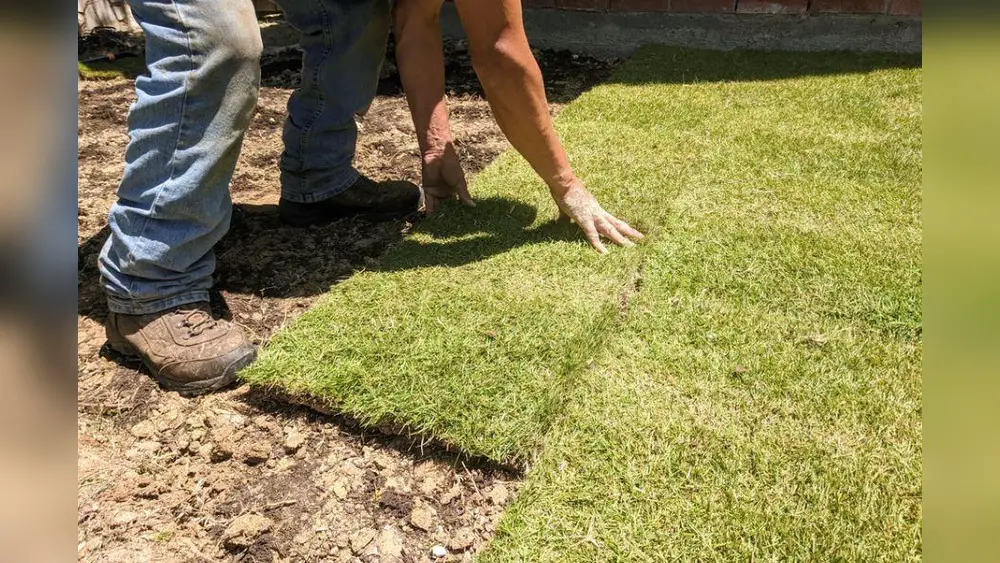
Are you ready to transform your lawn into a lush, green paradise? If you live in Central Florida and want the best results from Bermuda grass seed, timing is everything.
Planting too early or too late can mean wasted effort, poor growth, and a patchy yard. But when exactly is the best time to plant Bermuda grass seed in Central Florida? Keep reading to discover the perfect window for planting, essential preparation tips, and how to care for your new lawn so it thrives all season long.
Your dream lawn starts here!
Credit: theturfgrassgroup.com
Ideal Planting Season
Choosing the ideal planting season for Bermuda grass seed in Central Florida is key to a healthy lawn. The region’s warm climate supports Bermuda grass growth, but timing affects seed germination and establishment. Planting at the right time helps the grass develop strong roots and resist weeds and pests. Central Florida’s best window spans late spring through early summer, when soil and air temperatures are favorable. This period ensures the seed germinates quickly and grows vigorously before cooler weather arrives.
Late Spring Benefits
Late spring offers warm soil temperatures ideal for Bermuda grass seeds. The soil heats up enough to encourage fast germination. Days are longer, providing plenty of sunlight for young grass. Planting during this time gives the grass a head start before the intense heat of summer. The risk of drought is lower compared to mid-summer. Late spring planting also avoids competition from many summer weeds.
Early Summer Advantages
Early summer remains warm and moist, perfect for seedling growth. Rainfall tends to increase, reducing the need for extra watering. Early summer planting allows Bermuda grass to establish before fall arrives. The grass develops a thick, healthy root system during this period. Early summer also means fewer chances of pests attacking young grass. This season supports strong, green lawns ready for the cooler months.
Avoiding Frost Damage
Frost can kill Bermuda grass seedlings and stop growth. Central Florida rarely experiences hard frost, but it can occur in early spring and late fall. Planting after the last frost date avoids damage to new grass. Delaying planting until soil temperatures rise prevents seed loss. Protecting seedlings from cold ensures better survival and growth. Avoiding frost means a healthier and more durable lawn.

Credit: www.outsidepride.com
Soil Preparation Tips
Preparing the soil properly is key to growing healthy Bermuda grass in Central Florida. Good soil preparation helps seeds take root and grow strong quickly. It also reduces problems with weeds and poor soil conditions. Follow these simple soil preparation tips for the best results.
Weed Removal Techniques
Remove all weeds from the planting area before seeding. Weeds compete with Bermuda grass for nutrients and water. Use a garden hoe or pull weeds by hand for small patches. For larger areas, consider using a weed killer safe for lawns. Wait a few days after treatment before planting seeds.
Soil Loosening Methods
Loosen the soil to help Bermuda grass roots grow deep and wide. Use a rake or garden tiller to break up hard soil. Aim for a depth of 4 to 6 inches. Remove rocks, sticks, and debris while loosening. Smooth the surface to create an even bed for planting.
Soil Temperature Importance
Soil temperature affects Bermuda grass seed germination. The ideal soil temperature is between 65°F and 70°F. Central Florida soil usually reaches this in late spring. Planting at the right temperature ensures faster seed sprouting and stronger grass growth. Check soil temperature with a soil thermometer before planting.
Choosing The Right Seed
Choosing the right Bermuda grass seed sets the foundation for a healthy lawn in Central Florida. It is important to select seeds that match your soil, climate, and lawn use. The right choice helps the grass grow strong and resist pests and drought. This section explores popular Bermuda varieties, seed quality, and factors for local adaptation.
Popular Bermuda Varieties
Several Bermuda grass types thrive in Central Florida’s warm climate. Common options include Common Bermuda, Tifway 419, and Celebration Bermuda. Common Bermuda is affordable and establishes quickly but needs more maintenance. Tifway 419 offers a fine texture and dense growth, ideal for high-traffic areas. Celebration Bermuda is drought-tolerant and stays green longer during dry spells. Choose a variety that fits your lawn’s needs and budget.
Seed Quality Factors
High-quality seeds improve your lawn’s success rate. Look for seeds with high germination rates above 80%. Certified seeds undergo testing to ensure purity and disease-free status. Avoid seeds mixed with weeds or other grasses. Fresh seed germinates faster and grows stronger. Store seeds in cool, dry places to maintain viability before planting.
Local Adaptation Considerations
Central Florida’s sandy soils and hot summers require grass that adapts well. Bermuda grass thrives in well-drained soil but needs regular watering during dry periods. Some varieties handle shade better, though Bermuda prefers full sun. Consider your lawn’s sunlight exposure and soil type before choosing seed. Local extension offices or garden centers can recommend seeds suited for your exact area.
Seeding Process
Planting Bermuda grass seed in Central Florida requires a careful seeding process. Proper steps ensure strong growth and a healthy lawn. This process starts with good seed distribution. Then, follow the right seeding depth. For lawns that look thin, overseeding helps fill bare spots. Each step is key to growing lush Bermuda grass.
Proper Seed Distribution
Spread the Bermuda grass seed evenly over the soil. Use a seed spreader for best results. Avoid dumping seed in one spot. This causes uneven growth and bare patches. Walk slowly and overlap your passes slightly. This helps cover every inch of lawn. Even distribution gives the grass a uniform look.
Seeding Depth Guidelines
Plant Bermuda grass seed at the correct depth. The ideal depth is about 1/4 inch below the soil surface. Too deep, and seeds may not sprout well. Too shallow, and seeds can dry out quickly. Lightly rake the soil after spreading the seed. This covers seeds without burying them too deep. Proper depth improves germination rates.
Overseeding Thin Lawns
Thin lawns need extra seed to grow thick and healthy. Overseed by spreading more seed over bare or sparse areas. Prepare the soil by removing debris and loosening the top layer. Water the area gently after overseeding. Keep soil moist until new grass fills in. Overseeding restores dense Bermuda grass coverage.
Watering Strategies
Watering plays a key role in growing healthy Bermuda grass in Central Florida. Proper watering helps seeds germinate and roots grow strong. Watering too much or too little can harm young grass. Follow smart watering strategies to keep your lawn green and lush.
Moisture Requirements
Bermuda grass seeds need consistent moisture to sprout. Keep the soil damp but not soaked. Dry soil stops seed growth. Wet soil can cause seeds to rot. Light watering several times a day works best at first. The soil surface should feel moist to the touch.
Irrigation Frequency
Water small amounts often during the first two weeks. Aim for 3 to 5 light watering sessions daily. Reduce watering to twice a day after two weeks. Then water once a day until grass is well established. Adjust frequency if rain falls or weather changes.
Establishing Root Systems
Strong roots help Bermuda grass survive heat and drought. After seedlings appear, water deeply but less often. Deep watering encourages roots to grow downward. Water every 2 to 3 days with enough water to reach 6 inches deep. Avoid shallow watering that keeps roots near the surface.
Common Challenges
Planting Bermuda grass seed in Central Florida involves facing some common challenges. These obstacles can affect the growth and health of your lawn. Understanding these issues helps you prepare better and maintain a lush, green yard.
Addressing pests, weeds, and weather changes is essential. Each factor requires specific care and attention to ensure your Bermuda grass thrives.
Dealing With Pests
Pests like grubs and armyworms often attack Bermuda grass. They eat the roots and blades, causing brown patches. Regular lawn inspection helps spot pests early. Use natural or chemical treatments to control them. Avoid overwatering, as wet soil attracts more pests.
Preventing Weed Invasion
Weeds compete with Bermuda grass for nutrients and space. They grow fast and can take over your lawn. Remove weeds before planting seeds to reduce competition. Apply pre-emergent herbicides carefully, following instructions. Maintain thick grass to block weed growth naturally.
Handling Climate Variations
Central Florida’s weather can change quickly. Hot, dry spells stress the grass and slow growth. Cold snaps can damage young seedlings. Water your lawn deeply but less often to encourage strong roots. Plant during warm months, ideally late spring to early summer. Use mulch to keep soil moist and protect seeds.
Maintenance After Planting
Maintaining Bermuda grass after planting is key to a healthy lawn in Central Florida. Proper care helps young grass grow strong and thick. Focus on mowing, fertilization, and aeration to keep your grass vibrant and lush. Each step supports root development and leaf growth, ensuring a long-lasting green lawn.
Mowing Best Practices
Start mowing once Bermuda grass reaches about 2 inches tall. Cut only the top third of the grass blades. Use a sharp mower blade for clean cuts. Keep the mowing height between 1 and 1.5 inches. Mow regularly to encourage dense growth and prevent weeds. Avoid mowing when the grass is wet to reduce damage.
Fertilization Timing
Apply fertilizer about 4 to 6 weeks after planting. Use a balanced fertilizer with nitrogen, phosphorus, and potassium. Follow the recommended rates on the fertilizer package. Fertilize again every 6 to 8 weeks during the growing season. Water the lawn after fertilizing to help nutrients soak in. Avoid fertilizing in late fall or winter.
Aeration Benefits
Aerate your Bermuda grass lawn once or twice a year. Aeration creates small holes in the soil to improve air, water, and nutrient flow. It helps reduce soil compaction, promoting root growth. Perform aeration in late spring or early summer for best results. Use a core aerator for effective soil penetration. Aeration keeps your lawn healthy and resilient.
Regional Planting Differences
Planting Bermuda grass seed in Florida requires understanding regional differences. Climate and soil conditions vary across the state. These differences impact the best time to plant. Knowing local factors helps achieve a healthy, green lawn.
Central Vs North Florida
Central Florida has warmer temperatures earlier in spring. Soil warms faster, allowing earlier planting. North Florida stays cooler longer. Planting there should wait until late spring or early summer. This ensures seeds germinate well without frost damage.
Microclimate Effects
Microclimates create small areas with unique conditions. Shade, wind, and nearby water affect temperature and moisture. In Central Florida, shaded spots stay cooler longer. These areas may need later planting dates. Sunny, open spots warm quickly and allow earlier planting.
Adjusting Planting Dates
Adjust planting dates based on local temperature and soil warmth. Test soil temperature before seeding. Aim for at least 65°F for Bermuda grass seed. In Central Florida, this usually happens in late March to early April. In cooler spots, wait until late April or May. Adjust watering to support new seedlings.
Credit: dickersonlandscaping.com
Frequently Asked Questions
When To Seed Bermuda Grass In Florida?
Seed Bermuda grass in Florida during late spring to early summer. Soil temperature should be warm for best germination. Prepare soil by removing weeds and loosening it. Keep the area consistently moist until roots establish. Avoid planting before frost risk ends to ensure healthy growth.
Can I Just Throw Bermuda Grass Seed Down?
You should not just throw Bermuda grass seed down. Prepare the soil by removing weeds and loosening it first. Plant during late spring or early summer for best growth. Keep the area consistently moist until roots establish. Proper preparation ensures healthy, lasting grass.
Is October Too Late To Plant Bermuda Grass?
October is generally too late to plant Bermuda grass. Planting in late spring to early summer ensures proper growth before frost.
What Is The Best Bermuda Grass Seed For Central Florida?
The best Bermuda grass seed for Central Florida is Tifway 419. It thrives in warm climates and resists drought and pests. Plant it in late spring to early summer for optimal growth and a lush, durable lawn.
Conclusion
Plant Bermuda grass seed in Central Florida during late spring or early summer. Soil should be warm and free of weeds. Keep the soil moist for good seed growth. Avoid planting in cooler months to prevent poor germination. Preparing the soil well helps roots grow strong and healthy.
This timing supports a lush, green lawn all summer. Follow these simple steps for best results. A healthy Bermuda lawn starts with the right planting time.