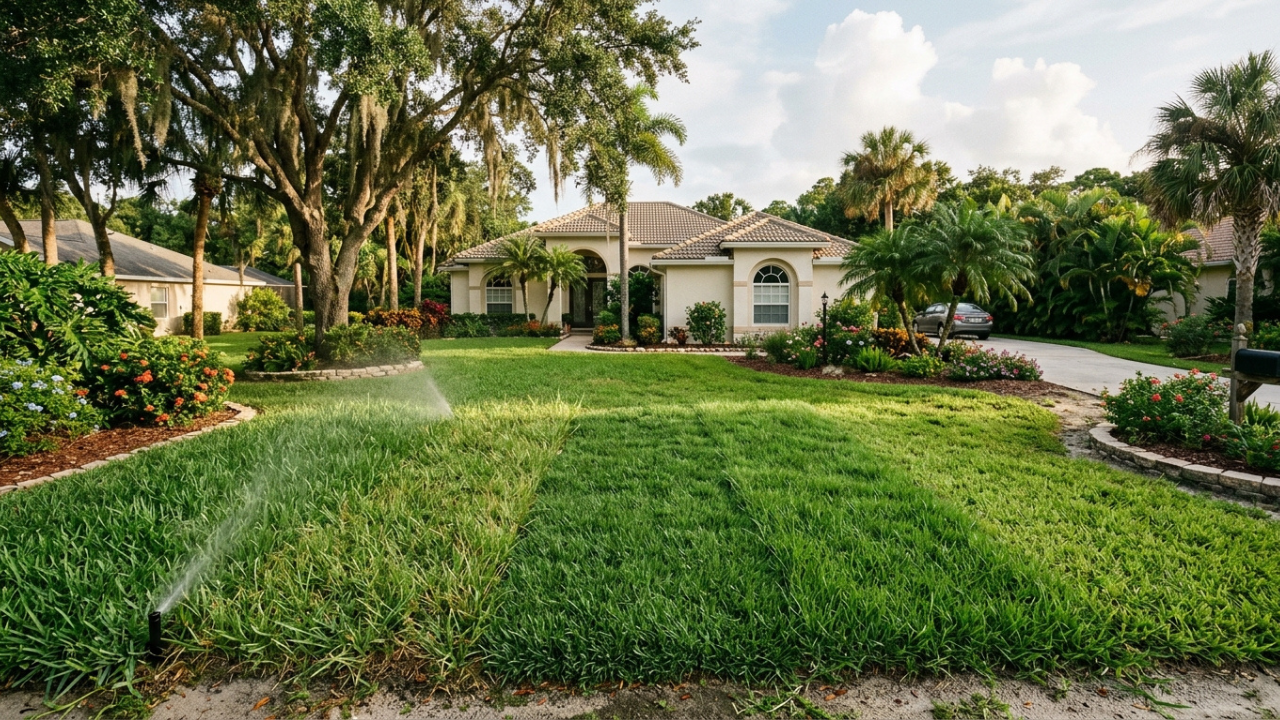
Are you ready to transform your Florida yard into a vibrant, easy-care oasis? Choosing the right plants is the first step to creating a beautiful outdoor space that thrives in Florida’s unique climate.
You want plants that not only survive the heat and humidity but also add color, texture, and life to your garden year-round. In this guide, you’ll discover the best yard plants for Florida—perfect for low maintenance and maximum impact. Whether you’re a seasoned gardener or just starting out, these plant choices will help your yard stand out, attract local wildlife, and stay healthy with less effort.
Keep reading to find out which plants will make your Florida garden flourish!
Florida Native Plants
Florida native plants thrive in the local climate and soil. They need less water and care than non-native species. These plants support local wildlife and help maintain the natural ecosystem. Choosing native plants creates a beautiful, sustainable yard that fits Florida’s environment perfectly.
Drought-tolerant Varieties
Many Florida natives survive long dry spells with little water. Butterfly Milkweed (Asclepias tuberosa) attracts butterflies and blooms brightly. Gumbo Limbo (Bursera simaruba) is a tough tree with peeling bark and shade. Seagrape (Coccoloba uvifera) has large leaves and edible fruits, plus it withstands salty air. These plants save water and stay healthy through Florida’s dry seasons.
Flowering Native Options
Florida offers many colorful native flowers. Firewheel (Gaillardia pulchella) blooms with red and yellow petals all summer. Beach Sunflower (Helianthus debilis) grows low and spreads quickly with cheerful yellow flowers. Coralbean (Erythrina herbacea) shows vibrant red flowers that attract hummingbirds. Planting these natives adds color and life to your yard, inviting pollinators and brightening your space.
Trees And Shrubs
Trees and shrubs native to Florida fit well in local yards. Yaupon Holly (Ilex vomitoria) is a dense shrub with red berries and green leaves. Coco Plum (Chrysobalanus icaco) grows as a shrub or small tree, with edible fruit and glossy leaves. These plants provide shade, privacy, and habitat for birds. They also reduce the need for fertilizers and pesticides.
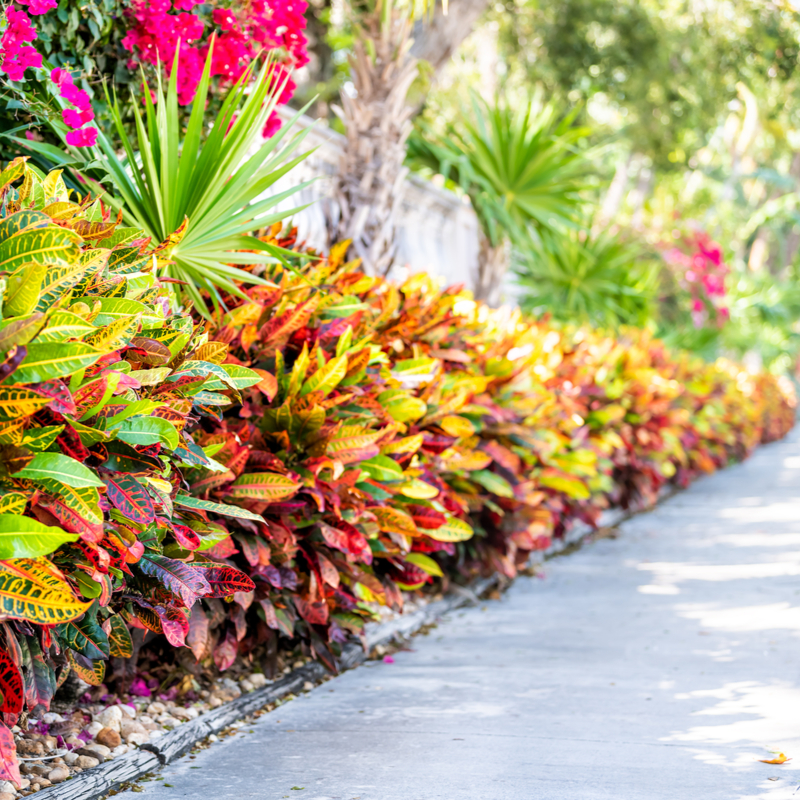
Credit: lawnmasterpensacola.com
Low-maintenance Choices
Choosing low-maintenance plants saves time and water in Florida’s warm climate. These plants thrive with little care and stand strong through heat and rain. They keep your yard beautiful without constant attention. Here are some great options to consider for your Florida garden.
Ideal Plants For Rain Gardens
Rain gardens help control water naturally in your yard. Choose native plants that love wet conditions and soak up excess water. Goldenrod, swamp sunflower, and milkweed fit perfectly. Muhly grass adds texture and color. These plants prevent flooding and attract butterflies and birds. They need little watering once set up.
Hardy Perennials
Hardy perennials return year after year with little fuss. They survive Florida’s heat and occasional drought. Firewheel and beach sunflower bloom brightly through the seasons. Coralbean and butterfly milkweed bring vibrant color. These perennials need minimal pruning and thrive in most soils. They form a strong, lasting foundation for your garden.
Evergreens For Year-round Appeal
Evergreens keep your yard green all year long. Yaupon holly is a popular Florida choice with small berries that feed birds. Seagrape trees provide shade and large, attractive leaves. Gumbo Limbo adds a tropical feel with its smooth, red bark. These plants require little water once established and give constant beauty to your space.
Colorful Flower Picks
Choosing colorful flowers can transform any Florida yard into a lively, cheerful space. Bright blooms bring energy and charm, making your garden stand out. Selecting plants that thrive in Florida’s climate ensures lasting beauty with less effort.
These colorful flower picks include vibrant annuals, long-lasting perennials, and seasonal flowering plants. Each type offers unique benefits for your yard’s appearance and health.
Vibrant Annuals
Annuals bloom all season but need replanting each year. They provide bold colors and quick growth. Marigolds, petunias, and zinnias do well in Florida’s heat. They brighten yards with reds, yellows, and purples. Plant them in sunny spots for best results. Annuals offer instant color for summer and fall.
Long-blooming Perennials
Perennials return year after year with less work. They bloom longer than annuals, saving time and money. Plants like lantana, pentas, and blanket flower thrive in Florida’s sun. These flowers attract butterflies and hummingbirds. Their colors range from pinks to oranges and reds. Perennials create a steady, colorful backdrop in the garden.
Seasonal Flowering Plants
Seasonal plants add variety through the year’s changes. Camellias bloom in winter, while hibiscus flowers appear in summer. They adapt well to Florida’s warm climate. These plants bring color during specific months. Seasonal flowers keep your yard fresh and interesting. Rotate them to enjoy blooms all year long.
Using The Rule Of Three
The rule of three is a simple design trick that makes your yard look balanced and attractive. Grouping plants, hardscape features, or colors in threes creates a natural and lively feel. Odd numbers, especially three, draw the eye and keep your outdoor space interesting. This method works well for Florida yards, blending native plants with the environment smoothly.
Plant Groupings For Impact
Planting in groups of three adds rhythm and harmony. Choose three of the same plant, like three firewheels, to make a bold statement. Mixing three different plants that complement each other also works well. This arrangement helps each plant stand out and creates a fuller look without overcrowding.
Balancing Hardscape Elements
Use the rule of three with hardscape pieces for a neat, intentional design. Place three pots or stepping stones together to guide visitors naturally. Three different sized garden sculptures in a corner add depth. This grouping balances the natural plants with man-made elements in your yard.
Coordinating Color Schemes
Pick three main colors for your plants and accents. For example, combine yellow sunflowers, red coralbeans, and green yaupon holly. This trio creates contrast and visual interest without clashing. Using three colors keeps the yard lively but easy on the eyes.
Design Tips For Florida Yards
Designing a yard in Florida requires special care. The climate is warm and humid, so plants and materials must suit these conditions. A well-designed yard combines beauty with practicality. It also creates a relaxing outdoor space. Use these design tips to make your Florida yard inviting and easy to maintain.
Creating Natural Flow
Natural flow guides the eye through your yard smoothly. Use curved paths instead of straight lines. Curves feel soft and inviting. Arrange plants in groups of odd numbers like three or five. This grouping looks more natural and balanced. Avoid clutter by leaving space between plant clusters. Choose native plants that grow well in Florida’s climate. This keeps your yard healthy and low maintenance.
Adding Focal Points
A focal point draws attention and adds interest. Use a large palm tree or a colorful flowering shrub as a center. Garden art like a fountain or birdbath also works well. Place the focal point where visitors first enter or at the end of a path. This creates a visual destination. Keep the area around the focal point clear to make it stand out. Change focal points with seasons by adding potted plants or garden lights.
Combining Textures And Materials
Mixing textures and materials adds depth and charm. Combine smooth leaves with spiky or fuzzy ones for contrast. Use different plant heights to create layers. Hardscape materials like stone, wood, and gravel add variety. A stone pathway beside soft grass feels pleasant underfoot. Mulch helps keep soil moist and adds a neat look. Choose materials that tolerate Florida’s heat and rain. This keeps your yard looking good all year.
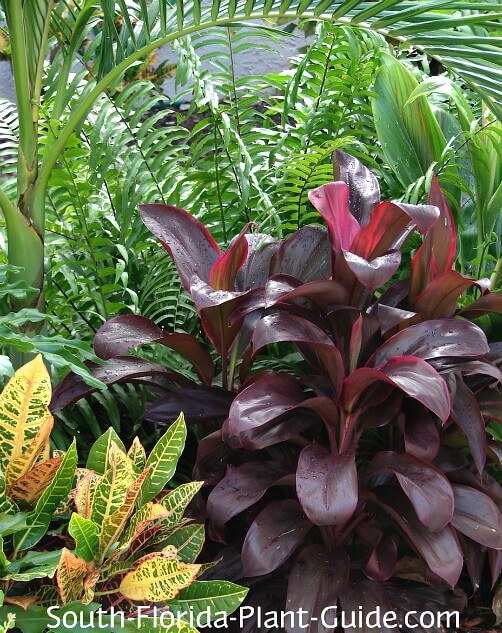
Credit: www.south-florida-plant-guide.com
Popular Trees And Shrubs
Florida’s warm climate suits many trees and shrubs that thrive outdoors. Choosing popular varieties makes your yard look lively and inviting. These plants suit Florida’s soil and weather well. They need less care and add beauty to your garden. From tall shade trees to colorful shrubs, many choices fit every yard size and style.
Shade-providing Trees
Shade trees cool your yard and protect your home from heat. Live Oak is a famous shade tree in Florida. It grows wide and strong, with deep green leaves. Another option is the Bald Cypress. It stands tall and offers dense shade. These trees also attract birds and wildlife, adding life to your yard.
Flowering Shrubs
Flowering shrubs bring color and charm to any garden. Hibiscus is a bright, tropical shrub that blooms almost year-round. Azaleas are popular for their vibrant spring flowers. They thrive in Florida’s soil and add a splash of color. These shrubs also provide privacy and can define garden spaces.
Fruit-bearing Options
Fruit trees and shrubs combine beauty with tasty rewards. Citrus trees like orange and lemon grow well in Florida yards. They produce fragrant blossoms and juicy fruits. Blueberry bushes also do well and offer a burst of flavor. Growing fruit plants adds fresh, homegrown food to your table.
Seasonal Care Advice
Seasonal care plays a key role in keeping Florida yard plants healthy and vibrant. The climate varies throughout the year, affecting plant needs. Adjusting care routines helps plants thrive in every season. Follow simple guidelines to support growth and prevent stress.
Watering Guidelines
Water needs change with the season. During hot, dry months, water plants deeply twice a week. In cooler months, reduce watering to once a week. Early morning watering helps reduce evaporation. Avoid overwatering to prevent root rot and other issues. Use drip irrigation or soaker hoses for efficient watering.
Soil And Mulch Tips
Florida soil tends to be sandy and low in nutrients. Add organic matter like compost to improve soil quality. Mulch around plants keeps soil moist and cool. Apply a 2-3 inch layer of mulch but keep it away from plant stems. Refresh mulch each spring to control weeds and protect roots.
Pest And Disease Management
Check plants regularly for pests and diseases. Common pests include aphids, whiteflies, and scale insects. Use insecticidal soap or neem oil for natural control. Remove affected leaves to stop disease spread. Good air circulation and proper watering reduce fungal infections.
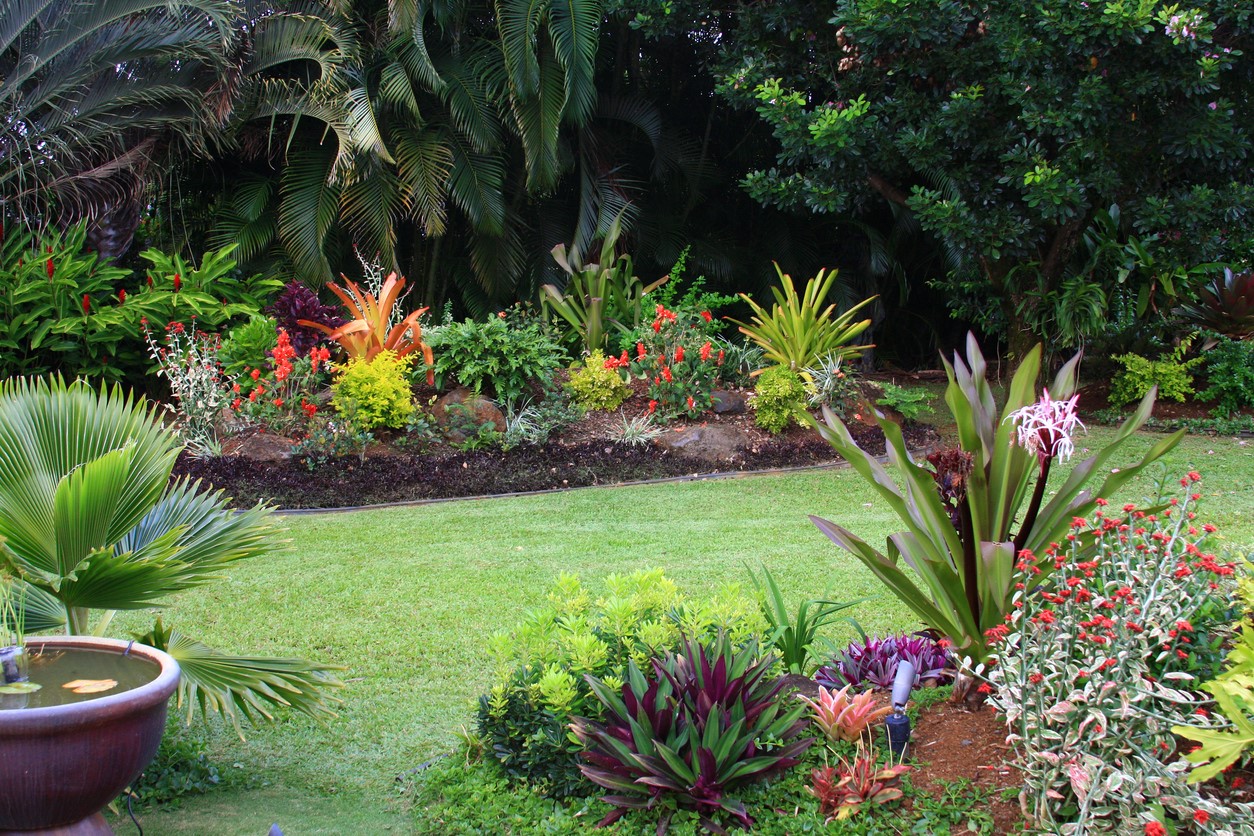
Credit: www.stanleyhomesinc.com
Frequently Asked Questions
What Outdoor Plants Are Good For Florida?
Florida outdoor plants thrive with natives like Butterfly Milkweed, Gumbo Limbo, Seagrape, Coralbean, Beach Sunflower, and Yaupon Holly. These drought-tolerant species suit Florida’s climate and require low maintenance, enhancing your garden’s beauty and sustainability.
What Is The Best Low-maintenance Landscape In Florida?
The best low-maintenance landscape in Florida features native plants like goldenrod, swamp sunflower, muhly grass, and milkweed. Rain gardens with these species control water naturally and reduce upkeep. This approach suits Florida’s climate and promotes a sustainable, attractive yard with minimal effort.
What Is The Rule Of 3 In Landscaping?
The rule of three in landscaping means grouping plants or elements in threes for balance and visual appeal. It creates natural flow, depth, and cohesion. Using odd numbers like three avoids rigid symmetry and enhances garden harmony and interest.
What Is The 70/30 Rule In Gardening?
The 70/30 rule in gardening means planting 70% ground cover and 30% taller plants. This balance reduces weeds and conserves moisture.
Conclusion
Choosing the right plants makes your Florida yard thrive. Native plants handle heat and rain well. Group plants in threes for a natural look. Low-maintenance species save time and water. Your garden will stay healthy and colorful year-round. Simple choices bring beauty and ease to your outdoor space.
Start planting today for a vibrant, inviting yard.