If you’ve ever bitten into a pickle that was mushy, bitter, or disappointingly bland, the culprit might not have been your recipe—it was likely the cucumber you started with.
For generations, home picklers have debated which cucumber variety delivers the perfect pickle: crisp, flavorful, and satisfyingly crunchy. While traditional pickling cucumbers have their place, there’s a variety that stands head and shoulders above the rest for both quality and digestibility: the burpless cucumber.
In this guide, I’ll walk you through everything you need to know about burpless cucumbers, why they’re uniquely suited for pickling, and exactly how to transform them into the best pickles you’ve ever made.
What Are Burpless Cucumbers? A Clear Definition
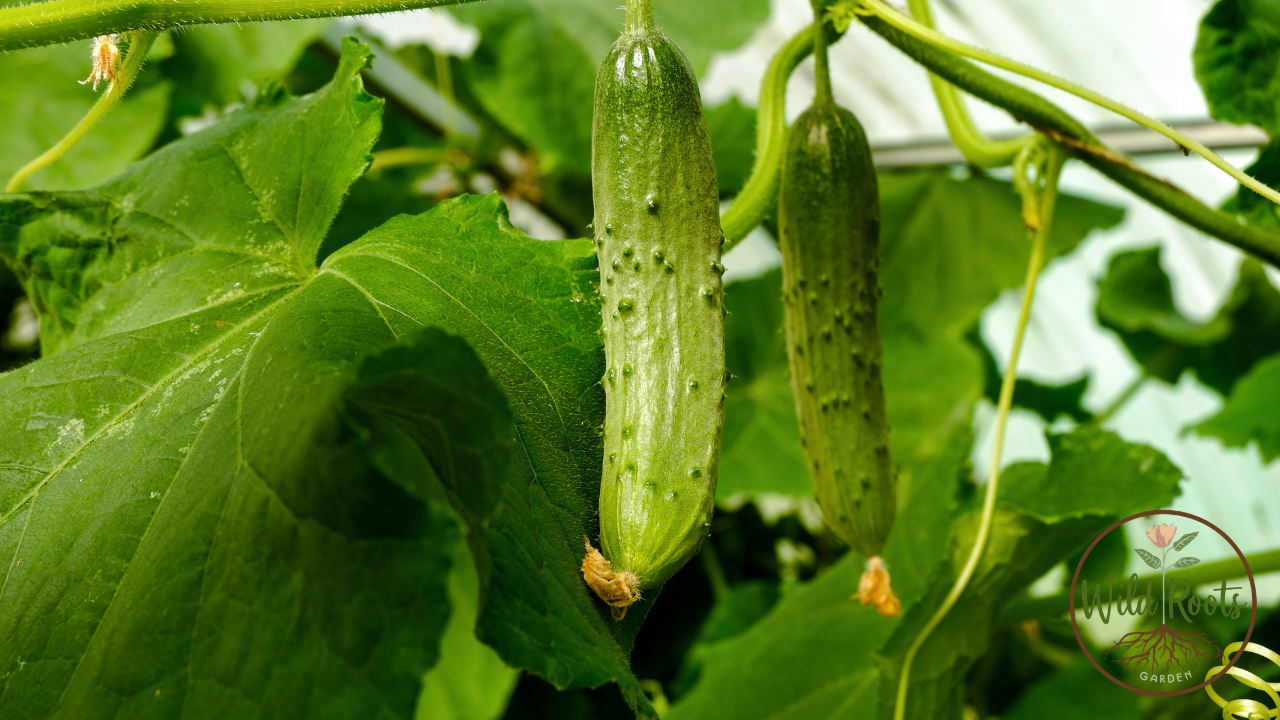
Burpless cucumbers—often called European, English, or seedless cucumbers—are a distinct variety bred specifically to address the common complaints associated with traditional cucumbers.
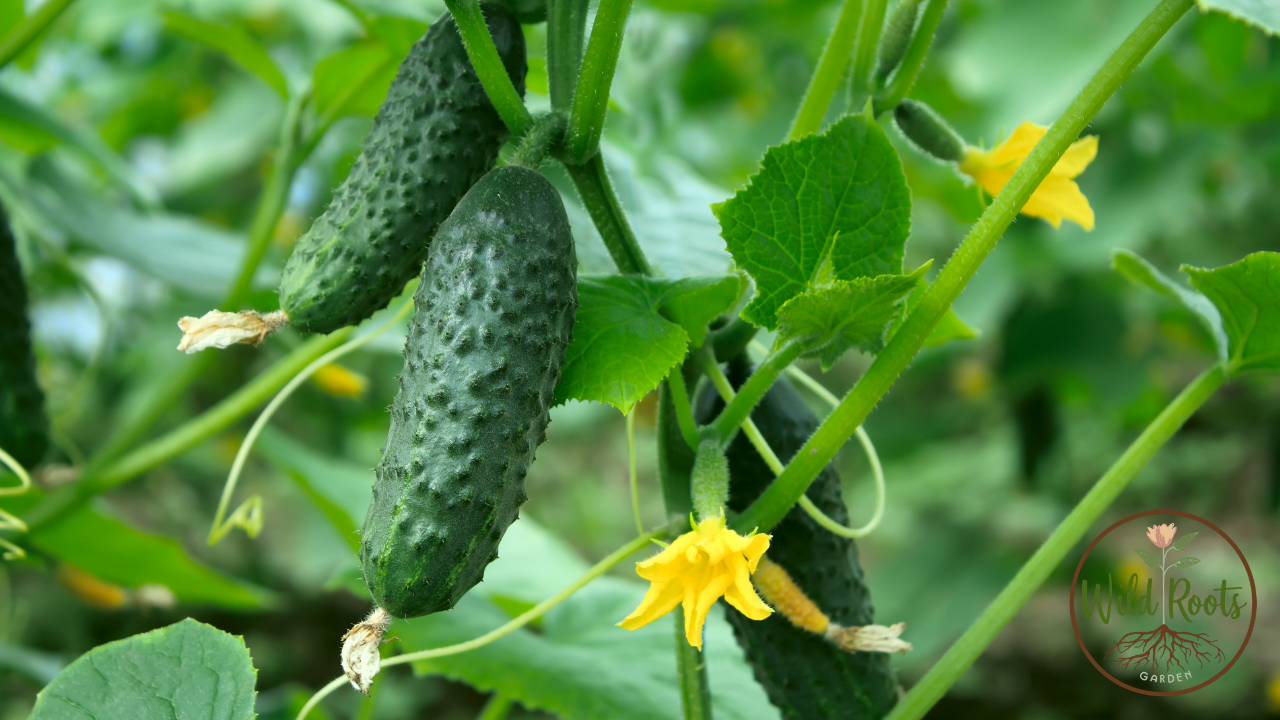
The name “burpless” comes from their most notable characteristic: they’re far less likely to cause digestive discomfort than standard cucumbers. But that’s just the beginning of what makes them special.
Key Characteristics:
-
Thin, tender skin that doesn’t require peeling
-
Fewer, smaller seeds (sometimes nearly seedless)
-
Mild, sweet flavor with no bitterness
-
Slender, uniform shape ideal for jar packing
-
Crisp texture that holds up during pickling
The Science Behind Burpless Cucumbers: Why They’re Different
Understanding why burpless cucumbers excel at pickling requires a quick look at the science. This isn’t marketing hype—there are measurable differences between burpless and standard cucumbers.
The Cucurbitacin Connection
Traditional cucumbers contain varying levels of cucurbitacin, a naturally occurring compound that serves as the plant’s defense mechanism against pests. Unfortunately, cucurbitacin also:
-
Creates bitter flavors, especially near the stem end and skin
-
Causes digestive discomfort (the “burping” that gives burpless cucumbers their name)
-
Can make pickles taste harsh or unpleasant
Burpless cucumber varieties have been selectively bred—through traditional breeding methods, not genetic modification—to contain significantly lower levels of cucurbitacin. The result is a cucumber that’s naturally sweeter, gentler on digestion, and more receptive to pickling brines.
The Seed Factor
Here’s something many home picklers overlook: seeds are the enemy of crisp pickles.
Traditional cucumber seeds are large, numerous, and contain enzymes that can contribute to:
-
Wateriness — seeds release moisture during pickling
-
Softening — seed enzymes break down surrounding flesh
-
Hollow pickles — over-mature seeds create air pockets
Burpless cucumbers have been bred for a higher flesh-to-seed ratio. The seeds are smaller, fewer, and more concentrated in the center, leaving more of that desirable crisp flesh for your pickles.
Thinner Skin, Better Absorption
The thin, tender skin of burpless cucumbers isn’t just a texture preference—it’s a functional advantage for pickling. Because the skin is more porous than thicker-skinned varieties, it:
-
Absorbs pickling brine more efficiently
-
Allows flavors (dill, garlic, spices) to penetrate deeper
-
Creates a more uniformly flavored pickle
Why Burpless Cucumbers Are the Ultimate Pickling Powerhouse
Now that we understand what makes them different, let’s look at how these characteristics translate into superior pickles.
1. Unmatched Crisp Texture
The most common complaint about homemade pickles is softness. No one wants a limp, mushy pickle after weeks of anticipation.
Burpless cucumbers have a naturally firmer cellular structure that holds up remarkably well during the pickling process. Their lower water content means they’re less likely to become waterlogged, and their higher flesh-to-seed ratio provides more structural integrity.
The result: Pickles that maintain that satisfying crunch from the first jar to the last.
2. Superior Flavor Absorption
Pickling is fundamentally about flavor transfer. You’re infusing cucumbers with a carefully balanced mixture of vinegar, salt, sugar, and spices.
The thin, tender skin of burpless cucumbers acts like a gateway, allowing brines to penetrate quickly and evenly. Combined with their mild natural flavor (no bitterness to overcome), this means:
-
Pickles are ready faster (sometimes in days, not weeks)
-
Flavors are more evenly distributed
-
You taste your spice blend, not bitter undertones
3. Extended Shelf Life
Traditional cucumbers can deteriorate quickly after harvest, and pickles made from them often have a shorter window of peak quality.
Burpless cucumbers have a naturally thicker skin relative to their flesh, which helps them retain moisture and resist spoilage. When pickled, this translates to:
-
Pickles that stay crisp longer
-
Better color retention
-
Extended shelf life without preservatives
4. Perfect Jar Fit
This might seem like a small thing, but anyone who’s struggled to pack whole cucumbers into jars will appreciate it.
Burpless cucumbers have a naturally slender, uniform shape that makes them ideal for:
-
Packing whole into quart jars
-
Slicing into uniform rounds for bread-and-butter pickles
-
Creating perfect spears that stand upright
Selecting the Best Burpless Cucumbers for Pickling
Not all burpless cucumbers are created equal. Here’s what to look for when selecting or growing them for pickling.
Varieties to Look For
| Variety | Characteristics | Best For |
|---|---|---|
| English (European) Cucumbers | Long, slender, nearly seedless; thin, tender skin | Whole pickles, spears, refrigerator pickles |
| Suyo Long | Asian variety; ribbed, crisp, mild flavor | Sliced pickles, salads, fresh eating |
| Diva | Disease-resistant; crisp, sweet, seedless | All-purpose pickling and fresh eating |
| Tasty Green | Heavy producer; bitter-free; vigorous vines | Garden growing, batch pickling |
How to Choose Fresh Burpless Cucumbers
Whether you’re buying at a farmers’ market or harvesting from your garden, look for:
| Sign of Quality | What to Avoid |
|---|---|
| Firm, unyielding texture | Soft spots or wrinkling |
| Bright, uniform color | Yellowing (sign of over-maturity) |
| Smooth, unblemished skin | Cuts, bruises, or decay |
| Straight to slightly curved shape | Excessive curling or bulging ends |
Size matters: For whole pickles, choose cucumbers 3–5 inches long. For spears and slices, 6–8 inches works well. Larger cucumbers tend to have more developed seeds and can become hollow during pickling.
Preparing Burpless Cucumbers for Pickling
Proper preparation ensures your pickles turn out perfectly every time.
Step 1: Harvest or Purchase at Peak Freshness
If you’re growing your own burpless cucumbers:
-
Harvest in the morning when temperatures are cool
-
Pick when they’re the ideal size for your recipe
-
Use within 24 hours for best results
If you’re buying them:
-
Choose firm, brightly colored specimens
-
Avoid cucumbers that have been stored near apples or bananas (ethylene gas speeds ripening)
-
Plan to pickle within 2–3 days of purchase
Step 2: Clean Thoroughly
Even if you’re growing organically, cucumbers need proper cleaning:
-
Rinse under cool running water
-
Gently scrub with a soft vegetable brush to remove dirt from the thin skin
-
Pat dry with a clean towel
-
Trim the blossom end (contains enzymes that can cause softening)
Step 3: Choose Your Cut
The way you cut your cucumbers affects both texture and flavor absorption
| Cut | Best For | Tips |
|---|---|---|
| Whole | Gherkins, small pickles | Choose cucumbers 2–4 inches long |
| Spears | Dill pickles, sandwich pickles | Cut lengthwise into 4–8 wedges |
| Rounds | Bread-and-butter pickles, salads | Slice uniformly (¼–½ inch thick) |
| Chips | Sweet pickles, relish | Slice thinly (⅛ inch) for quick pickling |
Top Pickling Recipes for Burpless Cucumbers
These recipes are specifically designed to showcase the unique qualities of burpless cucumbers.
Classic Dill Pickles (Refrigerator Method)
This no-canning method produces crisp, flavorful pickles in just 48 hours.
Ingredients:
-
4–6 burpless cucumbers (3–5 inches long)
-
1½ cups white vinegar (5% acidity)
-
1½ cups water
-
1½ tablespoons pickling salt (not table salt)
-
4 cloves garlic, peeled
-
2 tablespoons fresh dill (or 1 tablespoon dried)
-
1 teaspoon black peppercorns
-
1 teaspoon mustard seeds
-
½ teaspoon red pepper flakes (optional)
Instructions:
-
Wash and trim cucumbers. If using whole, pierce each cucumber several times with a fork to allow brine penetration.
-
Pack cucumbers into clean quart jars with garlic, dill, peppercorns, mustard seeds, and pepper flakes.
-
In a saucepan, combine vinegar, water, and salt. Bring to a boil, stirring until salt dissolves.
-
Pour hot brine over cucumbers, leaving ½ inch headspace.
-
Cool to room temperature, then seal and refrigerate.
-
Wait at least 48 hours before enjoying. Pickles improve with age and will keep for 2–3 months refrigerated.
Spicy Bread and Butter Pickles
Sweet, tangy, and with a satisfying kick—these are a crowd favorite.
Ingredients:
-
3 pounds burpless cucumbers, sliced ¼ inch thick
-
1 large onion, thinly sliced
-
¼ cup pickling salt
-
2 cups apple cider vinegar
-
1½ cups granulated sugar
-
1 teaspoon mustard seeds
-
½ teaspoon celery seeds
-
½ teaspoon turmeric
-
1 teaspoon red pepper flakes (adjust to taste)
Instructions:
-
In a large bowl, combine cucumber slices, onion slices, and salt. Cover with ice water and let sit for 2 hours.
-
Drain and rinse thoroughly. Rinse again—you want to remove excess salt.
-
In a large pot, combine vinegar, sugar, mustard seeds, celery seeds, turmeric, and pepper flakes. Bring to a boil.
-
Add cucumber-onion mixture and return to a boil. Remove from heat immediately.
-
Pack into clean jars, cover with brine, and refrigerate.
-
Wait at least 24 hours before serving. These are best within 1–2 months.
Sweet and Tangy Gherkins
Perfect for small burpless cucumbers harvested at 2–3 inches.
Ingredients:
-
2 pounds small burpless cucumbers
-
2 cups white vinegar
-
1½ cups sugar
-
¼ cup pickling salt
-
1 teaspoon mustard seeds
-
½ teaspoon celery seeds
-
4–6 whole cloves
-
1 cinnamon stick (optional)
Instructions:
-
Wash cucumbers thoroughly. Leave whole or slice into rounds.
-
In a large pot, combine vinegar, sugar, salt, and spices. Bring to a boil, stirring until dissolved.
-
Add cucumbers, reduce heat, and simmer for 5 minutes.
-
Pack cucumbers into jars, cover with hot brine, and seal.
-
Process in a water bath canner for 10 minutes if canning for shelf storage, or refrigerate immediately for quick pickles.
Tips for Successful Pickling with Burpless Cucumbers
Balancing Flavors
Burpless cucumbers have a mild natural flavor that responds beautifully to different spice profiles. Experiment with:
-
Classic dill: Fresh dill, garlic, peppercorns, mustard seeds
-
Spicy: Red pepper flakes, horseradish, ginger, wasabi
-
Sweet: Cinnamon, allspice, cloves, star anise
-
Herbal: Tarragon, thyme, rosemary, coriander
Achieving the Desired Crunch
Crisp pickles are the goal. Here’s how to guarantee them:
| Technique | How It Helps |
|---|---|
| Use pickling salt | Table salt contains anti-caking agents that can cloud brine and soften pickles |
| Add tannins | A grape leaf, oak leaf, or black tea bag added to jars helps maintain crispness |
| Keep cucumbers cold | Chill cucumbers before pickling for maximum crunch |
| Don’t overcook | If using a hot brine, pour it over cucumbers rather than boiling them |
| Trim blossom ends | The blossom end contains enzymes that accelerate softening |
Common Problems and Solutions
| Problem | Likely Cause | Solution |
|---|---|---|
| Soft pickles | Cucumbers too mature; insufficient tannins; overcooking | Harvest smaller; add grape leaves; reduce heat exposure |
| Hollow pickles | Cucumbers over-mature; inconsistent watering | Pick at 3–5 inches; maintain consistent moisture while growing |
| Cloudy brine | Table salt used; bacterial activity | Use pickling salt; ensure proper sterilization |
| Shriveled pickles | Brine too strong; too much sugar or salt | Follow tested recipes; measure accurately |
Beyond Pickling: Other Culinary Uses for Burpless Cucumbers
Burpless cucumbers shine far beyond the pickling jar. Their mild flavor and crisp texture make them versatile kitchen staples.
Fresh Salads and Salsas
The thin skin means no peeling required—just slice and enjoy. Try:
-
Cucumber-tomato salad: Toss with cherry tomatoes, red onion, feta, and lemon vinaigrette
-
Cucumber salsa: Dice with tomato, jalapeño, cilantro, and lime juice
-
Greek salad: Combine with olives, bell peppers, and oregano
Chilled Cucumber Soups
Their mild flavor makes burpless cucumbers ideal for creamy, refreshing soups:
-
Classic cucumber soup: Blend with Greek yogurt, dill, and garlic
-
Avocado-cucumber soup: Combine with avocado, lime, and mint
-
Gazpacho: Add to traditional tomato-based gazpacho for freshness
Cucumber-Infused Water
The thin skin releases flavor quickly. Slice and add to water with mint, lemon, or berries for naturally flavored hydration.
Nutritional Value of Burpless Cucumbers
Beyond their pickling prowess, burpless cucumbers offer genuine nutritional benefits.
| Nutrient | Amount per 100g | Benefit |
|---|---|---|
| Water | 96% | Excellent for hydration |
| Vitamin K | 16% DV | Supports bone health |
| Vitamin C | 5% DV | Antioxidant, immune support |
| Potassium | 5% DV | Supports blood pressure regulation |
| Magnesium | 4% DV | Muscle and nerve function |
| Fiber | 1g | Digestive health |
Low-calorie benefits: At just 15–20 calories per cup, burpless cucumbers support weight management while providing satisfying crunch.
Frequently Asked Questions
Are burpless cucumbers genetically modified?
No. Burpless cucumbers are developed through traditional selective breeding methods, not genetic modification. Breeders have simply selected plants with naturally lower cucurbitacin levels over many generations.
Can I use burpless cucumbers for canning (not just refrigerator pickles)?
Yes. Burpless cucumbers hold up well to water bath canning. For best results, add a grape leaf or pickle crisp product to each jar to maintain crunch through the processing time.
How long do burpless cucumber pickles last?
-
Refrigerator pickles: 2–3 months
-
Canned (processed) pickles: 12–18 months (store in cool, dark place)
-
After opening: Refrigerate and use within 3 months
Why are my pickles hollow?
Hollow pickles typically result from using over-mature cucumbers. Burpless cucumbers should be harvested (or purchased) at 3–6 inches for whole pickles, or up to 8 inches for spears. Inconsistent watering during growth can also contribute to hollow centers.
Can I grow burpless cucumbers in my home garden?
Absolutely. Burpless cucumber varieties are well-suited to home gardens. Look for:
-
Bush varieties for containers or small spaces
-
Vining varieties for larger gardens (provide trellis support)
-
Disease-resistant varieties like Diva or Suyo Long for reliable harvests
What’s the difference between burpless and English cucumbers?
The terms are often used interchangeably, but there are distinctions:
-
English cucumbers: A specific type, usually sold wrapped in plastic; nearly seedless; very thin skin
-
Burpless cucumbers: A broader category of low-cucurbitacin varieties; includes English and Asian types
-
For pickling purposes, both perform excellently
The Bottom Line
If you’ve been pickling with standard cucumbers and struggling with bitterness, softness, or disappointing flavor, it’s time to try burpless cucumbers. Their lower cucurbitacin levels mean no bitterness. Their higher flesh-to-seed ratio means crisper pickles. Their thin, tender skin means better flavor absorption.
Whether you’re making classic dill pickles, spicy bread-and-butter, or sweet gherkins, burpless cucumbers will elevate your pickling game from good to exceptional.
The next time you’re at the farmers’ market or planning your garden, choose burpless. Your taste buds—and your digestive system—will thank you.