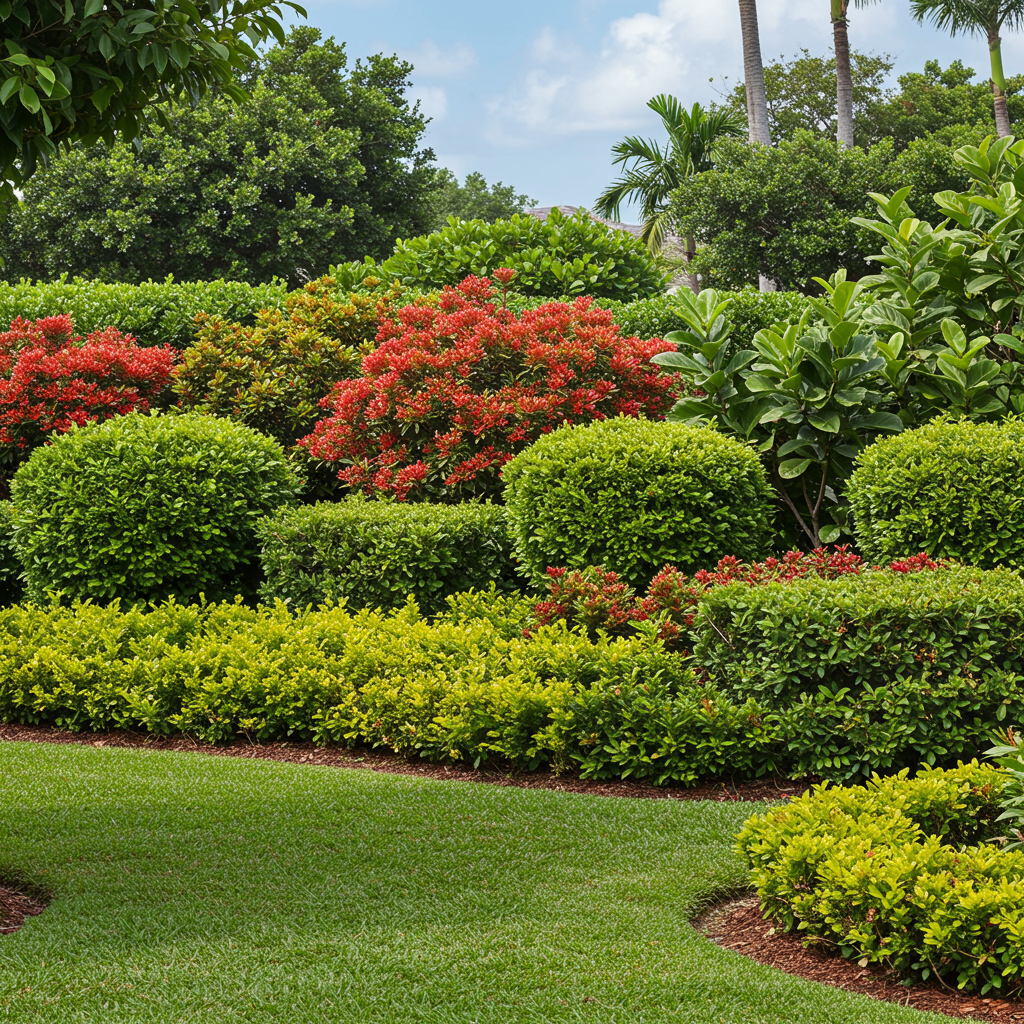
Lavender Plant: Stunning & Easy South Florida Care Guide
Dreaming of fragrant lavender fields in your South Florida garden? While it presents unique challenges, cultivating a healthy, thriving lavender plant is entirely achievable with the right approach. This guide will walk you through everything you need for successful South Florida lavender care, from choosing the perfect variety to essential planting and maintenance tips.
—
Your Guide to Growing Gorgeous Lavender in South Florida

For many, the elegant lavender plant conjures images of Provence, France, or the rolling hills of cooler northern climates. Its intoxicating fragrance and beautiful purple blooms seem a world away from South Florida’s steamy, humid environment. Indeed, the common English lavender varieties struggle here, making many believe it’s impossible to grow this beloved perennial in our tropical paradise.
However, with the right knowledge and a bit of effort, you absolutely can enjoy the beauty and aroma of lavender in your South Florida home. The key lies in selecting heat-tolerant varieties and understanding their specific needs for drainage, sunlight, and humidity management. Get ready to transform your garden or patio into a fragrant oasis!
Can Lavender Truly Thrive in South Florida’s Climate?
The short answer is yes, but with asterisks! South Florida’s climate is characterized by high humidity, frequent rainfall, and intense heat, all of which are generally unfriendly to most traditional lavender types. English lavender (Lavandula angustifolia), for instance, absolutely detests wet feet and prefers drier, cooler air.
The good news? Several heat-tolerant lavender varieties are much better suited to our sub-tropical conditions. These resilient plants have adapted to handle the moisture and warmth, making your dream of homegrown lavender a reality. The secret to success isn’t battling nature, but rather choosing plants that are already equipped for it.
The Challenges: Why Most Lavender Struggles Here
Humidity: High atmospheric moisture can lead to fungal diseases and general plant stress.
Rainfall: Frequent heavy rains contribute to overly wet soil, a death knell for lavender.
Heat: Prolonged high temperatures can stress plants that prefer cooler nights.
Soil: Our native soils often don’t provide the sharp drainage lavender demands.
Choosing the Best Lavender Varieties for South Florida
The most crucial step for successful South Florida lavender care is selecting the right type. Forget English lavender; instead, focus on varieties known for their heat and humidity resistance.
Top Lavender Varieties for South Florida:
Spanish Lavender (Lavandula stoechas): Known for its unique “bunny ear” bracts, Spanish lavender is one of the most popular choices for warmer climates. It’s more tolerant of humidity and heat than English varieties.
Popular Cultivars: ‘Otto Quast’, ‘Anouk’, ‘Silver Anouk’
French Lavender (Lavandula dentata): Characterized by its finely toothed leaves and subtle fragrance, French lavender is surprisingly resilient. It’s a fantastic evergreen option that can bloom almost year-round in mild climates.
Popular Cultivars: ‘Goodwin Creek Grey’ is a particularly robust choice with silvery foliage and dark purple flowers.
Lavandin (Lavandula x intermedia): These are hybrids between English and Spike lavender. While some can be challenging, certain cultivars offer good heat tolerance. ‘Provence’ is a famous culinary choice, but ‘Grosso’ is also quite hardy.
‘Phenomenal’ Lavender: A newer hybrid specifically bred for improved heat, humidity, and cold tolerance. It’s becoming a favorite for its large, fragrant flowers and robust growth.
When purchasing, always check plant tags for specific environmental preferences and, if possible, buy from local nurseries that understand the South Florida climate.
Essential Planting Tips for South Florida Lavender Success
Once you’ve chosen your resilient lavender variety, proper planting sets the stage for a thriving plant. Remember, drainage is paramount!
1. Sunlight Requirements
Lavender needs full sun – at least 6-8 hours of direct sunlight per day. Choose the sunniest spot in your garden or on your patio. Less sun means fewer blooms and a weaker plant more susceptible to disease.
2. Soil Preparation: Drainage, Drainage, Drainage!
This cannot be stressed enough. Lavender absolutely hates soggy roots.
In-Ground Planting: If planting directly in the garden, you must amend your soil heavily. South Florida’s sandy or loamy soils can be improved by mixing in coarse sand, perlite, or small gravel to ensure very sharp drainage. Consider building raised garden beds filled with a well-draining mix, providing optimal control over soil conditions. The ideal pH for lavender is slightly alkaline (6.5-7.5).
Container Planting: This is often the most successful method for growing lavender in South Florida. Use large terracotta pots (which allow for better evaporation) or fabric grow bags with plenty of drainage holes. Fill with a high-quality cactus and succulent potting mix, or create your own blend of potting soil, perlite, and coarse sand. Elevate pots slightly to ensure good airflow underneath.
3. Planting Process
Dig a hole twice as wide as the root ball, but only as deep as the root ball.
Gently loosen the roots of your lavender plant before placing it in the hole.
Plant at the same level it was in its nursery pot, making sure not to bury the stem.
Backfill with your well-draining soil mix, gently tamping down.
Water lightly after planting to settle the soil.
Ongoing South Florida Lavender Care
With the right start, regular attention to watering, pruning, and protection will ensure your lavender flourishes.
Watering Lavender in South Florida
This is another critical area where less is often more.
Establishment Period: For the first few weeks after planting, water regularly to help the roots establish. Check the soil moisture daily.
Mature Plants: Once established, lavender is remarkably drought-tolerant. Allow the soil to completely dry out between waterings. Stick your finger an inch or two into the soil; if it feels dry, it’s time to water.
Avoid Overwatering: This is the primary cause of lavender failure in humid climates. Overwatering leads to root rot. Good drainage is key to preventing this issue.
Water at the Base: Water the soil directly, avoiding wetting the foliage, especially in the evening, to reduce fungal issues.
Pruning for Health and Bloom
Regular pruning is vital for maintaining shape, promoting airflow, and encouraging abundant blooms.
After Flowering: Once a flush of flowers fades, prune about one-third of the plant’s growth, shaping it into a mound. This prevents the plant from becoming woody and leggy and encourages new blooms.
Hard Pruning (Annually): In late fall or early spring (before new growth begins), you can give your lavender a harder prune, cutting back by up to two-thirds. Always leave some green foliage on the stem; never cut into old, woody growth that has no leaves.
Fertilizing (Minimal to None)
Lavender thrives in lean soil. Over-fertilizing, especially with high-nitrogen fertilizers, will promote leafy growth at the expense of flowers and can make the plant leggy and weak. If your soil drainage is good, your lavender likely won’t need much, if any, fertilizer. If you feel it needs a boost, use a balanced, slow-release granular fertilizer once in spring, or a liquid feed at half strength.
Pest and Disease Management
While generally robust, lavender can face issues, especially in humid environments.
Fungal Diseases: Powdery mildew and root rot are common in South Florida due to high humidity and poor drainage. Ensure good air circulation around plants and avoid overwatering. Prune lower branches to improve airflow.
Pests: Lavender is naturally pest-resistant to many insects thanks to its strong scent. However, occasionally caterpillars or whiteflies can appear. Use organic pest control methods if necessary.
Harvesting Your Florida Lavender
Enjoy the fruits (or flowers!) of your labor!
When to Harvest: Harvest stems just as the flower buds are opening, revealing their color but before they are fully bloomed. This is when their essential oils and fragrance are most potent.
How to Harvest: Cut stems in the morning after the dew has dried but before the sun intensifies. Use sharp pruning shears and cut a generous length of stem, leaving enough foliage on the plant for continued growth.
Drying: Tie small bundles of stems together and hang them upside down in a cool, dark, well-ventilated area. They should dry within 1-2 weeks.
Benefits of Growing Lavender in South Florida
Beyond the personal satisfaction of cultivating a beautiful plant, growing lavender in South Florida offers numerous benefits:
Fragrance: Its iconic aroma brings a sense of calm and relaxation to your space.
Pest Repellent: Lavender naturally deters mosquitoes, flies, and other nuisance insects.
Pollinator Magnet: Bees and butterflies adore lavender flowers, making it an excellent plant for supporting local wildlife.
Culinary Uses: Use dried lavender in teas, baked goods, or as a garnish (ensure your variety is culinary grade).
* Aesthetic Appeal: The silvery-green foliage and vibrant purple spikes add stunning visual interest to any garden.
—
Frequently Asked Questions About South Florida Lavender Care
Q1: Can English lavender grow in South Florida?
No, generally not. English lavender (Lavandula angustifolia) prefers cooler, drier climates and suffers greatly in South Florida’s high heat and humidity, leading to short lifespans and poor performance. Focus on heat-tolerant varieties like Spanish or French lavender.
Q2: What kind of soil does lavender need in Florida?
Lavender needs extremely well-draining, somewhat sandy, or gravelly soil. In South Florida, you must amend garden soil with coarse sand, perlite, or use a cactus/succulent potting mix for containers. Raised beds are highly recommended for in-ground planting.
Q3: How often should I water my lavender in South Florida?
Water sparingly. Allow the soil to dry out completely between waterings. Overwatering is the most common cause of root rot. Established plants are quite drought-tolerant and prefer dry conditions to consistently moist ones.
Q4: When should I prune my lavender in South Florida?
Prune after each flush of flowers fades to encourage new growth and more blooms. You can also perform a harder annual prune in late fall or early spring, cutting back by about one-third to two-thirds of the overall size, but always leave some green foliage on woody stems.
Q5: Why is my lavender plant dying in South Florida?
The most likely culprits are overwatering leading to root rot, or insufficient drainage. Other reasons include too much shade, fungal diseases from high humidity, or planting a variety not suited for the climate. Ensure full sun, excellent drainage, and choose a heat-tolerant variety.
Q6: Does lavender repel mosquitoes in Florida?
Yes! Lavender contains compounds like linalool and camphor which are natural mosquito repellents. Planting lavender near patios or entryways can help deter these pests.
Q7: Can I grow lavender in a pot in South Florida?
Yes, growing lavender in pots is often the most successful strategy in South Florida. It allows for better control over soil drainage, and terracotta pots help with moisture evaporation. Ensure pots have ample drainage holes and use a well-draining potting mix.
—
Conclusion: Embrace the Challenge, Reap the Fragrant Rewards
While growing lavender in South Florida isn’t as straightforward as in cooler climates, it’s a rewarding endeavor that is absolutely within reach for dedicated gardeners. By selecting the right heat-tolerant varieties, providing impeccable drainage, ensuring abundant sunlight, and practicing mindful watering, you can cultivate a stunning and fragrant lavender plant. Embrace these specialized South Florida lavender care tips, and soon your garden will be filled with the calming beauty and irresistible aroma of your very own thriving lavender oasis. Happy gardening!