Picture this: a warm Florida morning, the scent of citrus filling the air, and you, plucking a ripe, juicy lemon right from your own tree. Sounds idyllic, doesn’t it? Well, growing your own lemons in Florida is not just a dream – it’s entirely achievable! Finding the best lemon tree to grow in Florida, however, requires a little know-how. This guide explores the most suitable varieties and provides you with the knowledge to make your citrus dreams a reality. By the end, you’ll have the inside scoop on choosing, planting, and caring for your own thriving lemon tree, ensuring a bountiful harvest year after year. Let’s explore!
The 10 Best Lemon Trees for Florida
Florida’s climate offers a near-perfect environment for cultivating citrus, but not all lemon varieties are created equal. Some excel in the humid heat, while others may struggle. The perfect lemon tree for Florida must possess characteristics like disease resistance, tolerance for various soil types, and the ability to produce flavorful fruit. This list details ten of the most successful lemon trees you can plant in Florida, considering factors such as fruit quality, growth habits, and overall suitability for the state’s unique conditions. Each variety is a strong contender for the title of the best lemon tree to grow in Florida, bringing its own set of advantages to the table. We’ll examine the best options for your garden, backyard, or even a large container on your patio.
1. ‘Meyer’ Lemon
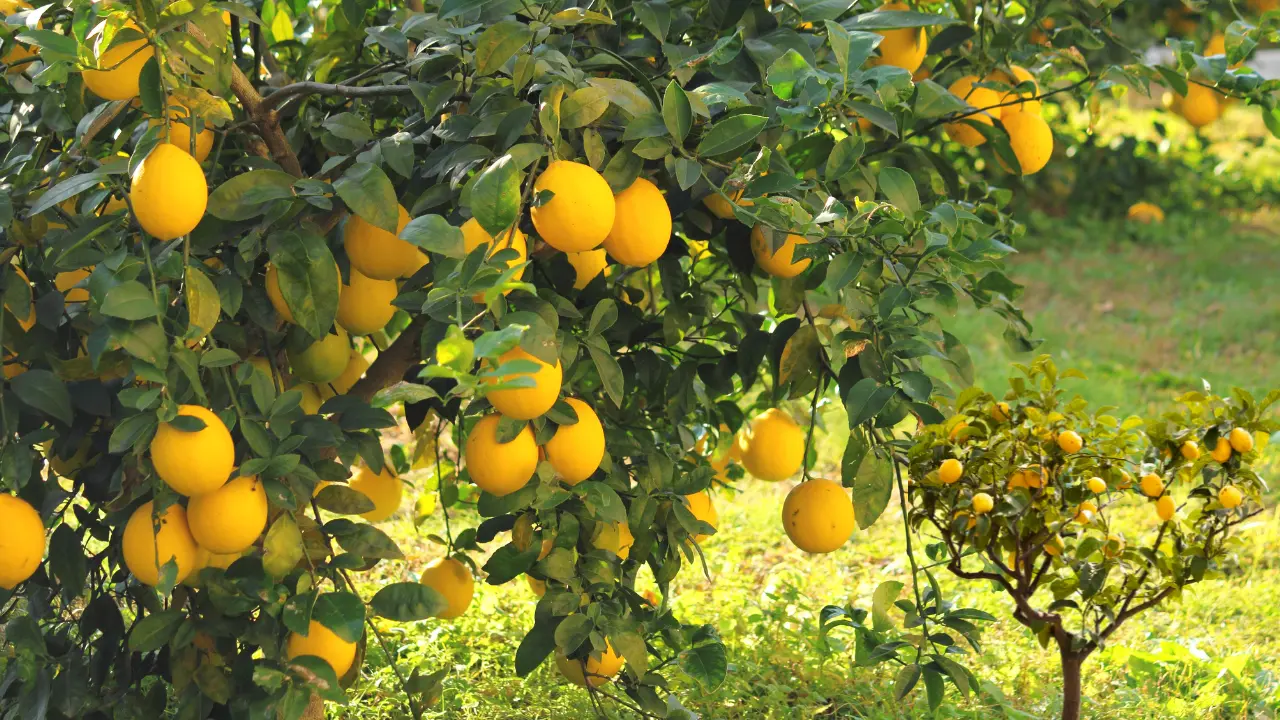
The ‘Meyer’ lemon is a superstar in many Florida gardens, and for good reason. It’s a hybrid between a lemon and a mandarin orange or a citron, making it exceptionally well-suited for a variety of conditions, including those found in Florida. This variety is celebrated for its sweeter, less acidic fruit and its ability to withstand cooler temperatures better than many other lemon varieties. ‘Meyer’ lemons also tend to produce fruit year-round, offering a steady supply of fresh lemons for your culinary adventures.
Key Features of the ‘Meyer’ Lemon:
- Sweet and Mild Flavor: The ‘Meyer’ lemon has a less acidic taste compared to other lemon types, appealing to a wider range of palates. Its rind is also thinner and more fragrant.
- Compact Size: ‘Meyer’ lemon trees typically grow to be smaller than other lemon varieties. Their compact size makes them ideal for container gardening, balconies, and smaller yards.
- Prolific Fruiting: These trees are known for their ability to produce fruit throughout the year, especially in favorable climates like Florida. This results in multiple harvests annually.
For those new to citrus gardening, the ‘Meyer’ lemon is often recommended because of its adaptability and relatively low maintenance needs. It does well in full sun, requires well-draining soil, and should be watered regularly, especially during dry periods. Make sure to protect young trees from frost during colder spells. In Florida, with its milder winters, this is often less of a challenge than in other regions. In many areas, the trees can reach heights of 6 to 10 feet. It’s an attractive tree with fragrant blossoms and appealing fruit. Planting one can be a rewarding experience for any home gardener.
2. ‘Lisbon’ Lemon
‘Lisbon’ lemons are the quintessential sour lemons you find in grocery stores. They bring a classic, tart lemon flavor to your cooking and beverages. The ‘Lisbon’ is a vigorous grower, known for its high fruit production and cold hardiness, which are great features for a Florida climate. This is why many consider it among the best lemon tree to grow in Florida. It can withstand harsher conditions compared to some other lemon varieties.
Key Features of the ‘Lisbon’ Lemon:
- Classic Tart Flavor: The ‘Lisbon’ produces the traditional tart lemons you expect. This is preferred for culinary uses where a strong lemon flavor is desired.
- Vigorous Growth: ‘Lisbon’ trees grow rapidly and can reach a larger size compared to ‘Meyer’ lemons. This vigor contributes to higher fruit yields.
- Good Cold Tolerance: ‘Lisbon’ lemons are more cold-hardy than many citrus varieties, which is a significant advantage during occasional cold snaps in Florida.
Because they are vigorous growers, ‘Lisbon’ lemon trees need proper pruning to maintain their shape and encourage fruit production. They thrive in full sun and well-draining soil. Make sure to water them regularly, especially during fruiting. Applying fertilizer designed for citrus trees will help ensure healthy growth and ample fruit. A mature ‘Lisbon’ lemon tree can reach up to 20 feet tall, so plan the planting spot accordingly. Regular care and maintenance will ensure you have a tree bearing plenty of flavorful fruit.
3. ‘Eureka’ Lemon
The ‘Eureka’ lemon is another popular choice, very similar to the ‘Lisbon’ lemon. These lemons provide a great, tart, acidic flavor, making them ideal for cooking and juicing. The ‘Eureka’ is also known for producing fruit year-round, although the heaviest harvest is typically in the winter. Its adaptability and consistent yields make it a favorite for many Florida citrus growers.
Key Features of the ‘Eureka’ Lemon:
- High Acidic Content: ‘Eureka’ lemons are very tart and have a strong, acidic flavor.
- Spiny Branches: ‘Eureka’ lemon trees tend to have thorny branches. Handle them with care during pruning and harvesting.
- Prolific Production: These trees have a tendency to produce a lot of fruit throughout the year, especially in areas with warm climates.
The ‘Eureka’ lemon thrives in well-draining soil and plenty of sunshine. Regular fertilization with a citrus-specific fertilizer can support its high fruit output. They need consistent watering, especially during fruit set, and they should be pruned to maintain their shape and to allow sunlight and air to reach all parts of the tree. Be careful around the thorny branches. They can grow up to 20 feet tall. The ‘Eureka’ is a dependable producer of classic tart lemons, making it a valuable addition to any Florida garden.
4. ‘Ponderosa’ Lemon
The ‘Ponderosa’ lemon is an unusual variety, often called the “American Wonder Lemon”. It’s a cross between a lemon and a citron, creating a tree that is known for its large fruit and cold hardiness. The ‘Ponderosa’ is another excellent candidate for the best lemon tree to grow in Florida, offering a unique blend of characteristics. While the fruit can be somewhat less acidic than traditional lemons, their size and juiciness make them a standout choice.
Key Features of the ‘Ponderosa’ Lemon:
- Giant Fruit: ‘Ponderosa’ lemons are notably large, sometimes weighing several pounds each, providing an abundance of juice.
- Good Cold Tolerance: This variety is more resistant to cold weather conditions compared to many other citrus trees, beneficial for the climate of Florida.
- Ornamental Value: The large fruit and attractive tree make the ‘Ponderosa’ a decorative element in any landscape.
This variety prefers full sun and well-draining soil. It is more cold-hardy than most lemon varieties, which is a definite plus in Florida. Watering needs are similar to other citrus trees – regular and consistent. Proper pruning is essential to manage the size and to prevent the branches from bending under the weight of the large fruit. ‘Ponderosa’ lemons are unique in their visual appeal. Their size will make them a talking point. Mature trees often reach heights of 15 to 25 feet. A well-cared-for ‘Ponderosa’ lemon tree brings a unique look to any Florida garden.
5. ‘Avon’ Lemon
The ‘Avon’ lemon is a newer variety developed in Florida, specifically designed to thrive in the state’s humid conditions. This variety shows resistance to certain common citrus diseases. ‘Avon’ is an excellent choice for anyone searching for the best lemon tree to grow in Florida, especially those concerned with disease resistance. The fruit is of good quality, and the tree itself is moderately vigorous, making it manageable for home gardens.
Key Features of the ‘Avon’ Lemon:
- Disease Resistance: Developed to be more resistant to diseases that commonly affect citrus trees in Florida.
- Good Fruit Quality: The ‘Avon’ produces quality fruit.
- Adaptability: Adaptable to Florida’s climate.
Like other lemon trees, ‘Avon’ requires full sun exposure and well-draining soil. Regular watering and fertilization with a citrus fertilizer will encourage healthy growth and fruit production. It’s best to plant ‘Avon’ trees in an area that offers good air circulation to help reduce the risk of any disease, even though it’s naturally resistant. The size of this tree is moderate, allowing it to fit into many landscapes, and it benefits from some pruning to maintain shape and encourage fruit production. The ‘Avon’ is a modern citrus tree built to prosper in the Sunshine State.
6. ‘Bearss’ Lemon
The ‘Bearss’ lemon is an excellent variety, often considered a cultivar of the ‘Lisbon’ lemon. This tree is valued for its consistent fruit production and relatively few seeds. Its adaptability to the Florida climate, along with its tart, juicy fruit, makes it a popular selection for both home gardens and commercial orchards. This makes the ‘Bearss’ lemon a serious competitor for the title of the best lemon tree to grow in Florida.
Key Features of the ‘Bearss’ Lemon:
- Seedless or Few Seeds: It produces fruit that often has few to no seeds, which is desirable for juicing and culinary use.
- High Yield: The ‘Bearss’ lemon is known for its ability to produce large quantities of fruit, providing a reliable harvest.
- Similar to ‘Lisbon’: Shares many traits with ‘Lisbon’, but the seedless characteristic is a bonus for many gardeners.
Similar to the ‘Lisbon’ and ‘Eureka’ varieties, ‘Bearss’ lemons require full sun and well-draining soil. Regular watering is key, especially during flowering and fruit development. Regular feeding with a citrus-specific fertilizer will help the tree stay healthy. Pruning is beneficial to maintain shape and to encourage fruit production. The tree can reach heights up to 20 feet. It’s an ideal choice for both home and commercial use because of its heavy fruit yields.
7. ‘Villafranca’ Lemon
‘Villafranca’ lemons are another option for the Florida climate. This tree is known for producing high-quality fruit and its slightly more cold-hardy nature. This characteristic makes it suitable for areas of Florida that experience occasional light frosts. For gardeners in regions that see milder winters, ‘Villafranca’ can be one of the best lemon tree to grow in Florida, providing a good balance of fruit quality and adaptability.
Key Features of the ‘Villafranca’ Lemon:
- High-Quality Fruit: ‘Villafranca’ produces very flavorful lemons, popular for their tartness and juiciness.
- Cold Tolerance: It is somewhat more tolerant of cold snaps compared to some other lemon varieties.
- Adaptability: Suitable for a variety of soil types, contributing to its adaptability to the Florida climate.
This variety prefers full sun, and it requires well-draining soil. Routine watering is essential, especially during dry spells and during the fruiting season. Fertilizing with a citrus-specific fertilizer is recommended to maintain vigorous growth and to help yield plentiful fruit. Regular pruning aids in maintaining the shape of the tree and allows for better air circulation and sunlight penetration. It is an excellent choice for a wide variety of Florida gardens, providing quality fruit and reliable harvests.
8. ‘Femminello Santa Teresa’ Lemon
The ‘Femminello Santa Teresa’ is a distinct lemon variety originating from Italy. It is favored by many gardeners because of its juice and zest quality. Although not as widely available as the ‘Meyer’ or ‘Lisbon’, it is a good option to grow in Florida. Its unique flavor profile and adaptability make it an exciting option for anyone who is looking for the best lemon tree to grow in Florida.
Key Features of the ‘Femminello Santa Teresa’ Lemon:
- High-Quality Juice and Zest: The ‘Femminello Santa Teresa’ is known for its high-quality juice and zest, providing a strong lemon flavor.
- Fruit Production: Regular harvests in a variety of conditions, as long as it gets the proper sun exposure and soil conditions.
- Flavor Profile: Possesses a unique and rich flavor that many chefs and cooks appreciate.
This lemon tree thrives in full sun. Well-draining soil is essential. It requires regular watering, particularly during dry periods. Fertilizing with a citrus-specific fertilizer will support its vigor and fruit production. Pruning to maintain its shape, promote air circulation, and to manage its height can provide a better harvest. The ‘Femminello Santa Teresa’ is ideal for gardeners who want to make the most out of their lemons.
9. ‘Buddha’s Hand’ Citron
While technically a citron and not a lemon, the ‘Buddha’s Hand’ is a fascinating citrus fruit and is worthy of consideration for those looking for the best lemon tree to grow in Florida. It produces a fragrant fruit with segments that resemble fingers. The ‘Buddha’s Hand’ citron is grown more for its zest and fragrance than its juice. The rind is prized in culinary applications, adding a unique and aromatic component to various dishes.
Key Features of the ‘Buddha’s Hand’ Citron:
- Unique Appearance: The fruit has a distinct, finger-like shape that is visually appealing.
- Aromatic Properties: The rind is highly fragrant, often used in perfumes and culinary applications.
- Culinary Uses: It is often candied or used to flavor dishes due to its aromatic zest.
The ‘Buddha’s Hand’ citron needs full sun and well-draining soil. Regular watering, especially during dry periods, is crucial. Fertilizing with a citrus-specific fertilizer will support the tree’s health and fruit production. Pruning is typically minimal, often focused on shaping the tree and removing any dead or diseased branches. The ‘Buddha’s Hand’ citron brings visual and aromatic appeal. This tree is perfect for those looking to add a unique, eye-catching element to their Florida garden.
10. ‘Genoa’ Lemon
‘Genoa’ lemons are a classic choice known for producing a large amount of fruit. This is a good option for gardeners who like to harvest a lot of lemons. It adapts well to various soil types, adding to its desirability for a Florida climate. For those looking for the best lemon tree to grow in Florida and wanting a reliable harvest, the ‘Genoa’ lemon is worth considering.
Key Features of the ‘Genoa’ Lemon:
- Heavy Fruiting: It is known for producing large quantities of lemons.
- Adaptability: This tree thrives in a variety of soil types.
- Flavor Profile: Offers a nice acidic lemon flavor, making it a good choice for various uses.
The ‘Genoa’ lemon thrives in full sun and well-draining soil. Watering needs are similar to other citrus trees, with regular watering, especially during dry periods and during fruiting. Fertilizing with a citrus-specific fertilizer supports the tree’s vigor and helps produce a healthy yield. Regular pruning to help maintain the shape of the tree and to allow for air circulation and sunlight penetration is important. The ‘Genoa’ lemon is a reliable choice, known for its dependable fruit production. This tree is a fantastic option for anyone who wants a steady supply of lemons.
Common Myths Debunked
Myth 1: Lemon Trees Don’t Grow Well in Florida’s Humidity
This statement is inaccurate. Many lemon tree varieties, especially those mentioned in this list, have been successful in the humid climate of Florida. The key is to select the right variety, providing well-draining soil, and ensuring proper air circulation. Choosing varieties like the ‘Avon’ lemon, which has built-in disease resistance, will also help the plant thrive in the humid climate. While humidity can pose some challenges, it is manageable with the right approach.
Myth 2: All Lemon Trees Are the Same
Not all lemon trees are identical. Different varieties offer different characteristics. Some have sweeter fruit, while others are more tart. Some trees are more resistant to diseases, and some are better suited to colder temperatures. The ‘Meyer’ lemon, for example, is known for its sweet taste. The ‘Lisbon’ is prized for its tartness. Understanding these differences allows gardeners to pick a variety that fits their needs. Different varieties offer different benefits.
Myth 3: Lemon Trees Don’t Need Fertilization
It is a mistake to think lemon trees don’t need fertilizer. Citrus trees, including lemon trees, are heavy feeders and require regular fertilization to flourish. Fertilizers designed for citrus trees provide the essential nutrients needed for healthy growth, fruit production, and overall vigor. Without regular feeding, trees may produce fewer fruits, have stunted growth, and be more susceptible to diseases. Using the right fertilizer at the correct times of the year is an important part of caring for your tree.
Myth 4: You Can’t Grow Lemons in Containers
This is false. Many lemon tree varieties thrive in containers. Container gardening offers flexibility and control over the growing environment. By choosing a dwarf variety like the ‘Meyer’ lemon, using a well-draining potting mix, and providing adequate sunlight and water, you can successfully grow lemons in containers. This is perfect for those with limited space or those who want to move their trees indoors during colder periods. Container gardening makes it easier to protect from harsh weather conditions. Proper care is still important.
Myth 5: Pruning is Unnecessary for Lemon Trees
Pruning is a beneficial part of lemon tree maintenance. It helps maintain the tree’s shape, encourages air circulation, and promotes sunlight penetration. Pruning also stimulates fruit production and removes dead or diseased branches. Pruning is very important for lemon tree health. Without pruning, lemon trees can become overcrowded, reducing fruit production. Therefore, regular pruning is an important activity for any lemon tree grower.
Frequently Asked Questions
Question: How often should I water my lemon tree in Florida?
Answer: Water your lemon tree regularly, especially during dry periods. The frequency depends on the weather and the tree’s age, but generally, water deeply when the top inch of soil feels dry to the touch. Avoid overwatering to prevent root rot.
Question: What type of soil is best for lemon trees in Florida?
Answer: Lemon trees need well-draining soil. Amend heavy clay soils with organic matter like compost to improve drainage. A slightly acidic soil (pH 6.0 to 6.5) is ideal.
Question: When should I fertilize my lemon tree?
Answer: Fertilize your lemon tree during the growing season (spring through fall) with a citrus-specific fertilizer, following the package directions. Avoid fertilizing during the winter months when the tree is less active.
Question: How do I protect my lemon tree from cold weather?
Answer: During cold snaps, protect young trees by covering them with a blanket or tarp. For container-grown trees, move them indoors or to a sheltered location. Established trees may tolerate brief freezes, but protection is crucial for young ones.
Question: How long does it take for a lemon tree to produce fruit?
Answer: It can take between 2 to 5 years for a lemon tree to produce fruit, depending on the variety and growing conditions. ‘Meyer’ lemons tend to bear fruit sooner than other varieties.
Final Thoughts
Selecting the best lemon tree to grow in Florida is a decision with a lot to consider. The ‘Meyer’ lemon offers a sweeter flavor and is easy to maintain. ‘Lisbon’ and ‘Eureka’ provide the traditional tartness, while the ‘Ponderosa’ and ‘Buddha’s Hand’ bring unique aesthetics and flavors to your garden. The ‘Avon’ is bred to withstand Florida’s weather. ‘Bearss’, ‘Villafranca’, ‘Femminello Santa Teresa’, and ‘Genoa’ offer different advantages depending on your preferences. Each offers a blend of characteristics that make it ideal for Florida’s climate. With proper selection, planting, and care, you can enjoy a bountiful supply of fresh, homegrown lemons. Remember to provide adequate sunlight, well-draining soil, regular watering, and appropriate fertilization. Prune your tree to maintain shape and encourage fruit production. With these guidelines, you’ll be well on your way to enjoying the fruits of your labor. The scent of fresh citrus will fill your garden.