Picture this: you’re finally ready to create your dream Florida lawn. You’ve got the perfect house, maybe a pool, and now it’s time to get that luscious green carpet of grass. But then you hit a snag. The Sunshine State’s heat, humidity, and sandy soil present unique challenges for lawns. Choosing the right what grass seed grows best in florida is the key to success. This guide will help you select the ideal grass, ensuring you avoid common pitfalls and achieve a vibrant, thriving lawn that becomes the envy of your neighborhood. You’ll learn about the different types, their specific needs, and how to maintain them, allowing you to create the perfect outdoor space to relax and enjoy. You’ll also learn the answers to any questions you may have.
Key Takeaways
- Understand the various grass types that thrive in Florida’s climate.
- Learn the specific maintenance requirements for each grass type.
- Discover how to identify and address common lawn problems.
- Find out how to choose the right grass based on your lifestyle and preferences.
- Gain insights into successful lawn care practices.
- Make informed decisions about fertilizing, watering, and pest control.
The 10 Best Grasses for Florida Lawns
Florida’s climate, with its intense sun, high humidity, and sandy soil, requires careful consideration when selecting a grass type. Different grasses possess varying tolerances to these conditions. Some grasses love the full sun, while others can handle partial shade. Some are drought-tolerant, while others need consistent watering. The best choice depends on your specific location within Florida, the amount of sun your yard receives, your personal preferences, and the amount of maintenance you are willing to perform. This list explores the ten best options for what grass seed grows best in florida, helping you make the right choice for a beautiful, healthy lawn.
1. St. Augustinegrass
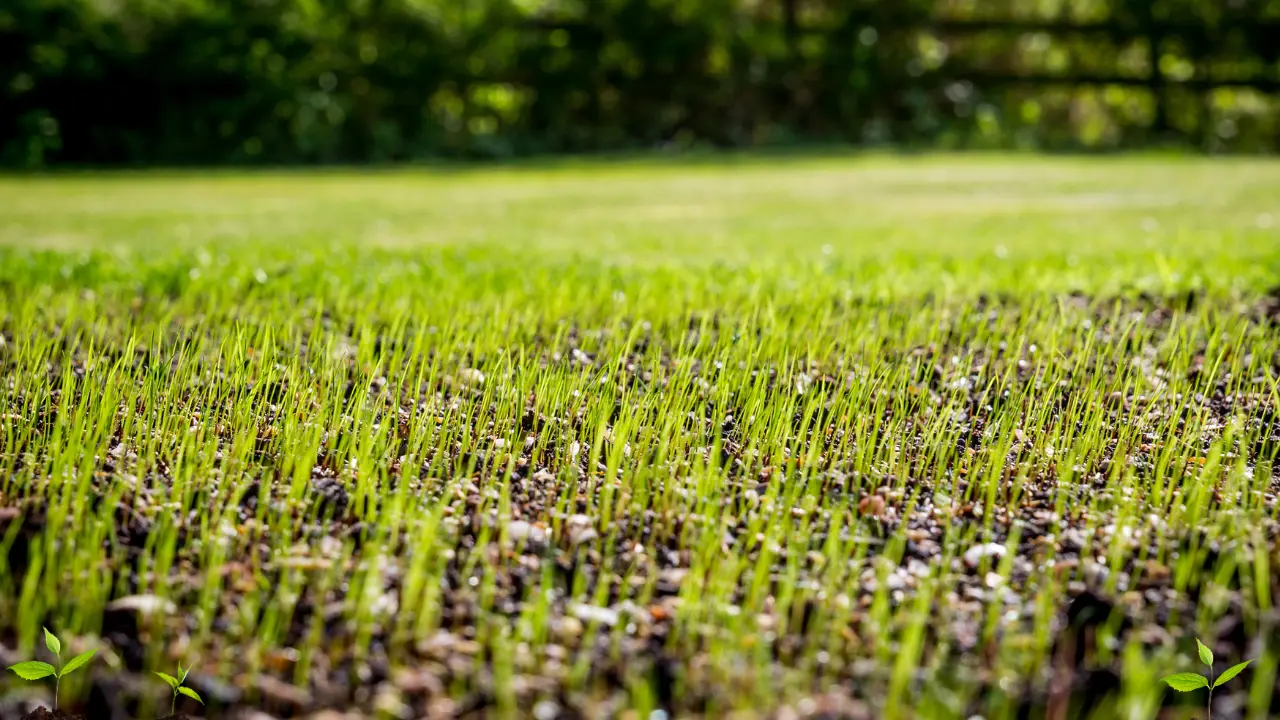
St. Augustinegrass is a popular choice for Florida lawns because it’s well-suited to the state’s climate. It creates a dense, carpet-like turf and is known for its shade tolerance. This means it can grow well in areas where other grasses struggle. St. Augustinegrass spreads through stolons, which are stems that grow horizontally across the soil surface, allowing the grass to fill in quickly. It does best in full sun but can handle partial shade. However, it’s susceptible to chinch bugs and gray leaf spot, so regular monitoring is important. Proper maintenance includes adequate watering, fertilization, and pest control.
Key Details About St. Augustinegrass
- Requires moderate watering and fertilization.
- Tolerates shade better than many other grasses.
- Prone to chinch bugs and gray leaf spot.
- Grows well in a variety of soil conditions.
St. Augustinegrass is often sold as sod, which provides an instant lawn. While seed is available, it’s not as commonly used because of its slower establishment rate. Many homeowners choose to install sod for quicker results. One common practice is to lay down sod in early spring, allowing it to establish itself before the heat of summer. For example, in Jacksonville, Florida, homeowners often use St. Augustinegrass because it copes well with the city’s coastal climate and sandy soils.
2. Bahia Grass
Bahia grass is a low-maintenance option that is great for many parts of Florida. It’s known for its high tolerance to drought and its ability to withstand wear and tear. This makes it a great choice for areas with high foot traffic. It has a coarser texture compared to some other grasses and produces seed heads, which can be seen as either a positive or negative trait, depending on your preferences. Bahia grass is relatively easy to care for, requiring less fertilizer and water than other options. It adapts well to sandy soils.
Key Details About Bahia Grass
- Drought-tolerant and requires minimal watering.
- Needs less fertilization compared to other grasses.
- Coarse texture with visible seed heads.
- Tolerates sandy soils and is great for high traffic areas.
One of the best attributes of Bahia grass is its ability to bounce back from neglect. It can withstand dry periods and still recover once water is available. This makes it a great choice for those who are busy or live in areas with water restrictions. For instance, in Orlando, where the summer months are very hot, Bahia grass is frequently used because of its ability to survive heat and withstand periods of low rainfall. Its deep roots also help prevent erosion, which is useful in certain areas of the state.
3. Zoysia Grass
Zoysia grass is a warm-season grass that provides a dense, lush lawn. It’s known for its excellent wear tolerance and ability to choke out weeds, so it requires less weeding than other grasses. There are different types of Zoysia grass available, each with its own texture and characteristics. Zoysia grass is also moderately drought-tolerant and can tolerate partial shade, making it a versatile option for various conditions. However, it does have a slower establishment rate compared to some other grasses.
Key Details About Zoysia Grass
- Forms a dense, weed-resistant turf.
- Can tolerate partial shade and moderate drought.
- Grows slower than some other grasses.
- Requires less frequent mowing due to slow growth.
Zoysia grass is a good option for people who want a low-maintenance, high-quality lawn. It is often used in areas where a uniform appearance is wanted, such as golf courses. This grass also tends to have fewer issues with pests compared to other choices. For example, in Tampa, many homeowners select Zoysia grass because it creates a great surface for outdoor activities and doesn’t demand as much attention as some other options. Due to its slow growth, it demands less frequent mowing.
4. Centipede Grass
Centipede grass is a low-maintenance grass option, perfect for people who don’t want to spend too much time on lawn care. It is slow-growing and needs less fertilizer compared to other grasses. This grass is also known for its good tolerance to shade, though it does best in full sun. It creates a dense, medium-textured turf. Centipede grass needs well-drained soil and does not handle high traffic well. Proper watering and occasional mowing are key to keeping this grass thriving.
Key Details About Centipede Grass
- Low-maintenance grass that requires little fertilization.
- Tolerates shade well, but does best in full sun.
- Slow-growing, creating a dense lawn.
- Needs well-drained soil and doesn’t handle high foot traffic.
Centipede grass is a popular pick in areas where a lot of fertilizer isn’t needed or wanted. Its low requirements make it a good option for environmentally friendly lawn care. When growing centipede grass, it’s very important to avoid using too much fertilizer, since this can harm the grass. A good example is in Gainesville, where the climate often has periods of high rainfall, so centipede grass thrives due to its ability to manage water.
5. Bermuda Grass
Bermuda grass is another popular warm-season grass, known for its rapid growth and ability to recover from damage. It can withstand high traffic and is often used on golf courses and sports fields. Bermuda grass thrives in full sun and has excellent drought tolerance once established. It forms a dense, fine-textured turf. However, it does need more fertilization and water compared to some other options, and it can be invasive if not properly managed. It is also more prone to certain diseases.
Key Details About Bermuda Grass
- Fast-growing and recovers quickly from damage.
- Great drought tolerance once established.
- Requires lots of sun.
- Needs plenty of fertilizer and water.
The resilience of Bermuda grass makes it an excellent choice for yards with lots of activity. The deep root system helps it handle drought, and it bounces back from being walked on a lot. For instance, in Miami, where the weather is consistently warm and sunny, Bermuda grass is often utilized in public parks and athletic fields because of its high durability and ability to survive in a hot climate. Be ready to fertilize and water regularly to keep this grass looking its best.
6. Seashore Paspalum
Seashore Paspalum is a high-salinity-tolerant grass, which makes it ideal for coastal areas. It does very well in sandy soils and can handle both salt spray and saltwater exposure better than other options. This grass can also withstand high traffic. Seashore Paspalum creates a dense turf and has a good appearance. This grass needs plenty of sunlight and well-draining soil. It’s often used on golf courses close to the coast.
Key Details About Seashore Paspalum
- Great salt tolerance.
- Can handle high foot traffic.
- Requires full sun and well-draining soil.
- Often used on coastal golf courses.
The capacity of Seashore Paspalum to handle salt makes it a top choice for locations near the beach. This makes it unique in Florida, where coastal properties are common. This is why in Naples, where many homes are near the ocean, Seashore Paspalum is a popular pick for creating lawns that can survive the coastal environment. It’s also able to resist many lawn diseases. When choosing this grass, ensure you have a good irrigation system to ensure the best growth.
7. Carpetgrass
Carpetgrass is another low-maintenance option for Florida lawns. It is a coarse-textured grass that is easy to grow and needs little attention once it’s set up. It’s shade-tolerant, making it a good choice for yards with trees. Carpetgrass is best suited to wet soils, and it does not do well in drought conditions. This grass is also tolerant of low fertility soils. Although it needs less fertilizer, it doesn’t handle heavy foot traffic as well as other types.
Key Details About Carpetgrass
- Low-maintenance, coarse-textured grass.
- Prefers wet soils and can handle shade.
- Tolerates low fertility soils.
- Doesn’t handle heavy foot traffic well.
The adaptability of carpetgrass makes it a good pick for areas with specific conditions, like shaded yards. It’s a great choice for those who want a low-maintenance lawn without a lot of fuss. For example, in Tallahassee, where shady conditions are common, carpetgrass can be a good pick because it can survive where other types may struggle. It’s key to make sure the soil remains wet for optimal health. It grows quickly, so that must be considered when selecting it.
8. Argentine Bahia
Argentine Bahia grass is a specific type of Bahia grass that is known for its improved appearance compared to common Bahia grass. It has a finer texture and a darker green color. It has all the great characteristics of Bahia grass, including drought tolerance and low maintenance needs. It does well in full sun and handles wear and tear. One of the best qualities is that it has fewer seed heads compared to common Bahia grass. This grass is a good option if you want a low-maintenance, good-looking lawn.
Key Details About Argentine Bahia
- Fine texture and darker green color.
- Great drought tolerance and requires little care.
- Fewer seed heads than common Bahia grass.
- Does well in full sun and withstands wear and tear.
The better appearance of Argentine Bahia makes it an appealing choice for homeowners who like Bahia grass but want a more refined look. It is often chosen in locations where a well-kept appearance is needed. In areas like Sarasota, where the aesthetic of a property is very important, Argentine Bahia is a good option. Be prepared for regular watering. Remember, even with its improved looks, it still requires basic lawn care.
9. Palmetto St. Augustine
Palmetto St. Augustine is a specific variety of St. Augustinegrass that is known for its shade tolerance and disease resistance. This grass has a softer texture than other St. Augustine varieties and creates a dense, attractive lawn. It is also more cold-tolerant than other St. Augustine grasses, making it a good choice for areas of Florida that may experience occasional frosts. Palmetto St. Augustine requires regular watering and fertilization, like other St. Augustine grasses, but it is less susceptible to some common lawn diseases. It is a good choice if you like St. Augustine but want an improved version.
Key Details About Palmetto St. Augustine
- Improved shade tolerance and disease resistance.
- Soft texture compared to other St. Augustine types.
- More cold-tolerant.
- Requires regular watering and fertilization.
The enhanced qualities of Palmetto St. Augustine make it a great choice for those who are seeking the benefits of St. Augustine grass. Its ability to cope with shade makes it a valuable pick for yards with trees or structures. In Gainesville, where there can be periods of cooler weather during the winter, Palmetto St. Augustine can be a good pick because of its cold tolerance. This variety is often preferred for its improved appearance. Take care to keep up with the water needs.
10. Empire Zoysia
Empire Zoysia is a specific type of Zoysia grass that is known for its dense growth and attractive appearance. It has a medium texture and is known for its deep green color. This grass is also very tolerant to wear and tear, making it a good choice for lawns with active use. Empire Zoysia needs less water and fertilizer compared to some other grass types. It is moderately shade-tolerant and can handle full sun. This grass can also withstand many lawn diseases. If you like Zoysia grass but want a slightly improved version, this might be a good pick.
Key Details About Empire Zoysia
- Dense growth and a nice appearance.
- Medium texture and deep green color.
- Durable and handles wear and tear well.
- Needs less water and fertilizer compared to some other grasses.
The blend of the great looks and wear tolerance makes Empire Zoysia a popular pick. It offers a great appearance and is tough enough to withstand outdoor activities. In the city of Miami, where lawns are a common feature of residences and community areas, Empire Zoysia is often selected for its ability to create a well-kept lawn. Remember, Zoysia grass establishes at a slower pace than some other grasses. Regular watering and keeping the soil well-drained are crucial.
Common Myths Debunked
Myth 1: All grass seed is the same, so I can just buy whatever’s cheapest.
The truth is that different grass seed types have very distinct characteristics and needs. Choosing the cheapest option can often lead to a lawn that struggles to thrive in Florida’s climate. The best approach is to consider your local conditions and needs. For instance, buying a drought-tolerant grass for a sunny area will perform better than one designed for shade. Selecting the right grass type for your location and the amount of maintenance you are willing to do is much better than choosing based on price. The grass that grows best in your yard will require less maintenance than a grass that doesn’t fit the needs of your yard.
Myth 2: I can plant any grass seed anytime in Florida.
The right time for planting what grass seed grows best in florida is very important for success. Most warm-season grasses, such as those recommended here, are best planted during the warm season. This is generally from late spring to early summer. During these months, the soil is warm, which promotes rapid germination and growth. Planting outside of this time can lead to poor germination and establishment. For example, planting in the middle of winter will lead to problems because the grass won’t grow in cold weather.
Myth 3: Overseeding is always a good way to improve my lawn.
Overseeding—planting new grass seed over an existing lawn—can work, but it’s not always the best approach. It works best if you’re trying to fill in bare spots or if the existing grass is thinning. However, if the existing grass is a different type than the seed you’re adding, it may not work. For instance, if you have St. Augustinegrass, overseeding with a different type of grass might not work because they have different characteristics. Before overseeding, make sure you understand the best grass for your area and needs.
Myth 4: Fertilizing more often will make my grass grow faster and be healthier.
Over-fertilizing can harm your lawn, leading to problems. It is key to follow the directions on the fertilizer. More is not better, and fertilizing too often can lead to nutrient imbalances, thatch buildup, and increased susceptibility to pests and diseases. The best approach is to choose a fertilizer that’s right for your grass type and follow the instructions carefully. Regular soil testing can also help you find out what your lawn needs so you can provide the right amount of nutrients at the right time. For example, too much fertilizer on Centipede grass can cause major problems.
Myth 5: All lawn care products are safe for my pets and family.
Lawn care products, including fertilizers, herbicides, and insecticides, can have ingredients that may not be safe for pets and people. Always read product labels very carefully and follow all safety instructions. Look for pet-friendly or organic options if you have pets or children who play on the lawn. For example, some products might need time to dry completely before allowing pets to play on the grass. You should also ensure that the products are approved for your type of grass.
Frequently Asked Questions
Question: What is the best grass for a shady yard in Florida?
Answer: St. Augustinegrass is often the best choice for shady areas in Florida because it is known for its shade tolerance. Palmetto St. Augustine is an option that is an improved version, with better disease resistance.
Question: How often should I water my Florida lawn?
Answer: The frequency of watering depends on the type of grass you choose and the weather conditions. In general, it’s best to water deeply but less often, usually once or twice a week, to encourage deep root growth. It’s best to always follow the specific requirements for your type of grass.
Question: What is the best way to control weeds in my Florida lawn?
Answer: Weed control involves a mix of practices. Hand-pulling, using pre-emergent herbicides to stop weeds from sprouting, and using post-emergent herbicides to target existing weeds can all be employed. Correctly mowing and fertilizing will also help keep the grass thick. A thick lawn is the best way to prevent weeds.
Question: How can I prevent lawn diseases in Florida?
Answer: Proper lawn care practices help prevent diseases. Proper watering, fertilization, and mowing techniques, along with good air circulation, all play a role. Also, choosing grass varieties that are disease-resistant is a good starting point. Regular inspections will help you identify any problems early.
Question: Is it better to use sod or seed for a new Florida lawn?
Answer: Sod gives you an instant lawn, but it is more expensive. Seed is a more affordable option but takes more time to establish. Sod is the best choice if you need a quick solution. Seed is a good choice if you have time and are looking to save money.
Final Thoughts
Choosing the correct what grass seed grows best in florida is the foundation of a beautiful lawn in the Sunshine State. The perfect lawn is within reach by understanding the needs of different grass types and considering your specific yard conditions. St. Augustinegrass, Bahia grass, Zoysia grass, and others each have specific advantages, from drought tolerance to shade tolerance. Remember that consistent care is essential. Regular watering, correct fertilization, and proactive pest control will help your lawn thrive, no matter which grass type you choose. It’s also important to get your lawn ready for the Florida climate. So, take the time to pick the correct grass, take good care of it, and create an outdoor space that you will enjoy for years. With the right knowledge and commitment, you can make your Florida lawn a source of pride and enjoyment, adding beauty and value to your home. Enjoy the process and appreciate the benefits of a well-maintained, lush lawn.