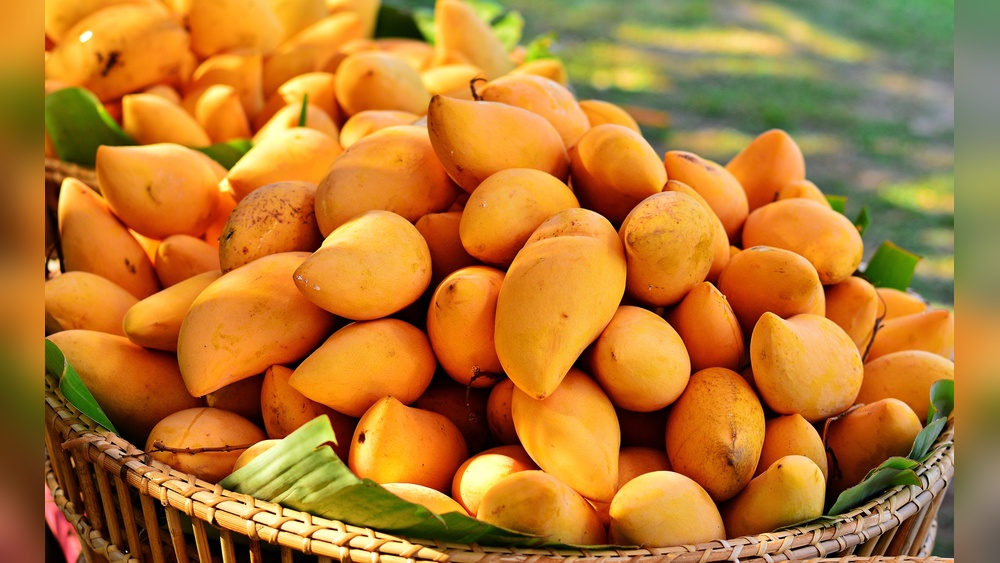
If you’re thinking about growing mangoes in Florida, you want to choose the best varieties that will thrive in your climate and reward you with delicious fruit. Florida’s warm, sunny environment is perfect for mango trees—but not all mangoes are created equal when it comes to taste, disease resistance, and growth habits.
Whether you have a spacious backyard or a cozy patio, picking the right mango variety can make all the difference between a few sad fruits and a bountiful harvest. You’ll discover which mangoes grow best in Florida, how to care for them, and tips to enjoy fresh, homegrown mangoes year after year.
Ready to turn your garden into a tropical paradise? Let’s dive in!
Climate And Soil In Florida
Florida offers a warm and humid climate ideal for growing mangoes. The state’s long, hot summers and mild winters create perfect conditions for mango trees. These tropical fruits need plenty of sunshine and warmth to thrive. Proper soil conditions also play a key role in healthy mango growth.
Ideal Growing Zones
Mango trees grow best in Florida’s USDA zones 10 to 11. These zones cover most of South Florida and parts of the Gulf Coast. Areas like Miami, Fort Lauderdale, and Naples have warm temperatures year-round. Mango trees struggle in colder zones due to frost damage. Planting in protected spots helps extend their growing range northwards.
Soil Requirements
Well-draining soil is essential for mango trees. They prefer sandy or loamy soils that do not hold water. Heavy clay soils can cause root rot and poor growth. Slightly acidic to neutral pH levels, between 5.5 and 7.5, are best. Adding organic matter improves soil fertility and structure. Mulching helps retain moisture and control weeds around the tree base.
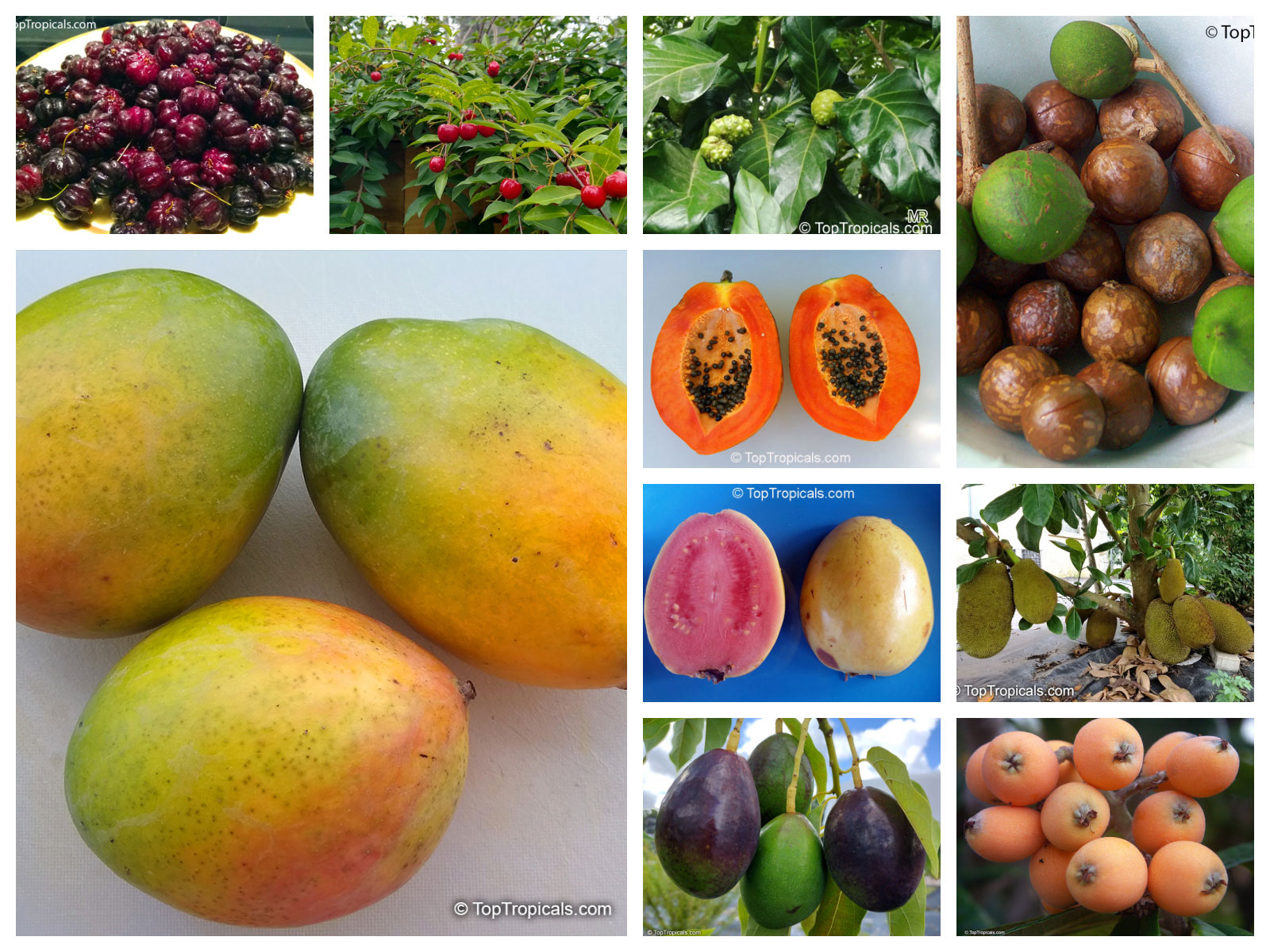
Credit: toptropicals.com
Top Mango Varieties
Florida’s warm climate suits many mango types. Some varieties produce sweet, juicy fruits. Others offer unique flavors or longer harvest seasons. Each mango type has different needs and benefits. Choose the right variety for your garden.
Alphonso
Alphonso is known as the “King of Mangoes.” It has a rich, sweet taste and smooth texture. This variety ripens early in Florida’s season. It needs full sun and well-drained soil. Alphonso trees stay medium-sized and are great for home gardens.
Carabao
Carabao mangoes come from the Philippines. They are very sweet and fiberless. The fruit is medium to large with a thin skin. Carabao trees grow well in Florida’s warm areas. They produce fruit in mid to late season. These trees are hardy and resist diseases.
Haden
Haden is one of the oldest Florida mango varieties. It has a bright red and yellow skin. The flavor is sweet with a slight tartness. Haden mangoes grow well in most parts of Florida. The trees are vigorous and bear fruit early. They need regular care for best yields.
Keitt
Keitt mangoes are large and green even when ripe. Their flesh is sweet and less fibrous. This variety has a long harvest season, often until fall. Keitt trees tolerate heat and humidity well. They produce heavy crops and are popular with Florida growers.
Nam Doc Mai
Nam Doc Mai is a Thai mango variety. It is sweet, fragrant, and fiber-free. The fruit is elongated and yellow when ripe. These trees grow well in Florida’s warm climate. They fruit early and have a moderate growth rate. Nam Doc Mai is a favorite for fresh eating.
Florigon
Florigon is a Florida hybrid mango. It produces small to medium fruit with sweet flavor. This variety ripens early in the season. Florigon trees are compact and easy to manage. They adapt well to Florida’s soil and weather. Florigon is excellent for backyard growing.
Disease Resistance
Mango trees in Florida face several diseases that affect fruit quality and tree health. Choosing mango varieties with strong disease resistance helps gardeners reduce losses and care efforts. Disease resistance is vital in Florida’s warm and humid climate. It keeps trees healthy and fruit abundant.
Different diseases challenge mango growers. Some cause leaf spots, others rot fruit or damage branches. Knowing which diseases are common helps pick the best mango types for your garden. Below are key diseases and mango varieties that resist them well.
Bacterial Black Spot
Bacterial black spot causes dark, water-soaked lesions on leaves and fruit. It can make fruit unsightly and reduce yield. This disease thrives in hot, wet weather like Florida’s summer. Varieties like ‘Glenn’ and ‘Kent’ show good resistance. Planting resistant types lowers infection risk and fruit damage. Regular pruning improves air flow and reduces disease spread.
Rot Fungi
Rot fungi attack mango fruit, causing soft spots and decay. These fungi grow faster in humid conditions. Varieties such as ‘Keitt’ and ‘Haden’ resist rot better than others. Keeping fruit off the ground and removing fallen debris helps prevent rot. Fungicide sprays may protect trees during wet months. Choosing rot-resistant mangoes reduces fruit loss and keeps harvests healthy.
Varieties For Humid Areas
Florida’s humidity favors many mango diseases. Selecting mango types adapted to moist climates is important. ‘Carrie’ and ‘Irwin’ mangoes tolerate high humidity well. They resist common diseases and produce sweet, juicy fruit. These varieties need less chemical treatment and fewer care demands. Planting mangoes fit for humid areas helps ensure strong growth and tasty harvests.

Credit: www.youtube.com
Planting Tips
Planting mango trees in Florida requires careful planning and care. Proper planting helps trees grow strong and produce sweet fruits. Follow simple tips for the best results. These tips cover location, planting methods, watering, and fertilizing. Start your mango growing journey with a solid foundation.
Choosing The Right Location
Pick a sunny spot that gets at least six hours of sunlight daily. Mango trees need warmth and sun to thrive. Avoid low-lying areas where water can collect and cause root rot. The soil should drain well but hold some moisture. Protect young trees from strong winds with fences or walls.
Planting Techniques
Dig a hole twice as wide and deep as the root ball. Loosen the soil around the hole for easy root growth. Place the tree in the hole, making sure the top of the root ball is level with the soil surface. Fill the hole with soil and gently press to remove air pockets. Water the tree immediately after planting to settle the soil.
Watering And Fertilizing
Water young trees deeply once or twice a week. Keep the soil moist but not soggy. Reduce watering as the tree grows older and stronger. Use a balanced fertilizer with nitrogen, phosphorus, and potassium every few months. Mulch around the tree base to keep moisture and control weeds. Regular feeding helps mango trees produce healthy fruits.
Care And Maintenance
Proper care and maintenance ensure healthy mango trees and tasty fruit. Mango trees thrive in Florida’s warm climate but need attention to grow strong. Regular care boosts growth and protects trees from damage.
Pruning
Prune mango trees annually to shape the canopy. Remove dead or weak branches to improve air flow. Thin dense areas to let sunlight reach inside. Cut back vigorous shoots to control size. Use clean tools to avoid disease spread.
Pest Management
Watch for common pests like scale, mealybugs, and mites. Inspect leaves and fruits regularly for signs of damage. Use insecticidal soap or neem oil to control pests naturally. Avoid harsh chemicals that harm beneficial insects. Keep the area around the tree clean and free of fallen fruit.
Seasonal Care
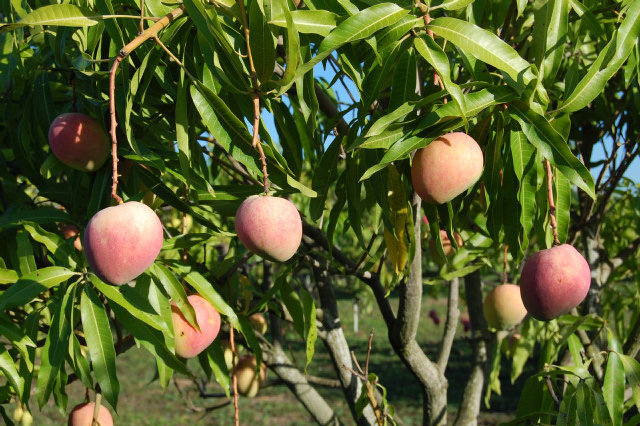
Water young trees deeply during dry spells to establish roots. Mulch around the base to retain moisture and reduce weeds. Protect trees from cold snaps with frost cloth or coverings. Fertilize in early spring and summer using balanced fertilizer. Remove flowers in the first year to strengthen the tree.
Credit: fairchildgarden.org
Harvesting And Flavor
Harvesting mangoes at the right time is key to enjoying their full taste. The flavor of mangoes changes as they ripen on the tree. Picking them too early or too late can affect sweetness and texture. Understanding when to harvest and how to store mangoes helps you enjoy their rich flavors for longer.
When To Harvest
Look for color changes in the mango skin. Most mangoes turn from green to yellow, orange, or red. The fruit should feel slightly soft when gently pressed. Harvesting usually happens between late spring and summer in Florida. Check your mango variety for specific timing. Avoid waiting too long, as overripe mangoes can become mushy.
Flavor Profiles
Florida mangoes offer a range of flavors. Some have a sweet, tropical taste with hints of citrus. Others may have a richer, almost spicy flavor. Varieties like ‘Haden’ are known for their sweet and tangy notes. ‘Kent’ mangoes tend to be sweeter and less fibrous. Each type has a unique flavor, perfect for fresh eating or recipes.
Storage And Usage
Store ripe mangoes at room temperature for a few days. To slow ripening, keep them in the refrigerator. Use mangoes quickly once ripe for the best taste. Mangoes are great in smoothies, salads, salsas, and desserts. You can also dry or freeze them for longer storage. Proper handling keeps flavors fresh and vibrant.
Frequently Asked Questions
Where To Plant A Mango Tree In Florida?
Plant mango trees in Florida’s warmest areas, especially southeast and southwest coasts. Protected spots near Merritt Island and Lake Okeechobee also work well. Choose sunny locations with well-drained soil for best growth and fruit production.
What Mango Varieties Are Disease Resistant In Florida?
Florigon, Haden, and Tommy Atkins mango varieties resist bacterial black spot and fungal diseases in Florida’s humid climate. Choose these for healthier trees.
What Is The Best Tasting Mango Variety?
Alphonso mango ranks best for rich, creamy flavor. Carabao mango is the sweetest, per Guinness World Records. Haden, Keitt, and Nam Doc Mai also taste excellent.
What Zone Is Mango, Florida In?
Mango, Florida is in USDA Hardiness Zone 10b. This zone supports warm-climate plants like mango trees.
Conclusion
Choosing the right mango varieties helps ensure a healthy, fruitful tree. Florida’s climate suits many types, especially those resistant to local diseases. Plant your mango tree in warm, sheltered spots for best growth. Regular care and attention will boost your harvest each season.
Enjoy fresh, juicy mangoes right from your own backyard. Growing mangoes in Florida is rewarding and fun. Start with these top varieties for a tasty success.