Starting your garden for a fall harvest can feel a bit tricky, especially if you’re new to it. Knowing the Best vegetables to plant in summer for fall harvest is key, but it’s easy to get mixed up. You might wonder if it’s too late to start seeds or what plants can handle the heat of summer while still giving you food in cooler months.
Don’t worry, we’ve got you covered. We’ll walk you through everything simply, step by step. Get ready to learn what to plant now for delicious autumn meals.
20 Best Vegetables To Plant In Summer For Fall Harvest
Planning your garden for a fall harvest is a rewarding endeavor. It allows you to extend your growing season and enjoy fresh produce long after the summer heat fades. Many gardeners find it challenging to pinpoint the exact timing and best varieties for this transition.
The key lies in understanding the growth cycles of different vegetables and their tolerance to the residual warmth of late summer and the cooler temperatures of early autumn. This listicle will guide you through selecting and planting the Best vegetables to plant in summer for fall harvest, ensuring a bountiful and delicious autumn bounty for your table.
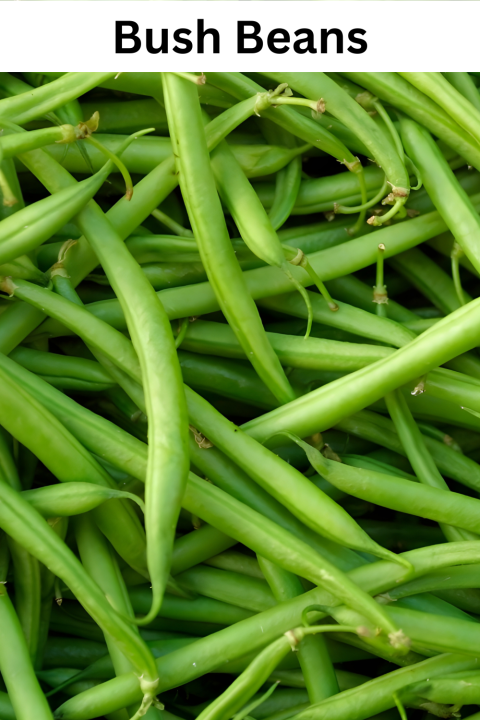
1. Bush Beans
Bush beans are fantastic for summer planting because they mature relatively quickly. You can sow seeds in mid-summer, typically from July through early August, depending on your climate. These plants don’t need support like pole beans, making them easier to manage.
They prefer full sun and well-drained soil. When planting, make sure the soil temperature is warm, usually above 60°F (15°C). After sowing, water them gently.
Keep the soil moist but not waterlogged, especially during dry spells.
For a continuous harvest, consider planting bush beans in successions, meaning you plant a new batch every two to three weeks. This ensures you have a steady supply of beans throughout the early fall. Common varieties include ‘Blue Lake 274’, known for its prolific production, and ‘Provider’, which is disease-resistant and matures quickly.
A real-life example shows a gardener in Zone 6 planting ‘Contender’ bush beans in late July. Despite a hot August, the plants thrived, and by late September, they were yielding a steady stream of crisp green beans. This gardener noted that consistent watering was crucial during the initial heat.
Another gardener in a slightly cooler climate planted ‘Roma II’ bush beans in early August and enjoyed harvests well into October.
Here’s a sample scenario for planting bush beans:
- Check your local frost dates. Aim to plant bush beans about 60-70 days before your first expected fall frost.
- Prepare a sunny spot in your garden with loose, fertile soil.
- Sow seeds about 1 inch deep and 4-6 inches apart.
- Water consistently and watch for seedlings to emerge in about 7-10 days.
Statistics show that most bush bean varieties require around 50-60 days from planting to first harvest. This makes them ideal for a fall crop when planted in summer.
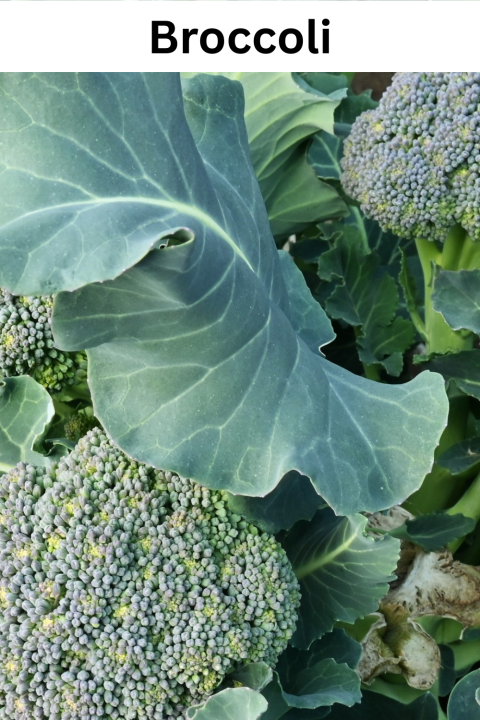
2. Broccoli
Broccoli is a cool-season crop that can be grown for a fall harvest by starting seeds indoors in late spring or early summer. You’ll want to transplant seedlings into your garden about 6-8 weeks before your first fall frost date. Broccoli thrives in cooler weather, so the residual heat of summer will trigger growth, and the cooler fall temperatures will encourage head formation.
It needs fertile, well-drained soil and consistent moisture.
When planting broccoli, ensure it gets at least six hours of sunlight per day. You can also plant young plants directly from a nursery. Space plants about 18-24 inches apart to allow for full growth.
Keep the soil consistently moist, as dry spells can lead to premature flowering or small heads. Mulching around the plants helps retain soil moisture and suppress weeds.
Many gardeners find success with varieties like ‘Calabrese’ or ‘Waltham 29’ for fall crops. These are known for their ability to produce a large main head followed by smaller side shoots, extending the harvest period. Companion planting with herbs like rosemary or thyme can help deter pests such as cabbage worms.
A common challenge with fall broccoli is bolting (prematurely flowering) if temperatures are too high or if it experiences stress. Starting with healthy, robust transplants is key to overcoming this. Providing even moisture and fertile soil greatly increases the chances of success.
Consider this practical tip: If you live in a very hot summer region, you might need to provide some shade for your young broccoli transplants during the hottest part of the day for the first week or two. This helps them establish without stressing too much from the sun.
3. Cabbage
Similar to broccoli, cabbage is a cool-season vegetable that benefits from a summer start for a fall harvest. You can either start seeds indoors 6-8 weeks before you plan to transplant them into the garden, or purchase young plants from a nursery. The ideal transplant time is typically mid-summer, around July or early August, to ensure maturity before the first hard frost.
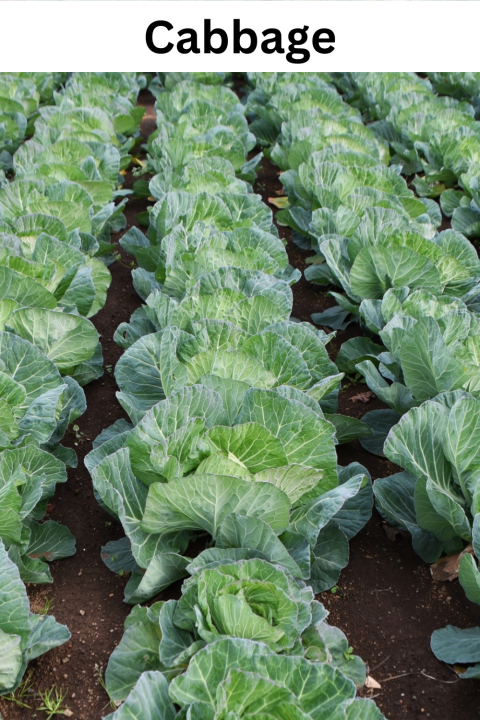
Cabbage prefers full sun but can tolerate partial shade, especially in hotter climates.
Cabbage needs fertile, moist, and well-drained soil. Amending your soil with compost before planting is highly recommended. Space cabbage plants about 18-24 inches apart, depending on the variety, to allow them room to develop large heads.
Keep the soil consistently moist, as fluctuations in watering can lead to cracked heads or stunted growth.
For fall harvests, varieties like ‘Late Flat Dutch’ or ‘Savoy’ cabbage are excellent choices because they mature slower and tend to be more cold-tolerant. These varieties are also generally good for storage. Regularly inspect your plants for pests like cabbage worms and aphids, and address them promptly.
A common issue is slow head development if the weather becomes too cool too early or too hot for too long. Ensuring your plants are well-fed with a balanced fertilizer and have adequate moisture can help them grow steadily. Another helpful tip is to use row covers to protect young plants from early pest infestations.
One gardener successfully grew ‘Early Jersey Wakefield’ cabbage for a fall harvest by planting transplants in late July. They ensured consistent watering and soil fertility. By mid-October, they had firm heads ready for harvest, which lasted through early November.
Statistics show that adequate nitrogen is crucial for cabbage growth, promoting lush foliage necessary for forming a tight head. About 1-2 pounds of actual nitrogen per 100 square feet is often recommended, split between planting and mid-season application.
4. Carrots
Carrots are surprisingly adaptable for a fall harvest. You can plant carrot seeds directly into the ground in mid-summer, typically from late June through August, depending on your region and first frost date. The heat of summer will help the seeds germinate, and the cooler fall weather will sweeten the roots.
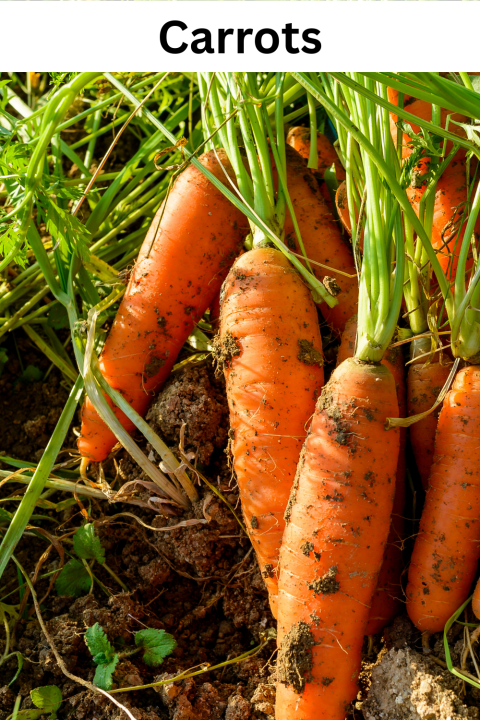
Carrots need loose, well-drained soil free of rocks and heavy clay, as these can cause misshapen roots.
When planting, sow seeds about 1/4 inch deep and thin them to about 2-4 inches apart once they sprout. It’s important to keep the seedbed consistently moist until germination, which can take 10-21 days. Some gardeners recommend covering the seedbed with a light layer of straw or burlap to help retain moisture and provide a more even temperature for germination.
For fall harvests, it’s best to choose shorter-season varieties if your growing window is tight. Varieties like ‘Nantes’ or ‘Chantenay’ are good choices. They tend to be more forgiving of soil conditions and mature in about 60-75 days.
Harvesting carrots in the fall, especially after a light frost, can actually improve their sweetness due to a process called cold-induced sweetening.
A practical tip is to sow seeds slightly thicker than needed and then thin them out. This ensures you get a good stand even if some seeds don’t germinate. Also, remember that carrots are root vegetables, so ensure there are no obstructions in the soil where they will grow.
One gardener in Zone 5 planted ‘Danvers 126’ carrots in early August. They kept the soil moist and were rewarded with sweet, flavorful carrots ready for harvest in late October, just before the ground froze. They found that the cooler fall air really made a difference in the flavor.
A common mistake is planting in compacted or rocky soil, which leads to forked or stunted carrots. Ensuring deep, loose soil is vital. Also, remember that carrot seeds can lose viability quickly, so use fresh seeds for best germination rates.
5. Collard Greens
Collard greens are incredibly tolerant of heat and cold, making them one of the Best vegetables to plant in summer for fall harvest. You can sow seeds directly in the garden from early summer through late summer, usually until about 60-80 days before your first frost. Collards thrive in full sun but can also handle some partial shade, especially in hotter regions.
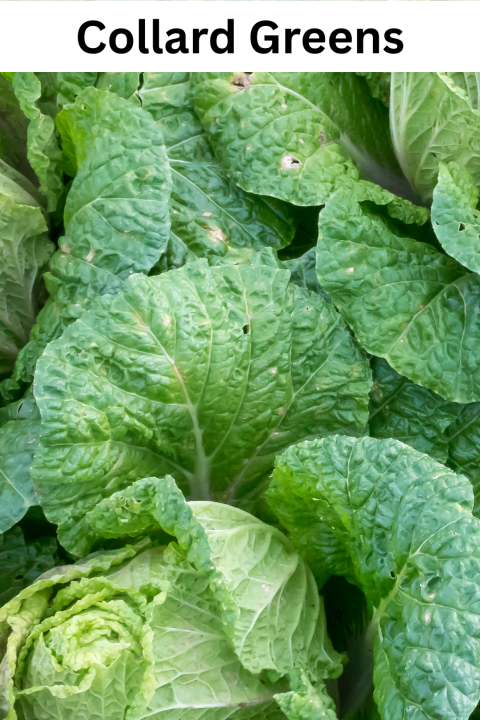
They prefer fertile, well-drained soil rich in organic matter.
When planting, space collard plants about 12-18 inches apart. They grow into large, bushy plants. Water them regularly, especially during dry periods, as consistent moisture is crucial for tender leaves.
You can begin harvesting outer leaves once the plants are established, allowing the inner leaves to continue growing. This provides a continuous supply.
Collard greens actually taste sweeter and more tender after they have experienced a light frost. The cold weather triggers the plant to convert starches into sugars, improving flavor. Varieties like ‘Georgia Southern’ or ‘Vates’ are popular for their hardiness and flavor.
A key to success with collards is proper soil preparation. Amending the soil with compost or well-rotted manure will provide the nutrients they need for steady growth. Keeping them well-watered prevents them from becoming tough or bitter.
For pest control, look out for cabbage worms and loopers, which can be managed with organic methods like Bt (Bacillus thuringiensis).
Here’s a sample scenario for planting collards:
- Check your average first frost date.
- In mid-summer, sow collard seeds about 1/2 inch deep in your prepared garden bed.
- Water regularly and thin seedlings to 12-18 inches apart.
- Harvest outer leaves as needed, allowing the plant to keep producing.
A study on leafy greens indicated that certain cold snaps can enhance the palatability of greens like collards by increasing sugar content. This is why fall-harvested collards are often preferred by many cooks.
6. Cucumbers
While cucumbers are typically a summer crop, you can plant certain varieties in mid-summer for a late summer or early fall harvest. The key is to choose quick-maturing varieties. You’ll want to sow seeds about 50-65 days before your first expected fall frost.
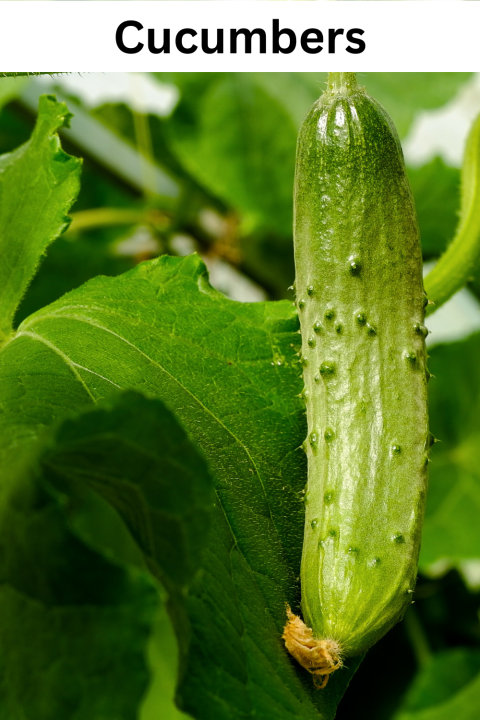
Cucumbers need warm soil to germinate and grow, so planting in July or even early August in some regions is possible.
Cucumbers thrive in full sun and rich, well-drained soil. They are heavy feeders, so adding compost or aged manure to the planting area is beneficial. You can grow them on the ground or on trellises, with trellising being an excellent way to save space and keep the fruit clean.
Water consistently, especially when the plants are flowering and fruiting, as dryness can lead to bitter-tasting cucumbers or blossom end rot.
For a fall crop, consider bush varieties or compact vining types. ‘Spacemaster’ is a popular bush variety that matures quickly. If you have a bit more space, ‘Marketmore 76’ is a reliable vining cucumber that produces well into the fall.
Regular harvesting is essential, as picking cucumbers regularly encourages the plant to produce more fruit.
A common mistake is planting too late or not providing enough water. If your summer is very hot, the plants might struggle initially, but as temperatures cool slightly in late summer/early fall, they can often rebound and produce well. Be watchful for powdery mildew, a common fungal disease that affects cucumber leaves in humid conditions.
One gardener in a zone 7b climate planted ‘Straight Eight’ cucumbers in early July. They trellised the vines and watered them daily. By September, they were still picking cucumbers, enjoying them in salads and for pickles until the first frost in mid-October.
Statistics show that consistent soil moisture is critical for cucumber development. Fluctuations can cause the fruit to become misshapen or develop poor texture. Aim for at least 1 inch of water per week, more during hot, dry spells.
7. Eggplant
Eggplant is a warm-season crop that needs a long growing season, but by starting seeds indoors or buying transplants in late spring or early summer, you can ensure a harvest before the fall frost. You want to plant your eggplant seedlings into the garden when the soil has warmed up considerably and all danger of frost has passed. This usually means planting in May or early June for most regions.
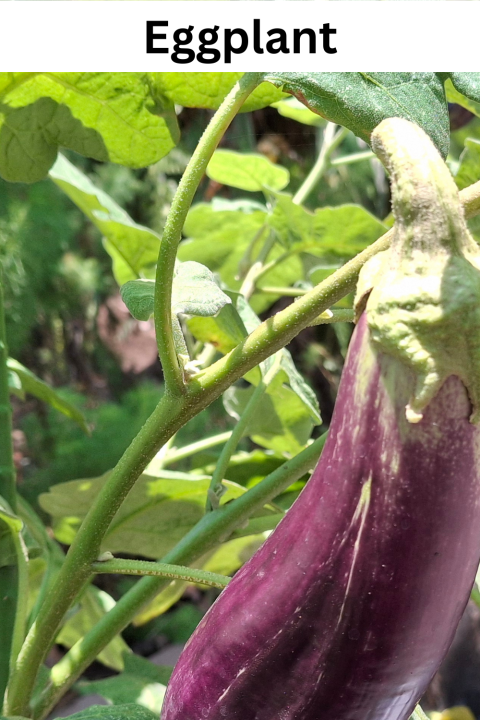
Eggplants thrive in full sun and rich, well-drained soil. They are heavy feeders and benefit from plenty of compost. Space plants about 2-3 feet apart, as they can grow quite large.
Consistent watering is essential, especially during flowering and fruiting. Mulching around the plants helps retain soil moisture and keeps the fruit clean.
For a fall harvest, it’s crucial to select early-maturing varieties if your growing season is shorter. Varieties like ‘Black Beauty’, ‘Ichiban’ (a Japanese variety), or ‘Little Fingers’ are good choices. The plants will continue to produce until the first hard frost.
You might want to harvest slightly smaller eggplants as they mature faster, giving you more chances to pick fruit before the season ends.
A common issue is inconsistent fruiting due to temperature fluctuations. Eggplants prefer daytime temperatures between 70-85°F (21-29°C) and nighttime temperatures above 60°F (15°C). If temperatures drop too low, fruit set can be affected.
Protecting plants from strong winds is also a good idea, as they can be brittle.
One experienced gardener in Zone 8b planted ‘Milano’ eggplant transplants in early June. They provided consistent watering and fed the plants with a balanced organic fertilizer every few weeks. By late August and into September, they had a steady supply of glossy purple eggplants ready for slicing and frying.
It’s estimated that eggplant plants require about 70-100 days to maturity from transplanting, depending on the variety and conditions. This is why starting early is essential for ensuring a fall crop.
8. Garlic
Garlic is typically planted in the fall for a summer harvest the following year, but you can also plant ‘softneck’ garlic varieties in early spring for a late summer or early fall harvest in some climates. However, for the most reliable fall crop, consider planting garlic in the summer for a harvest in the following spring. If you want to plant specifically for a harvest this fall, spring planting is your only option for that year, and it’s best done as early as possible, ideally right after the last frost.
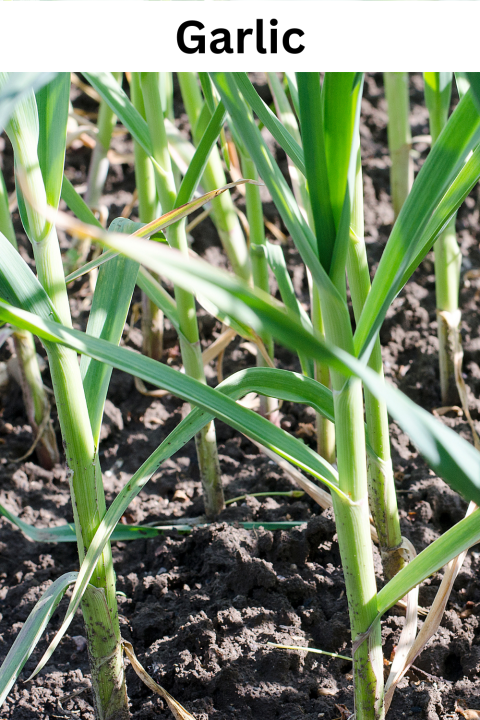
Garlic needs well-drained soil that is fertile and has a pH of around 6.0-7.0. When planting, separate the garlic bulb into individual cloves, keeping the papery skin intact. Plant the cloves pointed-end up, about 4-6 inches apart and 1-2 inches deep.
Full sun is ideal.
For a fall harvest from a spring planting, you’ll be looking for smaller bulbs or even ‘green garlic’ (which is harvested when the stalks are still green and is milder). For a larger bulb harvest, it’s more typical to plant in the fall for a harvest the following summer. If planting in spring for a fall harvest, choose ‘softneck’ varieties, which are generally more adaptable to spring planting than ‘hardneck’ types.
A common mistake when planting garlic in spring for a fall harvest is expecting large bulbs. Spring-planted garlic often results in smaller bulbs compared to fall-planted garlic. Ensure consistent watering throughout the growing season.
Weeding is also important, as garlic does not compete well with weeds.
One gardener in Zone 7 planted garlic cloves in late March. They kept the plants watered and weeded. By late August, they were able to harvest some smaller bulbs, which were perfect for immediate use in cooking.
They found it was a good way to get some garlic from their garden that year.
While fall planting is standard for large bulbs, spring planting can yield usable garlic. A key consideration is the ‘vernalization’ requirement for some garlic types, where they need a cold period to bulb properly. This is why fall planting is generally preferred.
9. Kale
Kale is a champion of cool-season gardening and is incredibly forgiving, making it one of the Best vegetables to plant in summer for fall harvest. You can sow kale seeds directly into the garden from early summer through late summer, about 6-8 weeks before your first fall frost. Kale actually improves in flavor after a frost, becoming sweeter and more tender.
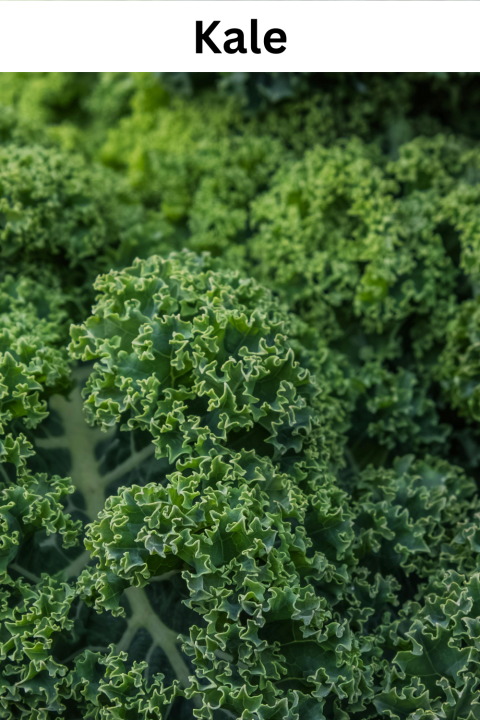
It prefers full sun but can tolerate partial shade, especially in hotter summer climates.
Kale thrives in fertile, well-drained soil. Amend your garden bed with plenty of compost before planting. Space plants about 10-15 inches apart, as they can grow quite large.
Keep the soil consistently moist, as dry spells can lead to tough, bitter leaves. Mulching around the plants helps retain moisture and keep the soil cool.
Many varieties of kale are well-suited for fall harvests, including ‘Lacinato’ (Dinosaur kale), ‘Curly Scarlet’, and ‘Red Russian’. These varieties are known for their cold hardiness and excellent flavor after frost. You can begin harvesting outer leaves once the plants are about 6 inches tall, allowing the inner leaves to continue growing for a prolonged harvest.
A common challenge is pest pressure, especially from cabbage worms and aphids. Regularly inspect your plants and use organic controls like neem oil or insecticidal soap if needed. Ensuring good air circulation around the plants can also help prevent fungal diseases.
Here’s a sample scenario for planting kale:
- Determine your first fall frost date.
- In mid-summer, sow kale seeds about 1/2 inch deep in fertile soil.
- Water well and thin seedlings to 10-15 inches apart.
- Harvest outer leaves as they mature, leaving the center to continue growing.
Kale is packed with nutrients like Vitamin K, Vitamin A, and Vitamin C. Its ability to withstand cold means you can enjoy harvests well into late autumn.
10. Kohlrabi
Kohlrabi is a fast-growing, cool-season crop that is perfect for a summer planting to ensure a fall harvest. You can sow kohlrabi seeds directly into the ground from mid-summer until about 6-8 weeks before your first fall frost. It prefers full sun but can grow in partial shade.
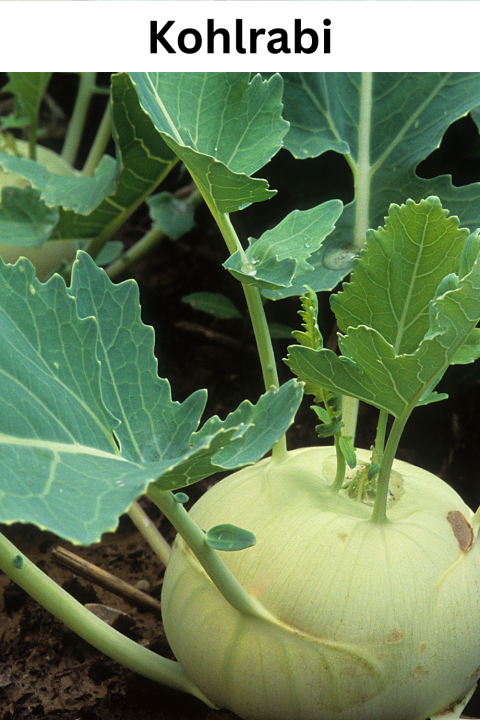
This vegetable thrives in cooler temperatures, making it ideal for the transition from summer to fall.
Kohlrabi needs fertile, well-drained soil that is rich in organic matter. Amend your soil with compost before planting. Sow seeds about 1/2 inch deep and thin the seedlings to about 4-6 inches apart once they have a few true leaves.
Consistent watering is important to prevent the swollen stem (the part you eat) from becoming woody or fibrous.
The ‘swollen stem’ of kohlrabi is typically ready to harvest when it’s about 2-4 inches in diameter. Don’t let it get too large, as it can become tough. Varieties like ‘Early White Vienna’ and ‘Purple Vienna’ are popular and mature in about 45-60 days, making them excellent candidates for a quick fall crop.
A key to successful kohlrabi is consistent moisture and relatively quick growth. Stresses like drought or extreme heat can cause the swollen stem to become hard. Planting in a location that receives morning sun and afternoon shade can be beneficial in hotter climates.
Watch for flea beetles, which can chew small holes in the leaves; row covers can offer protection.
One gardener in Zone 6 planted ‘Purple Vienna’ kohlrabi in early August. They ensured the soil was moist and rich. By late September, they were harvesting crisp, flavorful kohlrabi, which they enjoyed raw in salads and lightly steamed.
The edible part of kohlrabi is the swollen, bulb-like stem that grows above the ground. It has a flavor often described as a mix between cabbage and turnip but milder and sweeter.
11. Lettuce
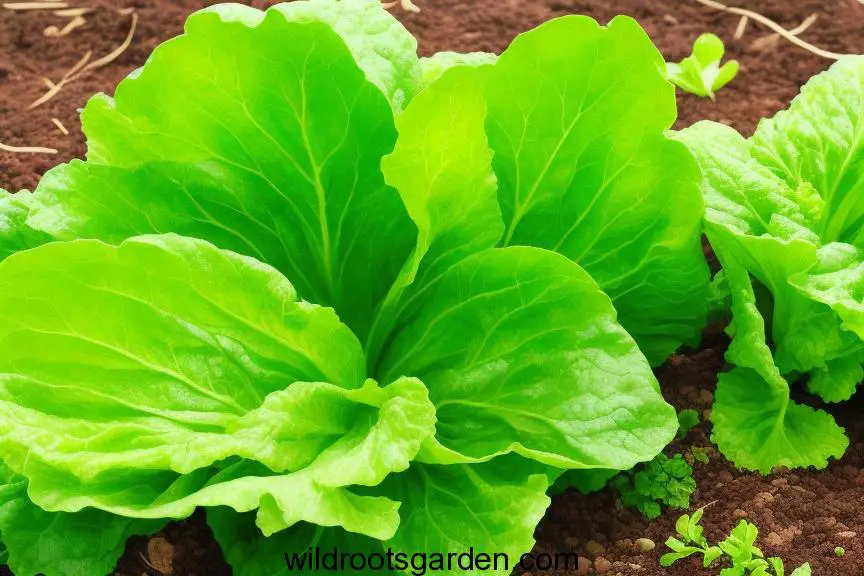
Lettuce is a classic cool-season crop that can be grown for a fall harvest by planting seeds in mid- to late summer. Many types of lettuce, especially loose-leaf varieties, can be sown from July through September, depending on your climate and first frost date. The key is to provide some shade during the hottest part of the summer if you are planting early in this window, as heat can cause lettuce to bolt (go to seed) and become bitter.
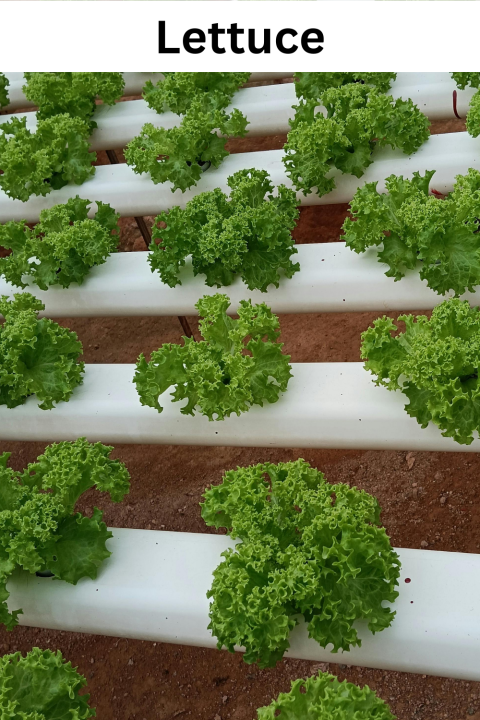
Lettuce prefers fertile, well-drained soil that retains moisture. Amending the soil with compost is beneficial. Sow seeds thinly about 1/4 inch deep.
For loose-leaf varieties, you can plant them closer together and harvest by picking the outer leaves. For head lettuce, space plants about 8-12 inches apart.
Many loose-leaf varieties are excellent for fall, such as ‘Black Seed Simpson’, ‘Oakleaf’, and ‘Red Sails’. Romaine and butterhead types can also do well if they have a bit of shade. If your summer is particularly hot, consider planting heat-tolerant varieties or waiting until late August to sow for a harvest in cooler fall weather.
A common challenge is preventing lettuce from bolting in early summer heat. Using shade cloth or planting in a spot that gets morning sun and afternoon shade can help. Consistent watering is also crucial; dry soil will stress the plants and encourage bolting.
Be aware of pests like slugs and snails, which can damage tender lettuce leaves.
Here’s a sample scenario for planting lettuce:
- Check your first fall frost date.
- In late summer (August or early September), sow lettuce seeds in a well-prepared garden bed.
- Keep the soil moist and provide light shade if daytime temperatures are still high.
- Harvest outer leaves as they grow, or harvest whole heads when mature.
Many lettuce varieties mature in 45-60 days. This quick turnaround makes them perfect for filling in gaps in the garden or for succession planting to ensure a continuous harvest.
12. Mustard Greens
Mustard greens are wonderfully fast-growing and cold-tolerant, making them an excellent choice for a summer planting that yields a fall harvest. You can sow mustard green seeds directly into the garden from early summer through late summer, typically up to about 4-6 weeks before your first fall frost. They prefer full sun but can tolerate partial shade.
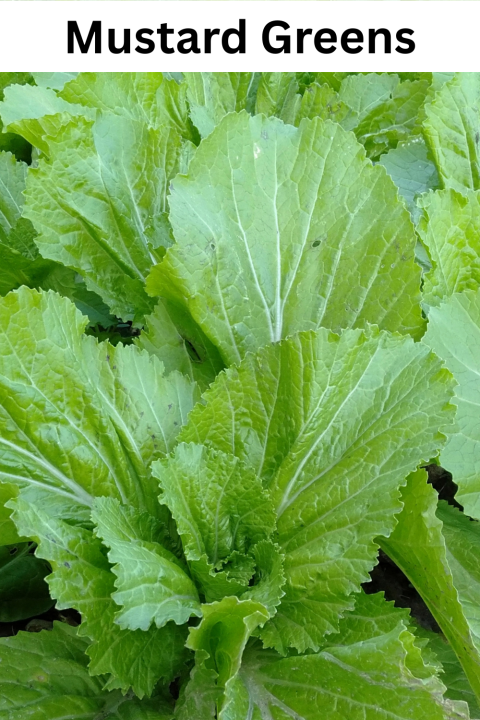
Mustard greens thrive in fertile, moist, well-drained soil. Amend your soil with compost before planting. Sow seeds about 1/4 inch deep and thin them to about 4-6 inches apart.
They grow quickly, and younger leaves are more tender and less pungent. For a continuous harvest, plant in successions every few weeks.
Many varieties offer distinct flavors and textures. ‘Southern Giant Curled’ is a popular, vigorous variety. ‘Red Giant’ offers beautiful red-veined leaves and a milder flavor.
The heat of summer might make the flavor spicier, but as temperatures cool, the leaves tend to become milder and sweeter.
A key to success is consistent watering. Dry conditions can make the greens very spicy. Also, watch out for common brassica pests like flea beetles and cabbage worms.
Row covers can provide protection for young plants. Because they grow so fast, they are generally less susceptible to major pest problems.
One gardener in Zone 5 planted ‘Florida Broadleaf’ mustard greens in late July. They were pleasantly surprised by how quickly the plants grew, even with the lingering summer heat. By mid-September, they were harvesting tender, flavorful greens that held up well in stir-fries and added a nice kick to soups.
Mustard greens are nutrient-dense, containing vitamins A, C, and K, as well as calcium and antioxidants. Their rapid growth and tolerance to cooler weather make them a reliable fall crop.
13. Onions (Bulbing Varieties for Overwintering)
While most bulbing onions are planted in spring or fall, you can plant short-day or intermediate-day onion sets (small onion bulbs) in late summer for a very early spring harvest the following year. This is a different approach than planting for a fall harvest, but it utilizes the summer planting window. If you want onions to harvest this fall, it’s best to plant short-season varieties in spring or early summer, or focus on green onions.
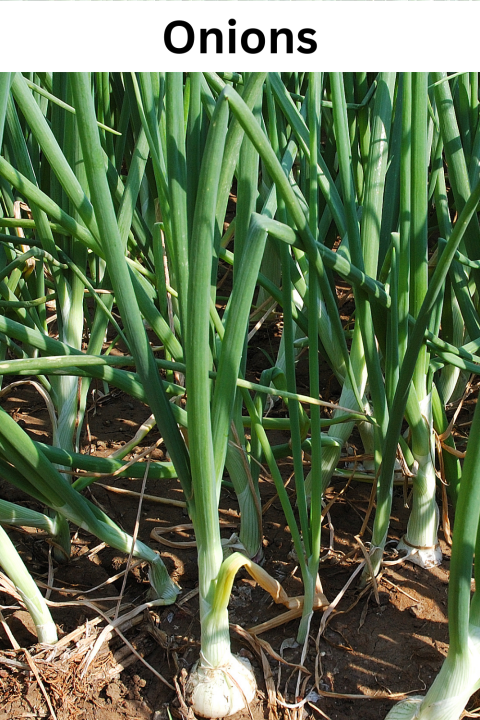
For green onions (scallions), you can sow seeds or sets throughout the summer. They grow quickly and can be harvested when they reach your desired size. For bulbing onions that you plant in summer for a fall harvest, you’re typically looking at onion sets, not seeds, and focusing on varieties specifically suited for rapid growth.
These are less common for a full bulb harvest this year compared to spring planting.
Onions need full sun and fertile, well-drained soil. They also require consistent moisture, especially during bulb formation. For green onions, you can plant them closer together.
For bulbing onions, spacing depends on the variety and desired bulb size.
A common mistake is planting long-day varieties in short-day regions, or vice versa, which will affect bulb formation. If aiming for a fall harvest of bulbing onions, start with sets of short-season varieties as early in summer as possible. Otherwise, focus on green onions, which are much more forgiving for summer planting and fall harvesting.
Let’s consider green onions as a more practical summer-planted fall harvest option. You can sow seeds or plant sets every few weeks in summer. By fall, you’ll have a continuous supply of fresh green onions for your kitchen.
A gardener in Zone 7 planted ‘Evergreen Hardy White’ green onion seeds in late June. They kept the patch watered. By September, they were harvesting fresh green onions regularly, enjoying them in salads and as a garnish.
This provided a reliable source of fresh alliums throughout the fall.
Onions are generally considered to be ready for harvest when the tops begin to yellow and fall over. For green onions, you harvest them before the bulb starts to form significantly.
14. Peas (Certain Varieties)
While peas are typically a spring crop, some varieties can be planted in late summer for a fall harvest. This is often referred to as a “second crop.” You’ll need to select fast-maturing and cool-tolerant varieties. The planting window is generally from mid-summer to early fall, about 6-8 weeks before your first frost date.
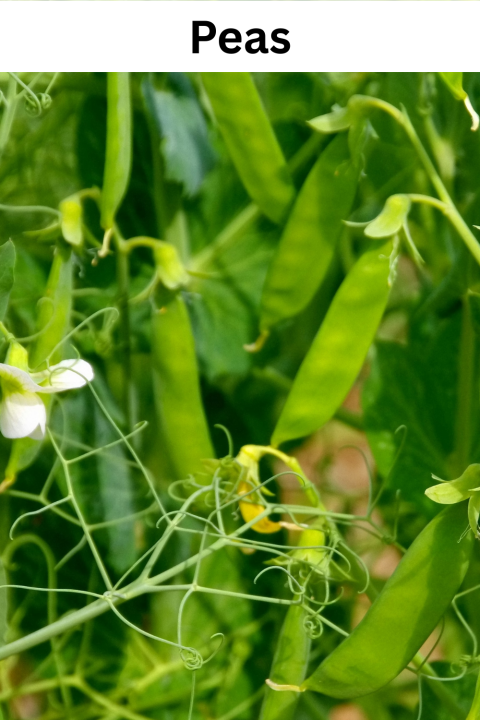
Peas prefer cooler weather, so planting them to mature as the temperatures drop is ideal.
Peas need well-drained soil and full sun, though they can benefit from some afternoon shade during the hottest part of late summer if planted early in the window. They are legumes and fix nitrogen in the soil, so they don’t need heavily fertilized soil, but good organic matter is beneficial. Provide support for climbing varieties with trellises or netting.
For fall planting, choose varieties known for quick maturity and cold tolerance. ‘Little Marvel’, ‘Green Arrow’, and ‘Sugar Snap’ peas are good options, as they can often mature quickly enough for a fall harvest. The cooler fall temperatures can actually enhance the sweetness of peas.
A common issue with fall peas is germination problems if planted too early in hot summer soil, or if temperatures drop too quickly. Ensure the soil is moist but not waterlogged. Pests like aphids can sometimes be a problem, but a strong spray of water can often dislodge them.
Some gardeners use row covers to protect young plants from early pests and provide a slightly warmer microclimate.
Here’s a sample scenario for planting peas:
- Determine your first fall frost date.
- In late summer (August or early September), sow pea seeds about 1 inch deep.
- Provide support for climbing varieties.
- Keep the soil consistently moist and harvest peas as they mature.
A statistic indicates that many pea varieties require between 50-70 days to maturity, making a late summer planting feasible for a fall crop in many regions.
15. Peppers (Both Sweet and Hot)
Peppers are warm-season plants that need a long, hot growing season. To ensure a fall harvest, you must start seeds indoors 6-8 weeks before the last spring frost, or purchase transplants in late spring/early summer. They are typically planted into the garden after all danger of frost has passed and the soil has warmed up, usually in May or early June.
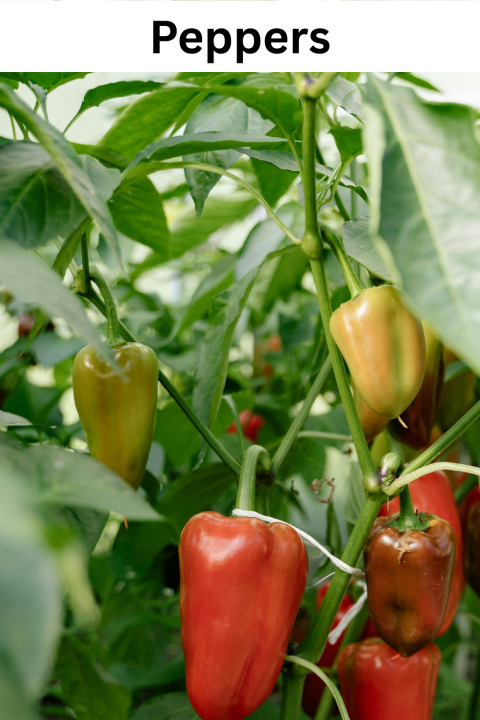
This allows them ample time to produce fruit before the first fall frost.
Peppers thrive in full sun and rich, well-drained soil. They are heavy feeders, so amending the soil with compost is crucial. Space plants about 18-24 inches apart, depending on the variety, as they can become quite bushy.
Consistent watering is important, especially during flowering and fruit set. Avoid overhead watering late in the day, which can encourage fungal diseases.
For a fall harvest, selecting earlier-maturing varieties is key, especially if your growing season is shorter. Sweet pepper varieties like ‘California Wonder’ or ‘King of the North’ are good choices. For hot peppers, consider ‘Jalapeno’ or ‘Cayenne’.
As the weather cools in fall, the ripening process can slow down, but the plants will continue to produce until a hard frost.
A common problem is blossom end rot, often caused by inconsistent watering. Ensuring adequate calcium in the soil and consistent moisture helps prevent this. Peppers can also be susceptible to aphids and other pests, so regular inspection is recommended.
You might also need to stake taller pepper plants to support the weight of the fruit.
One gardener in Zone 7b planted ‘Bell Boy’ sweet pepper transplants in early June. They kept them well-watered and fertilized. By September, they were harvesting ripe bell peppers, and the plants continued to produce smaller, immature peppers until a light frost in late October.
Peppers generally require 60-90 days from transplanting to the first harvest, depending on the type and variety. This makes timing your planting carefully essential for a successful fall yield.
16. Potatoes
While potatoes are typically a spring-planted crop for a summer harvest, certain early-maturing varieties can be planted in mid-summer for a late fall harvest. This is often called a “second crop” or “fall crop” in regions with longer growing seasons. You’ll want to plant seed potatoes specifically suited for this purpose, usually about 60-90 days before your first fall frost.
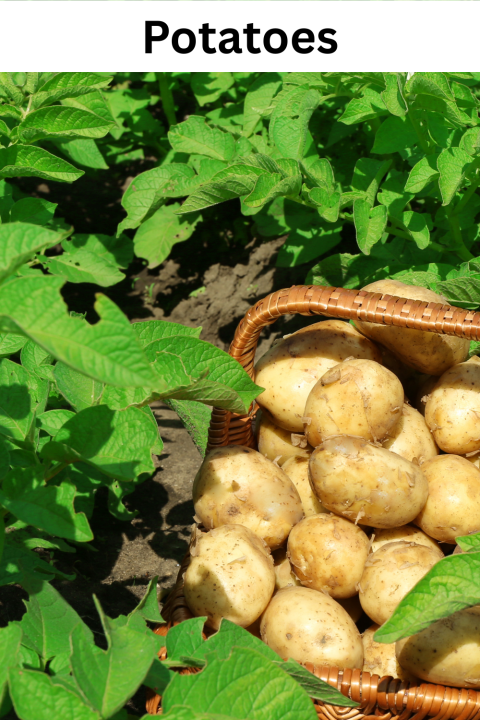
Potatoes need loose, well-drained soil, preferably with a slightly acidic pH (5.0-6.5). They also require full sun. When planting, cut larger seed potatoes into pieces, each with at least one or two “eyes.” Plant them about 4 inches deep and 12 inches apart.
As the plants grow, “hill” them by mounding soil around the stems to encourage more tuber development and protect developing potatoes from sunlight (which can turn them green and toxic).
For a fall harvest, look for early-maturing varieties like ‘Yukon Gold’ or ‘Red Norland’, which can mature faster. Planting in July or early August, depending on your frost date, is crucial. Consistent watering is vital, especially during tuber formation.
Avoid overwatering, which can lead to rot.
A common challenge is ensuring the seed potatoes are disease-free. Use certified seed potatoes to minimize the risk of introducing soil-borne diseases. Also, protect the plants from early frosts if possible, as frost can damage the foliage and slow tuber development.
Harvesting can be done by carefully digging around the plant to check for mature tubers.
Here’s a sample scenario for planting potatoes:
- Determine your first fall frost date.
- In mid-summer (July or early August), plant seed potato pieces about 4 inches deep.
- Hill the plants as they grow.
- Water consistently and harvest mature potatoes before the ground freezes.
A key statistic is that most potato varieties need around 70-120 days from planting to harvest. Fall crops must be selected to fit within this window before the first killing frost.
17. Radishes
Radishes are incredibly fast-growing, cool-season vegetables, making them one of the Best vegetables to plant in summer for fall harvest. You can sow radish seeds directly into the garden from early summer through late summer, usually until about 3-4 weeks before your first fall frost. They thrive in cooler weather and can tolerate some heat if planted carefully, but prefer to mature as temperatures cool.
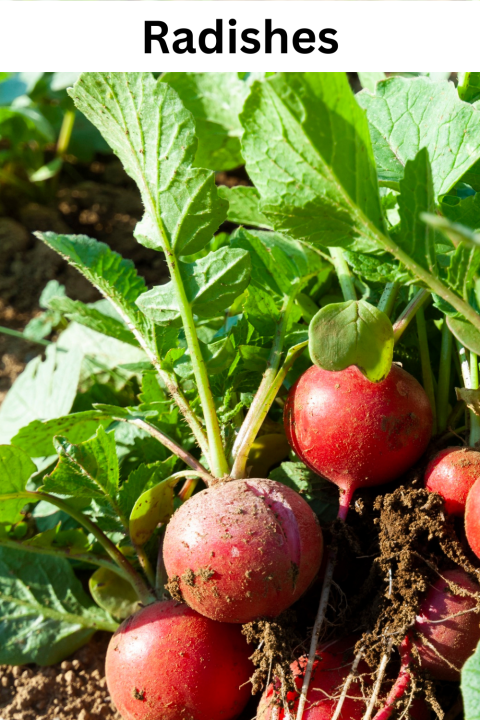
Radishes need loose, well-drained soil rich in organic matter. Sow seeds about 1/2 inch deep and thin them to about 1-2 inches apart once they sprout. Consistent watering is crucial; dry soil will result in hot, woody, or split radishes.
They grow so quickly that they can often escape major pest problems.
Many varieties are suitable for fall planting. ‘Cherry Belle’ is a classic, round red radish that matures in about 25 days. ‘French Breakfast’ is an oblong red-tipped white radish that is also quick to mature.
For a slightly longer season, ‘Icicle’ is a white, elongated variety that takes a few more days but is quite reliable.
A common mistake is planting too late, or not thinning them adequately, leading to small, crowded roots. If planted too early in the summer heat, they may bolt instead of forming good roots. Planting in partial shade during the hottest part of the day can help if you’re planting in early to mid-summer.
One gardener in Zone 4 planted ‘Sparkler’ radishes in early August. They kept the soil moist. Within three weeks, they were harvesting crisp, flavorful radishes that were perfect for adding to salads and sandwiches.
This provided a refreshing addition to their fall produce.
Radishes are known for their rapid growth cycle, with some varieties ready to harvest in as little as 25-30 days from sowing. This speed makes them ideal for succession planting and for filling in gaps in the garden.
18. Spinach
Spinach is a quintessential cool-season crop that thrives in cooler temperatures, making it perfect for a fall harvest. You can sow spinach seeds directly into the garden from mid-summer through early fall, typically about 6-8 weeks before your first frost date. It prefers full sun but can tolerate partial shade, especially if planted during the warmer parts of late summer.
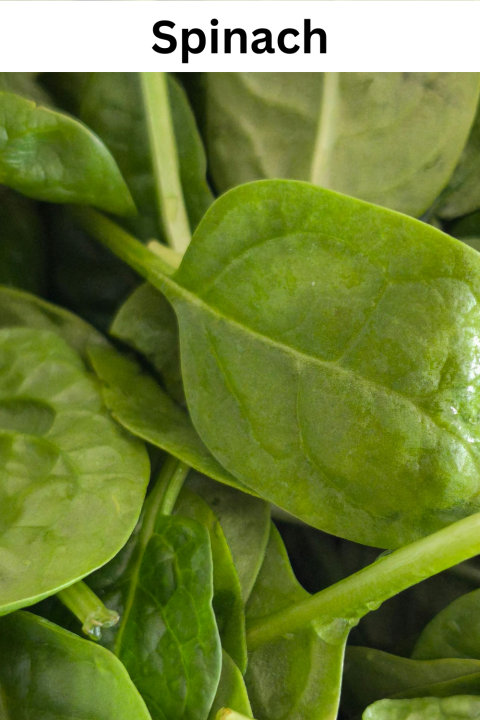
Spinach needs fertile, well-drained soil that retains moisture. Amending the soil with compost before planting is highly recommended. Sow seeds about 1/2 inch deep and thin them to about 4-6 inches apart once they sprout.
Consistent watering is crucial to prevent bolting and keep the leaves tender. Mulching can help retain soil moisture and keep the roots cool.
Many spinach varieties do well for fall harvests. ‘Bloomsdale Long Standing’ is a popular choice for its bolt resistance and productivity. ‘Tyee’ is another excellent option known for its fast growth and good flavor.
The cooler temperatures of fall actually enhance the sweetness of spinach leaves.
A common challenge is bolting if temperatures are too high or if the plant experiences drought stress. Planting heat-tolerant varieties or providing some shade can help. Pests like leaf miners can sometimes be an issue; row covers can offer protection for young plants.
You can begin harvesting outer leaves once the plants are about 4 inches tall, allowing the inner leaves to continue growing.
Here’s a sample scenario for planting spinach:
- Determine your first fall frost date.
- In mid- to late summer, sow spinach seeds about 1/2 inch deep in fertile, moist soil.
- Keep the soil consistently watered and thin seedlings as needed.
- Harvest outer leaves as they grow, or harvest whole plants when mature.
Spinach is a nutritional powerhouse, rich in iron, vitamins A, C, and K. Its ability to grow quickly in cooler weather makes it a reliable and healthy addition to any fall garden.
19. Swiss Chard
Swiss chard is a remarkably versatile and hardy green that is excellent for both summer and fall harvests. You can sow seeds directly into the garden from early summer through late summer, usually up to about 6-8 weeks before your first fall frost. Chard tolerates heat better than many other greens and also withstands cooler fall temperatures, often improving in flavor after a light frost.
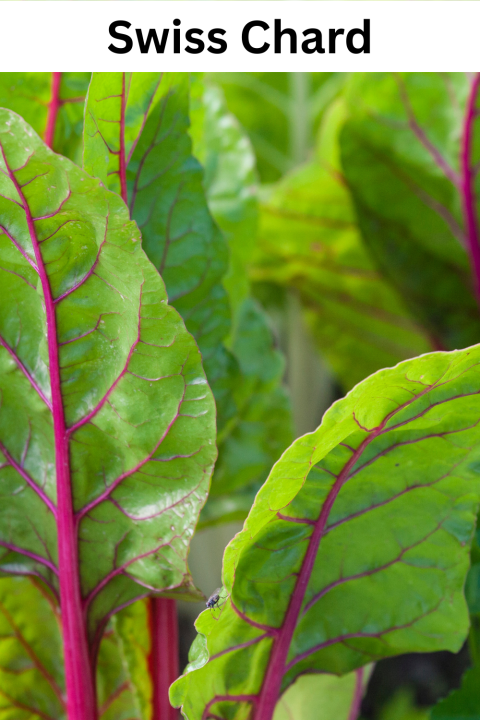
Chard thrives in fertile, well-drained soil. Amend your soil with compost or aged manure before planting. Sow seeds about 1/2 inch deep and thin seedlings to about 6-10 inches apart, as they grow into substantial plants.
Consistent watering is important, especially during hot spells, to keep the leaves tender and prevent them from becoming tough or bitter.
Almost any Swiss chard variety will work for a fall harvest. Popular choices include ‘Bright Lights’ for its colorful stems, ‘Fordhook Giant’ for its large, dark green leaves, and ‘Ruby Chard’ for its striking red stems. You can begin harvesting outer leaves once the plants are about 6 inches tall, allowing the inner leaves to continue growing for a continuous harvest.
A key to success with Swiss chard is consistent moisture and rich soil. It’s generally quite disease-resistant but can attract some pests like leaf miners or aphids. Regular harvesting encourages more growth.
If temperatures drop significantly in late fall, chard can often survive light frosts, providing harvests well into autumn.
One gardener in Zone 5 planted ‘Bright Lights’ Swiss chard in early July. They kept it watered and fertilized. By September, the plants were producing a steady supply of colorful, tender leaves.
They continued to harvest from it until a hard freeze in late October.
Swiss chard is a nutritional powerhouse, packed with vitamins A, C, and K, as well as minerals like magnesium and potassium. Its adaptability makes it a staple for extending the harvest season.
20. Turnips
Turnips are fast-growing root vegetables that are excellent for a fall harvest. You can sow turnip seeds directly into the garden from mid-summer through early fall, typically about 6-8 weeks before your first fall frost. They prefer cooler weather to develop good roots and sweet flavor, making them ideal for maturing as summer ends and fall begins.
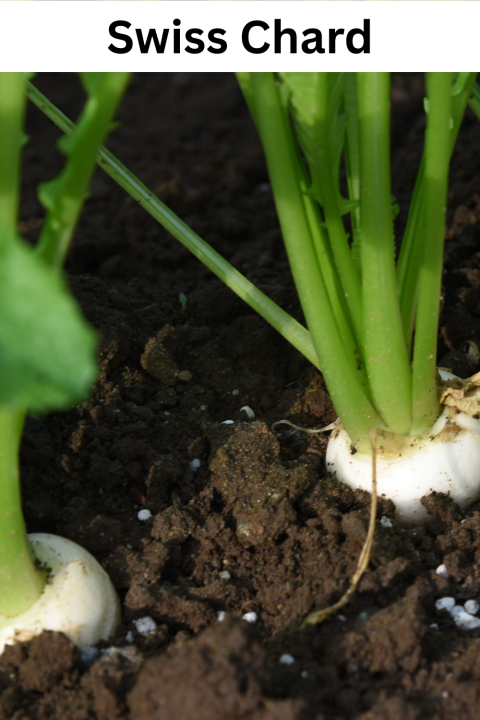
Turnips need loose, well-drained soil rich in organic matter. Sow seeds about 1/2 inch deep and thin them to about 2-4 inches apart once they have a few true leaves. Consistent watering is crucial for developing tender, flavorful roots and preventing them from becoming woody or too spicy.
They are generally quick to mature, with many varieties ready in 40-60 days.
For fall harvests, choose quick-maturing varieties. ‘Purple Top White Globe’ is a classic, reliable choice. ‘Tokyo’ is another early variety that produces small, sweet roots.
You can also harvest the greens; they are edible and nutritious, similar to mustard greens or kale, and often taste best after a light frost.
A common mistake is allowing the roots to get too large, which can lead to a tough texture and strong flavor. Harvest them when they reach the desired size, typically 2-4 inches in diameter. If planted too early in hot summer weather, they may bolt rather than form good roots.
Planting in partial shade can help if you’re planting in early to mid-summer.
Here’s a sample scenario for planting turnips:
- Determine your first fall frost date.
- In mid- to late summer, sow turnip seeds about 1/2 inch deep in fertile soil.
- Keep the soil consistently moist and thin seedlings to 2-4 inches apart.
- Harvest roots when they reach the desired size, typically 2-4 inches in diameter.
Turnips are a great crop because both the roots and the greens are edible and nutritious. Their quick maturity makes them a fantastic option for filling in garden spaces or for a quick turnaround crop before the weather gets too cold.
Frequently Asked Questions
Question: What is the best time to plant for a fall harvest
Answer: The best time to plant for a fall harvest is usually in mid-summer, about 6-8 weeks before your first expected frost date. This gives plants enough time to mature before the weather gets too cold.
Question: Do I need to use special seeds for fall crops
Answer: Not always. Many standard vegetable varieties work well. However, choosing quick-maturing or cold-tolerant varieties can increase your chances of success, especially if your growing season is shorter.
Question: What if my summer is very hot
Answer: If your summer is very hot, consider planting in late summer when temperatures start to cool slightly. For early summer plantings, provide shade cloth or plant in a location that gets afternoon shade. Consistent watering is also crucial.
Question: Can I plant seeds directly in the ground for fall harvest
Answer: Yes, for many vegetables like beans, radishes, spinach, and root vegetables, direct sowing seeds in mid-summer is the most common and effective method for a fall harvest.
Question: How do I know when to harvest my fall vegetables
Answer: Harvest times vary by vegetable. Generally, harvest when the produce reaches maturity or the size you prefer. Many fall crops, like kale and collards, taste even better after a light frost.
Final Thoughts
Planting the Best vegetables to plant in summer for fall harvest is achievable with simple planning. Focus on varieties suited for cooler weather and remember consistent watering. You can enjoy fresh, delicious produce well into autumn.