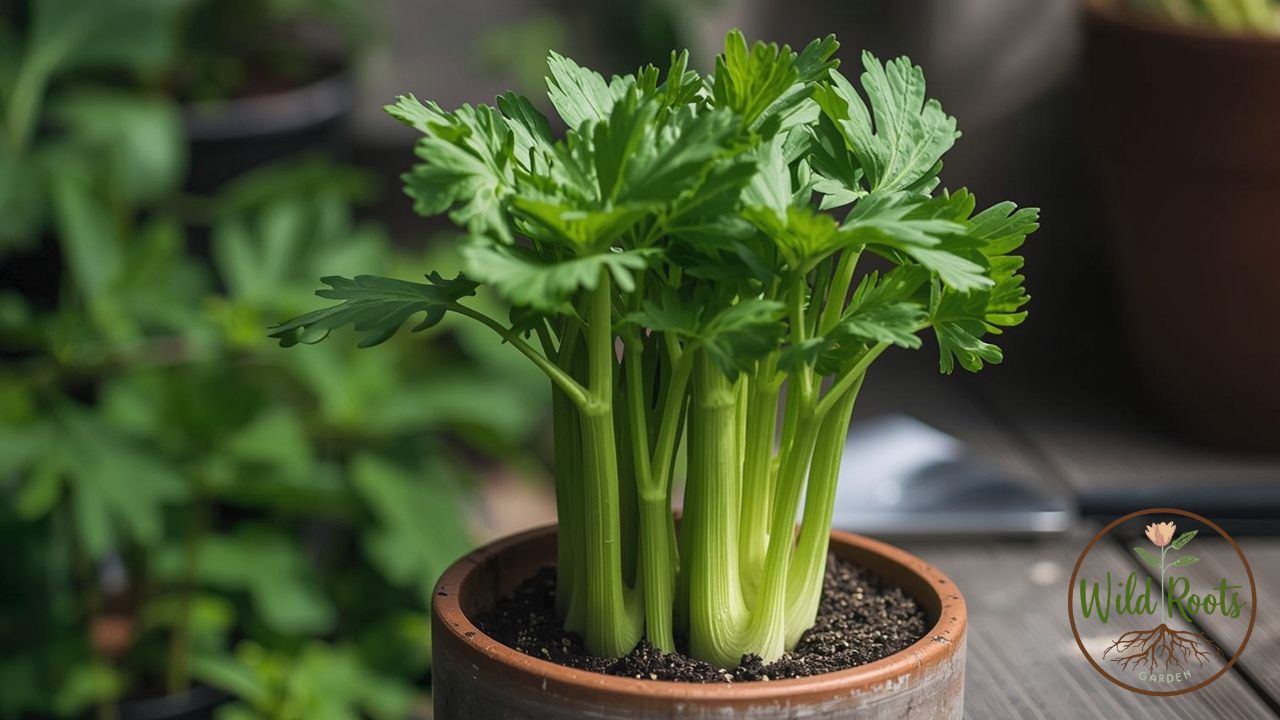
Many people think growing celery in pots outdoors from seed is tricky. They worry about getting it right. But it’s actually quite simple if you follow a few easy steps.
This guide will walk you through everything you need to know to grow your own fresh celery right at home. We’ll cover choosing the right pot, planting your seeds, and caring for your growing plants.
Why Grow Celery In Pots
Growing celery in pots outdoors from seed offers a fantastic way to enjoy fresh, crisp stalks without needing a large garden space. Container gardening is perfect for small yards, balconies, or patios. It also gives you more control over the soil and watering, which can be a big help for this particular vegetable. Celery needs consistent moisture and good drainage, and pots make managing these conditions much easier. Plus, growing from seed is very rewarding and cost-effective. You get to watch your plants grow from tiny seeds to delicious vegetables.
Choosing The Right Pot
Selecting the right pot is a key step for successful celery growing. Celery plants can get quite tall and wide, so they need space for their roots.
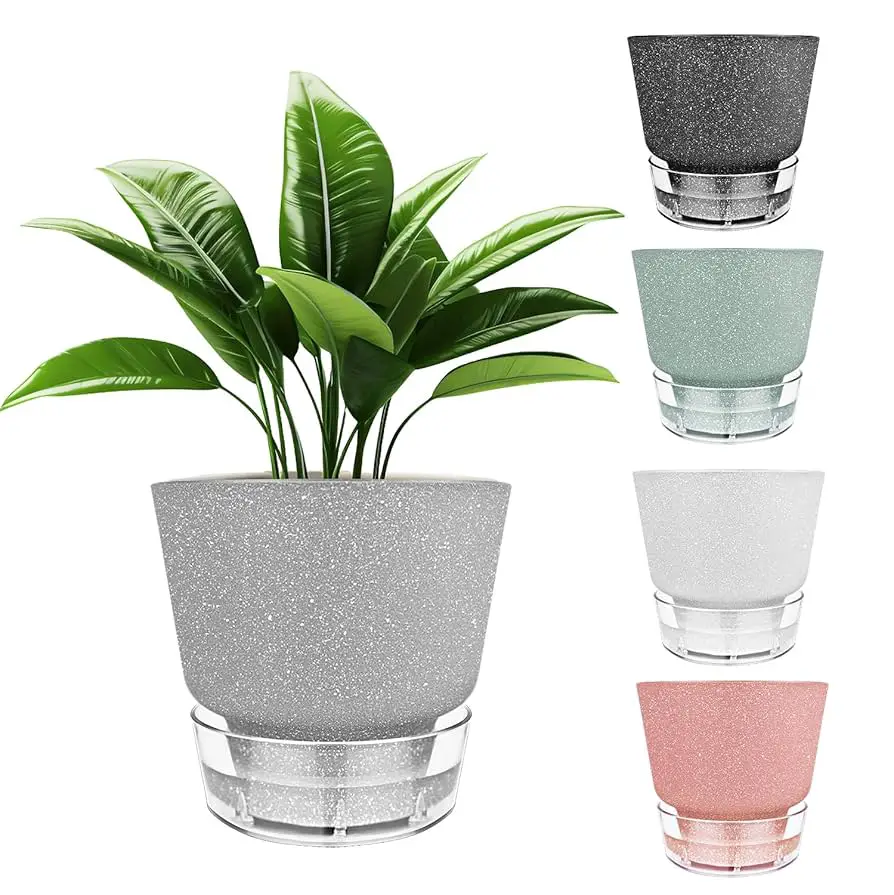
- Size Matters Look for pots that are at least 10 to 12 inches deep and 10 to 12 inches wide. Bigger is often better, especially if you’re growing multiple plants in one container. A larger pot holds more soil, which means more moisture and nutrients for your celery.
- Drainage Is Crucial Make sure your pots have plenty of drainage holes at the bottom. Celery does not like sitting in soggy soil. If your pots don’t have holes, you’ll need to add them yourself.
- Material Choice Pots made from terracotta, plastic, or fabric all work well. Terracotta breathes well but dries out faster. Plastic retains moisture better. Fabric pots offer excellent aeration.
Best Soil For Celery Pots
Good soil is vital for growing celery in pots outdoors from seed. Celery loves rich, well-draining soil that stays moist.
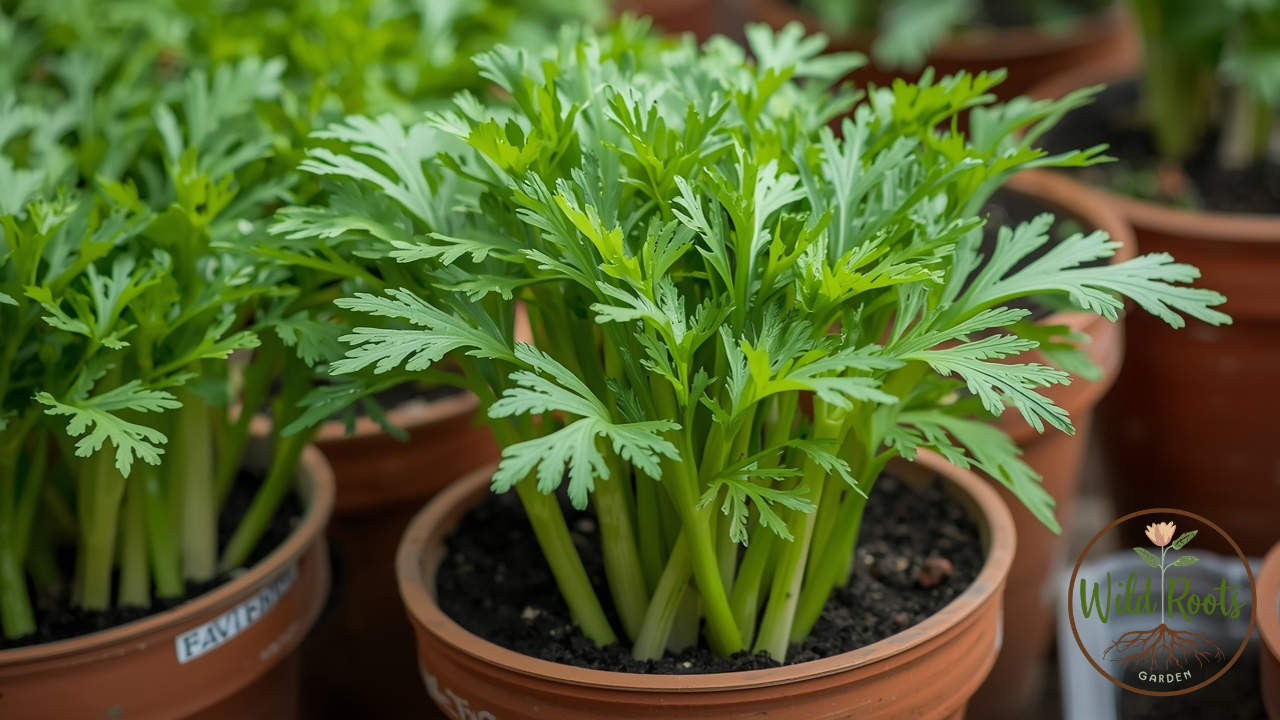
- Potting Mix Use a high-quality potting mix designed for containers. Avoid using garden soil, as it can become too compacted in pots.
- Adding Compost Mix in a generous amount of compost or aged manure. This adds nutrients and improves the soil structure. Compost helps the soil retain moisture while also allowing excess water to drain away.
- Soil pH Celery prefers slightly acidic to neutral soil, with a pH between 6.0 and 7.0. Most good potting mixes fall within this range.
Starting Celery Seeds Indoors
While you can sow celery seeds directly into pots outdoors after the last frost, starting them indoors gives you a head start and a better chance of success, especially in cooler climates.
- Timing Start seeds about 8 to 10 weeks before your last expected frost date.
- Seed Starting Trays Use seed starting trays or small pots filled with a seed starting mix.
- Planting Depth Celery seeds are tiny and need light to germinate, so sow them very shallowly, just pressing them onto the surface of the moist soil. You can lightly cover them with a thin layer of vermiculite or sifted soil, but make sure they still get light.
- Watering Keep the soil consistently moist but not waterlogged. A spray bottle is good for this.
- Warmth and Light Place the trays in a warm spot (around 70°F or 21°C) and provide plenty of light once seedlings appear. A sunny windowsill or grow lights will work.
- Harden Off Before transplanting your seedlings outdoors, you need to gradually acclimate them to outdoor conditions. This process is called hardening off. Over a week to ten days, put the seedlings outside for a few hours each day, gradually increasing the time and exposure to sun and wind.
Transplanting Seedlings To Pots
Once your seedlings are strong enough and the danger of frost has passed, it’s time to move them into their permanent pots.
- Prepare The Pots Fill your chosen pots with your prepared potting mix.
- Gentle Handling Carefully remove seedlings from their starter trays. Try not to disturb the roots too much.
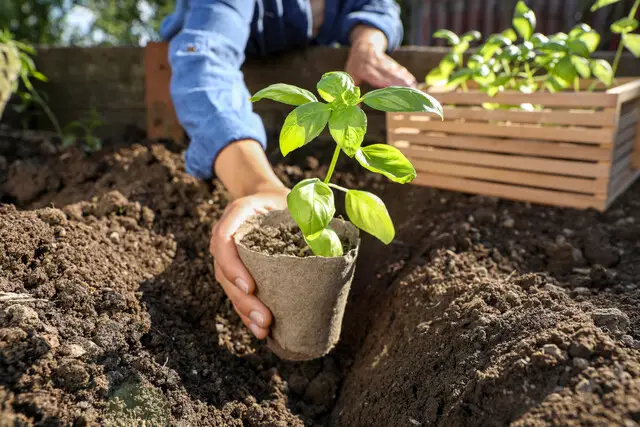
- Planting Depth Plant the celery seedlings deeper than they were in their starter pots. You can bury the stem up to the first set of leaves. This encourages more root growth along the buried stem, which helps the plant grow stronger.
- Spacing If planting multiple celery plants in one pot, space them about 6 to 8 inches apart. This gives them enough room to grow.
- Water Thoroughly Water the newly transplanted seedlings well. This helps settle the soil around the roots and reduces transplant shock.
Caring For Your Celery Plants
Consistent care is what truly makes growing celery in pots outdoors from seed a success. Celery is a thirsty and hungry plant.
Watering Needs
Celery needs a lot of water. The soil should feel moist to the touch at all times.
- Check Daily Especially in hot weather, check your pots daily to see if they need watering.
- Deep Watering Water deeply to ensure moisture reaches the roots. Allow water to run out of the drainage holes.
- Avoid Drying Out Never let the soil dry out completely. This can cause the celery to become tough and stringy.
Fertilizing Your Celery
Because celery is a heavy feeder and is grown in pots where nutrients can leach out, regular feeding is important.
- Start Feeding Begin fertilizing about two weeks after transplanting your seedlings.
- Type of Fertilizer Use a balanced liquid fertilizer (like 10-10-10) or a fertilizer specifically for vegetables. You can also use a well-rotted compost tea.
- Frequency Feed your plants every two to three weeks. Follow the instructions on the fertilizer packaging carefully to avoid over-fertilizing, which can harm the plants.
Blanching Celery (Optional)
Blanching is a traditional method to make celery stalks more tender and lighter in color. While it can be done in pots, it might be more work than it’s worth for home gardeners.
- How To Blanch You can tie the outer leaves together and then wrap the base of the stalks with cardboard, brown paper, or even soil. This blocks light from reaching the stalks.
- Duration Blanch for about two to three weeks before harvesting.
- Considerations This method requires extra care and may not be ideal for casual gardeners. Many modern varieties are less prone to bitterness and don’t require blanching.
Pest And Disease Control
Container-grown celery can still face pests and diseases. Regular monitoring is key.
- Common Pests Look out for aphids, slugs, and celery worms.
- Prevention Keep the area around your pots clean. Encourage beneficial insects.
- Treatment For small infestations, handpick pests off plants. For more serious problems, use insecticidal soap or neem oil, following product instructions carefully. Ensure good air circulation to prevent fungal diseases.
Harvesting Your Celery
The best part is harvesting your homegrown celery!
- When To Harvest Celery is usually ready to harvest about 80 to 100 days after transplanting, depending on the variety. Look for stalks that are firm and crisp.
- How To Harvest You can harvest the entire plant at once by cutting it at the base. Alternatively, you can harvest outer stalks as needed, leaving the inner stalks to continue growing. This allows for a continuous harvest.
- Storage Store harvested celery in the refrigerator. Wrap the stalks in a damp paper towel and place them in a plastic bag. They should stay fresh for a couple of weeks.
Choosing The Right Celery Varieties
Not all celery is created equal. Some varieties are better suited for container growing and are easier for beginners.
- Dwarf Varieties Look for dwarf or bush varieties. These grow more compact and are ideal for pots. Examples include ‘Dwarf Golden Self-Blanching’ or ‘Utah Tall’.
- Disease Resistance Some newer varieties are bred for disease resistance, which can save you a lot of trouble.
- Ease of Growth Check seed packets or plant descriptions for varieties known for being easy to grow.
Troubleshooting Common Issues
Even with the best care, you might encounter a few problems. Here are some common ones and how to fix them.
- Stringy Celery This often happens if the plant doesn’t get enough water or nutrients, or if it matures too slowly. Ensure consistent watering and regular feeding.
- Bolting (Going to Seed) Celery can bolt if stressed by heat or inconsistent watering. Keep the soil consistently moist and try to plant in a spot that gets some afternoon shade in very hot climates.
- Yellowing Leaves This can indicate a lack of nitrogen or poor drainage. Check your watering habits and consider a balanced fertilizer.
Growing Celery In Pots Outdoors From Seed Best Practices Summary
When growing celery in pots outdoors from seed, remember that consistency is key. Provide ample water, consistent feeding, and good drainage. Choose the right pot size and a quality potting mix enriched with compost. Starting seeds indoors and hardening them off properly will give your plants the best start. By paying attention to these details, you can enjoy a bountiful harvest of delicious, homegrown celery.
Frequently Asked Questions
Question: Can I grow celery from store-bought celery?
Answer: You can try to regrow celery from the base of store-bought stalks by placing them in water. However, this method often produces leafy growth rather than the thick, edible stalks you get from planting seeds. It’s also less reliable for producing a good harvest.
Question: How much sun does celery need in pots?
Answer: Celery needs at least 6 to 8 hours of sunlight per day. However, in very hot climates, some afternoon shade can be beneficial to prevent the plants from drying out too quickly and becoming stressed.
Question: My celery is growing but the stalks are thin. What went wrong?
Answer: Thin stalks can be caused by several factors. The plant might not be getting enough nutrients, or it may not be receiving enough water. Ensure you are fertilizing regularly and keeping the soil consistently moist.
Also, make sure your chosen variety is suitable for growing in pots and has adequate spacing.
Question: How often should I water celery in pots?
Answer: Celery is very thirsty. You should water your potted celery daily, especially during warm weather. The soil should always feel moist to the touch.
Check the soil moisture by sticking your finger about an inch deep. If it feels dry, it’s time to water.
Question: Can I grow celery in the same pot as other vegetables?
Answer: It’s generally best to give celery its own pot. It requires a lot of water and nutrients, and companion planting can sometimes lead to competition for resources, affecting the celery’s growth and quality.
Final Thoughts
Growing celery in pots outdoors from seed is a rewarding process. You learned how to pick the right pot and soil. We covered starting seeds indoors and transplanting them. Consistent watering and feeding are essential for healthy growth. Harvesting is straightforward, allowing you to enjoy your fresh produce. This method makes growing your own celery accessible and simple for anyone.