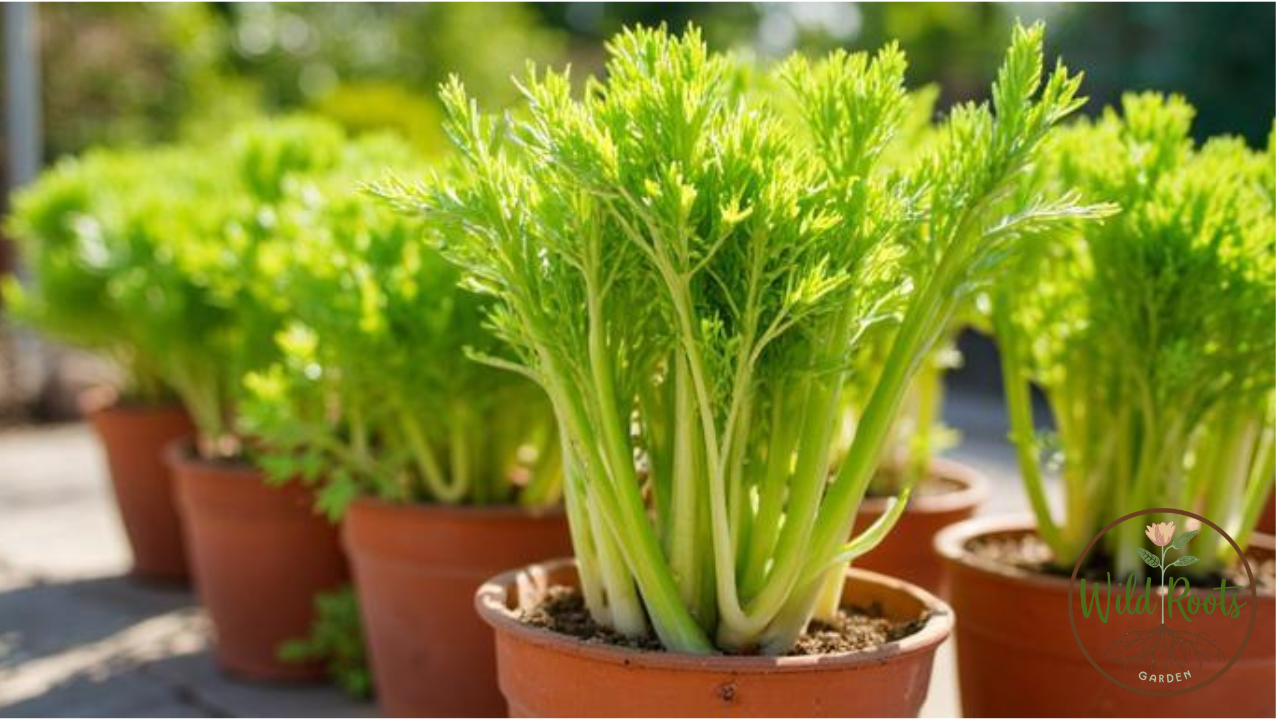
Many people think growing celery in pots outdoors from seed is tough. They worry about tricky steps or getting the timing just right. But it doesn’t have to be hard!
With a few simple tips, anyone can grow fresh celery right at home. We will walk you through each step so you can enjoy your own crunchy stalks. Let’s get started on making your garden dreams a reality.
Celery For Beginners Container Gardening Success
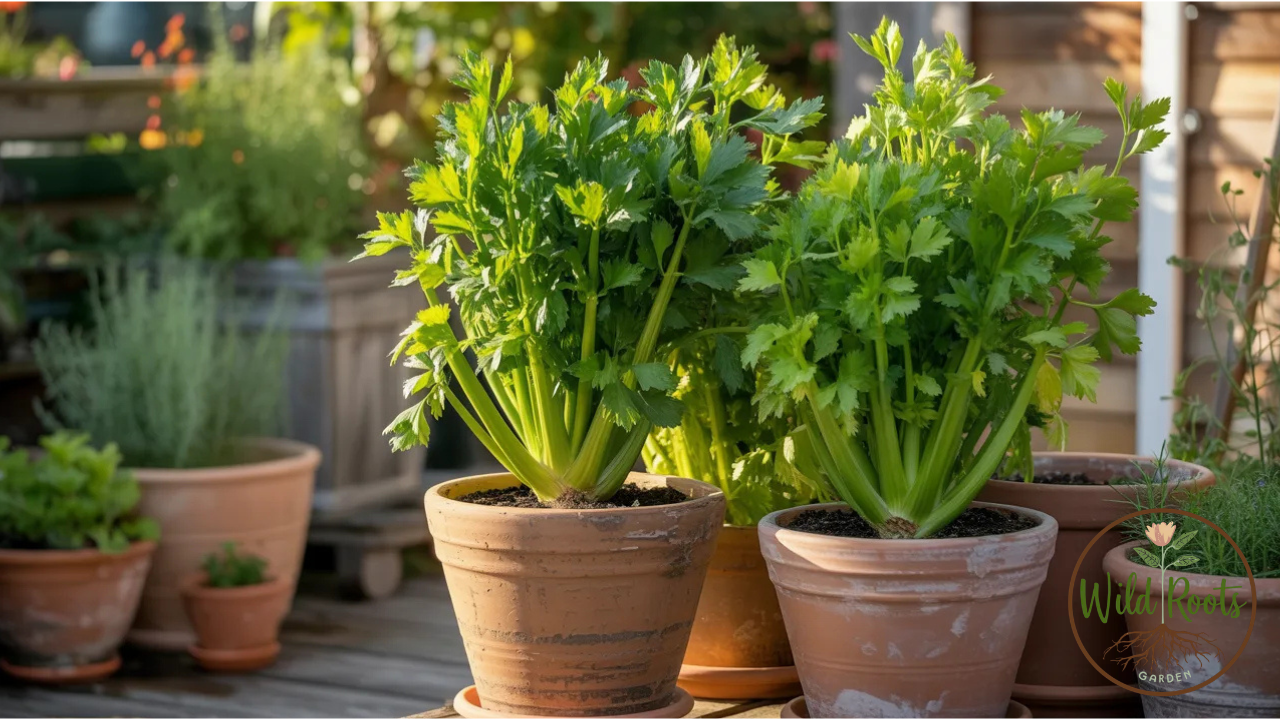
Picking the right pot is super important for growing celery in pots outdoors from seed. Celery plants get pretty big, and their roots need space to grow strong. You also want a pot that can hold a good amount of soil.
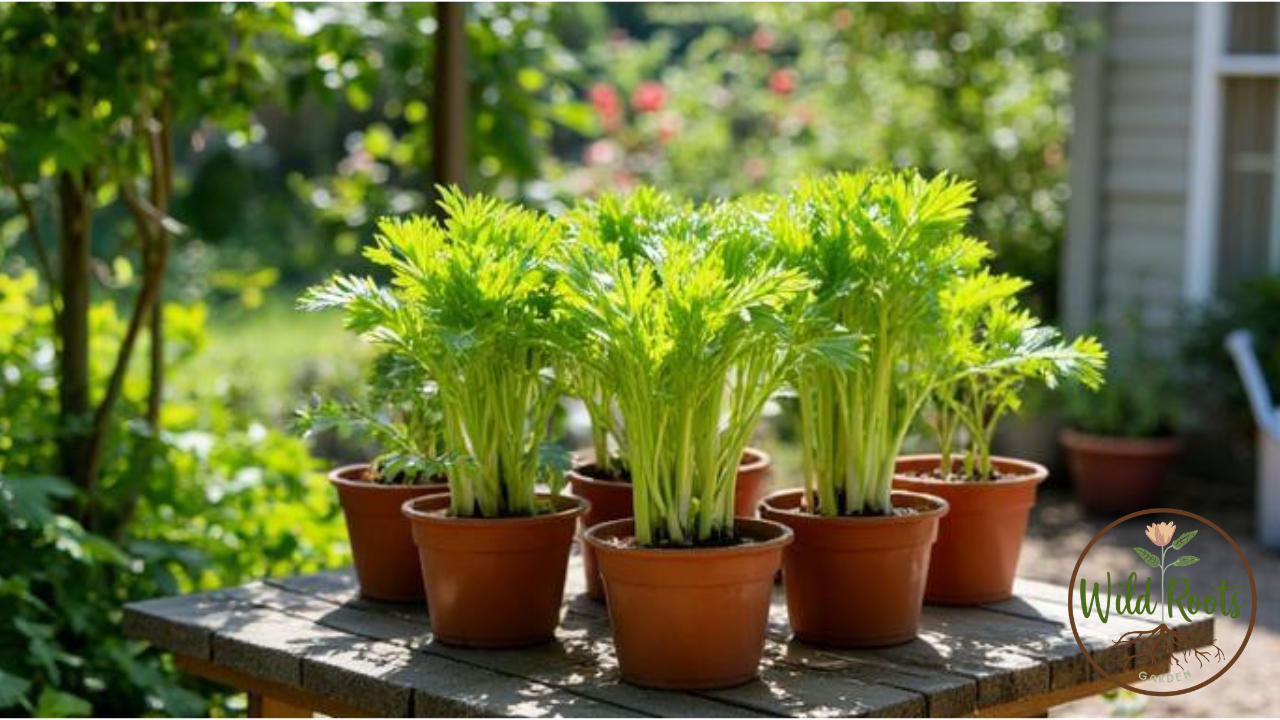
This helps keep the soil moist, which celery loves. Think about pots that are at least 8 to 12 inches deep. This gives the roots enough room to spread out and find water.
Also, make sure the pot has holes in the bottom. These holes let extra water drain out. Too much water can make the roots rot, and that’s not good for your celery.
Materials matter too. Terra cotta pots look nice, but they dry out very fast. This means you’ll have to water your celery more often.
Plastic pots hold moisture better, which is usually good for celery. However, in very hot weather, plastic pots can get too hot, cooking the roots. Fabric pots are a great option.
They let the soil breathe and prevent roots from circling. They also drain well. Whatever material you choose, make sure it’s big enough.
A small pot will stunt your celery’s growth.
Best Soil Mix For Container Celery
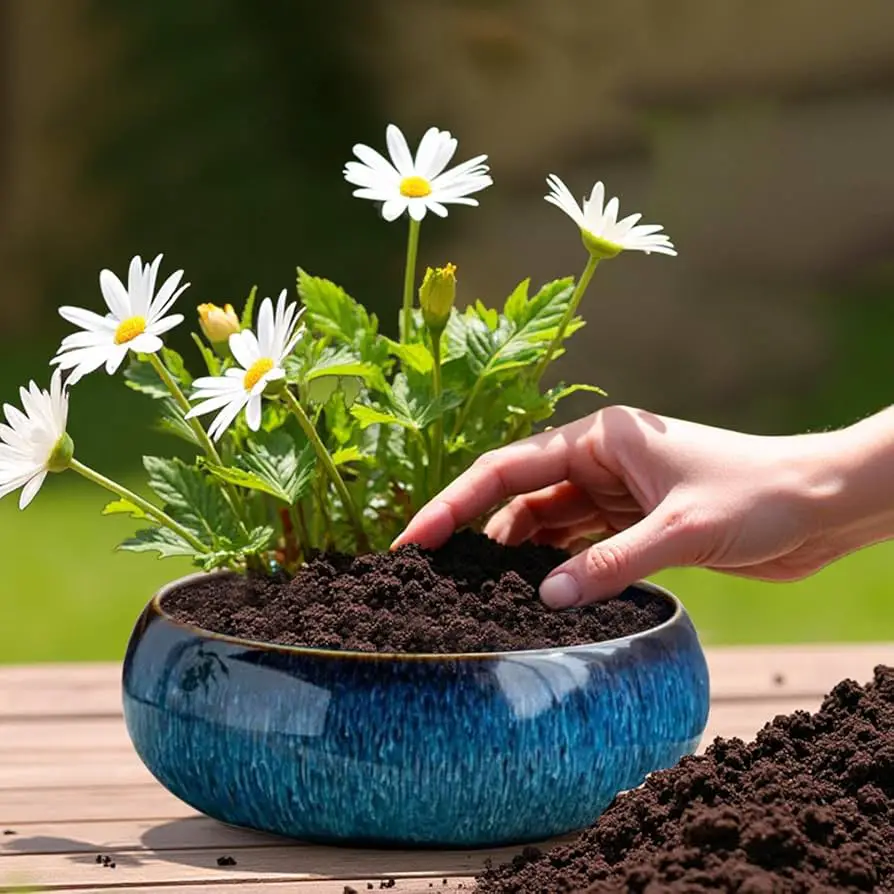
The soil you use is the foundation for your celery. Since you are growing celery in pots outdoors from seed, you can’t rely on garden soil. Garden soil can be too heavy and may have pests or diseases.
You need a soil mix that is light, drains well, and holds some moisture. A good quality potting mix is your best bet.
You can buy potting mix from any garden center. Look for mixes that say they are for containers or raised beds. These mixes usually have ingredients like peat moss, perlite, and vermiculite.
These help the soil stay airy and drain well. They also help keep the right amount of water for your plants.
If you want to make your own mix, that’s also possible. A simple recipe is equal parts compost, peat moss, and perlite. The compost adds nutrients.
The peat moss helps retain moisture. The perlite keeps the soil light and airy. Mix these together really well before you fill your pots.
Good soil means happy celery.
Starting Celery Seeds Indoors Or Outdoors
When you are growing celery in pots outdoors from seed, you have a choice. You can start the seeds indoors a few weeks before the last frost. Or, you can sow them directly in the pots outdoors when the weather is warm enough.
Starting seeds indoors gives you a head start. It helps ensure your plants are strong before the heat of summer arrives.
To start seeds indoors, use small seed starting trays or pots. Fill them with seed starting mix. Sow the tiny celery seeds about 1/8 inch deep.
You can sprinkle a few seeds in each cell. Lightly cover them with soil. Keep the soil moist and warm, around 65-70°F (18-21°C).
A heat mat can help. Seeds can take 1 to 2 weeks to sprout.
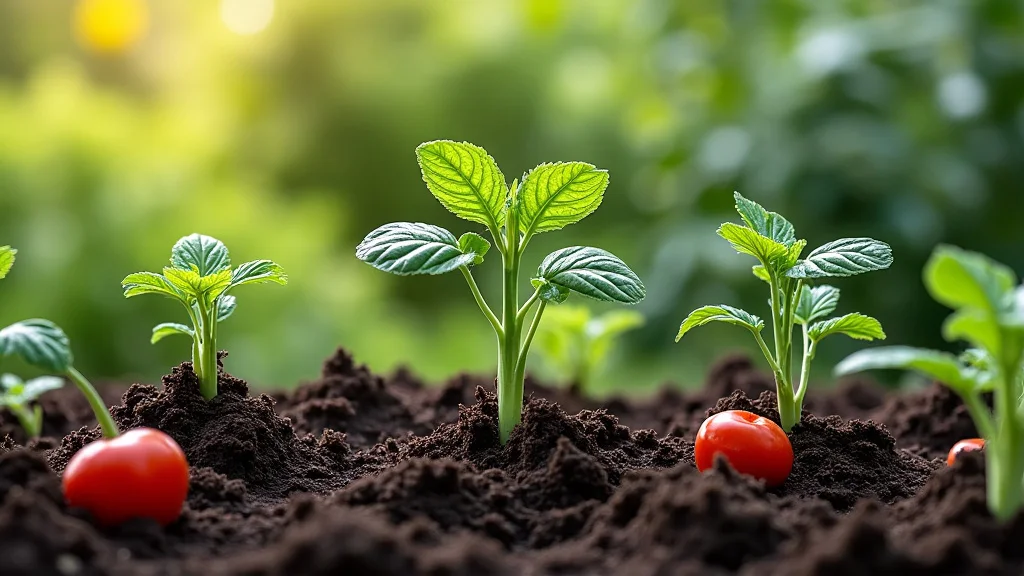
Once the seedlings have a few true leaves, you can transplant them into larger pots. If you are planting directly outdoors, wait until all danger of frost has passed. The soil temperature should be at least 50°F (10°C).
Sow the seeds about 1/4 inch deep. Space them a few inches apart. You can thin them later to the strongest plants.
Sunlight Needs For Container Celery
Celery plants need plenty of sun to grow well. When you are growing celery in pots outdoors from seed, placement is key. Find a spot that gets at least 6 to 8 hours of direct sunlight each day.
More sun usually means better growth and stronger stalks. A south-facing location is often ideal.
However, in very hot climates, some afternoon shade might be beneficial. Intense, direct sun all day, every day, can sometimes stress young plants or dry out the soil too quickly. Observe your plants.
If they look a bit droopy or stressed in the hottest part of the day, consider moving them to a spot where they get a bit of shade during those peak hours. But remember, full sun is generally preferred for the best flavor and growth.
Watering Your Container Celery Properly
Celery is a thirsty plant. Keeping the soil consistently moist is one of the most important things when growing celery in pots outdoors from seed. It’s often the key to success.
The soil should feel like a damp sponge. It should never be bone dry, but it also shouldn’t be waterlogged.
Check the moisture level by sticking your finger about an inch into the soil. If it feels dry, it’s time to water. Water deeply until you see water coming out of the drainage holes.
This ensures the entire root ball gets wet. Watering in the morning is best. This allows the plant to drink up water before the heat of the day.
It also helps prevent fungal diseases that can spread in damp conditions overnight.
You might need to water daily, or even twice a day, during hot, dry weather. Pots tend to dry out faster than garden beds. Mulching around your celery plants can help retain soil moisture.
A layer of straw or wood chips on top of the soil can make a big difference.
Feeding Your Celery Plants
Celery is a hungry plant, especially when grown in pots. The nutrients in the potting mix will get used up over time. Feeding your plants regularly will help them grow strong and produce tasty stalks.
You can start feeding your celery about a month after transplanting it or when seedlings have established.
Use a balanced liquid fertilizer. Look for one with a ratio like 10-10-10 or something similar. This means it has equal amounts of nitrogen, phosphorus, and potassium.
These are essential for plant growth. Follow the instructions on the fertilizer package for dilution and frequency. Usually, feeding every 2 to 3 weeks is a good starting point.
Some gardeners prefer to use organic fertilizers. Fish emulsion or compost tea are good organic options. They feed the soil as well as the plant.
Ensure the fertilizer you choose is safe for edible plants. Over-fertilizing can sometimes lead to bitter-tasting stalks, so don’t go overboard.
Pest And Disease Management For Pot Celery
Even when growing celery in pots outdoors from seed, pests and diseases can show up. Because your celery is in a pot, it’s easier to monitor for problems. Keep an eye out for common garden pests like aphids, slugs, and leaf miners.
Aphids are tiny bugs that often cluster on new growth. You can often spray them off with a strong stream of water. If that doesn’t work, a bit of insecticidal soap can help.
Slugs can be a problem, especially in damp conditions. They love to chew on leaves. You can try to pick them off by hand or use slug bait, making sure it’s safe for food plants.
Leaf miners create wavy tunnels in the leaves. If you see this, pick off the affected leaves and destroy them. Good air circulation around your plants can help prevent fungal diseases like blight.
Ensure your pots have good drainage. Promptly remove any yellowing or diseased leaves to keep your plants healthy.
Harvesting Your Container Grown Celery
The best part of growing celery in pots outdoors from seed is harvesting it! You can harvest your celery in a couple of ways. One way is to cut the whole plant at the base once it’s reached a good size.
This is usually after about 90 to 120 days from sowing.
Another method is to harvest individual stalks from the outside of the plant. This allows the plant to keep growing and produce more stalks for a longer period. Gently twist or cut the outer stalks close to the base.
Leave the smaller, inner stalks to mature. This ‘cut-and-come-again’ method is great for containers.
Harvest when the stalks are firm and crisp. Don’t wait too long, or they can become stringy. If frost is expected in the fall, harvest all your celery before the cold weather sets in.
You can store fresh celery in the refrigerator for a couple of weeks.
Frequently Asked Questions
Question: How deep should my pot be for celery?
Answer: Your pot should be at least 8 to 12 inches deep. This gives the celery roots enough space to grow well.
Question: Can I grow celery from store-bought celery stalks?
Answer: You can sprout the base of store-bought celery, but this usually results in leafy tops rather than thick, edible stalks. For good celery stalks, it’s best to start from seed.
Question: Why is my celery growing so slowly in pots?
Answer: Slow growth could be due to not enough sun, inconsistent watering, poor soil, or lack of nutrients. Check these factors and adjust as needed.
Question: How can I make my celery stalks less stringy?
Answer: Keep the soil consistently moist and harvest the celery when the stalks are young and tender. Avoid letting the plant dry out.
Question: Can celery grow in partial shade?
Answer: While celery prefers full sun, it can tolerate partial shade. However, growth may be slower, and stalks might be less robust compared to plants grown in full sun.
Final Thoughts
Growing celery in pots outdoors from seed is very doable. You just need the right pot, good soil, and consistent watering. Keep an eye out for pests, and feed your plants.
Then, you can enjoy fresh, homegrown celery stalks all season long. Enjoy your harvest!