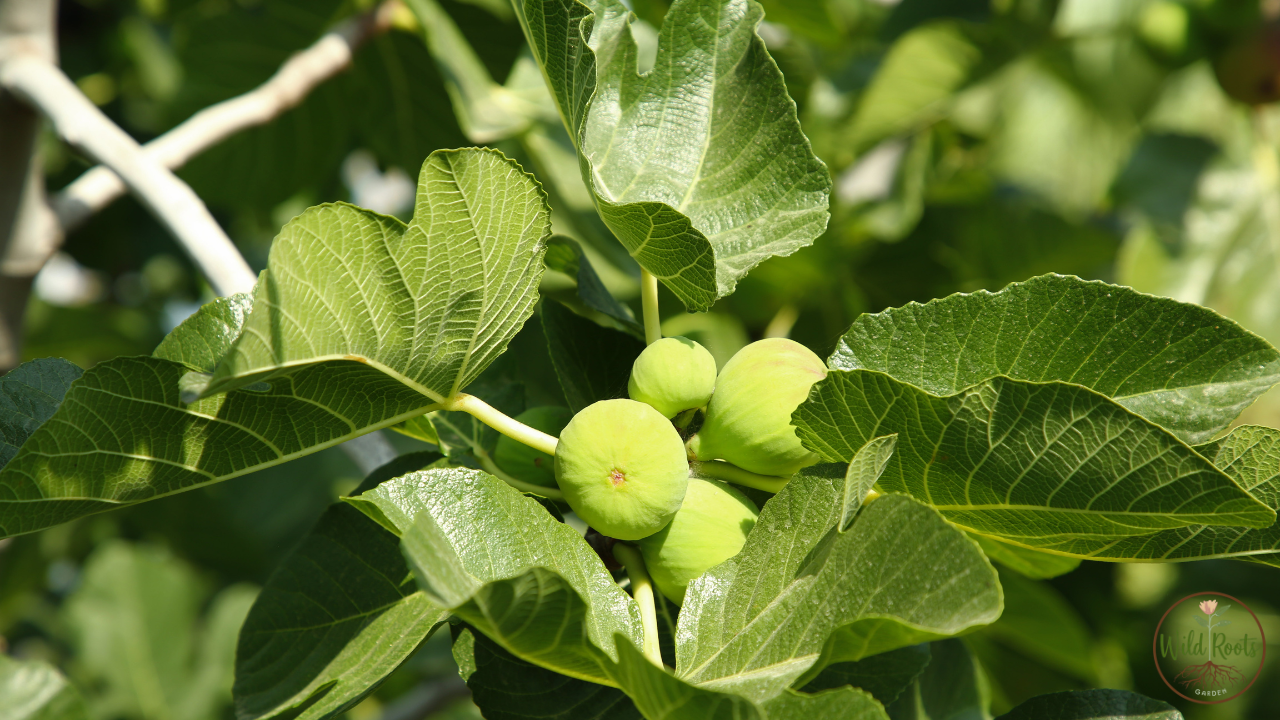
Many new gardeners wonder, “How long does it take for a fig tree to grow full size?” It’s a common question because fig trees can seem so slow at first. But don’t worry! Getting a big, beautiful fig tree is simpler than you might think.
We will break it down into easy steps so you can watch your fig tree reach its full potential. First, let’s look at what makes this question so important for growers.
Understanding Fig Tree Growth Stages
Fig trees are exciting to grow. They offer delicious fruit and lovely shade. But knowing their growth timeline helps you plan and enjoy the process more.
When you first plant a young fig tree, it might feel like it’s standing still. This can be a bit discouraging if you’re expecting fruit and shade right away.
The main reason for this is that young trees focus their energy underground. They are building a strong root system. This is super important for their long-term health and future fruit production.
Once their roots are well-established, they will start to grow much faster above ground. This early stage is vital for a healthy, productive tree later on.
What Is Full Size For A Fig Tree?
First, “full size” can mean different things for different fig trees. There are many types of fig trees, and they naturally grow to different heights and widths. Some fig varieties are naturally dwarf, meaning they stay quite small even when mature.
Others are vigorous growers that can become quite large, spreading wide and reaching high.
For most common fig varieties, “full size” usually refers to their mature height and spread. This is when the tree has reached its natural maximum dimensions for its specific type. It will still grow a little each year, but the major growth spurt is over.
It’s like a person reaching adulthood; they don’t grow taller much after that.
Factors Affecting Fig Tree Growth Speed
Several things influence how quickly your fig tree reaches its full size. Think of it like raising a child – good food, sunshine, and care make a big difference. These factors are key to speeding up the process or ensuring a healthy, steady growth rate.
Sunlight Needs
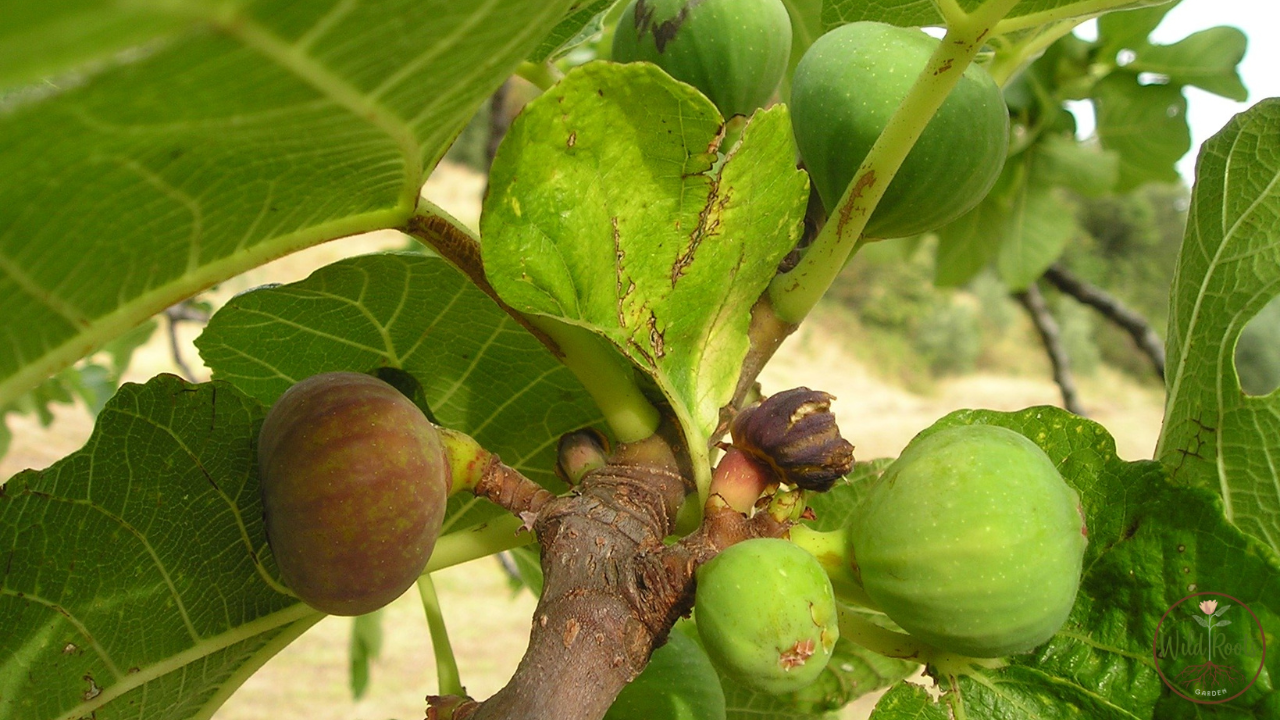
Fig trees absolutely love the sun. They need at least 6-8 hours of direct sunlight every day to grow their best. More sun means more energy for growth and fruit.
If your fig tree is in a shady spot, it will grow much slower, and it might not produce much fruit at all. Make sure you plant it in the sunniest place you have.
Soil Quality And Drainage
Good soil is like a nutritious meal for your fig tree. It needs soil that is rich in organic matter. This helps provide the nutrients the tree needs to grow strong.
Also, fig trees do not like “wet feet.” This means their roots should not sit in soggy soil. Poor drainage can lead to root rot and stunt growth. Mixing in compost or well-rotted manure can improve both the fertility and drainage of your soil.
Watering Habits
Water is essential, but too much or too little can harm your fig tree. Young trees need consistent moisture to establish their root systems. Water deeply when the top inch or two of soil feels dry.
As the tree matures, it becomes more drought-tolerant, but it will still benefit from regular watering, especially during dry spells and when it’s producing fruit.
Overwatering is a common mistake. It can suffocate the roots and lead to disease. On the other hand, letting the soil dry out too much can stress the tree, slowing its growth and potentially causing fruit to drop.
Climate And Growing Zone
Fig trees thrive in warm climates. They are generally hardy in USDA zones 8 through 10. If you live in a cooler zone, you might need to protect your fig tree during the winter, especially when it’s young.
This protection can slow down overall growth. The warmer and more consistent the climate, the faster a fig tree can reach its mature size.
Fertilizing Practices
While good soil is the foundation, some supplemental feeding can help. Use a balanced fertilizer in the spring. Avoid high-nitrogen fertilizers, especially on mature trees, as too much nitrogen can encourage leafy growth at the expense of fruit and can make the tree weaker.
A light feeding in early spring, after the last frost, is usually sufficient. Over-fertilizing can damage the roots and upset the plant’s natural growth cycle. The goal is to support steady, healthy growth, not a sudden burst that might make the tree weak.
Pruning Techniques
Pruning plays a role in shaping the tree and encouraging strong growth. For young trees, selective pruning can help establish a good structure. For mature trees, pruning can help manage size, improve air circulation, and encourage fruit production.
However, heavy pruning can temporarily set back growth. It’s best to prune at the right time of year, usually in late winter or early spring before new growth begins.
The Typical Timeline For A Fig Tree To Reach Full Size
Now for the answer many are looking for: How long does it take for a fig tree to grow full size? The exact timeframe can vary a lot, but there are general expectations.
Young Trees (First 1-3 Years)
In the first year or two after planting, your fig tree will focus most of its energy on growing a strong root system. You might see some top growth, but it will likely be modest. The tree is establishing itself, making sure it has the foundation to support future growth and fruit.
Don’t be alarmed if it looks small and slow during this period. This is normal and a good sign.
Maturing Trees (Years 3-7)
Once the root system is well-established, typically around year 3, your fig tree will start to show more significant growth above ground. This is when you’ll notice it getting taller and wider more quickly. Many common fig varieties will reach a substantial size, perhaps 8-15 feet tall and wide, within this timeframe.
Fruit production usually begins in earnest during these years as well. You might get a few figs in year 2 or 3, but by year 5-7, your tree should be producing a good harvest. This period is when the tree is really coming into its own.
Mature Trees (Years 7+)
By the time your fig tree is 7 years old or older, it’s generally considered mature. It will have reached its full size for its variety, though it will continue to produce fruit and grow slowly each year. The focus shifts from rapid expansion to maintenance and consistent fruit yield.
At this stage, your tree is likely providing plenty of shade and a bountiful harvest. It’s a testament to good care and patience. Even a mature tree benefits from occasional pruning and proper watering, especially during fruiting season.
What About Different Fig Varieties?
It’s important to remember that not all fig trees are created equal. The variety you choose will have a big impact on how quickly it grows and how large it ultimately gets.
Dwarf Varieties
Dwarf fig trees are bred to stay smaller. They are great for containers or small gardens. These trees might reach their full size in as little as 3-5 years.
Their mature height is often around 3-6 feet. They will still produce fruit, just on a much smaller scale.
Common Varieties
Many popular fig varieties, like ‘Brown Turkey’, ‘Black Mission’, or ‘Celeste’, are considered medium to large growers. These are the ones that typically take 5-7 years to reach their full, impressive size. They can grow 10-20 feet tall and spread just as wide.
Vigorous Growers
Some fig varieties are known for their rapid and large growth. These might reach their full potential closer to the 7-10 year mark, and can exceed 20 feet in height and spread. Examples include some of the more robust Mediterranean varieties.
Tips For Faster Fig Tree Growth
If you want to encourage your fig tree to reach its full size a bit sooner, here are a few tips:
- Choose the right location: Full sun is essential.
- Improve your soil: Add plenty of compost.
- Water consistently: Especially for young trees.
- Use a balanced fertilizer: In spring, avoid excess nitrogen.
- Protect from harsh weather: Especially in the early years.
- Prune wisely: Encourage strong structural growth.
FAQ
Question: How long does it take for a fig tree to bear fruit?
Answer: Many fig trees will produce their first fruits within 1-3 years after planting, although the harvest will be small. Significant fruit production usually begins around years 3-5.
Question: Can a fig tree grow too big?
Answer: Yes, fig trees can become very large, especially certain varieties. Proper pruning can help manage their size and shape to fit your garden space.
Question: Do fig trees need a lot of water to grow fast?
Answer: Fig trees need consistent moisture, especially when young, but not excessive water. Overwatering can actually stunt growth. Deep watering when the soil is dry is best.
Question: Is it better to plant a fig tree in spring or fall?
Answer: Spring planting is generally recommended, especially in cooler climates. This gives the tree a full growing season to establish its roots before winter.
Question: How often should I fertilize my fig tree?
Answer: For most fig trees, fertilizing once in early spring with a balanced fertilizer is sufficient. Avoid over-fertilizing, as it can cause more harm than good.
Final Thoughts
Patience is key when growing a fig tree. While you might wonder, How long does it take for a fig tree to grow full size, remember that good things come to those who wait. With the right care, sun, and soil, your fig tree will steadily grow and mature.
Most varieties reach their full potential in about 5 to 7 years. Enjoy the process of watching your tree develop and soon you’ll have a beautiful, productive addition to your yard.