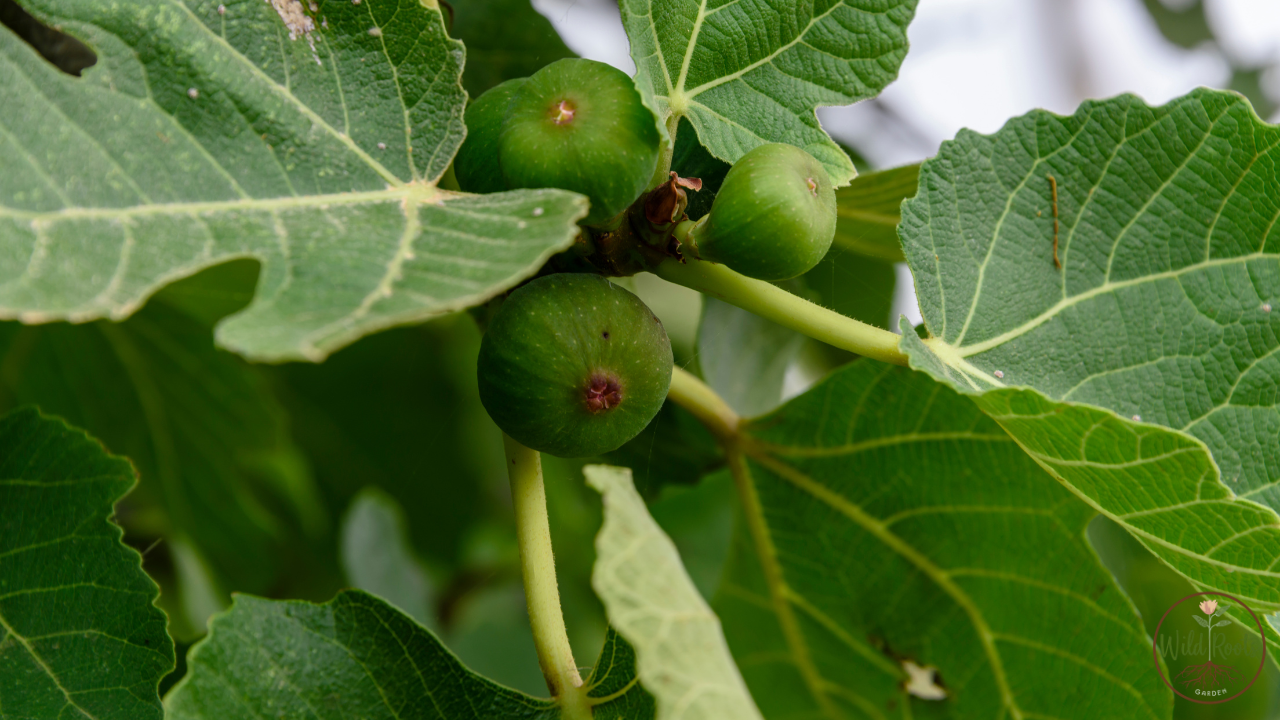
Lots of people want to grow their own fig trees. It’s a popular goal because fresh figs are so tasty. Many think that how to grow a fig tree from a cutting is tricky.
It can seem like a big job for new gardeners. But it’s actually quite simple when you break it down. This guide will show you exactly what to do, step by step.
Let’s get started on growing your own fig tree.
How To Grow A Fig Tree From Cutting Easy Steps
Why Grow Fig Trees From Cuttings
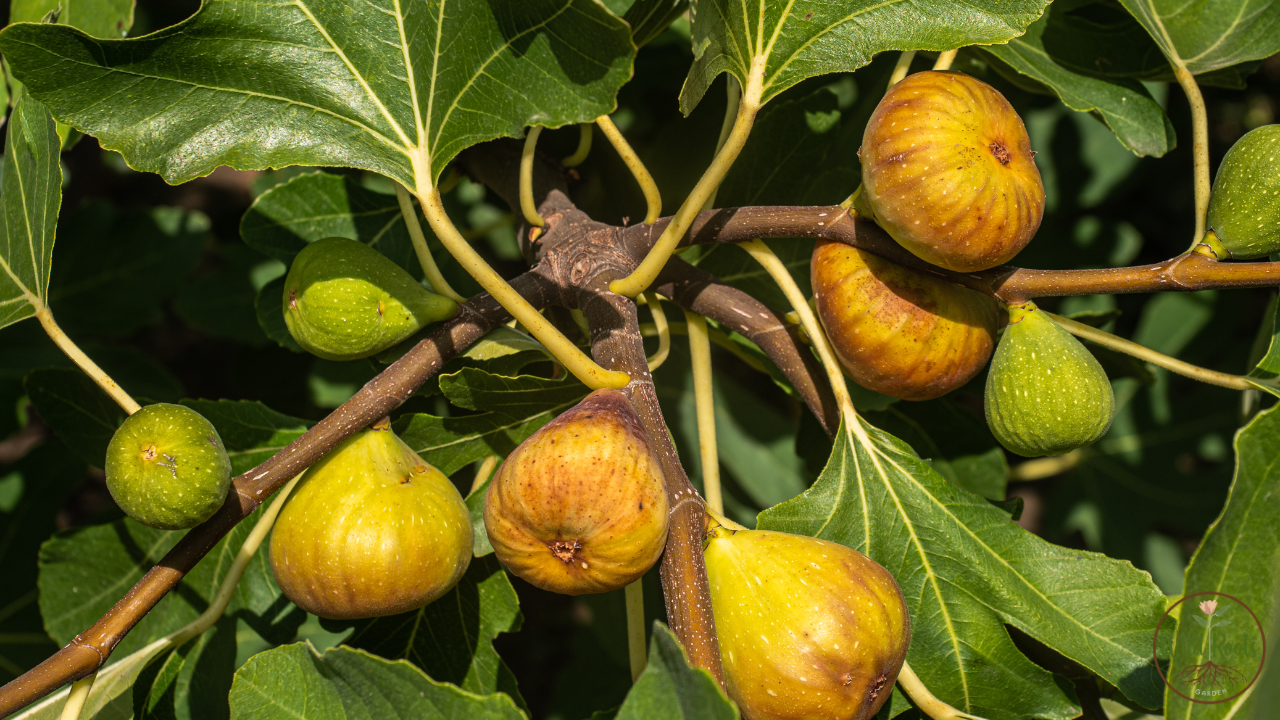
Growing a fig tree from a cutting is a fantastic way to get more trees for free. It is also a great way to share fig trees with friends and family. When you take a cutting from an existing, healthy fig tree, you are essentially cloning it.
This means your new fig tree will have all the same great qualities as the parent tree. It’s a very rewarding process for any gardener. Plus, it saves money compared to buying a new sapling.
What You Need To Get Started
To begin, you’ll need a few things. First, a healthy fig tree to take a cutting from. You also need a sharp, clean knife or pruning shears.
You’ll need a pot with drainage holes. Good potting soil is important too. Some rooting hormone can help, but it’s not always necessary.
Finally, you’ll need a plastic bag or a clear plastic bottle to create a mini-greenhouse effect.
Choosing The Right Cutting
The best time to take cuttings is usually in late spring or early summer, after the fig tree has started its active growth for the year. Look for a stem that is semi-hardwood. This means it’s not too soft and green, but also not old and woody.
The stem should be about the thickness of a pencil. It’s best to select a piece that has at least three to four leaf nodes. A leaf node is a small bump on the stem where leaves or buds grow from.
Avoid any stems that look diseased or have damage.
Preparing The Cutting
Once you’ve chosen your stem, it’s time to prepare it. Use your sharp knife or shears to cut a section about 6 to 8 inches long. Make the cut just below a leaf node.
This is where the roots are most likely to form. Remove all but the top two or three leaves from the cutting. If the remaining leaves are very large, you can cut them in half to reduce water loss.
You can also remove any small fig fruits or flowers that might be present, as these take energy away from root development.
Using Rooting Hormone
If you are using rooting hormone, dip the cut end of the fig cutting into the powder or gel. Tap off any excess. Rooting hormone contains plant hormones that encourage root growth.
It’s like a little boost for your cutting. If you don’t have rooting hormone, don’t worry. Many fig cuttings will root successfully without it.
Planting Your Cutting
Fill your pot with moist potting soil. Make a hole in the center of the soil using your finger or a pencil. Insert the cut end of the fig cutting into the hole, making sure at least one leaf node is buried in the soil.
Gently firm the soil around the cutting to keep it upright and in place. Water the soil lightly so it is moist but not waterlogged.
Creating A Mini Greenhouse
To help the cutting stay hydrated and encourage rooting, you can create a humid environment. You can do this by covering the pot with a clear plastic bag. Make sure the bag doesn’t touch the leaves too much.
You can use sticks or skewers to prop it up. Alternatively, you can cut a plastic bottle in half and place the top half over the pot. This mini-greenhouse effect keeps the humidity high, which is very important for cuttings to root.
Where To Place Your Cutting
Find a warm spot for your potted cutting. It should receive bright, indirect light. Avoid direct sunlight, especially during the hottest parts of the day, as this can overheat the cutting and the plastic cover.
A windowsill that gets morning sun but is shaded in the afternoon is often ideal. The temperature should be consistently around 70-75 degrees Fahrenheit (21-24 degrees Celsius) for best results.
Caring For Your Cutting
Check your cutting regularly. Make sure the soil stays consistently moist. You don’t want it to dry out completely, but you also don’t want it to be soggy.
If you see any signs of mold or fungus, gently remove them and improve air circulation. You can slightly lift the plastic bag for a few minutes each day to let in some fresh air. This helps prevent diseases.
When To Expect Roots
Patience is key when growing fig trees from cuttings. It can take anywhere from 4 to 8 weeks, or sometimes even longer, for roots to develop. You’ll know your cutting has rooted when you see new leaf growth.
Another sign is when the cutting feels resistant if you gently tug on it. If new leaves are appearing, it means the cutting has established a root system and is starting to grow.
Transplanting Your New Fig Tree
Once your fig cutting has a good amount of new growth and feels secure in its pot, it’s ready to be transplanted. You can move it to a slightly larger pot or, if the weather is warm enough and your plant is robust, into its final outdoor location. If you are planting it directly into the ground, choose a spot that gets plenty of sunlight, at least 6-8 hours a day.
Ensure the soil drains well.
Common Problems And Solutions
Sometimes cuttings can struggle. If you see leaves wilting and dropping, it might be too dry or too hot. Check the soil moisture and the location.
If the stem turns black and mushy, it could be a rot issue. This is often caused by overwatering or poor air circulation. Remove any affected parts immediately and ensure good drainage and airflow.
Brown leaf tips can sometimes mean too much fertilizer or mineral buildup in the water. Try using filtered or rainwater.
Frequently Asked Questions
Question: What is the best time of year to take fig cuttings
Answer: The best time is usually late spring or early summer when the fig tree is actively growing. This is when you can find semi-hardwood stems that root well.
Question: How long should a fig cutting be
Answer: A good length for a fig cutting is between 6 to 8 inches. It should have at least three to four leaf nodes.
Question: Do I need rooting hormone for fig cuttings
Answer: Rooting hormone can help speed up the process and improve success rates, but many fig cuttings will root just fine without it.
Question: How often should I water a fig cutting
Answer: Keep the soil consistently moist but not waterlogged. Check the soil moisture regularly and water when the top inch feels dry.
Question: How can I tell if my fig cutting has rooted
Answer: You’ll see new leaf growth appearing. You can also gently tug on the cutting; if it feels resistant, it has likely formed roots.
Final Thoughts
Growing a fig tree from a cutting is a rewarding and straightforward process. By following these simple steps, you can easily propagate your own fig trees. This method is affordable and allows you to create many new plants.
Remember to be patient, provide consistent moisture, and give your cutting bright, indirect light. Soon, you’ll have a new fig tree ready to grow and produce delicious fruit.