Many gardeners wonder about growing fig trees from seed. They might ask, How long does it take to grow a fig tree from seed. This is a common question because it sounds like a fun project.
But sometimes, getting started can feel a bit confusing. Don’t worry, though! This guide will make it simple and clear for you.
We will walk through everything you need to know, step by step.
Growing Figs From Seed A Simple Look
Starting a fig tree from a seed can be an exciting endeavor. It offers a chance to grow a unique tree that no one else might have. When people ask, How long does it take to grow a fig tree from seed, they often want to know about the timeline.
This process is a bit different from growing from cuttings or buying a young tree. It requires patience, but the reward can be a beautiful, fruit-bearing plant that you nurtured from its very beginning. Let’s explore what this typically involves.
Germinating Fig Seeds The First Step
Getting fig seeds to sprout is the very first part of the process. This stage is crucial. It’s where you see the first signs of life.
Not all fig seeds will sprout, and this is normal. Some varieties of figs are easier to grow from seed than others. This is a key factor in how quickly you might see results.
The environment you provide for the seeds plays a big role.
To start, you’ll need good quality seeds. You can get these from ripe fig fruits. Wash the seeds gently to remove any fruit pulp.
Then, let them dry slightly. Some people like to stratify their fig seeds. This means giving them a period of cold, moist conditions to mimic winter.
This can help break their dormancy.
A common method for germinating fig seeds is to place them on a damp paper towel. Put the damp paper towel with seeds inside a plastic bag or container. Keep this in a warm spot.
A temperature around 70-80 degrees Fahrenheit is usually good. You should start to see tiny roots or sprouts appearing in about one to three weeks. Patience is key here.
If you don’t see anything after a few weeks, don’t be discouraged. You can try again with fresh seeds.
Planting Seedlings For Growth
Once your fig seeds have sprouted, it’s time to move them into soil. You’ll want to use a small pot with a good drainage hole. Use a light, well-draining potting mix.
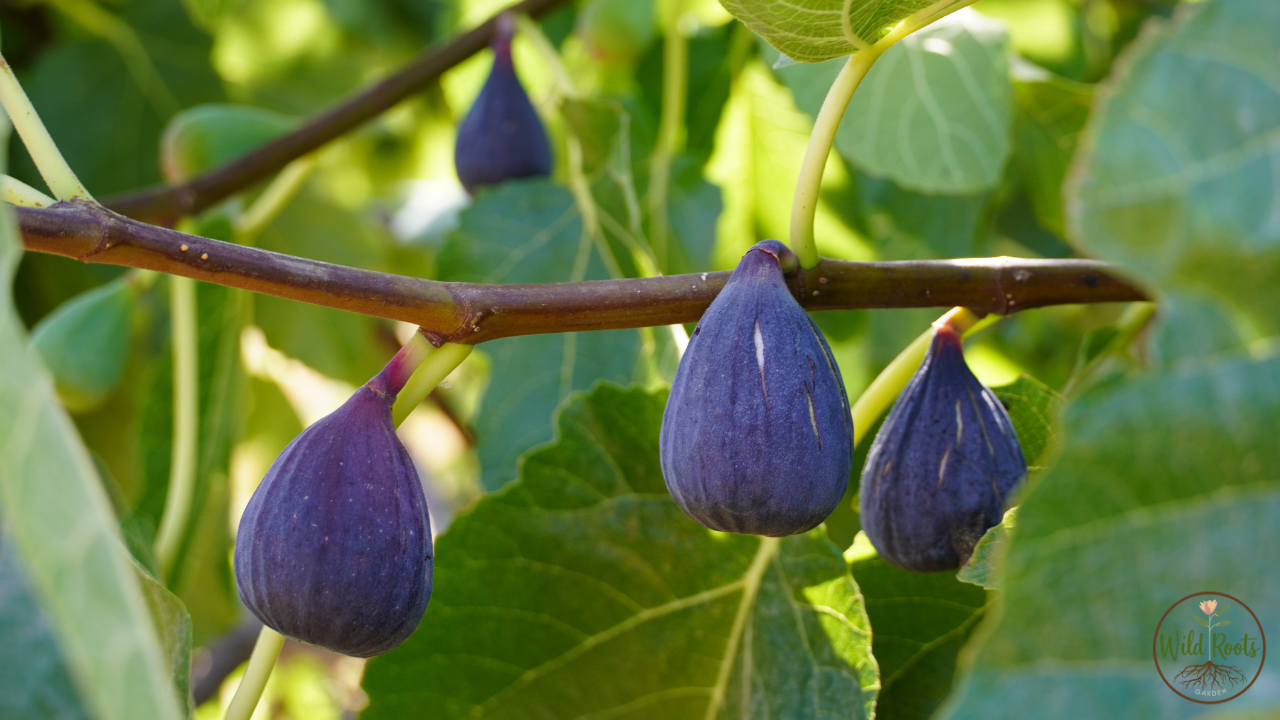
You can find special seed-starting mixes that work very well. Gently place the sprouted seed into the soil. Cover it with a thin layer of soil, about a quarter-inch deep.
Keep the soil consistently moist but not soggy. A spray bottle can be useful for watering gently. Place the pot in a warm location with bright, indirect light.
A sunny windowsill is often perfect. Avoid direct, harsh sunlight, especially when the seedlings are very young. They are delicate and can burn easily.
The seedling will start to grow its first leaves. This is an exciting moment! Continue to provide consistent moisture and light.
As the seedling grows, you will notice it getting taller and developing more leaves. This is where the journey of growing your fig tree really begins to take shape.
How Long Until A Fig Tree Bears Fruit From Seed
This is the big question for many people: How long does it take to grow a fig tree from seed and get fruit? The answer requires a good dose of patience. Fig trees grown from seed can take a significant amount of time to produce fruit, often much longer than trees grown from cuttings.
Cuttings are essentially clones of mature, fruit-producing trees and will bear fruit much sooner.
Typically, a fig tree grown from seed might take anywhere from 3 to 7 years, or even longer, to start producing edible fruit. In some cases, it could be 10 years or more. There are a few reasons for this.
First, the seedling needs to grow into a mature tree. This involves developing a strong root system and a sturdy trunk and branches. It also needs to reach a certain age and size before it has the energy reserves to produce flowers and then fruit.
Another factor is genetics. Seeds from a fig fruit carry a mix of traits from the parent trees. The resulting tree might not be the same as the fig tree the fruit came from.
It might produce fruit that is different in taste, size, or even the ability to produce fruit at all. Some seedlings might be sterile or produce fruit that is not very good. This unpredictability is part of why growing from seed is more of an experiment than a guaranteed way to get fruit quickly.
Factors Influencing Growth Time
Several things can affect how quickly your fig tree grows and eventually fruits. These factors are important to consider when you’re thinking about How long does it take to grow a fig tree from seed.
- Climate and Location: Fig trees love warmth and sunshine. If you live in a cooler climate, your tree might grow slower. It might also need protection during winter. In warmer climates, trees tend to grow faster and produce fruit more reliably.
- Soil Quality: Good soil is like good food for your tree. Rich, well-draining soil helps the roots grow strong. This supports faster overall growth.
- Watering: Consistent watering is vital, especially when the tree is young. Too little water stresses the tree. Too much can lead to root rot. Finding the right balance helps it thrive.
- Nutrients: Fertilizing your fig tree appropriately can boost its growth. Use a balanced fertilizer, but avoid over-fertilizing, which can harm the tree.
- Pest and Disease Control: Healthy trees grow better. Keeping an eye out for pests and diseases and dealing with them promptly ensures your tree stays strong and productive.
- Variety of Fig: While you might not know the exact variety when growing from seed, some fig types are naturally faster growers or more prone to fruiting than others.
When To Transplant Your Fig Seedling
You will know it’s time to move your fig seedling to a larger pot or its permanent outdoor location when it has developed several sets of true leaves. True leaves are the leaves that appear after the initial seed leaves, which are called cotyledons. If the seedling looks like it’s outgrowing its current pot, with roots starting to show at the drainage holes, it’s probably ready.
For transplanting outdoors, wait until all danger of frost has passed. Choose a sunny spot. The soil should be well-draining.
Dig a hole that is a bit larger than the seedling’s root ball. Carefully remove the seedling from its current pot. Try not to disturb the roots too much.
Place it in the new hole so that the top of the root ball is level with the surrounding soil. Backfill the hole with soil and water thoroughly.
If you are planting in a container, choose a pot that is at least 10-12 inches in diameter. Ensure it has good drainage. Use a good quality potting mix.
The transplanting process is similar to planting outdoors.
The Role of Pollination In Fig Fruiting
This is an interesting point when discussing How long does it take to grow a fig tree from seed and when fruit might appear. Many common fig varieties that people grow for eating are “parthenocarpic.” This means they can produce fruit without pollination. These are often the types you buy from a nursery.
They are usually grown from cuttings.
However, if you grow a fig tree from a seed, especially from a wild fig, the resulting tree might require pollination to produce fruit. This often involves a specific type of wasp, the fig wasp, which is essential for pollinating the flowers inside the fig fruit. If your seedling fig tree needs pollination and doesn’t get it, it might grow lots of foliage but never produce edible fruit.
Many seeds come from figs that are not the common edible types. Even if they do produce fruit, the fruit quality might be poor. This is another reason why growing from seed can be more of a hobby or an experiment.
If your goal is to have a reliable fruit-producing tree quickly, starting with cuttings from an established variety is usually the better choice. But if you enjoy the process and the possibility of discovering something new, growing from seed is a rewarding adventure.
Care For Young Fig Trees
Caring for a young fig tree, whether it’s a seedling or a cutting, is important for its development. Consistent care helps it grow strong and healthy, which ultimately impacts how soon it might bear fruit.
- Watering: Young trees need regular watering. Check the soil moisture by sticking your finger about an inch into the soil. If it feels dry, it’s time to water.
- Sunlight: Fig trees need at least six to eight hours of direct sunlight per day. More sun generally means better growth and fruit production.
- Fertilizing: During the growing season (spring and summer), feed your young fig tree with a balanced fertilizer. Follow the instructions on the fertilizer package. Avoid fertilizing in the fall or winter when the tree is dormant.
- Pruning: Young trees benefit from light pruning to encourage a strong, bushy shape. Remove any weak or crossing branches. Pruning also helps shape the tree for better fruit production later on.
- Protection: In colder climates, young fig trees may need winter protection. You can cover them with mulch or a frost cloth. Bringing potted fig trees indoors during winter is also an option.
Estimating The Time To Maturity
When you consider How long does it take to grow a fig tree from seed, think about the stages of maturity. A seedling is the very young plant. A young tree is one that has established itself and is growing actively.
A mature tree is one that is capable of producing fruit consistently.
For a fig tree grown from seed, it can take 2-3 years to reach the “young tree” stage where it looks like a small, established plant. Then, it might take another 1-5 years, or even more, to become “mature” enough to bear fruit. So, you’re looking at a total of 3-8 years from seed to potential fruit, and often longer for a good harvest.
It’s important to remember that this is a general estimate. Your specific conditions and the fig variety will play a role. If you are new to growing figs, starting with a rooted cutting from a reputable nursery is a much faster way to get fruit.
This can take as little as 1-2 years to produce. However, the satisfaction of growing from seed is a different kind of reward.
Common Challenges When Growing From Seed
Growing figs from seed presents some unique challenges. These are worth knowing about if you decide to take this path.
- Low Germination Rates: Not all seeds will sprout. You might need to start with many seeds to get a few healthy seedlings.
- Long Wait for Fruit: As we’ve discussed, the time until fruit production is lengthy. This requires significant patience.
- Unpredictable Fruit Quality: The fruit might not be edible, or it might not taste good. It can also be different from the parent fruit.
- Need for Pollination: Some varieties require specific pollination, which can be difficult to achieve in many home gardens.
- Variability in Growth: Seedlings can grow at different rates and have different strengths and weaknesses.
Despite these challenges, growing from seed can be a rewarding experience for the patient gardener. It allows for experimentation and the potential to develop new fig varieties. It’s a journey of discovery.
When Do Fig Trees Started From Seed Produce Fruit
To directly answer the question: How long does it take to grow a fig tree from seed to produce fruit? You should expect a wait of at least 3 to 7 years, and often longer. Some trees may take up to 10 years or more.
This is a significant investment of time. Compare this to fig trees grown from cuttings, which can start producing fruit in 1 to 2 years. Seed-grown figs are often more of a genetic experiment.
The fruit produced might also be small, seedy, or not very tasty compared to common varieties. This is because seeds inherit traits from both parent trees, leading to unpredictable results. If your primary goal is to harvest delicious figs within a reasonable timeframe, purchasing a grafted or cutting-grown fig tree is the most practical option.
However, if you are an enthusiast who enjoys the process of gardening and is curious about the potential of new fig varieties, growing from seed can be a fascinating project. It’s about the experience of nurturing a plant from its very beginning, and the potential, however slim, of discovering a unique and delicious fig.
Frequently Asked Questions
Question: Is it hard to grow a fig tree from seed?
Answer: Growing fig seeds can be challenging because not all seeds are viable, and they take a long time to mature and produce fruit. Germination requires specific conditions, and the resulting trees are unpredictable.
Question: Can I eat figs from a tree I grew from seed?
Answer: You might be able to eat figs from a seed-grown tree, but there’s no guarantee of taste or quality. Many seed-grown figs are small, seedy, or not very palatable. Some may even be inedible or require pollination.
Question: How quickly can I get fruit from a fig tree?
Answer: For the fastest fruit production, start with a rooted cutting or a young tree from a nursery. These can produce fruit in 1-2 years. Trees grown from seed take much longer, typically 3-7 years or more.
Question: What are the main differences between growing figs from seed and cuttings?
Answer: Growing from seed is a gamble; it takes longer (3-7+ years to fruit) and the fruit quality is unpredictable. Growing from cuttings is faster (1-2 years to fruit) and guarantees the fruit quality of the parent tree.
Question: When is the best time to plant fig seeds?
Answer: The best time to plant fig seeds is in the spring. This allows them to germinate and grow with warmer temperatures and longer daylight hours, giving them a good start.
Final Thoughts
Growing a fig tree from seed is a long but rewarding adventure. You now know How long does it take to grow a fig tree from seed, generally between 3 to 7 years, sometimes more, before you see fruit. This process requires patience and offers unpredictable results regarding fruit quality.
For quicker harvests, cuttings are best. Embrace the journey, enjoy the process, and perhaps you’ll discover something special.