Troubleshoot the issue of an apple tree not growing leaves in spring. Discover potential causes such as improper pruning, nutrient deficiencies, pests, or environmental factors. Learn effective solutions to revive your apple tree’s growth, including proper watering, fertilization techniques, and pest management strategies. Ensure a healthy and vibrant apple tree by identifying and addressing the reasons behind the lack of leaf growth during spring in your garden.

Introduction
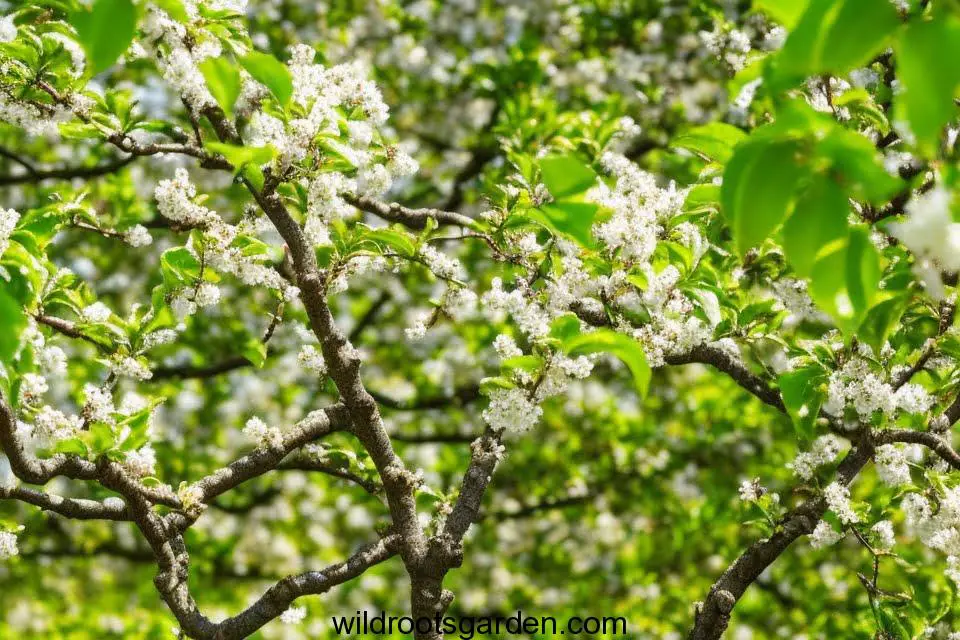
It’s a beautiful sight to witness trees coming to life in the spring with new, green leaves. Nonetheless, it can be worrying and raise concerns about the health of your apple tree if it doesn’t produce leaves during this season. This article will look at some potential causes of an apple tree not producing leaves in the spring and offer workable methods to promote leaf production and maintain the health of the tree.
Understanding the Growth Cycle of Apple Trees
Like many other deciduous trees, apple trees experience active and dormant growth phases throughout their life cycle. Apple trees rest during the dormant phase, which takes place in the winter. The health of the tree and future spring leaf growth depends on this dormant season. In order to diagnose and treat problems associated with an apple tree not producing leaves in the spring, it is essential to comprehend this growth cycle.
Potential Causes for Apple Trees Not Growing Leaves in Spring
1. Insufficient Chilling Hours
For apple trees to emerge from hibernation and begin growing leaves, a specific number of chilling hours must pass. Chilling hours are the total number of wintertime hours when the temperature is below a particular mark. The following spring’s leaf growth may be hindered or reduced as a result of insufficient chilling hours.
2. Late Spring Frost Damage
Apple trees are particularly vulnerable to harm from late spring frosts when they are in the bud or early development stage. Frost damage to budding leaves, flowers, and buds can cause leaf growth to be limited or nonexistent.
3. Nutrient Deficiencies
The growth of leaves might be hampered by insufficient soil nitrogen levels. The general health and development of an apple tree are greatly influenced by essential macronutrients like nitrogen, phosphorus, and potassium as well as micronutrients like iron and magnesium. These nutritional deficiencies might prevent leaf growth and damage the tree.
4. Pest Infestation
Aphids, mites, and caterpillars are examples of pests that can harm the buds and developing leaves, preventing them from growing. Furthermore, pests can spread illnesses that worsen the health of the tree.
5. Disease or Fungal Infections
Apple trees are prone to a number of maladies and fungi, such as fire blight, powdery mildew, and apple scab. These infections can harm the buds and leaves, resulting in weak or nonexistent leaf growth.
6. Root Issues
A tree’s ability to absorb nutrients and water can be hindered by damaged or compromised roots, which can lead to stunted growth or no leaf development at all. Inadequate planting, waterlogging, root rot, or physical damage can all cause root problems.
7. Improper Pruning
Inappropriate pruning methods, such as excessive or haphazard pruning, can have a negative effect on apple trees’ leaf growth. To support healthy growth and boost leaf development, pruning should be done carefully and at the right time of year.
8. Environmental Stressors
Apple trees can be stressed by extreme weather, such as drought, heat waves, or excessive rainfall, which can impede leaf growth. In addition, the ability of the tree to generate leaves might be impacted by elements like air pollution and excessive shade.
9. Watering Problems
A precise balance is necessary for the best leaf growth but might be upset by inadequate or excessive watering. Apple trees require constant and ideal moisture levels to produce wholesome leaves. Nutrient imbalances, leaf withering, and general development problems might result from improper watering techniques.
Solutions to Promote Leaf Growth in Apple Trees
1. Provide Adequate Chilling Hours
Throughout the winter, make sure your apple tree receives the required number of chilling hours. If your region experiences mild winters, think about choosing apple tree varieties that require fewer chilling hours. You could also employ horticulture techniques like picking the best rootstocks or artificial chilling.
2. Protect from Late Spring Frosts
Take care to safeguard your apple tree from late spring frosts. Cover the tree with sheets or frost blankets on chilly nights. Sprinklers can also be used to create an insulating layer of ice that can be used to cover the tree’s buds and leaves.
3. Ensure Proper Nutrient Balance
Test the soil to see if there are any nutrient shortages or imbalances. Based on the test results, add the required fertilizers or amendments to your soil to satisfy your apple tree’s particular nutrient needs. Consider using organic fertilizers to protect the long-term health of your soil.
4. Identify and Treat Pest Infestations
Check your apple tree frequently for indications of pest infestations. Use the proper pest management techniques, such as insecticidal soaps, neem oil, or biological control agents, if pests are present. The introduction of beneficial insects like ladybugs can aid in controlling pest populations.
5. Prevent and Manage Diseases and Fungal Infections
Keep an eye out for any symptoms of fungus or illness on your apple tree. To reduce the spread of diseases, prune infected branches and pick up fallen leaves. Use the proper fungicides or organic disease management techniques as advised by the area’s horticultural professionals.
6. Address Root Issues
Examine the roots carefully for any indications of damage, rot, or pest activity if you suspect root problems. Consult an arborist or tree care expert if the problem is serious so they can evaluate the issue and offer the appropriate solutions, such as root cutting, transplanting, or soil aeration.
7. Practice Correct Pruning Techniques
Learn and implement proper pruning techniques specific to apple trees. Prune during the appropriate season, removing dead, damaged, or crossing branches. Avoid excessive pruning, as it can reduce the tree’s ability to produce leaves.
8. Mitigate Environmental Stressors
By giving your apple tree a good environment, you can reduce environmental stressors. If the tree is exposed to too much sunlight, give it enough shade, and make sure the irrigation system is working properly to prevent drought stress. To preserve soil moisture and control temperature, think about mulching the area around the tree.
9. Establish Appropriate Watering Practices
Consistently water your apple tree to keep the soil uniformly moist but not soggy. To boost leaf development and promote healthy root growth, deep watering is advantageous. Based on the weather, change the frequency of watering to prevent both under and over-watering.
Conclusion
When an apple tree doesn’t produce leaves in the spring, there is a problem that has to be addressed. You may promote leaf growth and revive the health and vitality of your apple tree by comprehending the possible causes and putting into practice the suitable treatments covered in this article.
FAQs
1. Can a late spring frost permanently damage an apple tree? Late spring frosts can cause significant damage to apple trees, but their resilience varies. Some apple tree varieties may recover, while others may suffer irreversible damage. Prompt protection and appropriate care after frost events increase the chances of recovery.
2. How long does it take for an apple tree to produce leaves in spring? The timing of leaf emergence in apple trees varies depending on factors such as tree age, variety, and environmental conditions. Generally, you can expect leaves to start appearing within a few weeks after the tree breaks dormancy.
3. Should I fertilize my apple tree even if it’s not growing leaves? If your apple tree is not growing leaves due to nutrient deficiencies, fertilization can help address the issue. However, it’s crucial to conduct a soil test to identify the specific nutrient requirements before applying fertilizers.
4. Can improper pruning prevent an apple tree from growing leaves? Improper pruning techniques, such as excessive or poorly timed pruning, can adversely affect leaf growth in apple trees. Pruning should be done correctly and during the appropriate season to promote healthy leaf development.
5. How long does it take for an apple tree to recover from root issues? The recovery time for apple trees with root issues can vary depending on the severity and type of problem. Minor root issues may resolve within a growing season, while more severe issues may require longer periods or professional intervention.