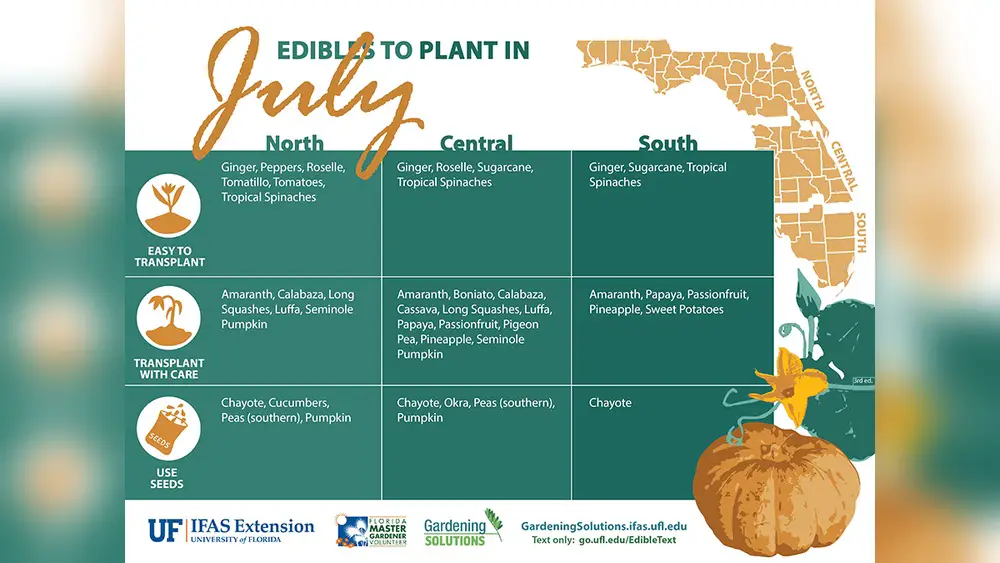
Cucumbers are a refreshing and versatile crop, perfect for Florida gardeners looking to grow fresh produce for salads, pickling, or snacking. Florida’s warm, subtropical climate offers unique opportunities for cucumber cultivation, but timing is critical to ensure healthy plants and bountiful harvests. With distinct wet and dry seasons, varying temperatures across regions, and the risk of pests and diseases, understanding the best time to grow cucumbers in Florida is essential. This guide explores the optimal planting seasons, regional considerations, and expert tips for growing cucumbers in the Sunshine State, optimized for both novice and seasoned gardeners.
Understanding Florida’s Climate for Cucumber Cultivation
Florida’s climate ranges from subtropical in the northern and central regions (USDA Hardiness Zones 8–9) to tropical in the southern regions (Zones 10–11). This diversity affects cucumber planting schedules, as cucumbers are warm-season crops that thrive in specific temperature ranges. Florida experiences a wet season (May to October) with heavy rainfall and high humidity, and a dry season (November to April) with milder temperatures and less precipitation. These seasonal patterns, along with occasional cold snaps in North Florida, influence the best times to plant cucumbers.
Key Climate Factors for Growing Cucumbers
- Temperature: Cucumbers thrive in soil temperatures between 60°F and 90°F and air temperatures between 70°F and 95°F. They are sensitive to frost and extreme heat.
- Rainfall: The wet season provides ample water but can lead to fungal issues, while the dry season requires consistent irrigation.
- Frost Dates: North Florida’s last frost is typically late February to early March, while Central and South Florida are frost-free or have rare, mild frosts.
- Humidity: High humidity in Florida’s summers can promote diseases like powdery mildew, requiring good air circulation and disease-resistant varieties.
By aligning your planting schedule with these factors, you can maximize cucumber yields and plant health.
Best Time to Grow Cucumbers in Florida
Cucumbers are a warm-season crop, making spring and late summer the ideal planting times in Florida. The state’s long growing season allows for multiple cucumber crops per year, but timing varies by region. Below is a detailed breakdown of the best times to plant cucumbers in Florida, tailored to North, Central, and South Florida.
1. Spring Planting (February to April)
Spring is the primary planting season for cucumbers across Florida, as warming temperatures and longer daylight hours create ideal conditions for growth. Planting in spring allows cucumbers to mature before the intense heat and humidity of summer.
- Why It’s Ideal:
- Soil temperatures reach the optimal 60°F–70°F range for seed germination.
- Mild air temperatures (70°F–85°F) support vigorous growth.
- Regular rainfall in late spring reduces watering needs.
- Regional Planting Windows:
- North Florida (Jacksonville, Tallahassee, Zone 8b–9a): Plant from mid-February to early April, after the last frost (typically late February). Early planting avoids summer heat stress.
- Central Florida (Orlando, Tampa, Zone 9b): Plant from early February to mid-March. Frosts are rare, allowing an earlier start.
- South Florida (Miami, Fort Lauderdale, Zone 10–11): Plant from January to March, as frost is not a concern and temperatures are consistently warm.
- Best Cucumber Varieties:
- Slicing Cucumbers: ‘Marketmore 76’ (disease-resistant), ‘Straight Eight’ (reliable yield).
- Pickling Cucumbers: ‘Boston Pickling’ (compact fruit), ‘National Pickling’ (high yield).
- Specialty Cucumbers: ‘Lemon Cucumber’ (round, yellow fruit), ‘Armenian Cucumber’ (heat-tolerant).
- Tips:
- Start seeds indoors 2–3 weeks before transplanting to protect against late frosts in North Florida.
- Use trellises or cages to save space and improve air circulation.
- Plant in well-drained soil enriched with compost to support rapid growth.
2. Late Summer Planting (August to September)
Late summer is a secondary planting window for cucumbers, particularly for a fall harvest. This period works well in Central and South Florida, where temperatures remain warm enough for cucumber growth into fall.
- Why It’s Ideal:
- Cooling temperatures in September (75°F–85°F) are suitable for cucumber development.
- Reduced pest pressure compared to peak summer.
- Allows a second crop before winter in warmer regions.
- Regional Planting Windows:
- North Florida: Plant in mid- to late August for a late October harvest. Avoid planting later due to cooling temperatures.
- Central Florida: Plant from early August to early September for a fall harvest.
- South Florida: Plant from August to October, as warm temperatures persist year-round.
- Best Cucumber Varieties:
- Heat-Tolerant Varieties: ‘Poinsett 76’ (resistant to powdery mildew), ‘Diva’ (parthenocarpic, no pollination needed).
- Compact Varieties: ‘Bush Champion’ (ideal for small spaces), ‘Spacemaster’ (container-friendly).
- Tips:
- Monitor for heavy rains during the wet season; use raised beds to prevent waterlogging.
- Choose disease-resistant varieties to combat humidity-related issues.
- Provide afternoon shade in South Florida to reduce heat stress.
Why Avoid Certain Times?
- Mid-Summer (June to July): Intense heat (above 95°F) and heavy rainfall can stress plants and promote fungal diseases.
- Winter (December to January): Cool temperatures in North and Central Florida slow cucumber growth, and frost risk increases in Zone 8.
- Late Fall (October to November in North Florida): Shortening days and cooler nights hinder fruit development.
Choosing the Right Cucumber Variety for Florida
Selecting the right cucumber variety is crucial for success in Florida’s climate. Consider the following factors when choosing:
- Disease Resistance: Varieties like ‘Marketmore 76’ and ‘Poinsett 76’ resist powdery mildew and downy mildew, common in Florida’s humid conditions.
- Heat Tolerance: ‘Armenian’ and ‘Diva’ perform well in Florida’s warm summers.
- Space Requirements: Bush varieties like ‘Bush Champion’ are ideal for small gardens or containers, while vining types like ‘Straight Eight’ need trellising.
- Purpose: Choose slicing cucumbers for fresh eating, pickling cucumbers for preserves, or specialty types for unique flavors.
Local nurseries like Lukas Nursery (Oviedo) or Sunshine Garden Center (Miami) offer a range of cucumber seeds and seedlings suited for Florida.
Step-by-Step Guide to Growing Cucumbers in Florida
- Prepare the Soil:
- Cucumbers prefer well-drained, fertile soil with a pH of 6.0–6.8.
- Amend sandy Florida soils with compost, aged manure, or peat moss.
- Create raised beds or mounds to improve drainage during the wet season.
- Planting:
- Sow seeds ½–1 inch deep, 12–18 inches apart, in rows or hills.
- For vining varieties, space rows 4–6 feet apart or use trellises.
- Transplant seedlings after 2–3 weeks if started indoors.
- Watering:
- Keep soil consistently moist but not waterlogged. Water 1–2 inches per week during the dry season.
- Use drip irrigation or soaker hoses to avoid wetting foliage, reducing disease risk.
- Fertilizing:
- Apply a balanced fertilizer (e.g., 10-10-10) at planting and again when vines begin to flower.
- Side-dress with compost or a nitrogen-rich fertilizer during fruiting.
- Trellising and Support:
- Use trellises, cages, or stakes to keep vines off the ground, improving air circulation and reducing pest issues.
- Trellising also maximizes space and makes harvesting easier.
- Pest and Disease Management:
- Common Pests: Cucumber beetles, aphids, and spider mites. Use row covers early in the season and neem oil for control.
- Common Diseases: Powdery mildew, downy mildew, and bacterial wilt. Choose resistant varieties and ensure good air circulation.
- Rotate crops annually to prevent soil-borne diseases.
- Harvesting:
- Harvest slicing cucumbers at 6–8 inches, pickling cucumbers at 2–4 inches.
- Cut fruit from the vine with scissors to avoid damaging plants.
- Regular harvesting encourages continuous production.
Regional Tips for Growing Cucumbers in Florida
North Florida (Zones 8b–9a)
- Plant in mid-February to early April to avoid frost and summer heat.
- Use row covers for early spring protection against cold snaps.
- Choose fast-maturing varieties like ‘Marketmore 76’ for a reliable harvest before June.
Central Florida (Zone 9b)
- Plant from early February to mid-March for spring crops, or August for fall crops.
- Provide mulch to retain moisture during the dry season.
- Monitor for pests like cucumber beetles, common in Orlando and Tampa.
South Florida (Zones 10–11)
- Plant year-round, with January to March and August to October as prime windows.
- Use shade cloth in summer to protect plants from intense heat.
- Opt for heat-tolerant varieties like ‘Armenian’ or ‘Diva’ for consistent yields.
Seasonal Care Tips for Cucumbers
Spring (February to May)
- Start seeds indoors in North Florida to extend the growing season.
- Enrich soil with organic matter before planting.
- Install trellises early to support vigorous vine growth.
Summer (June to August)
- Provide afternoon shade in South Florida to reduce heat stress.
- Monitor for fungal diseases and treat with organic fungicides if needed.
- Water consistently during dry spells between rains.
Fall (September to November)
- Plant a second crop in Central and South Florida for a fall harvest.
- Clear summer debris to prevent pest overwintering.
- Reduce watering as temperatures cool but maintain soil moisture.
Winter (December to January)
- Avoid planting in North and Central Florida due to cool temperatures.
- In South Florida, continue growing with heat-tolerant varieties and frost protection if needed.
Local Resources for Florida Gardeners
- University of Florida IFAS Extension: Offers planting calendars and cucumber growing guides for Florida.
- Local Extension Offices: Contact offices in Orange, Duval, or Miami-Dade counties for soil testing and advice.
- Nurseries: Visit Lukas Nursery (Oviedo), Palmer’s Garden & Goods (Orlando), or Sunshine Garden Center (Miami) for seeds and supplies.
- Community Groups: Join Florida gardening groups or follow local farmers on X for tips and inspiration.
Conclusion
The best time to grow cucumbers in Florida is during spring (February to April) for a summer harvest and late summer (August to September) for a fall harvest. By selecting the right varieties, preparing the soil, and timing planting to suit your region’s climate, you can enjoy a bountiful cucumber crop. Whether you’re in North, Central, or South Florida, proper care and attention to seasonal conditions will ensure success. Start your cucumber garden today, and share your progress with Florida’s vibrant gardening community!