
Growing vegetables in Florida’s summer heat can feel like a challenge, but what if you knew exactly which veggies thrive despite the soaring temperatures? You don’t have to give up on your garden just because the sun is blazing.
By choosing the right vegetables, you can enjoy fresh, homegrown produce all season long. You’ll discover the best vegetables to grow in Florida during summer—plants that love the heat and will reward your effort with bountiful harvests. Ready to turn your garden into a summer success story?
Keep reading to find out which veggies will flourish in your Florida summer garden.
Top Vegetables For Florida Summers
Florida summers bring intense heat and humidity. Choosing the right vegetables helps your garden thrive. Some vegetables handle heat better than others. Others grow quickly or produce large harvests. Knowing the top vegetables for Florida summers ensures a successful garden.
Heat-tolerant Choices
Okra thrives in Florida’s heat without much trouble. Sweet potatoes handle heat well and grow in sandy soil. Eggplants prefer warm weather and produce plenty of fruit. Peppers, especially hot varieties, tolerate high temperatures. Southern peas, like black-eyed peas, flourish in hot conditions.
Fast-growing Varieties
Leafy greens like Malabar spinach grow fast and love heat. Bush beans mature quickly and produce steady crops. Cucumbers grow rapidly if watered well and given sun. Summer squash also develop fast and yield many fruits. Radishes mature in just a few weeks, ideal for quick harvests.
High-yield Options
Tomatoes produce many fruits with proper care and heat tolerance. Watermelons grow large and offer a sweet summer treat. Corn can yield many ears in a small space. Zucchini plants provide abundant harvests through the season. Swiss chard offers continuous leaves for picking.

Credit: www.revivalgardening.com
Soil And Climate Tips
Growing vegetables in Florida’s summer means facing unique soil and climate challenges. Understanding these factors helps your garden thrive despite heat and humidity. Adjusting soil and water routines boosts plant health and yield.
Ideal Soil Conditions
Florida soils vary but sandy soil is common. It drains quickly but holds fewer nutrients. Add organic matter like compost to improve texture and fertility. Aim for soil pH between 6.0 and 6.8. This range suits most vegetables. Test soil regularly and adjust with lime or sulfur as needed. Well-drained soil prevents root rot and supports strong growth.
Managing Heat And Humidity
Florida summers are hot and humid, stressing plants. Choose heat-tolerant vegetable varieties for best results. Use shade cloth or plant taller crops to protect smaller ones. Mulching helps keep soil cool and moist. Remove weeds that compete for water and nutrients. Good air circulation reduces disease risk caused by humidity.
Watering Best Practices
Water deeply but less often to encourage strong roots. Early morning watering reduces evaporation and fungal problems. Avoid wetting leaves to prevent diseases. Drip irrigation is efficient and conserves water. Check soil moisture by feeling it an inch below the surface. Consistent watering helps vegetables handle Florida’s summer heat.
Planting And Care
Growing vegetables in Florida’s summer heat requires smart planting and consistent care. Choosing the right time, providing enough sunlight, and managing pests help plants thrive. Understanding these steps boosts your garden’s success and yields fresh, tasty vegetables all season long.
Best Planting Times
Plant summer vegetables early to avoid the hottest months. Start seeds indoors or in shaded areas in late spring. Transplant seedlings outdoors once temperatures stabilize. Some crops, like okra and sweet potatoes, can handle high heat and be planted in early summer. Avoid planting during peak heat to reduce stress on young plants.
Sunlight Requirements
Most summer vegetables need full sun for at least six hours daily. Choose garden spots with direct, unblocked sunlight. Morning sun is especially helpful to dry dew and reduce disease risk. Leafy greens tolerate some afternoon shade. Ensure plants get enough light to grow strong and produce well.
Pest And Disease Control
Keep an eye out for common Florida garden pests like aphids and whiteflies. Use natural remedies such as neem oil or insecticidal soap to control infestations. Remove diseased leaves promptly to stop spread. Rotate crops yearly to avoid soil-borne diseases. Healthy soil and proper watering reduce plant stress and pest problems.
Vegetables To Avoid In Summer
Growing vegetables in Florida’s summer heat can be tough. Some vegetables just do not handle the high temperatures well. Choosing the wrong crops can lead to poor growth and wasted effort. Knowing which vegetables to avoid helps you plan a better garden and get good results.
Heat-sensitive Crops
Many common vegetables cannot tolerate Florida’s intense summer heat. Leafy greens like lettuce and spinach quickly wilt and bolt. They prefer cooler weather and struggle under hot sun. Root vegetables such as carrots and radishes also suffer in the heat. Their roots may become tough or stop growing. Peas and broccoli are other heat-sensitive plants that do not do well in summer.
Common Failures In Florida Heat
Some crops often fail due to Florida’s hot and humid conditions. Tomatoes may drop flowers and produce fewer fruits. Cucumbers might get bitter or develop powdery mildew. Beans can stop flowering and yield poorly. Even peppers, though more heat-tolerant, can struggle without proper care. Avoid these plants in summer unless you can provide shade or extra water.
Companion Planting For Success
Companion planting helps vegetables grow better in Florida’s hot summer. It pairs plants that support each other’s growth. This method improves soil health and reduces pests naturally. Using companion plants saves space and water too. It creates a balanced garden ecosystem that thrives under Florida’s sun.
Beneficial Plant Pairings
Tomatoes grow well with basil. Basil improves tomato flavor and repels insects. Beans enrich soil with nitrogen, helping leafy greens like spinach. Carrots and onions make a good team. Onions keep carrot flies away, while carrots loosen soil for onion roots. Peppers benefit from planting with marigolds, which attract helpful insects.
Natural Pest Deterrents
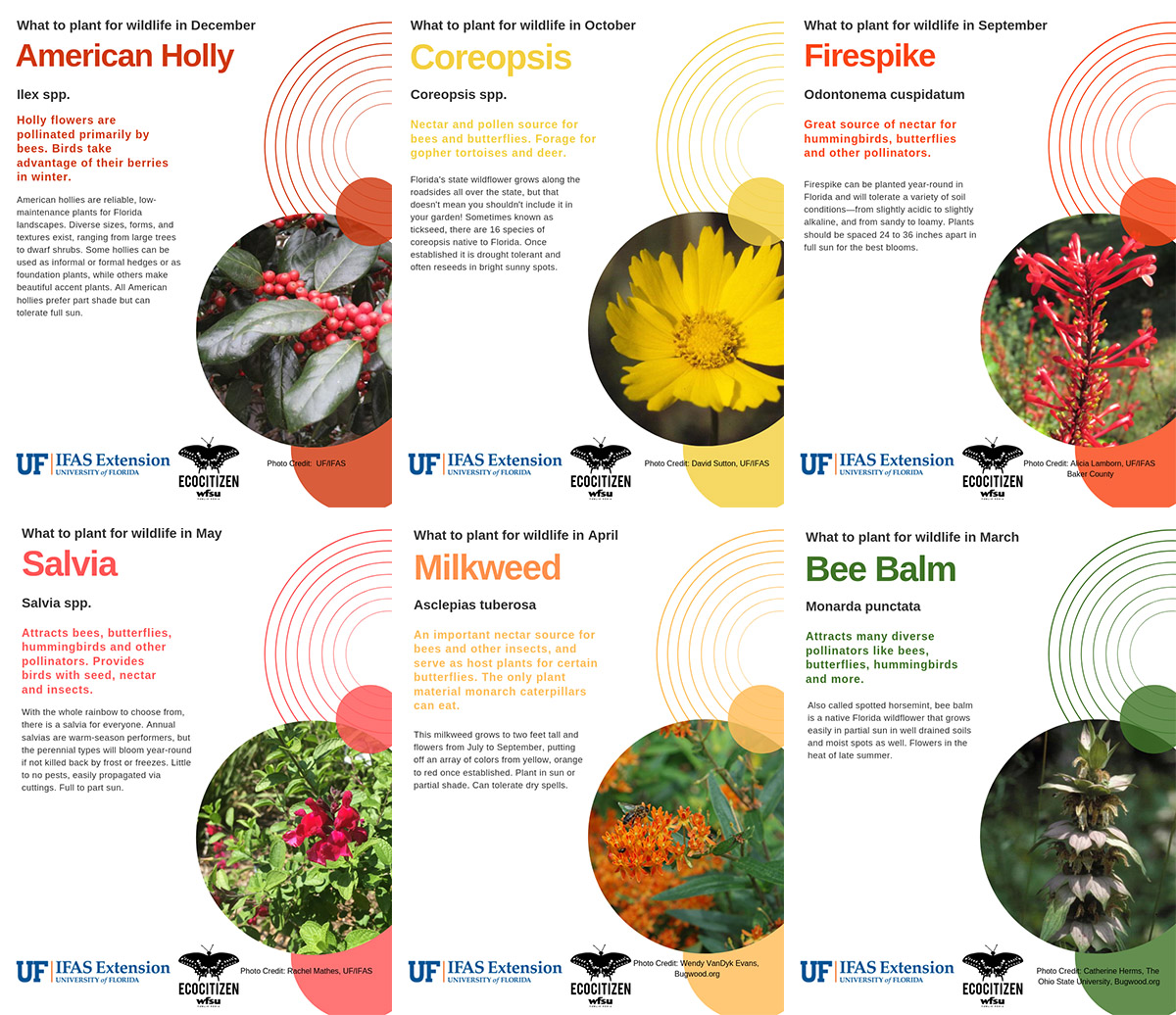
Marigolds are great for deterring nematodes and beetles. Planting garlic near vegetables keeps aphids and spider mites away. Nasturtiums attract aphids, protecting nearby plants like cucumbers. Rosemary and thyme repel mosquitoes and cabbage worms. These plants reduce the need for chemical pesticides in your Florida garden.
Credit: blog.wfsu.org
Harvesting And Storage
Harvesting and storing vegetables properly ensures you enjoy your Florida summer garden at its best. Picking the vegetables at the right time preserves their flavor and nutrition. Storing them correctly keeps them fresh longer and reduces waste. Understanding when and how to harvest and store helps you get the most from your garden.
Signs Of Maturity
Vegetables show clear signs when they are ready to harvest. Leaves often turn a deep green or vibrant color. Fruits and pods reach full size and firm texture. Some vegetables, like beans and cucumbers, should be picked before seeds harden. Check daily to catch the best time for picking.
Proper Harvest Techniques
Use clean, sharp tools to avoid damaging plants. Cut vegetables gently at the stem or twist fruits carefully. Avoid pulling plants out, which can harm future growth. Harvest in the cool morning to keep vegetables crisp. Handle produce with care to prevent bruising and spoilage.
Storage Tips For Freshness
Store most vegetables in a cool, dry place or in the refrigerator. Use breathable bags or containers to avoid moisture buildup. Keep leafy greens wrapped in damp paper towels for longer freshness. Avoid storing tomatoes and cucumbers in the fridge to maintain flavor. Regularly check stored produce and remove any spoiled items.

Credit: www.revivalgardening.com
Conclusion
Growing vegetables in Florida’s summer is rewarding and fun. Choose heat-tolerant plants like okra, sweet potatoes, and peppers. These vegetables handle sun and warmth well. Water them regularly to keep soil moist. Watch for pests and remove them quickly. With care, your summer garden will thrive and produce fresh veggies.
Enjoy the taste of homegrown food all season long. Start planting today and see the difference Florida’s climate makes. Gardening here can be simple and satisfying. Your summer garden awaits!