
Are you struggling to keep track of your plants’ needs and growth? Imagine having a smart helper in your pocket that reminds you when to water, fertilize, or check for pests.
The best gardening apps for tracking plants do exactly that—they make caring for your garden easier and more enjoyable. Whether you have a few indoor plants or a full backyard garden, these apps can help you stay organized, spot problems early, and watch your plants thrive.
Ready to discover which apps can transform your gardening experience? Keep reading, and you’ll find the perfect digital companion for your green thumb.
Top Gardening Apps
Tracking plants can be easier with the right tools. Gardening apps help you manage watering, feeding, and plant care schedules. They also let you identify plants and spot problems early. Here are some top gardening apps that make plant care simple and fun.
Plantin Features
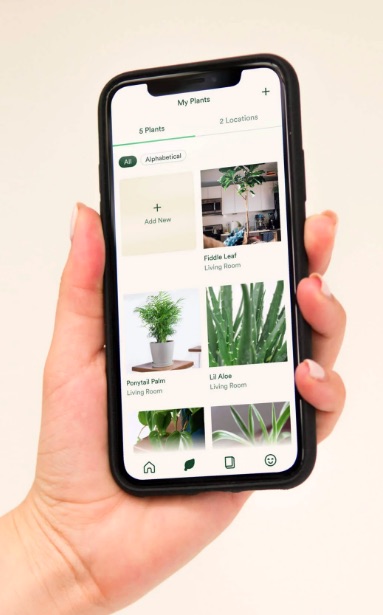
PlantIn offers a user-friendly interface for plant tracking. It sends reminders for watering and fertilizing. The app also identifies plants from photos. It helps you create a personalized plant care calendar. Users can log plant growth and health details. PlantIn supports a wide variety of houseplants and garden plants.
Planta Benefits
Planta focuses on easy plant care guidance. It gives tips based on your plant types and location. The app adjusts watering reminders to weather changes. It helps diagnose plant problems with photo analysis. Planta also suggests the best light conditions for each plant. It suits beginners and experienced gardeners alike.
Leafsnap Overview
LeafSnap specializes in plant identification using leaf photos. It uses artificial intelligence to match leaves with species. The app includes a large database of trees, flowers, and shrubs. Users get detailed information about each plant. LeafSnap works offline, making it ideal for outdoor use. It’s great for exploring nature and learning plant names.
Plant Parent Insights
Plant Parent tracks plant care tasks and health. It offers daily reminders for watering and feeding. The app records plant growth with photos and notes. Users receive tips for improving plant health. Plant Parent supports community sharing to connect with other gardeners. It makes plant care more organized and enjoyable.
Gardenize Capabilities
Gardenize helps you plan and document your garden. It lets you add photos and notes for each plant. The app tracks care activities and schedules automatically. Gardenize offers garden design tools and plant catalogs. It supports multiple gardens and plant types. This app is perfect for both casual and serious gardeners.

Credit: www.reddit.com
Plant Identification Tools
Plant identification tools help gardeners learn about their plants fast. These apps use photos and databases to name plants. Knowing a plant’s name helps with care and tracking. Several apps offer unique features and accuracy levels. Choosing the right one depends on your needs and preferences.
Picturethis Accuracy
PictureThis identifies plants by analyzing photos you take. It has a large database and uses AI technology. The app often gives precise results, with about 87% accuracy. It also provides care tips and disease diagnosis. The user interface is simple, making it easy for beginners. Regular updates improve its recognition abilities over time.
Inaturalist Pros And Cons
iNaturalist is a community-driven app combining AI and human help. It covers plants, animals, and fungi worldwide. Users upload images and get identification from experts and AI. Pros include a vast species database and social interaction. Cons involve occasional slow identification and less focus on plant care. It suits gardeners who want to learn and share with others.
Plantnet Comparison
PlantNet focuses on wild plants and offers regional identification. It uses photos from users to improve its data continuously. The app’s accuracy is near 87%, similar to PictureThis. It lacks detailed care advice but excels in plant diversity. PlantNet is free and open-source, attracting nature enthusiasts. It works well for identifying unknown plants outdoors.
Plantifier Utility
Plantifier allows users to identify plants with community support. It relies on user submissions reviewed by plant experts. Its strength lies in accurate results through expert validation. Plantifier does not use AI, so identification speed varies. It is useful for rare or difficult plants. The app fosters a helpful gardening community.
Tracking And Care Features
Tracking and care features in gardening apps help gardeners manage plant health with ease. These tools keep plants thriving by reminding users about watering and feeding. They also detect issues early and monitor environmental needs. These apps guide users with custom care tips for each plant type. This section explores key tracking and care features in the best gardening apps.
Scheduling And Reminders
Gardening apps offer scheduling tools to plan watering, fertilizing, and pruning. Users receive timely reminders to care for plants. This prevents missed care tasks that could harm plant growth. The simple alerts keep your garden healthy and strong. Scheduling features save time and reduce stress for busy gardeners.
Problem Detection
Apps use photos and data to spot plant problems early. They identify pests, diseases, and nutrient deficiencies quickly. Early detection helps prevent severe damage and plant loss. Users get advice on how to fix issues right away. This feature acts like a digital plant doctor in your pocket.
Light And Water Monitoring
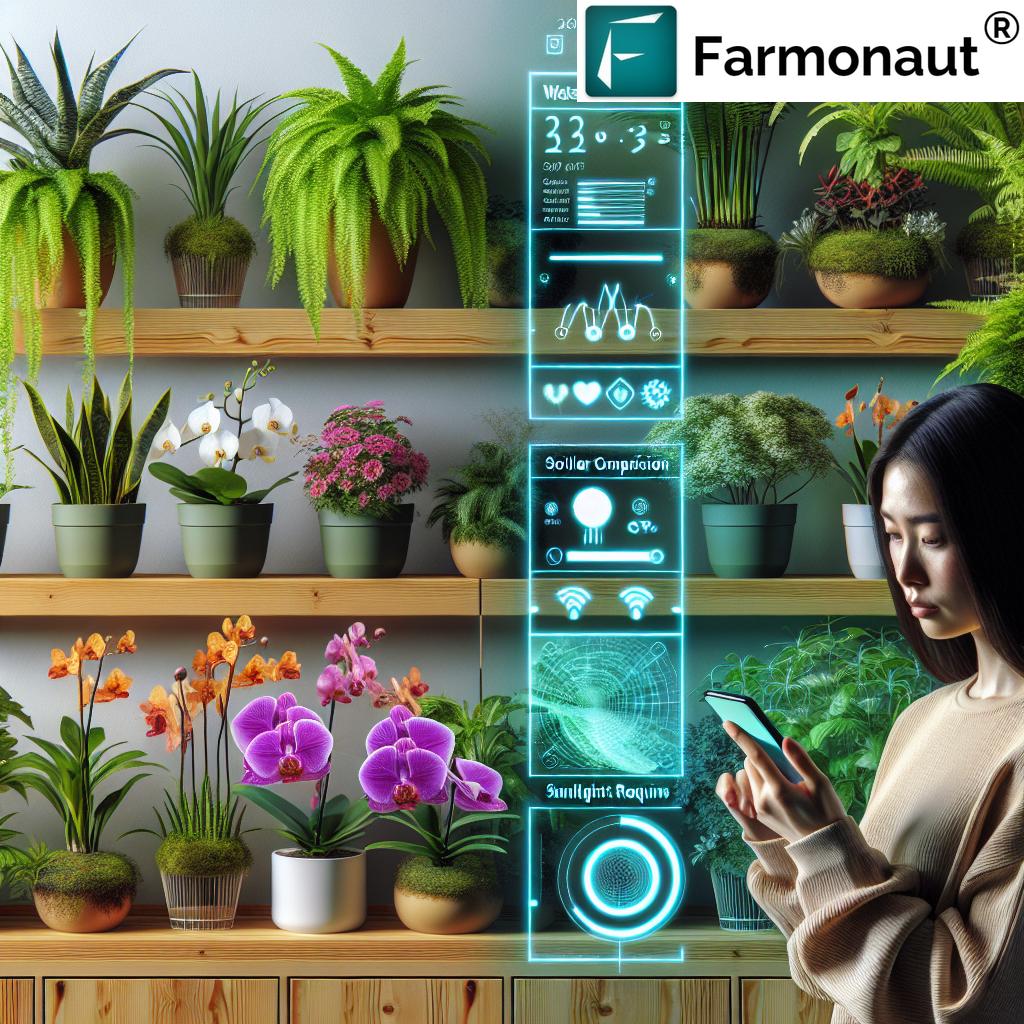
Light and water sensors track the environment around plants. Apps measure sunlight exposure and soil moisture levels. This data shows if plants get enough light and water. Users adjust care based on real-time information. Monitoring these factors improves plant growth and health.
Custom Care Tips
Gardening apps provide personalized advice for each plant species. Tips cover watering frequency, sunlight needs, and feeding schedules. Users learn how to meet specific care requirements easily. Custom tips boost plant health and reduce guesswork. This feature makes plant care simple and effective.
Garden Planning Apps
Garden planning apps help gardeners organize and track their plants easily. They turn complicated garden layouts into simple visual plans. These apps support better plant care and higher yields. Using them saves time and reduces mistakes in the garden. Many include tools for mapping, tracking harvests, and keeping notes. Even beginners find these apps helpful for planning and managing their gardens.
Garden Planner Tools
Garden planner tools let you design your garden layout on a screen. You can drag and drop plants to plan their placement. These tools often include plant spacing and sunlight needs. They help avoid overcrowding and ensure plants get enough light. Some apps suggest companion plants to boost growth. This planning prevents issues and helps your garden thrive.
Mapping Your Garden
Mapping features allow you to create a detailed map of your garden area. You can mark rows, beds, and paths precisely. This view helps track what is planted and where. It also helps rotate crops each season to keep soil healthy. Garden maps are easy to update as plants grow or change. This keeps your garden organized and easy to manage.
Harvest Tracking
Harvest tracking tools record when plants are ready to pick. You can log harvest dates and amounts harvested. This data shows which plants produce best and when. It helps plan future planting times for steady harvests. Some apps send reminders for harvesting or watering. Tracking harvests improves your garden’s productivity over time.
Note Taking And Photos
Note taking and photo features let you document your garden’s progress. You can write notes about plant health and care tasks. Uploading photos helps spot changes or problems early. Visual records make it easier to remember what worked well. Notes and photos create a personal garden journal. This helps learn from each season and improve results.
Free Vs Paid Apps
Choosing between free and paid gardening apps can shape your plant care experience. Free apps offer basic tools to track and care for plants. Paid apps often provide more detailed features and personalized help. Understanding these options helps you find the right app for your garden.
Free App Options
Free gardening apps let you track watering and sunlight needs. Many include plant identification and basic care tips. These apps suit beginners or casual gardeners. They often have ads or limited features. Still, they cover essential gardening tasks without cost.
Paid App Advantages
Paid apps give deeper insights and advanced tracking tools. They may offer reminders, disease diagnosis, and growth analytics. Some include expert advice and community support. These apps suit serious gardeners wanting detailed care. They usually remove ads for a smoother experience.
Trial And Subscription Models
Many paid apps offer free trials to test features. Trials help you decide if the app fits your needs. Subscription plans vary by length and cost. Monthly or yearly options are common. Choose a model that matches your gardening frequency and budget.
User Experience And Reviews
User experience plays a big role in choosing the best gardening apps for tracking plants. Good reviews tell us how helpful and easy an app is. Let’s explore key aspects that affect user satisfaction. These points help gardeners pick apps that fit their needs perfectly.
Ease Of Use
Apps must be simple to navigate. Clear menus and easy buttons help users save time. New gardeners prefer apps without complicated settings. Many positive reviews praise apps that show plant info quickly. A smooth experience keeps users coming back daily.
Community Support
A strong user community adds value. Users can share tips and solve plant problems together. Forums and chat features build a helpful network. Good apps encourage plant lovers to connect and learn. Many gardeners say community support improves their growing success.
Ad Tolerance
Ads can disrupt the gardening flow. Too many ads annoy users and lower app ratings. Top apps balance ads with free features well. Paid versions usually remove ads for a cleaner experience. Users prefer apps with fewer interruptions during plant care.
App Performance
Fast loading and reliable functions matter most. Apps that crash or freeze get poor reviews. Smooth performance helps track watering and growth easily. Updates fixing bugs boost user trust and app ratings. Reliable apps make plant tracking a pleasant habit.
Specialized Apps For Farmers
Specialized apps for farmers help manage crops with precision and ease. These tools are designed to address the unique challenges of farming. They assist in tracking plant health, diagnosing problems, and boosting yield. Farmers gain insights directly from the field through these apps. Technology supports better decisions and efficient farm management.
Plantix Features
Plantix is a smart app made for farmers. It uses photos to identify plant diseases. The app also offers advice on treatment. It supports many crops and pests worldwide. Farmers get instant feedback to protect their plants. The app works offline, useful in remote areas. It also keeps records of farm activities. This helps track plant progress and issues.
Crop Problem Diagnosis
Plantix analyzes images to find crop problems quickly. It detects diseases, pests, and nutrient deficiencies. The app explains symptoms in simple words. It suggests organic and chemical solutions. Farmers can compare affected areas over time. This reduces crop loss and improves health. Early diagnosis saves time and money.
Productivity Improvements
Plantix helps farmers increase crop yield. It advises on best farming practices. The app offers weather updates and soil tips. It promotes sustainable farming methods. Farmers plan better planting and harvesting schedules. Improved productivity leads to higher income. The app connects farmers with experts and communities.
Credit: coolmomtech.com
Credit: farmonaut.com
Frequently Asked Questions
What Is The Best App For Tracking Plants?
The best app for tracking plants includes PlantIn, Planta, LeafSnap, and Plant Parent. They offer care schedules, identification, and problem detection. These apps simplify plant care and help maintain healthy growth effortlessly.
Which App Is Better, Plantnet Or Inaturalist?
PlantNet excels in plant identification with a large database. INaturalist offers broader biodiversity tracking and community support. Choose PlantNet for precise plant ID, iNaturalist for diverse nature observations and social features. Both apps complement each other well.
Is There A Free App That Tells You What Is Wrong With Your Plant?
Yes, free apps like Plantix and LeafSnap diagnose plant issues by analyzing photos and offer care advice instantly.
What Is The Best App For Recognizing Plants?
The best app for recognizing plants is PlantIn, known for 100% accuracy. LeafSnap, PictureThis, and PlantNet also offer reliable identification features. These apps help identify plants quickly and provide care tips for beginners and experts alike.
Conclusion
Choosing the right gardening app can make plant care simple and fun. These apps help track watering, sunlight, and growth easily. They also remind you when to fertilize or prune your plants. Using a reliable app saves time and reduces plant stress.
Enjoy watching your garden thrive with helpful digital tools. Start exploring these apps today and see the difference yourself. Happy gardening!