Florida’s unique climate is a perfect haven for a fascinating array of carnivorous plants. This guide explores the best insect-eating plants Florida gardeners can cultivate, offering insights into popular varieties like Venus flytraps, pitcher plants, sundews, and butterworts. Learn essential care tips for these captivating predators, including light, water, and soil requirements, and discover where to find them to enhance your landscape with natural pest control and stunning botanical beauty.
Florida, with its warm temperatures and high humidity, offers an ideal environment for a thrilling category of plants: insect-eating, or carnivorous, plants. Far from being exotic novelties, many of these botanical wonders are native to the Sunshine State, perfectly adapted to its unique conditions. They don’t just add an unusual touch to your garden; they also serve as fascinating, natural pest controllers. If you’re looking to introduce something truly extraordinary and beneficial to your Florida home, exploring the world of insect-eating plants is a magnificent place to start.
Why Choose Insect-Eating Plants for Your Florida Landscape?
Beyond their captivating appearance, carnivorous plants offer several compelling reasons to include them in your Florida garden.
Natural Pest Control
One of the most practical benefits of these plants is their ability to naturally manage insect populations. Mosquitoes, flies, gnats, and other small pests that are abundant in Florida can become prey for these hungry plants. It’s an eco-friendly way to reduce reliance on chemical sprays.
Unique Aesthetic Appeal
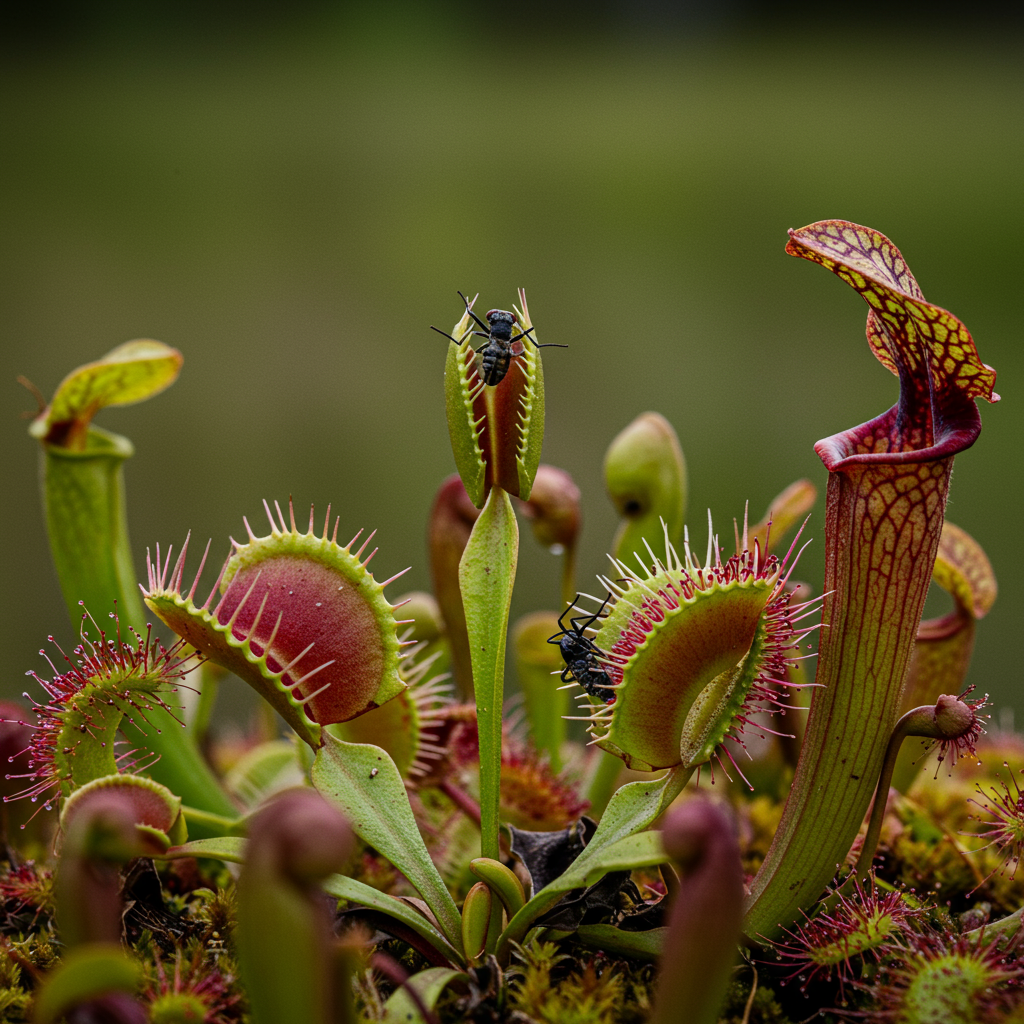
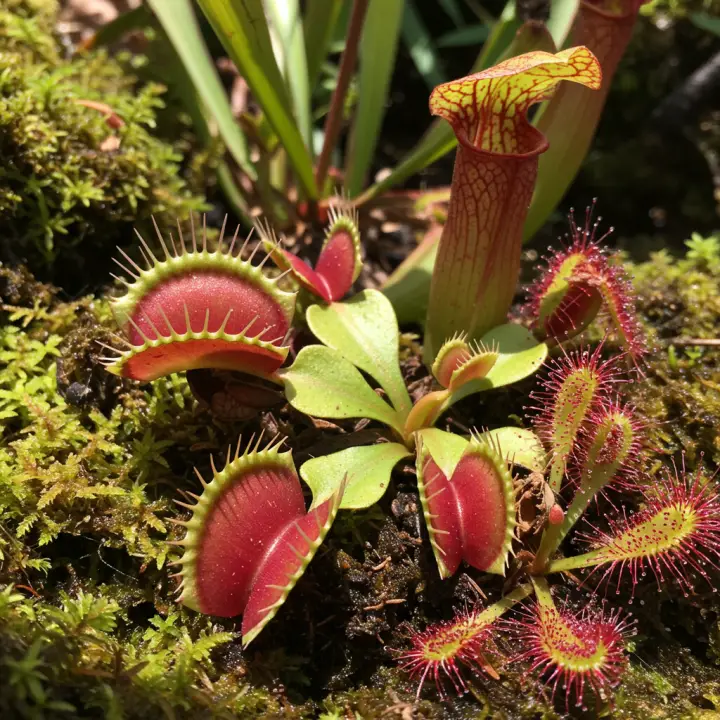
Carnivorous plants boast an incredible diversity of forms, colors, and trapping mechanisms. From the iconic snapping jaws of a Venus flytrap to the elegant pitchers of Sarracenia and the sparkling dewdrops of Drosera, they add an unparalleled visual interest and conversation starter to any outdoor or indoor space.
Educational Value
For families and plant enthusiasts, insect-eating plants offer a living science lesson. Observing their traps in action, understanding their unique adaptations, and learning about their ecosystems can be an incredibly enriching experience.
Top Picks: Best Insect-Eating Plants Florida Gardens Will Love
Florida’s climate is especially suited for a variety of carnivorous plants. Here are some of the most stunning and successful options for your garden.
The Iconic Venus Flytrap (Dionaea muscipula)
While not native to Florida (they hail from the Carolinas), Venus flytraps thrive in Florida’s mild winters and humid summers. Their famous snap traps are incredibly effective at catching flies and other small insects.
Care in Florida: They need at least 6 hours of direct sunlight. Keep their soil consistently moist with distilled water, rainwater, or reverse osmosis (RO) water. Plant them in a mix of peat moss and perlite or sand. They can tolerate Florida’s short, mild winters outdoors.
Elegant Pitcher Plants (Sarracenia spp. & Nepenthes spp.)
Pitcher plants are renowned for their striking, tubular leaves that act as pitfall traps. Insects are lured by nectar and colors, slip into the pitcher, and are digested by enzymes.
Florida Native Pitcher Plants: Several Sarracenia species are native to Florida, including the yellow pitcher plant (S. flava), hooded pitcher plant (S. minor), purple pitcher plant (S. purpurea), and white-top pitcher plant (S. leucophylla). These are perfectly adapted to Florida’s boggy environments.
Tropical Pitcher Plants (Nepenthes): While not native, many Nepenthes species can also thrive in Florida’s high humidity, especially if given some shade from the hottest afternoon sun and protection from cold snaps. Their hanging pitchers are truly spectacular.
Care in Florida: Most Sarracenia require full sun to partial sun. Like Venus flytraps, they need consistently moist, nutrient-poor soil (peat moss and perlite/sand) and pure water. Nepenthes prefer brighter indirect light and high humidity.
Dazzling Sundews (Drosera spp.)
Sundews are named for the glittering “dewdrops” of sticky mucilage that cover their leaves. These tiny, sparkling droplets are incredibly effective at trapping small insects. They are mesmerizing to watch as they slowly curl their leaves around their prey.
Florida Native Sundews: Florida is home to several beautiful sundew species, such as the pink sundew (Drosera capillaris) and the threadleaf sundew (Drosera filiformis). These delicate plants often grow in open, wet, sunny areas.
Care in Florida: Most sundews need bright light and continuously damp soil. They are generally small, making them excellent choices for terrariums or bog gardens. Use the same pure water and soil mix as for Venus flytraps and pitcher plants.
Understated Butterworts (Pinguicula spp.)
Butterworts are less dramatic but equally effective insect hunters. Their succulent leaves are covered in tiny carnivorous glands that produce a sticky, butter-like substance, trapping small insects like gnats and fruit flies.
Florida Native Butterworts: Several Pinguicula species are native to Florida, thriving in its wet, sandy, and sometimes alkaline soils, such as the blue-flowered butterwort (P. caerulea), yellow butterwort (P. lutea), and white butterwort (P. planifolia).
Care in Florida: They generally prefer bright, indirect light to partial shade. Many Florida native butterworts can tolerate a wider range of soil conditions, sometimes even growing in lime-containing soils, but consistently moist, pure water is still essential. They are excellent for controlling indoor pests.
Essential Care Tips for Thriving Carnivorous Plants in Florida
To ensure your insect-eating plants flourish in Florida, understanding their specific needs is crucial.
The Right Sunlight
Most carnivorous plants, especially Venus flytraps, Sarracenia pitcher plants, and sundews, demand plenty of direct sunlight—at least 6-8 hours daily. Nepenthes and butterworts can tolerate more partial sun or bright indirect light, especially during the hottest parts of the day.
Pure Water is Key
This is arguably the most critical factor. Carnivorous plants absorb nutrients through their prey, not their roots. Regular tap water contains minerals and chemicals (like chlorine and fluoride) that will “burn” their sensitive roots and eventually kill them. Always use:
Distilled water
Rainwater
Reverse osmosis (RO) water
Keep the soil consistently moist, often by placing pots in a tray of standing water.
Specialized Soil Mix
Do not use regular potting soil. It’s too nutrient-rich. Instead, opt for a nutrient-poor, acidic, and well-draining mix, typically:
Sphagnum peat moss (not coir)
Perlite or horticultural sand (silica sand, not play sand)
A common ratio is 1:1 peat moss to perlite/sand.
Humidity Matters
Florida’s naturally high humidity is a huge advantage for most carnivorous plants, making them easier to grow outdoors here than in drier climates. If growing indoors, especially if your AC runs frequently, consider a humidity tray or a terrarium.
Resisting the Urge to Fertilize
Never fertilize your carnivorous plants. They get all the nutrients they need from the insects they catch. Fertilizers will quickly kill them.
Feeding Your Plants (Or Letting Them Hunt)
For outdoor plants, they’ll catch enough insects on their own. If growing indoors and they’re not catching much, you can occasionally offer a small, live insect (e.g., a fly or gnat) to their traps. Avoid feeding them human food or dead insects that won’t trigger their enzymes.
Where to Find Insect-Eating Plants in Florida
Ready to add these botanical wonders to your collection? Here’s where to look:
Local Nurseries and Garden Centers
Many larger nurseries, especially those specializing in unique plants, will carry Venus flytraps and some pitcher plant varieties. Ask for staff knowledge on carnivorous plant care.
Online Retailers
A wide array of carnivorous plant specialists operate online, offering a broader selection of species, including rare sundews and butterworts. Ensure they ship to Florida and have good reviews.
Specialty Carnivorous Plant Societies
Joining local or national carnivorous plant societies can connect you with enthusiasts, growers, and even opportunities to acquire plants through trades or sales at special events.
FAQs Section
Q: Are insect-eating plants hard to care for in Florida?
A: While they have specific needs, they are not inherently difficult. Florida’s high humidity and mild climate are actually very beneficial. The main challenges are ensuring you use the correct pure water, specialized soil, and adequate sunlight.
Q: Do carnivorous plants eat mosquitoes?
A: Yes, many carnivorous plants, particularly pitcher plants and sundews, can catch and digest mosquitoes and their larvae if given the opportunity. They can be a helpful addition to natural mosquito control efforts.
Q: Can I grow insect-eating plants indoors in Florida?
A: Absolutely! Many carnivorous plants, especially smaller sundews, butterworts, and Venus flytraps, do very well indoors on sunny windowsills or under grow lights. Ensure they still receive high humidity if your indoor air is dry.
Q: What kind of water should I use for my carnivorous plants?
A: Always use distilled water, collected rainwater, or reverse osmosis (RO) water. Tap water contains minerals that are harmful to their sensitive roots.
Q: Are these plants dangerous to pets or children?
A: No. Carnivorous plants are only interested in insects. They pose no threat to humans or pets.
Conclusion
Embracing the best insect-eating plants Florida has to offer is a unique way to enhance your garden with both beauty and purpose. From the dramatic theatrics of the Venus flytrap to the elegant pitchers of Sarracenia* and the sparkling allure of sundews, these carnivorous wonders provide natural pest control, stunning visual interest, and endless educational opportunities. By providing them with their specific requirements—pure water, nutrient-poor soil, and ample sunlight—you can enjoy a thriving, captivating collection of nature’s most peculiar predators right in your own Florida paradise. Dare to cultivate these fascinating botanical marvels and watch your garden transform!