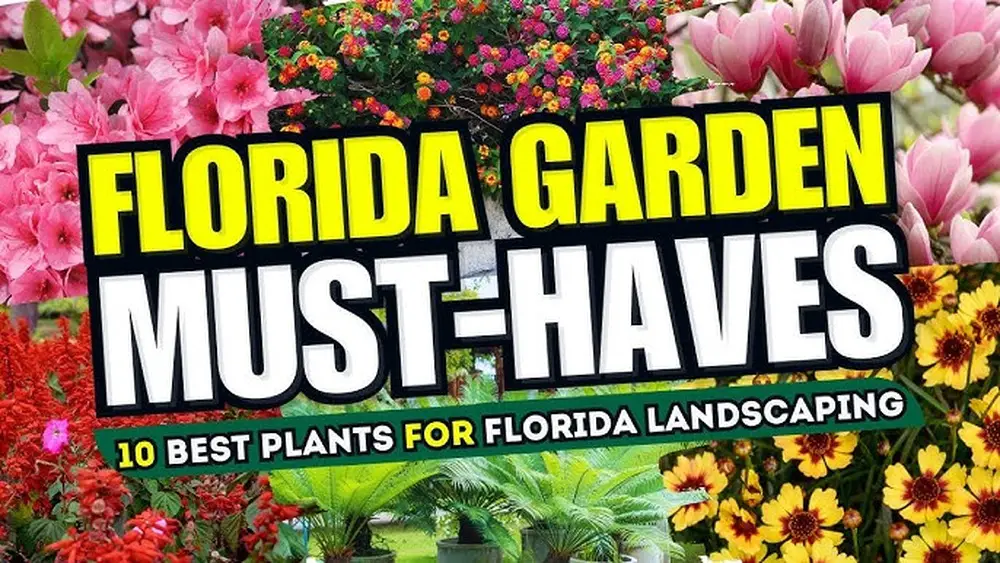
If you want your garden in Orlando, Florida to thrive, knowing the best planting dates is key. Timing your planting just right means your plants will grow faster, stronger, and healthier.
Whether you’re planting vibrant flowers, fresh vegetables, or sturdy shrubs, the right date can make all the difference between a blooming success and a struggling patch. You’ll discover exactly when to plant your favorites to get the most out of Orlando’s unique climate.
Ready to unlock the secret to a beautiful garden year-round? Keep reading to learn how to time your planting perfectly for amazing results.
Climate Impact On Planting
Understanding the climate is essential for choosing the best planting dates in Orlando, Florida. The city’s weather directly affects plant growth and health. Gardeners must consider temperature, frost risks, and rainfall to ensure plants thrive. Careful timing helps avoid damage and boosts yield.
Orlando’s Growing Season
Orlando enjoys a long growing season lasting about 10 months. Warm temperatures allow planting from early spring to late fall. This extended period supports a wide variety of vegetables, flowers, and shrubs. Many plants can grow year-round, but growth slows in winter.
Temperature And Frost Dates
Frost is rare but possible from December to February. The last frost usually occurs by mid-March. The first frost often appears in late November. Planting after the last frost protects young plants from cold damage. Heat-tolerant plants do well in summer’s high temperatures.
Rainfall Patterns
Orlando receives most rain from June to September. This wet season helps plants grow fast but may cause root problems. Dry months occur between October and May, requiring extra watering. Knowing rainfall patterns helps gardeners plan irrigation and avoid water stress.

Credit: www.youtube.com
Best Planting Periods
Choosing the right time to plant in Orlando is key to a healthy garden. The city’s warm climate allows planting almost year-round. Still, some seasons offer better growth and success for many plants. Knowing the best planting periods helps you plan and enjoy a vibrant garden.
Spring Planting Dates
Spring is a prime time for planting in Orlando. Start after the last cold spell, usually mid-March to early April. This period offers warm soil and longer daylight. Many vegetables and flowers thrive when planted now. Tomatoes, peppers, and beans do well in spring. It also gives plants time to establish before the summer heat arrives.
Summer Planting Tips
Summer in Orlando can be hot and humid. Plant heat-tolerant crops like okra, sweet potatoes, and southern peas. Water plants early in the morning to reduce stress. Use mulch to keep soil moist and cool. Avoid planting new seedlings in the peak afternoon heat. Instead, focus on maintaining and caring for existing plants.
Fall And Winter Considerations
Fall is a good time to plant cool-season crops like lettuce, carrots, and broccoli. The soil remains warm, helping seeds germinate quickly. Winter planting is possible but slower. Choose hardy plants that can handle cooler temperatures. Protect tender plants from occasional cold snaps. Use row covers or bring pots indoors during frost.
Vegetables And Herbs
Growing vegetables and herbs in Orlando requires knowing the best planting dates. The city’s warm climate allows many crops to thrive year-round. Still, some plants do better in warm seasons, while others prefer cooler times. Choosing the right planting time helps your garden flourish and produce healthy yields.
Warm-season Crops
Warm-season vegetables grow well in Orlando from late March to early June. Plant tomatoes, peppers, eggplants, and beans during this period. These crops love heat and sunlight. They need well-drained soil and regular watering to thrive. Starting seeds indoors a few weeks before transplanting helps strong growth. Avoid planting too late in summer to prevent heat stress.
Cool-season Crops
Cool-season vegetables do best in Orlando from October to February. Plant lettuce, spinach, broccoli, carrots, and cabbage in these months. They prefer mild temperatures and can tolerate light frosts. These crops grow slower but develop better flavor in cool weather. Use mulch to protect roots and keep soil moist. Harvest before spring heat arrives for best quality.
Herbs Suitable For Orlando
Many herbs grow well in Orlando’s climate. Basil, thyme, oregano, and rosemary thrive in warm weather. Plant these herbs from late March through early summer. Cilantro and parsley prefer cooler months and grow best from October to February. Herbs need good sunlight and well-drained soil. Regular pruning encourages bushy growth and better flavor.
Credit: cleancookingcaitlin.com
Flowering Plants
Flowering plants bring color and life to Orlando gardens. Choosing the right planting dates helps flowers thrive. Timing affects bloom quality and plant health. Understanding local climate patterns ensures better growth and vibrant blooms.
Annual Flowers Planting Times
Annual flowers grow and bloom within one season. Plant them after the last frost in early spring. In Orlando, this is usually mid-March to early April. Summer annuals can be planted in late spring. Avoid planting during the hottest months to prevent stress. Fall annuals do well when planted in September or October. Water regularly and use mulch to keep soil moist.
Perennials Establishment
Perennials return year after year with proper care. Plant perennials in early spring or fall for best root growth. Early spring planting helps plants establish before summer heat. Fall planting allows roots to grow in cooler weather. First year focuses on root development, not blooms. Provide consistent water to support establishment. Mulching reduces weeds and retains moisture.
Native Florida Flowers
Native flowers adapt well to Orlando’s climate. They need less water and fertilizer than non-natives. Plant native flowers in early spring or fall. Examples include Coreopsis, Blanket Flower, and Black-eyed Susan. These plants attract pollinators like bees and butterflies. Native flowers improve garden biodiversity and sustainability. Choose species suited to your soil and sunlight conditions.
Trees And Shrubs
Trees and shrubs add beauty and shade to Orlando gardens. Choosing the right planting date ensures their healthy growth. Proper timing helps roots establish before harsh weather arrives. It also reduces stress from heat and drought. Understanding the best months and care steps improves plant survival and vigor.
Optimal Planting Months
In Orlando, plant trees and shrubs from late winter to early spring. February through April offers cooler temperatures and some rain. This period helps roots grow strong before summer heat. Fall planting, from October to November, also works well. Avoid summer planting due to high heat and drought risks. Planting during these months supports steady growth and root establishment.
Root Development Stages
Root growth starts soon after planting. The first few months focus on root spreading underground. This stage is critical for water and nutrient absorption. After roots develop, shoots and leaves begin to grow more rapidly. The second year shows visible growth above ground. By the third year, trees and shrubs reach full strength. Healthy root systems lead to strong plants and better drought tolerance.
Drought And Heat Stress Management
Orlando’s summer heat can harm young trees and shrubs. Water deeply and regularly during dry spells. Mulching helps keep soil moist and cool. Avoid watering in the midday sun to reduce evaporation. Shade cloths protect sensitive plants from harsh rays. Watch for wilting or leaf drop as signs of stress. Early care prevents damage and supports plant health.
Garden Design Tips
Garden design plays a key role in making your Orlando garden beautiful and healthy. Good design helps plants grow well and makes the space inviting. Simple tips can guide your choices for planting and arranging. These tips work well with the best planting dates in Orlando Florida.
Rule Of Three In Plant Grouping
Use odd numbers in groupings, especially three plants together. Groups of three feel natural and balanced to the eye. Plant one tall, one medium, and one low plant for variety. This creates a layered look that adds depth and interest. The rule of three also works with pots, stones, or garden decorations. It helps form harmony in your garden layout.
Balancing Height, Color, And Texture
Mix plants of different heights to avoid a flat look. Use colors that contrast but also match well. Combine smooth and rough textures for a natural feel. This balance keeps the garden lively and appealing. Tall plants can provide shade and structure. Low plants fill gaps and soften edges. Color and texture changes guide the eye through the garden.
Creating Visual Focal Points
Choose one or two spots to draw attention in your garden. Use bold colors, unique plants, or garden art there. Focal points give the garden a clear center. They help visitors enjoy the space more. Keep the rest of the garden simple to highlight these areas. Focal points add personality and style to your garden design.
Plant Care Strategies
Proper plant care is essential for success in Orlando’s warm climate. Understanding how to protect plants from stress and support their growth ensures healthy gardens. Simple strategies can make a big difference in plant health and yield.
Avoiding Midday Heat Stress
Orlando’s sun can be harsh during midday. Plants close their pores to save water and reduce damage. Avoid watering or working with plants between 10 a.m. and 4 p.m. Instead, focus on early mornings or late afternoons. Shade young plants during peak heat to prevent wilting and sunburn. This helps plants stay strong and reduces water loss.
Watering Best Practices
Water deeply but less often to encourage strong root growth. Early morning watering reduces evaporation and allows plants to absorb moisture. Avoid watering leaves to prevent disease. Use drip irrigation or soaker hoses to deliver water directly to roots. Check soil moisture before watering to avoid overwatering. Proper watering keeps plants healthy and reduces stress.
Soil Preparation And Mulching
Good soil supports plant growth by providing nutrients and proper drainage. Loosen soil before planting to improve root expansion. Add organic matter like compost to enrich soil fertility. Mulch helps retain moisture and controls weeds. Apply a 2-3 inch layer around plants but keep mulch away from stems. This method keeps soil cool and moist, promoting healthy roots.

Credit: www.youtube.com
Frequently Asked Questions
What Is The Best Month To Plant In Florida?
The best months to plant in Florida are March through early April. This avoids frost and supports faster growth. Florida’s warm climate allows year-round planting, but spring planting yields the best results.
What Is The Rule Of 3 In Gardening?
The rule of 3 in gardening means grouping plants in odd numbers, usually three, for visual balance. Combine tall, medium, and low plants to create a natural, appealing arrangement. This technique enhances color, texture, and focal points, making gardens more dynamic and harmonious.
What Can I Plant In October In Florida?
Plant cool-season vegetables like spinach, kale, broccoli, and carrots in Florida during October. Start herbs such as cilantro and parsley. October also suits planting lettuce and radishes. Choose crops that thrive in mild fall temperatures for best growth.
What To Plant In Central Florida In August?
Plant heat-tolerant crops like okra, sweet potatoes, southern peas, and eggplant in Central Florida during August. Start warm-season herbs too.
Conclusion
Planting at the right time helps your garden thrive in Orlando’s climate. Choose dates after the last cold spell for best results. Spring and summer offer faster growth, while fall and winter slow plants down. Starting with healthy soil and watering regularly also boosts success.
Watch your garden grow year after year with simple care and timing. Happy planting!