
Imagine stepping out to your Florida pool area and being greeted by vibrant, lush plants that not only survive the heat but thrive around your water oasis. Choosing the best plants around your pool is more than just picking pretty greenery—it’s about creating a relaxing, beautiful space that feels like your personal paradise.
You want plants that handle Florida’s sun, resist pests, and require little fuss so you can spend more time enjoying your pool and less time maintaining the garden. In this guide, you’ll discover the top plants that blend durability, style, and easy care perfectly for your Florida poolside.
Get ready to transform your outdoor space into a stunning retreat you’ll love all year round.

Credit: www.swimmingpool.com
Florida Poolside Climate
Florida’s poolside climate shapes what plants thrive best around your swimming area. The state has unique weather patterns and soil conditions. These factors influence plant health and maintenance needs. Choosing the right plants means understanding the local climate well.
Heat And Humidity Factors
Florida experiences intense heat for much of the year. High humidity levels add moisture to the air daily. Plants near pools must handle long periods of heat and wetness. Tropical and subtropical plants often adapt well here. They tolerate heat without wilting and resist fungal diseases linked to humidity.
Rainfall Patterns
Florida’s rainfall is heavy in summer and lighter in winter. Sudden storms can soak poolside plants quickly. Good drainage helps prevent root rot. Plants that survive both wet and dry spells work best by the pool. Selecting species that manage irregular water supply reduces garden stress and care needs.
Soil Types Near Pools
Soil near pools varies but often includes sandy or clay elements. Sandy soils drain fast but hold fewer nutrients. Clay soils retain water but may cause poor drainage. Amending soil with organic matter improves plant growth. Knowing your soil type helps pick plants suited for strong roots and healthy leaves.
Credit: www.familyhandyman.com
Plant Selection Criteria
Selecting the right plants around a pool in Florida requires careful thought. Plants must handle the unique conditions of poolside environments. These include heat, humidity, and exposure to pool chemicals. Choosing plants that thrive under these factors ensures a beautiful and lasting landscape.
Consider plants that suit your lifestyle and pool area needs. Focus on those that need little care, can stand salt and chlorine, are safe for family and pets, and help keep pests away. These points guide your best plant choices for a Florida pool.
Low Maintenance Needs
Pick plants that grow well with little water and care. Native Florida plants usually need less attention. Avoid plants that drop many leaves or flowers. This reduces cleaning around the pool. Choose drought-tolerant plants to save water and time.
Salt And Chlorine Tolerance
Pool water may splash on nearby plants. Salt and chlorine in the water can harm sensitive plants. Select species that resist these chemicals. Look for coastal plants or those used in beach gardens. They handle salt spray and pool splash better.
Safety Around Pools
Safety is key near pools. Avoid plants with sharp thorns or spines. Stay away from toxic plants that can harm children or pets. Choose soft, non-toxic plants to keep the pool area safe and inviting. This keeps everyone comfortable and secure.
Pest And Mosquito Deterrence
Standing water attracts mosquitoes, a problem in Florida. Use plants that repel mosquitoes naturally. Examples include citronella, lavender, and rosemary. These plants reduce pests and add pleasant scents. This helps create a cleaner, more enjoyable pool area.
Top Shrubs For Florida Pools
Choosing the right shrubs around your Florida pool is key for a beautiful and low-maintenance landscape. Shrubs add color, texture, and privacy without overwhelming the space. They handle Florida’s heat, humidity, and occasional storms well. Here are some top shrub choices perfect for poolside planting.
Croton Varieties
Crotons bring bright, bold colors to any pool area. Their leaves show red, yellow, orange, and green hues. These shrubs thrive in full sun and tolerate heat easily. Crotons need well-drained soil and moderate watering. Their thick foliage also helps block wind and create privacy. Choose compact varieties to avoid shedding leaves in the pool.
Hibiscus Options
Hibiscus shrubs produce large, tropical flowers in vibrant colors. They bloom most of the year in Florida’s warm climate. Hibiscus plants prefer full sun but can handle some shade. They grow quickly and can be shaped to fit any poolside space. Their flowers attract butterflies and hummingbirds, adding life to your garden. Regular pruning keeps them tidy and healthy.
Jade Plant Benefits
Jade plants are succulent shrubs that store water in their leaves. This makes them drought-tolerant and easy to care for. Jade plants have thick, glossy leaves with a rich green color. They grow well in pots or directly in the ground near pools. Their slow growth means less maintenance and fewer fallen leaves. Jade shrubs add a modern, clean look to pool landscaping.
Best Palms And Tropical Plants
Choosing the right palms and tropical plants transforms any pool area into a lush paradise. Florida’s warm climate suits many tropical species that bring vibrant color and texture. These plants offer shade, privacy, and a relaxing atmosphere. Selecting low-maintenance and hardy plants ensures your poolside stays beautiful year-round.
Bamboo Palm Features
Bamboo palms grow well in Florida’s heat and humidity. They have slender trunks with feathery green fronds. These palms create natural privacy screens without blocking sunlight. Bamboo palms stay compact, fitting well in small pool areas. They require moderate watering and prefer partial shade. Their elegant look adds a tropical feel to poolside spaces.
Bird Of Paradise Appeal
Bird of Paradise plants bring bright orange and blue flowers near the pool. Their large, banana-like leaves create a dramatic, exotic look. These plants thrive in full sun and well-drained soil. They attract birds and butterflies, adding life and color. Bird of Paradise plants grow quickly and fill empty corners beautifully. They need minimal care and resist pests well.
Agave And Succulents
Agave and succulents are perfect for dry spots around pools. These plants store water in thick leaves, needing little watering. Agave features sharp, architectural shapes that contrast soft foliage. Succulents come in many colors and forms, adding variety and interest. They tolerate heat and poor soil, making them low-maintenance. Their unique textures complement palms and tropical plants nicely.
Grasses And Ground Covers
Grasses and ground covers play a key role in pool landscaping in Florida. They add texture and color while staying low-maintenance. These plants also help keep the soil in place and reduce mud around the pool area. Choosing the right grasses and ground covers can create a natural, relaxing vibe by your pool.
Purple Lovegrass Uses
Purple lovegrass is a popular choice for Florida pools. Its soft purple flowers add a splash of color. This grass grows well in sandy soil and handles heat with ease. It works great as a border plant around pools. Purple lovegrass also attracts butterflies, adding life to your pool area.
Low-growing Ground Covers
Low-growing ground covers keep your poolside neat and tidy. They spread quickly and fill empty spaces. Plants like creeping thyme and blue daze thrive in Florida’s climate. These ground covers stay short, so they won’t block views or take up much space. They also provide a soft, green carpet that feels good underfoot.
Erosion Control Plants
Erosion control plants protect your pool’s landscape from washing away. Florida’s rainy season can cause soil to shift. Plants like muhly grass and liriope have strong roots that hold soil in place. They also add visual interest with their tall, flowing leaves. Using these plants near slopes or edges keeps your pool area safe and stable.
Flowering Plants For Color
Adding flowering plants around your pool in Florida brings vibrant color and lively energy. Flowers brighten the pool area and create a relaxing atmosphere. Choose plants that handle Florida’s heat and humidity well. Select blooms that attract butterflies and bees for a natural touch. Flowering plants also soften hard edges of pool decks and fences.
Seasonal Bloomers
Seasonal bloomers offer changing colors throughout the year. Plants like hibiscus and pentas bloom in warm months. They provide bright reds, pinks, and purples near your pool. Marigolds and zinnias add sunny yellows and oranges. These plants need full sun and regular watering. Replace them seasonally for fresh, vivid color all year long.
Perennials For Poolside
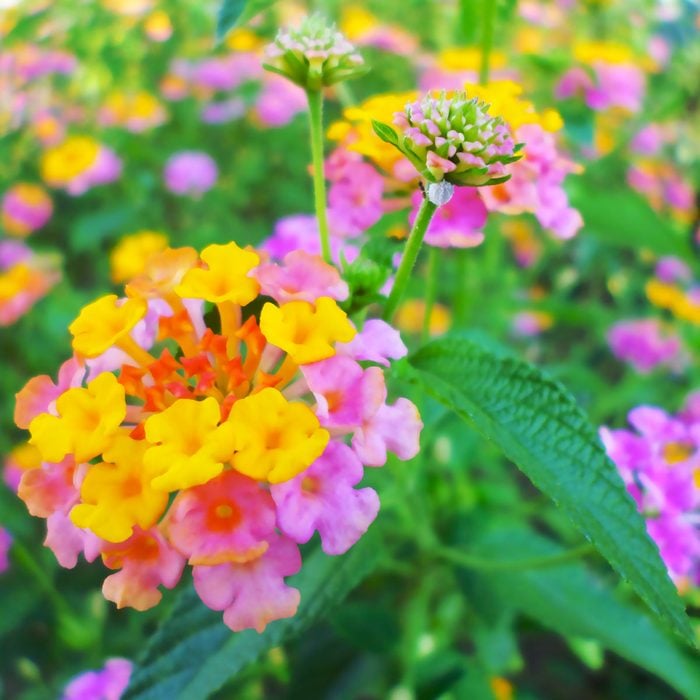
Perennials return year after year, saving time and effort. Lantana and ixora are tough and colorful choices. They thrive in Florida’s sun and heat with little care. These plants produce clusters of small flowers in rich colors. Plumeria gives sweet fragrance and tropical beauty. Perennials keep your poolside bright without replanting every season.
Container Flowering Plants
Containers offer flexibility and style around your pool. Use pots with bougainvillea for bold, bright blooms. Hibiscus in containers adds tropical flair and easy movement. Geraniums and petunias bring continuous color in small spaces. Containers let you move plants to shade or sun as needed. They also add height and dimension to your pool area.
Mosquito-repellent Plants
Mosquitoes spoil outdoor fun by the pool. Planting mosquito-repellent plants helps keep bugs away. These plants release scents mosquitoes dislike. They add beauty and freshness to your poolside. Choose plants that grow well in Florida’s warm climate. Here are some top mosquito-repellent plants for your pool area.
Citronella And Lavender
Citronella is famous for its mosquito-repelling scent. It grows well in sunny Florida spots. The tall grass-like leaves release oils that confuse mosquitoes.
Lavender adds color and a sweet aroma. Its purple flowers attract bees but repel mosquitoes. Lavender thrives in well-drained soil with plenty of sun.
Basil And Peppermint
Basil’s strong scent keeps mosquitoes at bay. It grows easily in pots or garden beds. Harvest leaves to use in cooking too.
Peppermint has a fresh, cool smell that bugs dislike. It spreads quickly, so use containers to control growth. Peppermint leaves can be crushed for a natural bug spray.
Marigold And Lemon Balm
Marigolds have bright orange or yellow blooms. Their scent deters mosquitoes and other pests. Marigolds grow well around pools and add cheerful color.
Lemon balm smells like lemon and mint combined. It attracts butterflies and repels mosquitoes. This hardy herb grows fast and covers ground nicely.
Planting Tips Near Pools
Planting near pools in Florida requires care and planning. The hot climate and pool chemicals affect plant health. Choosing the right plants is only the first step. Proper preparation and care help plants thrive and keep the pool area beautiful.
Soil Preparation
Start by testing the soil near your pool. Florida soil can be sandy and low in nutrients. Add organic matter like compost to improve soil quality. Ensure good drainage to prevent waterlogging. Remove rocks and debris that may harm roots. Healthy soil supports strong and vibrant plants.
Proper Spacing
Give plants enough room to grow without crowding. Crowded plants compete for water and nutrients. Proper spacing reduces the risk of disease and pests. It also allows air to circulate freely. Measure the mature size of plants before planting. This keeps the pool area neat and easy to maintain.
Irrigation Best Practices
Water plants early in the morning to reduce evaporation. Avoid watering late to prevent mold and fungus. Use drip irrigation or soaker hoses to deliver water directly to roots. Keep irrigation away from the pool deck to avoid slippery surfaces. Regular watering helps plants stay healthy in Florida’s heat.
Combining Hardscaping With Plants
Combining hardscaping with plants creates a stunning poolside space in Florida. Hardscaping adds structure and durability. Plants bring life and color to the area. Together, they form a balanced and inviting environment. This blend enhances both function and beauty around the pool.
Using Mulch And Rocks
Mulch keeps soil moist and prevents weeds near your pool. It adds a natural look that blends well with plants. Rocks offer texture and contrast in landscaping. Choose smooth river rocks or pea gravel to avoid sharp edges. Mulch and rocks together create low-maintenance, attractive ground cover.
Incorporating Pavers And Turf
Pavers provide solid walkways and lounging spots by the pool. They come in many shapes, colors, and sizes to match your style. Turf adds a soft, green touch that cools the area underfoot. Mixing pavers with turf creates a clean, modern look. This combo balances hard surfaces with natural softness.
Creating Visual Balance
Balance hardscaping and plants by varying heights and textures. Use tall palms with low-growing ground covers for contrast. Place hard surfaces near the pool edge and plants further away. This layout guides the eye and makes the space feel larger. Visual balance ensures a peaceful, well-designed poolside area.
Maintenance And Care
Proper maintenance and care keep poolside plants healthy and beautiful in Florida’s climate. The warm weather and high humidity require regular attention. Good care prevents damage from pool chemicals and water splash. Follow simple steps to extend your plants’ life and keep the area neat.
Pruning Guidelines
Trim plants regularly to control their size and shape. Remove dead or yellow leaves to improve appearance. Cut back overgrown branches to allow air circulation. Use sharp tools to avoid plant injury. Pruning helps plants grow strong and stay tidy.
Fertilizing Schedules
Feed plants during the growing season, typically spring through fall. Use a balanced fertilizer made for Florida plants. Apply fertilizer every 6 to 8 weeks for best results. Avoid over-fertilizing, which can harm plants and pollute water. Follow label instructions carefully.
Dealing With Pool Water Splash
Pool water often contains chlorine and chemicals that can harm plants. Rinse leaves occasionally with fresh water to remove chemicals. Choose plants that tolerate occasional splashes. Avoid planting sensitive species too close to the pool edge. Mulch can protect roots from splash damage.

Credit: www.veranda.com
Frequently Asked Questions
What Are The Best Plants To Put Around A Pool?
Best plants around a pool include bird of paradise, croton, bamboo palm, hibiscus, jade, purple lovegrass, and agave. They thrive in poolside conditions, resist pests, and require low maintenance, enhancing both beauty and functionality. Choose drought-tolerant, non-messy plants to keep your pool area clean and inviting.
What Is The Best Low Maintenance Landscape In Florida?
The best low maintenance landscape in Florida features native plants like coontie, saw palmetto, and firebush. Incorporate mulch, drought-tolerant perennials, and hardscaping for easy care and water efficiency. These choices thrive in Florida’s climate and reduce upkeep significantly.
What To Plant Around A Pool To Keep Mosquitoes Away?
Plant citronella, lavender, basil, peppermint, rosemary, catnip, lemon balm, and marigold around pools to repel mosquitoes naturally.
What Is Best To Put Around A Pool For Landscaping?
Best landscaping around a pool includes low-maintenance plants like bird of paradise, croton, bamboo palm, hibiscus, and jade. Use artificial turf or pavers for clean, safe surfaces. Avoid loose rocks near walkways to prevent slipping. Combine greenery with hardscaping for an attractive, functional pool area.
Conclusion
Choosing the best plants around your Florida pool adds beauty and function. Select hardy, low-maintenance species that thrive in the local climate. These plants create a relaxing and inviting poolside space. They also help reduce pests and keep the area clean.
With the right choices, your pool area will stay fresh year-round. Enjoy your outdoor oasis with plants that suit Florida’s unique environment. Simple care and smart selection make all the difference. Your poolside landscape can be both lovely and practical.